Works for:
based on ingredients and %- Cleansing
Can it cause trouble?
- Irritation risk: high
- Comedogenic risk ingredients: 0
Key actives
Works for
Cleansing
What does the product description say?
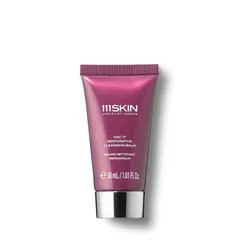
Complimentary NAC Y² ™ Restorative Cleansing Balm MINI
Source: From product name
This product works by removing dirt and oil from the surface of the skin. It uses a combination of mild cleansing agents (cocamidopropyl betaine, coconut acid, glyceryl linoleate, peg-40 hydrogenated castor oil, sodium lauroyl methyl isethionate, sucrose palmitate) and should be able to cleanse the skin gently. Still keep in mind that any cleansing can disrupt the skin barrier, and most people do not need to cleanse their skin more than once per day.
Even though this formulation is mild, the following cleansing agents could trigger an irritation or allergy for some people: cocamidopropyl betaine
Helps water and oil mix together. Used as a cleansing ingredient. Could be an allergen
Helps oil and water mix together
Helps oil and water mix together
Works as a cleansing agent
How honest is this product?
| Promise | Can it deliver? |
|---|---|
| Cleansing |
Total Promises Fulfilled score: 100/100.
Potential irritants
Comedogenic ingredients
No comedogenic ingredients detected
User reviews (0)
Averages from community submissions.
No reviews yet for this product.
Be the first to share your experience!
Tried this product?
Help capture what the ingredient list can't—texture, finish, pilling, scent, and more. Answer what you can, skip the rest.
Takes ~30 seconds.
Reviews are shown in aggregate. No personal details.
| Product | Similarity | Price | Irritancy |
|---|---|---|---|
 111SKIN Complimentary NAC Y² ™ Restorative Cleansing Balm MINI | Current | - | |
 Sesderma Sensyses Lightening Cleanser | 68% | ≈ $21.20 |
Key Actives
Helps calm down inflammation in skin and can help reduce itching. Helps to repair the skin barrier and keep skin hydrated
A derivative of azelaic acid. It is obtained by reacting the chloride of azelaic acid with two molecules of glycine (an amino acid) and potassium hydroxide. It is less studied than azelaic acid, but the available research suggests that it also can be effective in reducing skin redness, hyperpigmentation and blemishes. There are claims that it is more bio-available and more effective than azelaic acid, but no comparison study is available. Potassium azeloyl diglycinate is better soluble in water compared with azelaic acid. Because of this property, products with potassium azeloyl digclycinate can have a nicer texture
A stable derivative of vitamin C. It is oil-soluble which means it is more likely to penetrate the skin compared to the pure form of vitamin C (which is water-soluble), but it is less bio-available and is way less effective in stimulating collagen and reducing wrinkles compared to the pure form of vitamin C (L-ascorbic acid) and its other derivatives (for example, magnesium ascorbyl phosphate). At the same time, this vitamin C derivative has been shown in studies to be effective in reducing acne, blemishes and clogged pores. It is less irritating then the pure form of vitamin C
Helps attract water to the upper layer of the skin and can help improve skin barrier function
A seaweed extract that helps attract water to the upper layer of the skin and might have an anti-oxidant effect
Helps water and oil mix together. Used as a cleansing ingredient. Could be an allergen
Works as a cleansing agent
One of the best moisturizing ingredients. Naturally present in skin. It attracts water to the upper layer of the skin working as a humectant
Helps oil and water mix together
Helps attract water to the upper layer of the skin
A good mix of fatty acids that forms a protective layer on the skin. Improves the shelf life of products. Derived from coconut and glycerin
Potential irritants
Helps water and oil mix together. Used as a cleansing ingredient. Could be an allergen
An essential oil. Used as a fragrance. Can be irritating and sensitizing
A plant extract that one one hand, can contain compounds that can help calm down skin irritation, but, on the other hand, its other compounds (especially fragrant ones) can themselves be irritating
Used as a fragrance for its citrus smell. Can be irritating
A preservative. Can be used to mask unpleasant smell. Can be irritating
Maintains the texture of skincare products. Allows the product to spread evenly. Helps oil and water mix together
A stable derivative of vitamin C. It is oil-soluble which means it is more likely to penetrate the skin compared to the pure form of vitamin C (which is water-soluble), but it is less bio-available and is way less effective in stimulating collagen and reducing wrinkles compared to the pure form of vitamin C (L-ascorbic acid) and its other derivatives (for example, magnesium ascorbyl phosphate). At the same time, this vitamin C derivative has been shown in studies to be effective in reducing acne, blemishes and clogged pores. It is less irritating then the pure form of vitamin C
A good mix of fatty acids that forms a protective layer on the skin. Improves the shelf life of products. Derived from coconut and glycerin
A plant extract that can help lighten the skin and calm down inflammation. Might be helpful in neutralizing free radicals
A derivative of vitamin C that is more stable, but less bioavailable than the pure form of vitamin C. It does not penetrate the skin well, but has been shown to convert to pure vitamin C once in skin. It can be helpful in stimulating collagen production and lightening the skin tone, but the required concentration is likely to be very high
Can have some moisturizing properties due to its sugar content
A fruit extract that might have some anti-oxidant properties but evidence of effectiveness in skin is lacking
Comedogenic ingredients
We couldn't find any comedogenic ingredients in this product
All ingredients
Helps water and oil mix together. Used as a cleansing ingredient. Could be an allergen
One of the best moisturizing ingredients. Naturally present in skin. It attracts water to the upper layer of the skin working as a humectant
Used to stabilize mixtures of oil and water, and create thicker, gel-like product textures
Maintains the texture of skincare products. Allows the product to spread evenly. Helps oil and water mix together
A preservative. It helps prevent bacterial growth in cosmetic products
A derivative of azelaic acid. It is obtained by reacting the chloride of azelaic acid with two molecules of glycine (an amino acid) and potassium hydroxide. It is less studied than azelaic acid, but the available research suggests that it also can be effective in reducing skin redness, hyperpigmentation and blemishes. There are claims that it is more bio-available and more effective than azelaic acid, but no comparison study is available. Potassium azeloyl diglycinate is better soluble in water compared with azelaic acid. Because of this property, products with potassium azeloyl digclycinate can have a nicer texture
Helps calm down inflammation in skin and can help reduce itching. Helps to repair the skin barrier and keep skin hydrated
A stable derivative of vitamin C. It is oil-soluble which means it is more likely to penetrate the skin compared to the pure form of vitamin C (which is water-soluble), but it is less bio-available and is way less effective in stimulating collagen and reducing wrinkles compared to the pure form of vitamin C (L-ascorbic acid) and its other derivatives (for example, magnesium ascorbyl phosphate). At the same time, this vitamin C derivative has been shown in studies to be effective in reducing acne, blemishes and clogged pores. It is less irritating then the pure form of vitamin C
Helps attract water to the upper layer of the skin and can help improve skin barrier function
Acts as a solvent for other ingredients. Speeds up the absorption of other ingredients into the skin
An essential oil. Used as a fragrance. Can be irritating and sensitizing
Used to create a nice product texture and help delivery of other ingredients. Might be somewhat helpful in attracting water to the upper layer of the skin
A good mix of fatty acids that forms a protective layer on the skin. Improves the shelf life of products. Derived from coconut and glycerin
A plant extract that can help lighten the skin and calm down inflammation. Might be helpful in neutralizing free radicals
A derivative of vitamin C that is more stable, but less bioavailable than the pure form of vitamin C. It does not penetrate the skin well, but has been shown to convert to pure vitamin C once in skin. It can be helpful in stimulating collagen production and lightening the skin tone, but the required concentration is likely to be very high
Can have some moisturizing properties due to its sugar content
A fruit extract that might have some anti-oxidant properties but evidence of effectiveness in skin is lacking
A seaweed extract that helps attract water to the upper layer of the skin and might have an anti-oxidant effect
A plant extract that one one hand, can contain compounds that can help calm down skin irritation, but, on the other hand, its other compounds (especially fragrant ones) can themselves be irritating
Used as a fragrance for its citrus smell. Can be irritating
A preservative. Can be used to mask unpleasant smell. Can be irritating
Ingredient list view
Water, Cocamidopropyl betaine, Sodium lauroyl methyl isethionate, Glycerin, Sodium chloride, Acrylates/c10-30 alkyl acrylate crosspolymer, Peg-40 hydrogenated castor oil, Phenoxyethanol, Coconut acid, Potassium azeloyl diglycinate, Disodium edta, Allantoin, Sodium ascorbyl phosphate, Ethylhexylglycerin, Panthenol, Propanediol, Sodium hydroxide, Glyceryl linoleate, Prunus amygdalus dulcis oil, Sucrose palmitate, Piperonyl glucoside, Eugenia caryophyllus leaf oil, Butylene glycol, Pantolactone, Caprylic/capric triglyceride, Glycyrrhiza glabra root extract, Magnesium ascorbyl phosphate, Pyrus malus fruit extract, Rose extract, Lavandula angustifolia flower/leaf/stem extract, Elettaria cardamomum seed extract, Rubus idaeus fruit extract, Undaria pinnatifida extract, Jasminum officinale flower/leaf extract, Anthemis nobilis flower extract, Citrus aurantium amara flower extract, Citrus aurantium dulcis peel extract, Benzyl alcohol, Potassium sorbate
- Glycerol and the skin: holistic approach to its origin and functions
- Amended Safety Assessment of PEGylated Oils as Used in Cosmetics
- Clinical and instrumental assessment of the effects of a new product based on hydroxypropyl chitosan and potassium azeloyl diglycinate in the management of rosacea
- A Preliminary Clinical Evaluation of a Topical Product for Reducing Slight Rosacea Imperfections
- Azeloyl-Glycine: A new active in skin disequilibrium
- Formulation and evaluation of the cream made from potassium azeloyl diglycinate as an anti-aging
- Profile of wound healing process induced by allantoin
- Sodium ascorbyl phosphate shows in vitro and in vivo efficacy in the prevention and treatment of acne vulgaris
- Sodium ascorbyl phosphate in topical microemulsions
- Final report of the safety assessment of L-Ascorbic Acid, Calcium Ascorbate, Magnesium Ascorbate, Magnesium Ascorbyl Phosphate, Sodium Ascorbate, and Sodium Ascorbyl Phosphate as used in cosmetics
- Regulation of collagen synthesis in human dermal fibroblasts by the sodium and magnesium salts of ascorbyl-2-phosphate
- Comparison of clinical efficacies of sodium ascorbyl phosphate, retinol and their combination in acne treatment
- Application of l-ascorbic acid and its derivatives (sodium ascorbyl phosphate and magnesium ascorbyl phosphate) in topical cosmetic formulations: stability studies
- Sodium L-ascorbyl-2-phosphate 5% lotion for the treatment of acne vulgaris: a randomized, double-blind, controlled trial
- Skin moisturizing effects of panthenol-based formulations
- Safety Assessment of Panthenol, Pantothenic Acid, and Derivatives as Used in Cosmetics
- Anti-Inflammatory and Skin Barrier Repair Effects of Topical Application of Some Plant Oils
- Safety Assessment of Panthenol, Pantothenic Acid, and Derivatives as Used in Cosmetics
- Stability, transdermal penetration, and cutaneous effects of ascorbic acid and its derivatives
- Topical L-ascorbic acid: percutaneous absorption studies