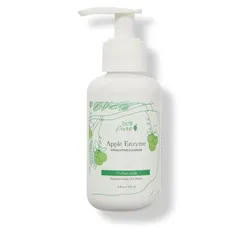
Works for:
based on ingredients and %- Exfoliation
- Cleansing
Doesn't work for:
based on ingredients and %- Anti-blemish
Can it cause trouble?
- Irritation risk: high
- Comedogenic risk ingredients: 0
Key actives


Exfoliation
What does the product description say?
7% Fruit Acids Apple Enzyme Exfoliating Cleanser
Source: From product name
This product can help exfoliate the skin. In other words, it helps break down the bonds between dead cells on the surface of the skin and speed up the skin turnover. Skin often appears softer and brighter after exfoliation, but overdoing it can result in disrupted skin barrier. The following ingredient is doing the exfoliating job in this product: lactic acid.
An exfoliating and moisturizing alpha-hydroxy acid (AHA). Typically causes less irritation than other AHAs, for example, glycolic acid. At high concentrations (about 15%), lactic acid can help reduce lines and wrinkles. Recent studies show that lactic acid can support the "good" bacteria living on skin's surface (healthy skin microbiome)
An enzyme extracted from papaya fruit. Can have an exfoliating effect on the skin. Can be irritating
Cleansing
What does the product description say?
7% Fruit Acids Apple Enzyme Exfoliating Cleanser
Source: From product name
This product works by removing dirt and oil from the surface of the skin.
The following cleansing agents are typically mild, but still can cause an irritation or allergy for some people decyl glucoside.
Keep in mind that cleansing can disrupt the skin barrier, and most people do not need to cleanse their skin more than once per day.
Helps oil and water mix together. Can be irritating
Anti-blemish
What does the product description say?
These powerful fruits work in harmony to unclog and minimize pores, even skin tone and brighten leaving you with super soft to the touch skin.
Source: 100% Pure
Effective ingredients missing or their concentration is too low.
Traditionally used to treat sunburns, dermatitis and inflammation, but evidence for its effectiveness is lacking. The extract can contain humectants that help attract water into the skin
How honest is this product?
| Promise | Can it deliver? |
|---|---|
| Exfoliation | |
| Cleansing | |
| Anti-blemish |
Total Promises Fulfilled score: 58/100.
We receive a small commission for purchases made through these links at no cost for you. Thank you for your support! Learn more
Potential irritants
Comedogenic ingredients
No comedogenic ingredients detected
User reviews (0)
Averages from community submissions.
No reviews yet for this product.
Be the first to share your experience!
Tried this product?
Help capture what the ingredient list can't—texture, finish, pilling, scent, and more. Answer what you can, skip the rest.
Takes ~30 seconds.
Reviews are shown in aggregate. No personal details.
| Product | Similarity | Price | Irritancy |
|---|---|---|---|
 100% PURE 7% Fruit Acids Apple Enzyme Exfoliating Cleanser | Current | $32.00 | |
Eucerin Urea Plus Shower Foam | 57% | ≈ $10.66 | |
Eau de Jonzac Pure Purifying Cleansing Gel Organic | 56% | ≈ $16.55 | |
 Skinstitut L-Lactic Cleanser 4% | 56% | ≈ $36.53 | |
 Olival Amino Gel | 54% | - | |
 Sanex Zero % Sensitive Skin Shower Gel | 53% | ≈ $5.99 |
Key Actives
An exfoliating and moisturizing alpha-hydroxy acid (AHA). Typically causes less irritation than other AHAs, for example, glycolic acid. At high concentrations (about 15%), lactic acid can help reduce lines and wrinkles. Recent studies show that lactic acid can support the "good" bacteria living on skin's surface (healthy skin microbiome)
One of the best moisturizing ingredients. Naturally present in skin. It attracts water to the upper layer of the skin working as a humectant
Helps oil and water mix together. Can be irritating
Sugar extract that helps attract water to the upper layer of the skin
Potential irritants
An aromatic blend of unspecified and possibly irritating ingredients
A plant extract that is used as a fragrance. Can be irritating and lead to photosensitivity
Used as a fragrance. Can be irritating and cause photosensitivity
An enzyme extracted from papaya fruit. Can have an exfoliating effect on the skin. Can be irritating
Oil of a very fragrant pink rose used as fragrance in cosmetics. Extensive research has shown it has mixed benefits. In the pro column, inhaling this flower’s scent seems to have relaxing properties and the plant’s petals contain skin-soothing and antioxidant compounds that can benefit skin. On the flipside, the numerous chemicals that create this rose’s distinctive fragrance pose a risk of causing skin aggravation.
Used to add a nice rose smell to the product. Might help attract water to the upper layer of the skin and have some anti-oxidant effect. Can be irritating
An essentil oil from orange peel. Potential allergen and can be irritating
Traditionally used to treat sunburns, dermatitis and inflammation, but evidence for its effectiveness is lacking. The extract can contain humectants that help attract water into the skin
An exfoliating and moisturizing alpha-hydroxy acid (AHA). Typically causes less irritation than other AHAs, for example, glycolic acid. At high concentrations (about 15%), lactic acid can help reduce lines and wrinkles. Recent studies show that lactic acid can support the "good" bacteria living on skin's surface (healthy skin microbiome)
Can have some moisturizing properties due to its sugar content
A plant extract that might help neutralize free radicals in skin, but research on its efficacy in skin is lacking
A plant extract that contains small percentage of AHAs. Is unlikely to have any skin benefit due the small concentration of the active compounds
A fruit extract that might help to attract water to the upper layer of the skin, but there is no evidence for any other benefits to the skin
A plant extract that can help lighten the skin and calm down inflammation. Might be helpful in neutralizing free radicals
Comedogenic ingredients
We couldn't find any comedogenic ingredients in this product
All ingredients
One of the best moisturizing ingredients. Naturally present in skin. It attracts water to the upper layer of the skin working as a humectant
Traditionally used to treat sunburns, dermatitis and inflammation, but evidence for its effectiveness is lacking. The extract can contain humectants that help attract water into the skin
An exfoliating and moisturizing alpha-hydroxy acid (AHA). Typically causes less irritation than other AHAs, for example, glycolic acid. At high concentrations (about 15%), lactic acid can help reduce lines and wrinkles. Recent studies show that lactic acid can support the "good" bacteria living on skin's surface (healthy skin microbiome)
Can have some moisturizing properties due to its sugar content
An aromatic blend of unspecified and possibly irritating ingredients
A plant extract that might help neutralize free radicals in skin, but research on its efficacy in skin is lacking
Sugar extract that helps attract water to the upper layer of the skin
A plant extract that contains small percentage of AHAs. Is unlikely to have any skin benefit due the small concentration of the active compounds
A plant extract that is used as a fragrance. Can be irritating and lead to photosensitivity
Used as a fragrance. Can be irritating and cause photosensitivity
A fruit extract that might help to attract water to the upper layer of the skin, but there is no evidence for any other benefits to the skin
An enzyme extracted from papaya fruit. Can have an exfoliating effect on the skin. Can be irritating
A plant extract that can help lighten the skin and calm down inflammation. Might be helpful in neutralizing free radicals
Oil of a very fragrant pink rose used as fragrance in cosmetics. Extensive research has shown it has mixed benefits. In the pro column, inhaling this flower’s scent seems to have relaxing properties and the plant’s petals contain skin-soothing and antioxidant compounds that can benefit skin. On the flipside, the numerous chemicals that create this rose’s distinctive fragrance pose a risk of causing skin aggravation.
Used to add a nice rose smell to the product. Might help attract water to the upper layer of the skin and have some anti-oxidant effect. Can be irritating
An essentil oil from orange peel. Potential allergen and can be irritating
Ingredient list view
Glycerin, Decyl glucoside, Aloe barbadensis leaf juice, Lactic acid, Pyrus malus fruit extract, Parfum, Vaccinium myrtillus fruit extract, Saccharum officinarum extract, Acer saccharum extract, Citrus aurantium dulcis fruit extract, Citrus limon fruit extract, Bromelain, Ananas sativus fruit extract, Papain, Carica papaya fruit extract, Glycyrrhiza glabra root extract, Rosa damascena extract, Rosa damascena flower water, Citrus aurantium dulcis peel oil
- Glycerol and the skin: holistic approach to its origin and functions
- Ecofriendly surfactant is allergen of the year
- Epidermal and dermal effects of topical lactic acid
- Dual Effects of Alpha-Hydroxy Acids on the Skin
- Lonicera caerulea and Vaccinium myrtillus fruit polyphenols protect HaCaT keratinocytes against UVB-induced phototoxic stress and DNA damage
- Herbal Medicine: Biomolecular and Clinical Aspects. 2nd edition.
- Safety Assessment of Citrus Fruit-Derived Ingredients as Used in Cosmetics
- Photosensitivity in children: An approach to diagnosis and management
- Safety Assessment of Citrus-Derived Peel Oils as Used in Cosmetics
- Annex I: Clinical evidence regarding sensitisation to individual fragrance chemicals and to natural extracts