Methyl anthranilate
Summary
Works for
- Sun protection
Irritancy risk
2
MediumUsed as a fragrance. It can be used a booster for UV filters in non-European sunscreen formulations. A draft regulation in the EU proposes to restrict the usage of this ingredient to a low concentration in sunscreens because of concerns of photo-toxicity
Products with Methyl anthranilate
 InnersenseAwaken Body Wash
salicylic acidpanthenolbutyrospermum parkii butter +14 actives
Cleansing
Price unavailable
 CoolaDew Good Illuminating Serum Sunscreen with Probiotic Technology SPF 30
Avobenzonebutyloctyl salicylateethylhexyl hydroxystearate +4 actives
Sun protection Anti-aging +2
Fragrance
Price unavailable
 Lotus Moon Skin CareSol Intense SPF 30
linoleic acidOxybenzonebutyrospermum parkii butter +16 actives
Sun protection Moisturizing +3
Fragrance
Price unavailable
 House of RoseLima Energier Essence Treatment
palmitoyl tripeptide-5cyclopentasiloxanedimethicone +5 actives
Moisturizing Anti-oxidation +1
Price unavailable
SephoraDry Body Oil - ArganAgran oilcaprylic/capric triglyceridecaprylic/capric triglyceride +8 actives
Moisturizing
Fragrance
Price unavailable
SEPHORA COLLECTIONMoisturizing Body Lotion Body CareAvobenzoneglycerin
Moisturizing
Fragrance
Price unavailable
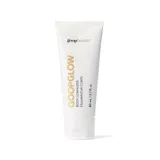 goopGOOPGLOW Body Luminizer
gluconolactoneglycerinSea buckthorn oil +5 actives
Anti-aging Exfoliation +3
Price unavailable
 Fountain of TruthYouth in Hand Cream
niacinamidebetainebiosaccharide gum-1 +17 actives
Anti-oxidation Anti-aging +1
Price unavailable
Scientific sources
Similar ingredients
BUTYL METHOXYDIBENZOYLMETHANEAvobenzone. An organic, or so-called "chemical" UV filter. Protects against both UVA and UVB rays. Needs to be combined with other filters in a formulation to be stable. ETHYLHEXYL METHOXYCINNAMATEOctinoxate. When used in higher concentrations, works as a sunscreen protecting the skin from UVB rays. When used in lower concentration, helps to preserve the product formulation. Is shown to be harmful to coral reefs - consider avoiding bathing in coral reef areas when wearing a product with this ingredient. It can be irritatingETHYLHEXYL SALICYLATEOctisalate. A UV filter. It offers some protection against the sun rays that cause sunburn (UVB), but does not protect against the most aging sun rays (UVA). It loses its effectiveness quickly when exposed to sunlight. It is an organic, or so called "chemical" sunscreen OCTOCRYLENEA weak sunscreen that protects against the sun rays that cause sunburn (UVB) and is somewhat effective against the UVA rays. It is quite stable and can help stabilize other, more vulnerable, sunscreen ingredients like Avobenzone. It is an organic, or so called "chemical" sunscreenTITANIUM DIOXIDEWorks as a UV filter when used in high concentrations. It is photostable and is effective mostly against the UVB light, with some protection in the UVA range. In small concentrations, used for its ability to improve the color of cosmetic products. Is usually well tolerated by the skinZINC OXIDEA broad spectrum sunblock (protects from both UVA and UVB rays). Is suitable for most sensitive skins. In small concentrations, can be used as a colorantBENZOPHENONE-3Same as oxybenzone. Protects in the UVB and short UVA range. In small concentrations, used to stabilize product formulation. Can be irritating. Is shown to be harmful to coral reefs - consider avoiding bathing in coral reef areas when wearing a product with this ingredient. It can penetrate the skin and get absorbed into bloodstream faster than other popular filters available in the US. The study that produced this finding did not address any potential health effects of the absorptionBENZOPHENONE-4Sulisobenzone. A UV filter. Is typically used to improve the product stability under exposure to UV light. It is effective against both UVA and UVB rays. It can be used is larger concentrations as a sun protection ingredient for the skin, but can be irritatingETHYLHEXYL TRIAZONEUvinul T. A UV filter. Effective against UVB rays. It is photostable. Can increase water resistance properties of the sunscreen. Unfortunately, not approved by the FDA (US) yetBIS-ETHYLHEXYLOXYPHENOL METHOXYPHENYL TRIAZINETinosorb S. One of the most effective broad spectrum sunscreen ingredients. Protects from both UVA and UVB rays. It is photostable. Unfortunately, not approved by FDA (US) yet. DIETHYLAMINO HYDROXYBENZOYL HEXYL BENZOATEUvinul A Plus. A new generation broad spectrum sunscreen that offers an effective protection especially in the UVA range. It is stable in formulations. Unfortunately, is not approved by the FDA (US) yetPHENYLBENZIMIDAZOLE SULFONIC ACIDEnsulizole. A UV filter that is effective against UVB rays. Does not protect against UVA light. It is photostable and can be used to help stabilize other sunscreen ingredients. It is water-soluble meaning that it can help create lighter sunscreen formulationsDIETHYLHEXYL BUTAMIDO TRIAZONEUvasorb HEB. A UV filter. Is effective against UVB and UVA II rays (but not UVA I). It is photostable. Unfortunately, is not approved by FDA (US) yetDISODIUM PHENYL DIBENZIMIDAZOLE TETRASULFONATENeo Heliopan AP. A UV filter. Effective against UVA II rays. It is stable. It is water-soluble, which helps to create lightweight sunscreen formulations. Unfortunately, not approved by FDA (US) yetDROMETRIZOLE TRISILOXANEMexoryl XL. A UV filter. Effective in the UVB and UVA range. It is stable. Unfortunately, not approved in the US yetETHYLHEXYL DIMETHYL PABAPadimate O. A UV filter. Effective against UVB rays. There are concerns about the safety of this sunscreen ingredient, but conclusive evidence in either direction is missing. Because of the safety concerns, it is rarely used in leave-in skincareISOAMYL P-METHOXYCINNAMATEAmiloxate or Neo Heliopan E1000. A UV filter. It is effective against UVB and UVA II rays. Not available in the USMENTHYL ANTHRANILATEMeradimate. A UV filter. Is effectives against UVA rays, but due to its chemical properties, it can lead to increase in free radicals. This is why the ingredients is almost never used in cosmetics, despite being approved by the FDAMETHYLENE BIS-BENZOTRIAZOLYL TETRAMETHYLBUTYLPHENOLTinosorb M. A UV filter. Is effective against both UVA and UVB rays. It is photostable and can also be used to improve photostability of other sunscreen ingredients. It is soluble in water, which helps to create lightweight sunscreen formulations. Unfortunately, it is not approved by the FDA (US) yet PEG-25 PABAUvinul P25. A UV filter. Effective against UVB rays, but does not protect against the aging UVA lightPOLYACRYLAMIDOMETHYL BENZYLIDENE CAMPHORPABAA UV filter. Is effective against UVB, but does not protect against aging UVA rays. It is not allowed in the EU. It can stain clothing. Overall, it is not widely used in skincare & sunscreens. Can be used to stabilize product formulation - for example, in rinse-off hair productsTRIS-BIPHENYL TRIAZINETinosorb A2B. A UV filter. It is effective against both UVA and UVB rays. It is photostable. Soluble in water, which helps to create lighter sunscreen formulations. Unfortunately, not approved by the FDA in the US yetTEREPHTHALYLIDENE DICAMPHOR SULFONIC ACIDEcamsule, Mexoryl SX. A UV filter. Is effective mostly against the UVA rays. It is legally marketed in the US with the FDA approval since 2006, even though the ingredient is not on the official FDA list of the approved sunscreen active ingredients. It is photostablePOLYSILICONE-15A UV filter. Effective against UVB rays, but does not protect against the most aging UVA lightBENZOPHENONE-8Dioxybenzone. A UV filter. Effective against both UVB and UVA raysBENZYLIDENE CAMPHOR SULFONIC ACIDUV filterHOMOSALATEA weak sunscreen that offers some protection against the sun rays that cause sunburn (UVB), but does not offer meaningful protection against protect against the most aging sun rays (UVA). It loses its effectiveness quickly when exposed to sunlight. It is an organic, or so called "chemical" sunscreen. When used in low concentrations, helps to stabilize the product formulationCINOXATEA UV filter. Is effective against UVB rays. It is not widely used because of the high irritation potentialPHENYLENE BIS-DIPHENYLTRIAZINEA new generation UV filter that protects from both UVAII and UVB rays. It is the newest UV filter approved for use in the EU in concentrations below 5%. Is used with benzoic acid in cosmetic formulations