Works for:
based on ingredients and %- Moisturizing
- Anti-aging
Can it cause trouble?
- Irritation risk: medium
- Comedogenic risk ingredients: 0
Key actives
Works for
Anti-aging
This product contains lysine, serine, threonine. These ingredients might be able to help reduce and prevent fine lines and wrinkles, improve skin elasticity and firmness, but there is not enough evidence that it actually works.
An amino-acid that helps to attract water to the upper layer of the skin. In combination with other amino-acids, might help to reduce fine lines and wrinkles
An amino-acid that helps to attract water to the upper layer of the skin. In combination with other amino-acids, might help to reduce fine lines and wrinkles
An amino-acid that helps to attract water to the upper layer of the skin. In combination with other amino-acids, might help to reduce fine lines and wrinkles
A compound that combines zinc with a hydrating ingredient PCA. Might to be helpful against acne and clogged pores. Can help calm down inflammation in skin. Could be helpful in reducing the formation of free radicals in skin. Might help to reduce fine lines in wrinkles, but solid evidence is missing
An exfoliating and moisturizing alpha-hydroxy acid (AHA). Typically causes less irritation than other AHAs, for example, glycolic acid. At high concentrations (about 15%), lactic acid can help reduce lines and wrinkles. Recent studies show that lactic acid can support the "good" bacteria living on skin's surface (healthy skin microbiome)
Moisturizing
What does the product description say?
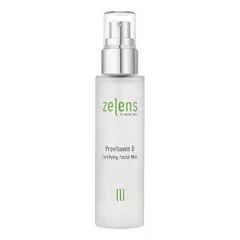
Refresh and rehydrate thirsty skin with a few spritzes of Zelens’ PROVITAMIN D Fortifying Facial Mist; an ultra-fine facial mist designed to jolt dehydrated skin back to life with a revitalising boost of moisture and provitamin D. A fortifying, elasticity-boosting powerhouse, provitamin D dramatically enhances skin’s resilience, reinforcing barrier function – essentially a net that locks in healthy moisture in and keeps external stressors out.
Source: Lookfantastic
This product can help improve hydration of the skin with the two types of ingredients.
The first type is called “humectants”:
these ingredients help attract water.
When humectants are on the surface of the skin, they “pull in” the moisture from the outside environment, or from
within deeper layers of the skin. The following ingredients in this product do the job:
alanine, arginine.
This product also contains ingredients called “occlusives”. They help reduce the speed with which our skin loses moisture to the outside environment. These ingredients also help soften the upper layer of the skin, so it feels less tight and nicer to the touch. The following ingredients in this product do the job: arginine.
Pro-vitamin D. It is claimed to have anti-inflammatory effect in skin, but there is no research available confirming that this compound converts to vitamin D in skin or has any other benefits apart from softening the upper layer of the skin. This compound is different from the Vitamin D3 analogues used in medicine to treat psoriasis
An amino-acid that helps to attract water to the upper layer of the skin and might help to lighten the skin, but solid evidence is lacking
An amino acid that is naturally present in skin and helps keep it hydrated. When used together with AHAs, it can reduce their irritating effect on the skin
Helps attract water to the upper layer of the skin and improves the product texture
Help attract water to the upper layer of the skin
An amino-acid that helps to attract water to the upper layer of the skin. In combination with other amino-acids, might help to reduce fine lines and wrinkles
Naturally present in skin and helps to attract water to its upper layer
An amino-acid that helps to attract water to the upper layer of the skin. In combination with other amino-acids, might help to reduce fine lines and wrinkles
A compound that combines zinc with a hydrating ingredient PCA. Might to be helpful against acne and clogged pores. Can help calm down inflammation in skin. Could be helpful in reducing the formation of free radicals in skin. Might help to reduce fine lines in wrinkles, but solid evidence is missing
An amino-acid that helps attract water to the upper layer of the skin
One of the best moisturizing ingredients. Naturally present in skin. It attracts water to the upper layer of the skin working as a humectant
Helps to attract water to the upper layer of the skin and can help restore the skin barrier function
An amino-acid that helps to attract water to the upper layer of the skin. In combination with other amino-acids, might help to reduce fine lines and wrinkles
Naturally present in skin and helps to attract water to its upper layer
Helps attract water to the upper layer of the skin. Could be helpful in restoring the skin barrier function
An exfoliating and moisturizing alpha-hydroxy acid (AHA). Typically causes less irritation than other AHAs, for example, glycolic acid. At high concentrations (about 15%), lactic acid can help reduce lines and wrinkles. Recent studies show that lactic acid can support the "good" bacteria living on skin's surface (healthy skin microbiome)
Helps attract water to the upper layer of the skin. Is often used to adjust the pH level of the product
How honest is this product?
| Promise | Can it deliver? |
|---|---|
| Moisturizing |
Total Promises Fulfilled score: 75/100.
We receive a small commission for purchases made through these links at no cost for you. Thank you for your support! Learn more
Affiliate link · supports WIMJ at no cost to you
Potential irritants
Comedogenic ingredients
No comedogenic ingredients detected
User reviews (0)
Averages from community submissions.
No reviews yet for this product.
Be the first to share your experience!
Tried this product?
Help capture what the ingredient list can't—texture, finish, pilling, scent, and more. Answer what you can, skip the rest.
Takes ~30 seconds.
Reviews are shown in aggregate. No personal details.
Key Actives
A compound that combines zinc with a hydrating ingredient PCA. Might to be helpful against acne and clogged pores. Can help calm down inflammation in skin. Could be helpful in reducing the formation of free radicals in skin. Might help to reduce fine lines in wrinkles, but solid evidence is missing
An amino-acid that helps to attract water to the upper layer of the skin. In combination with other amino-acids, might help to reduce fine lines and wrinkles
An amino-acid that helps to attract water to the upper layer of the skin and might help to lighten the skin, but solid evidence is lacking
An amino-acid that helps to attract water to the upper layer of the skin. In combination with other amino-acids, might help to reduce fine lines and wrinkles
An amino-acid that helps to attract water to the upper layer of the skin. In combination with other amino-acids, might help to reduce fine lines and wrinkles
One of the best moisturizing ingredients. Naturally present in skin. It attracts water to the upper layer of the skin working as a humectant
Helps attract water to the upper layer of the skin and improves the product texture
Help attract water to the upper layer of the skin
Pro-vitamin D. It is claimed to have anti-inflammatory effect in skin, but there is no research available confirming that this compound converts to vitamin D in skin or has any other benefits apart from softening the upper layer of the skin. This compound is different from the Vitamin D3 analogues used in medicine to treat psoriasis
Naturally present in skin and helps to attract water to its upper layer
Naturally present in skin and helps to attract water to its upper layer
Helps to attract water to the upper layer of the skin and can help restore the skin barrier function
An amino-acid that helps attract water to the upper layer of the skin
An amino acid that is naturally present in skin and helps keep it hydrated. When used together with AHAs, it can reduce their irritating effect on the skin
Helps attract water to the upper layer of the skin. Is often used to adjust the pH level of the product
Potential irritants
Used as a fragrance for its mint-like smell
Helps oil and water mix together. Can be used as a cleansing agent
A plant extract that might have some antioxidant properties, but mostly used in cosmetics for its color
Pro-vitamin D. It is claimed to have anti-inflammatory effect in skin, but there is no research available confirming that this compound converts to vitamin D in skin or has any other benefits apart from softening the upper layer of the skin. This compound is different from the Vitamin D3 analogues used in medicine to treat psoriasis
Helps attract water to the upper layer of the skin. Is often used to adjust the pH level of the product
An exfoliating and moisturizing alpha-hydroxy acid (AHA). Typically causes less irritation than other AHAs, for example, glycolic acid. At high concentrations (about 15%), lactic acid can help reduce lines and wrinkles. Recent studies show that lactic acid can support the "good" bacteria living on skin's surface (healthy skin microbiome)
Comedogenic ingredients
We couldn't find any comedogenic ingredients in this product
All ingredients
Acts as a solvent for other ingredients. Speeds up the absorption of other ingredients into the skin
One of the best moisturizing ingredients. Naturally present in skin. It attracts water to the upper layer of the skin working as a humectant
Helps attract water to the upper layer of the skin and improves the product texture
Helps oil and water mix together. Can be used as a cleansing agent
A plant extract that might have some antioxidant properties, but mostly used in cosmetics for its color
A compound that combines zinc with a hydrating ingredient PCA. Might to be helpful against acne and clogged pores. Can help calm down inflammation in skin. Could be helpful in reducing the formation of free radicals in skin. Might help to reduce fine lines in wrinkles, but solid evidence is missing
Pro-vitamin D. It is claimed to have anti-inflammatory effect in skin, but there is no research available confirming that this compound converts to vitamin D in skin or has any other benefits apart from softening the upper layer of the skin. This compound is different from the Vitamin D3 analogues used in medicine to treat psoriasis
Naturally present in skin and helps to attract water to its upper layer
Naturally present in skin and helps to attract water to its upper layer
Used as a fragrance for its mint-like smell
An amino-acid that helps to attract water to the upper layer of the skin. In combination with other amino-acids, might help to reduce fine lines and wrinkles
An amino-acid that helps to attract water to the upper layer of the skin and might help to lighten the skin, but solid evidence is lacking
Helps to attract water to the upper layer of the skin and can help restore the skin barrier function
An amino-acid that helps attract water to the upper layer of the skin
An amino-acid that helps to attract water to the upper layer of the skin. In combination with other amino-acids, might help to reduce fine lines and wrinkles
An amino-acid that helps to attract water to the upper layer of the skin. In combination with other amino-acids, might help to reduce fine lines and wrinkles
An amino acid that is naturally present in skin and helps keep it hydrated. When used together with AHAs, it can reduce their irritating effect on the skin
Helps attract water to the upper layer of the skin. Is often used to adjust the pH level of the product
An exfoliating and moisturizing alpha-hydroxy acid (AHA). Typically causes less irritation than other AHAs, for example, glycolic acid. At high concentrations (about 15%), lactic acid can help reduce lines and wrinkles. Recent studies show that lactic acid can support the "good" bacteria living on skin's surface (healthy skin microbiome)
Helps attract water to the upper layer of the skin. Could be helpful in restoring the skin barrier function
Ingredient list view
Water, Propanediol, Glycerin, Polyglyceryl-3 pca, Betaine, Caprylyl/capryl glucoside, Beta vulgaris root extract, Fructooligosaccharides, Zinc pca, Methyl cyclodextrin, 7-dehydrocholesterol, Sodium pca, Pca, Perilla frutescens leaf extract, Serine, Proline, Alanine, Glycine, Glutamic acid, Lysine, Unknown, Threonine, Arginine, Levulinic acid, Sodium lactate, Potassium lactate, Sodium levulinate, Potassium sorbate, Sodium hydroxide, Lactic acid, Glucose
- Glycerol and the skin: holistic approach to its origin and functions
- Zinc L-pyrrolidone carboxylate inhibits the UVA-induced production of matrix metalloproteinase-1 by in vitro cultured skin fibroblasts, whereas it enhances their collagen synthesis
- Zinc Therapy in Dermatology: A Review
- Vitamin D Regulation of Cathelicidin in the Skin: Toward a Renaissance of Vitamin D in Dermatology?
- Off-Label Uses of Topical Vitamin D in Dermatology: A Systematic Review
- The Rationale Behind Topical Vitamin D Analogs in the Treatment of Psoriasis
- Topical palmitoyl pentapeptide provides improvement in photoaged human facial skin
- Combination of amino acids reduces pigmentation in B16F0 melanoma cells
- Effect of Topical Application of Glycine and Proline on Recalcitrant Leg Ulcers of Prolidase Deficiency
- Functional glycine receptor in cultured human keratinocytes
- Epidermal and dermal effects of topical lactic acid
- Dual Effects of Alpha-Hydroxy Acids on the Skin
- Topical Glucose Induces Claudin-1 and Filaggrin Expression in a Mouse Model of Atopic Dermatitis and in Keratinocyte Culture, Exerting Anti-inflammatory Effects by Repairing Skin Barrier Function