Works for
2 of 2 advertised claims delivered
MoisturizingPalmitoyl tripeptide-1, Sodium hyaluronate + 19 moreStrong evidence
“Visibly enhances moisture, volume and definition, while reacting to your lips to give them a sheer shade of pink that’s unique to you.”
This product can help improve hydration of the skin with the two types of ingredients.
The first type is called “humectants”:
these ingredients help attract water.
When humectants are on the surface of the skin, they “pull in” the moisture from the outside environment, or from
within deeper layers of the skin. The following ingredients in this product do the job:
sodium hyaluronate.
This product also contains ingredients called “occlusives”. They help reduce the speed with which our skin loses moisture to the outside environment. These ingredients also help soften the upper layer of the skin, so it feels less tight and nicer to the touch. The following ingredients in this product do the job: butyrospermum parkii butter, helianthus annuus seed oil.
The following ingredients in this product are especially good for supporting the skin barrier and helping with the hydration level: palmitoyl tripeptide-1
Anti-agingPalmitoyl tripeptide-1, Butyrospermum parkii butter + 2 moreModerate evidence
“Its anti-ageing properties target fine lines and wrinkles, plumping out to create a smoother, younger-looking, shapely pout.”
This product contains palmitoyl tripeptide-1. This ingredient might be able to help reduce and prevent fine lines and wrinkles, improve skin elasticity and firmness, but there is not enough evidence that it actually works.
Can it cause trouble?
Irritancy2 strong irritants: Perilla frutescens leaf extract, Ethyl vanillinMedium risk
Comedogenic6 ingredients rated 2 or more on the 0–5 pore-clogging scale6 flagged

User reviews
Be the first — your take helps the next person decide.
Ingredients
Filter by role to see what each ingredient is doing.
Ricinus communis seed oil~25–38%
- Irritation risk
- Medium
A plant oil that can help soften the skin. It might be helpful in calming down inflammation, but solid research is lacking. Is often used in lip products to create the needed product consistency
More about Ricinus communis seed oilOleic/linoleic/linolenic polyglycerides~6.3–9.5%
- Irritation risk
- Low
Helps soften the upper layer of the skin
More about Oleic/linoleic/linolenic polyglyceridesOryza sativa bran wax~4.7–7%
- Irritation risk
- Low
C10-18 triglycerides~3.7–5.5%
- Irritation risk
- Low
Helps soften the skin and attract water to its upper layer. Helps create nice product texture
More about C10-18 triglyceridesOctyldodecanol~2.6–4%
- Irritation risk
- Low
An emollient that helps to soften the skin and create a pleasant product texture and stabilize the formulation
More about OctyldodecanolRhus verniciflua peel wax~2–3%
- Irritation risk
- Low
Vegetable oil~1.6–2.5%
- Irritation risk
- Low
An oil from a mixture of different vegetables. Helps soften the upper layer of the skin
More about Vegetable oilEuphorbia cerifera wax~1.7–2.6%
- Irritation risk
- Low
Theobroma cacao seed butter~1.2–1.8%
- Irritation risk
- Low
- Comedogenicity
- 3/5
Helps soften the upper layer of the skin and can be helpful in restoring the skin barrier function. Might have some anti-oxidant effect
More about Theobroma cacao seed butterBrassica campestris sterols~1–1.5%
- Irritation risk
- Low
Help soften the upper layer of the skin
More about Brassica campestris sterolsPunica granatum sterols~0.55–1.3%
- Irritation risk
- Low
Glycine soja seed~0.5–1.15%
- Irritation risk
- Low
Butyrospermum parkii butter~0.5–1.2%
- Irritation risk
- Low
- Comedogenicity
- 3/5
A great moisturising ingredient that softens the skin and reduces water loss from its upper layer. It also can be helpful in protecting skin from free radicals
More about Butyrospermum parkii butterLecithin~0.5–1.15%
- Irritation risk
- Low
Used mostly for creating emulsions - helping oil and water mix together. Helps soften the upper layer of the skin
More about LecithinC18-36 acid triglyceride~0.45–1.05%
- Irritation risk
- Low
Phospholipids~0.4–0.95%
- Irritation risk
- Low
Emollients that are naturaly present in skin. In addition, they help water and oil mix together in the product
More about PhospholipidsPalmitoyl tripeptide-1~0.45–1.05%
- Irritation risk
- Low
A type of peptide. Peptides are excellent moisturizers and might be able support collagen production reducing fine lines and wrinkles
More about Palmitoyl tripeptide-1Tocopherol~0.35–0.85%
- Irritation risk
- Low
Pure form of vitamin E. Can help moisturise and protect the skin from free radicals. Often used to help stabilise other ingredients or the formula itself
More about TocopherolHelianthus annuus seed oil~0.4–0.9%
- Irritation risk
- Low
A great emollient due to its high linoleic acid content. One of the most effective plant oils in helping skin hydration and repairing skin barrier function
More about Helianthus annuus seed oilHydrogenated vegetable oil~0.4–0.9%
- Irritation risk
- Low
- Comedogenicity
- 2/5
An oil from a mixture of different vegetables. Helps soften the upper layer of the skin
More about Hydrogenated vegetable oilGlycyrrhiza glabra leaf extract~0.3–0.7%
- Irritation risk
- Low
A plant extract that can be effective for calming down inflammation and lightening the skin, but the effectivenss in products can vary significantly based on the extract quality and concentration used
More about Glycyrrhiza glabra leaf extractSodium hyaluronate~0.2–0.8%
- Irritation risk
- Low
One of the best moisturizing ingredients. Attracts water into the upper layer of the skin
More about Sodium hyaluronateGlucomannan~0.2–0.75%
- Irritation risk
- Low
Caprylic/capric triglyceride~0.35–0.85%
- Irritation risk
- Medium
A good mix of fatty acids that forms a protective layer on the skin. Improves the shelf life of products. Derived from coconut and glycerin
More about Caprylic/capric triglyceridePerilla frutescens leaf extract~0.2–0.8%
- Irritation risk
- High
Used as a fragrance for its mint-like smell
More about Perilla frutescens leaf extractEthylhexyl palmitate~0.35–0.8%
- Irritation risk
- Low
- Comedogenicity
- 3/5
An emollient that helps soften the skin and create a nice product texture
More about Ethylhexyl palmitateAscorbyl palmitate~0.15–0.7%
- Irritation risk
- Medium
Being a lipid soluble form of vitamin C, it is more stable and can penetrate the skin better than L-Ascorbic acid. It is effective in protecting the skin from free radicals, as well as evening the skin tone, but is less effective in stimulating collagen production compared to L-Ascorbic acid.
More about Ascorbyl palmitateCitric acid~0.15–0.7%
- Irritation risk
- Medium
Can work as an exfoliant but is typically used to adjust the product pH
More about Citric acidTribehenin~0.3–0.75%
- Irritation risk
- Low
Used to create a thicker product consistency and soften the upper layer of the skin
More about TribeheninSorbitan isostearate~0.15–0.7%
- Irritation risk
- Low
Helps oil and water mix together
More about Sorbitan isostearateTrihydroxystearin~0.15–0.65%
- Irritation risk
- Low
Helps soften the upper layer of the skin and improve the product texture
More about TrihydroxystearinGlyceryl caprylate~0.3–0.7%
- Irritation risk
- Low
An emollient that can also help water and oil mix together, as well as prevent bacteria growth in products
More about Glyceryl caprylateGlyceryl undecylenate~0.2–0.8%
- Irritation risk
- Medium
Helps oil and water mix together and helps preserve the product formulation
More about Glyceryl undecylenateEthyl vanillin~0.1–0.4%
Trioctyldodecyl citrate~0.15–0.65%
- Irritation risk
- Low
Titanium dioxide~0.15–0.65%
- Irritation risk
- Low
Works as a UV filter when used in high concentrations. It is photostable and is effective mostly against the UVB light, with some protection in the UVA range. In small concentrations, used for its ability to improve the color of cosmetic products. Is usually well tolerated by the skin
More about Titanium dioxideCi 77491~0.1–0.3%
- Irritation risk
- Low
A red colorant made of iron oxide. Typically is not irritating
More about Ci 77491Ci 45410~0.05–0.25%
Ci 45380~0.05–0.2%
Ingredient list view
Ricinus communis seed oil, Oleic/linoleic/linolenic polyglycerides, Oryza sativa bran wax, C10-18 triglycerides, Octyldodecanol, Rhus verniciflua peel wax, Vegetable oil, Euphorbia cerifera wax, Theobroma cacao seed butter, Brassica campestris sterols, Punica granatum sterols, Glycine soja seed, Butyrospermum parkii butter, Lecithin, C18-36 acid triglyceride, Phospholipids, Palmitoyl tripeptide-1, Tocopherol, Helianthus annuus seed oil, Hydrogenated vegetable oil, Glycyrrhiza glabra leaf extract, Sodium hyaluronate, Glucomannan, Caprylic/capric triglyceride, Perilla frutescens leaf extract, Ethylhexyl palmitate, Ascorbyl palmitate, Citric acid, Tribehenin, Sorbitan isostearate, Trihydroxystearin, Glyceryl caprylate, Glyceryl undecylenate, Ethyl vanillin, Trioctyldodecyl citrate, Titanium dioxide, Ci 77491, Ci 45410, Ci 45380
Compare prices
Retailers ranked by price — lowest first.

Affiliate links · prices updated regularly
Worth comparing, line by line.
Match % combines shared ingredients, the first five ingredients, shared actives and hero ingredients, irritancy (lower counts in the alternative's favour), texture and body area. Only products in the same routine step are compared.
| ZelensLip OilYOUR PRODUCT | The INKEY List USATripeptide Plumping Berry Lip Balm | The INKEY List UKTripeptide Plumping Lip Balm | The INKEY List CATripeptide Plumping Lip Balm | |
|---|---|---|---|---|
| Match | — | 54% | 53% | 53% |
| Price | $32.50 | $14.00−$18.50 | $27.63−$4.87 | $12.99−$19.51 |
| Shared key ingredients | — | 6 of 10 | 6 of 10 | 6 of 10 |
| Key difference | — | Palmitoyl Tripeptide-38 | Palmitoyl Tripeptide-38 | Palmitoyl Tripeptide-38 |
| Irritancy | Medium | Low | Low | Low |
| Drying alcohol | — | — | — | — |
| View product | Shop | Shop | Shop |


Product summary
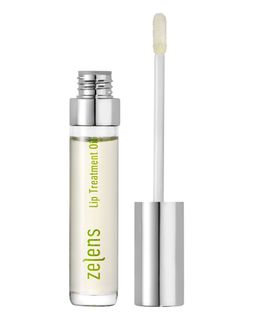
"Zelens - Lip Oil" is a well-rounded moisturizing product. The formulation is based on a combination of good humectants and emollients. Both are needed to increase the skin hydration level. Humectants in this product (glycine, hyaluronic acid and saccharomyces cerevisiae extract) help to increase the water content in the upper layer of the skin. (These ingredients do so by "capturing" water molecules from the outside air or from within the deeper layers of the skin). Emollients in this formulation (palmitoyl tripeptide-1, argania spinosa kernel oil, astrocaryum murumuru seed butter, beta-sitosterol and ribes nigrum seed oil) help to reduce the moisture loss from the skin. They also soften the skin surface and relieve the feeling of dryness and tightness.
Ingredient callouts
- This moistruizer also contains peptides (palmitoyl tripeptide-1 0.15% - 0.55%). Peptides is a very big group of ingredients. They all consist of a different combination of amino-acids. Our skin produces peptides naturally. Some of them work as natural anti-biotics, promote wound-healing and production of collagen. The scientists are still studying how effective the topical application of peptides is, but it is very likely that peptides in skincare are helpful. They might be able to support skin barrier restoration and even have an anti-aging benefit. At the very least, they certainly help attract water to the skin and support the hydration in this way.
Irritation risk
It contains some common irritants, including those without a benefit for the skin. We assess the overall irritancy of this lip sunscreen to be high. For a detailed overview of all potential irritants: click here
You can see the detailed formula review with the breakdown of all actives in the product and the full ingredient list with estimated concentrations in the tables below.
Price
The product retails for 32.50$ in the United States, from 46.80CA$ up to 70.80CA$ in Canada, from 32.00£ up to 40.00£ in the United Kingdom and for 48.00A$ in Australia.
For a detailed price comparison: click here.
Sources cited in this review
Every concentration estimate and effectiveness label is anchored to one of these 15 studies and safety reviews.
- 1
- 2
- 3
- 4
- 5Vitamin E in dermatologyncbi.nlm.nih.gov
- 6Vitamin E and Skin Healthlpi.oregonstate.edu

Affiliate links · As an Amazon Associate, WIMJ earns from qualifying purchases.