Works for:
based on ingredients and %- Moisturizing
- Anti-aging
Can it cause trouble?
- Irritation risk: high
- Comedogenic risk ingredients: 5
Key actives
Product Summary
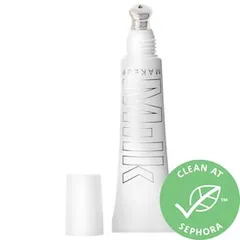
"MILK MAKEUP - KUSH Lip Glaze" has a good moisturizing formula. To work well, any moisturizer needs to include a combination of water-binding and emollient ingredients. MILK MAKEUP - KUSH Lip Glaze ticks this box. Humectants in this product (sodium hyaluronate, butylene glycol and caprylyl glycol) help to increase the water content in the upper layer of the skin. (These ingredients do so by "capturing" water molecules from the outside air or from within the deeper layers of the skin). Emollients in this formulation (palmitoyl tripeptide-1, cannabis sativa seed extract, cannabis sativa seed oil, carthamus tinctorius seed oil and persea gratissima oil) help to reduce the moisture loss from the skin. They also soften the skin surface and relieve the feeling of dryness and tightness.
Ingredient callouts
- This moistruizer also contains peptides (palmitoyl tripeptide-1 0.50% - 0.75%). Peptides is a very big group of ingredients. They all consist of a different combination of amino-acids. Our skin produces peptides naturally. Some of them work as natural anti-biotics, promote wound-healing and production of collagen. The scientists are still studying how effective the topical application of peptides is, but it is very likely that peptides in skincare are helpful. They might be able to support skin barrier restoration and even have an anti-aging benefit. At the very least, they certainly help attract water to the skin and support the hydration in this way.
Irritation risk
There are quite a few common irritants in this product, including ingredients without particular skin benefits. We would not recommend it for sensitive skin. We assess the overall irritancy of this lip sunscreen to be high. For a detailed overview of all potential irritants: click here
You can see the detailed formula review with the breakdown of all actives in the product and the full ingredient list with estimated concentrations in the tables below.
About the brand
According to Cruelty-Free Kitty "MILK MAKEUP" is cruelty free and so is its parent company.
Price
The product retails for 60.85CA$ in Canada and for 14.00£ in the United Kingdom.
For a detailed price comparison: click here.
Works for
Moisturizing
What does the product description say?
Shea, cocoa and mango butters amp up the moisture, instantly absorbing in to skin and improving texture, while antioxidant-packed jojoba and olive oils grace your lips with their anti-inflammatory, free radical-fighting powers.
Source: Cultbeauty
This product can help improve hydration of the skin with the two types of ingredients.
The first type is called “humectants”:
these ingredients help attract water.
When humectants are on the surface of the skin, they “pull in” the moisture from the outside environment, or from
within deeper layers of the skin. The following ingredients in this product do the job:
sodium hyaluronate, butylene glycol.
This product also contains ingredients called “occlusives”. They help reduce the speed with which our skin loses moisture to the outside environment. These ingredients also help soften the upper layer of the skin, so it feels less tight and nicer to the touch. The following ingredients in this product do the job: bis-diglyceryl polyacyladipate-2, butyrospermum parkii butter.
The following ingredients in this product are especially good for supporting the skin barrier and helping with the hydration level: palmitoyl tripeptide-1
Helps soften the upper layer of the skin and reduce water loss from its surface
A type of peptide. Peptides are excellent moisturizers and might be able support collagen production reducing fine lines and wrinkles
Helps to soften the upper layer of the skin and might have some anti-oxidant effect
A plant oil that due to its high linoleic acid content can help strengthen skin's barrier function and soften its upper layer
A good mix of fatty acids that forms a protective layer on the skin. Improves the shelf life of products. Derived from coconut and glycerin
An oil naturally present in skin. Works as an emollient to soften the skin and form a protective layer on its surface without a greasy feeling.
An emollient that helps soften the skin and might help calm down inflammation
One of the best moisturizing ingredients. Attracts water into the upper layer of the skin
An emollient. Found to be as effective as a moisturizer for dry skin as mineral oil. Could be comedogenic
Helps to soften the upper layer of the skin and create a nice product consistency
Softens the upper layer of skin and helps restore the healthy skin barrier. Has shown to help calm down inflammation in skin. It is a stable oil, meaning that it retains its properties even when exposed to air.
Helps soften the upper layer of the skin and can be helpful in restoring the skin barrier function. Might have some anti-oxidant effect
A great moisturising ingredient that softens the skin and reduces water loss from its upper layer. It also can be helpful in protecting skin from free radicals
A great emollient due to its high linoleic acid content. One of the most effective plant oils in helping skin hydration and repairing skin barrier function
An emollient that helps soften the skin and could be helpful in repairing its barrier function
An oil from a mixture of different vegetables. Helps soften the upper layer of the skin
Helps to soften the upper layer of the skin
An emollient that helps soften the skin and create a nice product texture
An emollient that helps soften the skin but is not effective for restoring its barrier function. Might be helpful to calm down inflammation
Helps soften the upper layer of the skin
An emollient that helps to soften the skin and create a pleasant product texture and stabilize the formulation
Used to create a thicker product consistency and soften the upper layer of the skin
A type of silicone that helps water and oil mix together. Can help to soften upper layer of the skin
Helps preserve products and creates a nice product texture
A plant extract that adds a sweat taste to products (for example, for lip products). Might help to attract water to the upper layer of the skin and have some anti-oxidant effect
Used to create a nice product texture and help delivery of other ingredients. Might be somewhat helpful in attracting water to the upper layer of the skin
Used to improve the product consistency and soften the upper layer of the skin
Helps improve the product texture and soften the upper layer of the skin
Is used to dissolve other ingredients and create nice product texture
An exfoliating and moisturizing alpha-hydroxy acid (AHA). Typically causes less irritation than other AHAs, for example, glycolic acid. At high concentrations (about 15%), lactic acid can help reduce lines and wrinkles. Recent studies show that lactic acid can support the "good" bacteria living on skin's surface (healthy skin microbiome)
Pure form of vitamin E. Can help moisturise and protect the skin from free radicals. Often used to help stabilise other ingredients or the formula itself
Used mostly for creating emulsions - helping oil and water mix together. Helps soften the upper layer of the skin
Anti-aging
This product contains palmitoyl tripeptide-1. This ingredient might be able to help reduce and prevent fine lines and wrinkles, improve skin elasticity and firmness, but there is not enough evidence that it actually works.
A type of peptide. Peptides are excellent moisturizers and might be able support collagen production reducing fine lines and wrinkles
A great moisturising ingredient that softens the skin and reduces water loss from its upper layer. It also can be helpful in protecting skin from free radicals
An exfoliating and moisturizing alpha-hydroxy acid (AHA). Typically causes less irritation than other AHAs, for example, glycolic acid. At high concentrations (about 15%), lactic acid can help reduce lines and wrinkles. Recent studies show that lactic acid can support the "good" bacteria living on skin's surface (healthy skin microbiome)
Pure form of vitamin E. Can help moisturise and protect the skin from free radicals. Often used to help stabilise other ingredients or the formula itself
How honest is this product?
| Promise | Can it deliver? |
|---|---|
| Moisturizing |
Total Promises Fulfilled score: 100/100.
We receive a small commission for purchases made through these links at no cost for you. Thank you for your support! Learn more
Affiliate link · supports WIMJ at no cost to you
Potential irritants
Comedogenic ingredients
User reviews (0)
Averages from community submissions.
No reviews yet for this product.
Be the first to share your experience!
Tried this product?
Help capture what the ingredient list can't—texture, finish, pilling, scent, and more. Answer what you can, skip the rest.
Takes ~30 seconds.
Reviews are shown in aggregate. No personal details.
Key Actives
An exfoliating and moisturizing alpha-hydroxy acid (AHA). Typically causes less irritation than other AHAs, for example, glycolic acid. At high concentrations (about 15%), lactic acid can help reduce lines and wrinkles. Recent studies show that lactic acid can support the "good" bacteria living on skin's surface (healthy skin microbiome)
Pure form of vitamin E. Can help moisturise and protect the skin from free radicals. Often used to help stabilise other ingredients or the formula itself
A great moisturising ingredient that softens the skin and reduces water loss from its upper layer. It also can be helpful in protecting skin from free radicals
Helps soften the upper layer of the skin and can be helpful in restoring the skin barrier function. Might have some anti-oxidant effect
Helps to soften the upper layer of the skin and might have some anti-oxidant effect
An emollient that helps soften the skin and might help calm down inflammation
A type of peptide. Peptides are excellent moisturizers and might be able support collagen production reducing fine lines and wrinkles
An oil naturally present in skin. Works as an emollient to soften the skin and form a protective layer on its surface without a greasy feeling.
Helps soften the upper layer of the skin and reduce water loss from its surface
A good mix of fatty acids that forms a protective layer on the skin. Improves the shelf life of products. Derived from coconut and glycerin
Softens the upper layer of skin and helps restore the healthy skin barrier. Has shown to help calm down inflammation in skin. It is a stable oil, meaning that it retains its properties even when exposed to air.
Helps to soften the upper layer of the skin and create a nice product consistency
An emollient that helps soften the skin and could be helpful in repairing its barrier function
A plant oil that due to its high linoleic acid content can help strengthen skin's barrier function and soften its upper layer
An emollient. Found to be as effective as a moisturizer for dry skin as mineral oil. Could be comedogenic
A great emollient due to its high linoleic acid content. One of the most effective plant oils in helping skin hydration and repairing skin barrier function
One of the best moisturizing ingredients. Attracts water into the upper layer of the skin
Potential irritants
An aromatic blend of unspecified and possibly irritating ingredients
A common frangrance that can easily irritate skin, especially if exposed to air, light or heat
A good mix of fatty acids that forms a protective layer on the skin. Improves the shelf life of products. Derived from coconut and glycerin
Softens the upper layer of skin and helps restore the healthy skin barrier. Has shown to help calm down inflammation in skin. It is a stable oil, meaning that it retains its properties even when exposed to air.
Used to create a thicker product consistency and stabilize the formulation
An emollient that helps soften the skin and could be helpful in repairing its barrier function
Helps improve the product texture and soften the upper layer of the skin
Helps improve the product texture and soften the upper layer of the skin
A plant oil that due to its high linoleic acid content can help strengthen skin's barrier function and soften its upper layer
A plant extract that adds a sweat taste to products (for example, for lip products). Might help to attract water to the upper layer of the skin and have some anti-oxidant effect
An emollient that helps soften the skin but is not effective for restoring its barrier function. Might be helpful to calm down inflammation
A more stable but less bio-available form of vitamin E compared to Tocopherol. Might help moisturize and protect the skin from free radicals, but mostly used in low concentrations to stabilize other ingredients.
An exfoliating and moisturizing alpha-hydroxy acid (AHA). Typically causes less irritation than other AHAs, for example, glycolic acid. At high concentrations (about 15%), lactic acid can help reduce lines and wrinkles. Recent studies show that lactic acid can support the "good" bacteria living on skin's surface (healthy skin microbiome)
Helps preserve products and creates a nice product texture
Comedogenic ingredients
A great moisturising ingredient that softens the skin and reduces water loss from its upper layer. It also can be helpful in protecting skin from free radicals
An oil from a mixture of different vegetables. Helps soften the upper layer of the skin
An emollient that helps soften the skin and create a nice product texture
An emollient. Found to be as effective as a moisturizer for dry skin as mineral oil. Could be comedogenic
Helps soften the upper layer of the skin and can be helpful in restoring the skin barrier function. Might have some anti-oxidant effect
All ingredients
Used to improve the product consistency and soften the upper layer of the skin
An oil naturally present in skin. Works as an emollient to soften the skin and form a protective layer on its surface without a greasy feeling.
Helps soften the upper layer of the skin and reduce water loss from its surface
A good mix of fatty acids that forms a protective layer on the skin. Improves the shelf life of products. Derived from coconut and glycerin
Softens the upper layer of skin and helps restore the healthy skin barrier. Has shown to help calm down inflammation in skin. It is a stable oil, meaning that it retains its properties even when exposed to air.
Used to create a thicker product consistency and stabilize the formulation
A great moisturising ingredient that softens the skin and reduces water loss from its upper layer. It also can be helpful in protecting skin from free radicals
Helps to soften the upper layer of the skin and create a nice product consistency
An emollient that helps to soften the skin and create a pleasant product texture and stabilize the formulation
An oil from a mixture of different vegetables. Helps soften the upper layer of the skin
An emollient that helps soften the skin and could be helpful in repairing its barrier function
A type of silicone that helps water and oil mix together. Can help to soften upper layer of the skin
Used to create a thicker product consistency
An aromatic blend of unspecified and possibly irritating ingredients
Helps improve the product texture and soften the upper layer of the skin
Helps improve the product texture and soften the upper layer of the skin
A plant oil that due to its high linoleic acid content can help strengthen skin's barrier function and soften its upper layer
Used mostly for creating emulsions - helping oil and water mix together. Helps soften the upper layer of the skin
A plant extract that adds a sweat taste to products (for example, for lip products). Might help to attract water to the upper layer of the skin and have some anti-oxidant effect
Used to create a gel-like product texture
An emollient that helps soften the skin and create a nice product texture
Is used to dissolve other ingredients and create nice product texture
An emollient. Found to be as effective as a moisturizer for dry skin as mineral oil. Could be comedogenic
Helps to soften the upper layer of the skin and might have some anti-oxidant effect
An emollient that helps soften the skin but is not effective for restoring its barrier function. Might be helpful to calm down inflammation
Helps soften the upper layer of the skin and can be helpful in restoring the skin barrier function. Might have some anti-oxidant effect
Used to increase stability of product formulations
A great emollient due to its high linoleic acid content. One of the most effective plant oils in helping skin hydration and repairing skin barrier function
An emollient that helps soften the skin and might help calm down inflammation
Used to create a thicker product consistency and soften the upper layer of the skin
A more stable but less bio-available form of vitamin E compared to Tocopherol. Might help moisturize and protect the skin from free radicals, but mostly used in low concentrations to stabilize other ingredients.
Used to create a nice product texture and help delivery of other ingredients. Might be somewhat helpful in attracting water to the upper layer of the skin
An exfoliating and moisturizing alpha-hydroxy acid (AHA). Typically causes less irritation than other AHAs, for example, glycolic acid. At high concentrations (about 15%), lactic acid can help reduce lines and wrinkles. Recent studies show that lactic acid can support the "good" bacteria living on skin's surface (healthy skin microbiome)
Helps preserve products and creates a nice product texture
A preservative. It helps prevent bacterial growth in cosmetic products
One of the best moisturizing ingredients. Attracts water into the upper layer of the skin
A type of peptide. Peptides are excellent moisturizers and might be able support collagen production reducing fine lines and wrinkles
Pure form of vitamin E. Can help moisturise and protect the skin from free radicals. Often used to help stabilise other ingredients or the formula itself
A common frangrance that can easily irritate skin, especially if exposed to air, light or heat
Creates an illusion of smoother and more radiant skin tone. Adds shimmer to the skin by reflecting light
An umbrella term for the following three colorants: CI 77491, CI 77492, CI 77499. They might be able to offer some protection against visible light, but the degree of the protection is not clear
Ingredient list view
Hydrogenated polyisobutene, Squalane, Euphorbia cerifera wax, Bis-diglyceryl polyacyladipate-2, Caprylic/capric triglyceride, Simmondsia chinensis seed oil, Diisostearyl malate, Lauryl laurate, Polyhydroxystearic acid, Butyrospermum parkii butter, Copernicia cerifera wax, Octyldodecanol, Dextrin myristate, Hydrogenated vegetable oil, Persea gratissima oil, Cetyl peg/ppg-10/1 dimethicone, Ethylene/propylene/styrene copolymer, Ethylenediamine/hydrogenated dimer dilinoleate copolymer bis-di-c14-18 alkyl amide, Parfum, Dibutyl lauroyl glutamide, Silica, Mentha piperita oil, Butylene glycol cocoate, Dibutyl ethylhexanoyl glutamide, Cannabis sativa seed oil, Lecithin, Stevia rebaudiana extract, Butylene/ethylene/styrene copolymer, Stearalkonium bentonite, Ethylhexyl palmitate, Propylene carbonate, Cannabis sativa seed extract, Cocos nucifera oil, Mangifera indica seed butter, Olea europaea fruit oil, Theobroma cacao seed butter, Moringa oil/hydrogenated moringa oil esters, Pentaerythrityl tetra-di-t-butyl hydroxyhydrocinnamate, Helianthus annuus seed oil, Carthamus tinctorius seed oil, Agave tequilana leaf extract, Daemonorops draco extract, Tribehenin, Sorbitan isostearate, Silica dimethyl silylate, Tocopheryl acetate, Butylene glycol, Lactic acid, Caprylyl glycol, Phenoxyethanol, Sodium hyaluronate, Hexylene glycol, Palmitoyl tripeptide-1, Tocopherol, Citral, Limonene, Linalool, Mica, Iron oxides, Ci 77492, Ci 77499, Ci 19140, Blue 1 lake, Ci 42090
- Final report of the cosmetic ingredient review expert panel on the safety assessment of Polyisobutene and Hydrogenated Polyisobutene as used in cosmetics
- Safety assessment of bis-diglyceryl polyacyladipate-2 and bis-diglyceryl polyacyladipate-1 as used in cosmetics
- Hemp (Cannabis sativa L.) seed oil: Analytical and phytochemical characterization of unsaponifiable fraction
- Hemp (Cannabis sativa L.) as a Resource for Green Cosmetics
- Stevia Rebaudiana Bert. Leaf Extracts as a Multifunctional Source of Natural Antioxidants
- Safety Assessment of Styrene and Vinyl-type Styrene Copolymers as Used in Cosmetics
- Extraction and Characteristics of Seed Kernel Oil from Mango
- Promising features of mango (Mangifera indica L.) kernel oil: a review
- Evaluation of the fatty acid composition of the seeds of Mangifera indica L. and their application
- Use of “natural” oils for moisturization: Review of olive, coconut, and sunflower seed oil
- Cocoa polyphenols and their influence on parameters involved in ex vivo skin restructuring
- Safety Assessment of Pentaerythrityl Tetra-Di-t-Butyl Hydroxyhydrocinnamate as Used in Cosmetics
- Effect of Olive and Sunflower Seed Oil on the Adult Skin Barrier: Implications for Neonatal Skin Care
- Topically Applied Sunflower Seed Oil Prevents Invasive Bacterial Infections in Preterm Infants in Egypt
- Effect of topically applied lipids on surfactant-irritated skin
- Impact of topical oils on the skin barrier: possible implications for neonatal health in developing countries
- Epidermal and dermal effects of topical lactic acid
- Dual Effects of Alpha-Hydroxy Acids on the Skin
- Hyaluronic acid: A key molecule in skin aging
- Hyaluronan (Hyaluronic Acid): a natural moisturizer for skin care
- Vitamin E in dermatology
- Vitamin E and Skin Health
- Analysis of Dyes in Cosmetics: Challenges and Recent Developments