Works for:
based on ingredients and %- Moisturizing
- Anti-aging
- Anti-oxidation
Can it cause trouble?
- Irritation risk: high
- Comedogenic risk ingredients: 1
Key actives
Product Summary
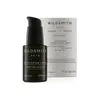
"Wildsmith Skin - Active Repair Copper Peptide Serum" could be helpful for: Moisturizing and Anti-aging, but its actives are not the most effective or are not well-studied.
Ingredient callouts
- Humectants (hydrolyzed hyaluronic acid 0.20% - 0.40%, glycine 0.20% - 0.40%, sucrose 0.20% - 0.35% and glycerin 3.00% - 3.60%). These ingredients help attract water to the upper layer of the skin and improve the skin hydration.
Price
The product retails for 100.00£ in the United Kingdom.
For a detailed price comparison: click here.
Works for
Anti-oxidation
This product contains antioxidants (ubiquinone) that can help neutralize free radicals in skin. By doing so, they can lessen the damage the skin gets from the UV light (sun).
Coenzyme Q10. It helps neutralize free radicals in skin, improves skin hydration and might be helpful agains fine lines and wrinkles. It can be an allergen
A plant oil with a high content of linoleic acid that helps soften the upper layer of the skin and helps strengthen the skin barrier. It is an excellent moisturizer. Might have an anti-oxidant effect
A great emollient that can also have anti-oxidant properties
An emollient that helps soften the skin and might help calm down inflammation
Helps attract water to the upper layer of the skin. Might have some anti-aging, anti-oxidant, and skin lightening properties, but solid evidence is missing
A plant extract that has some anti-oxidant and anti-bacterial properties. Can be irritating
Pure form of vitamin E. Can help moisturise and protect the skin from free radicals. Often used to help stabilise other ingredients or the formula itself
A stable derivative of vitamin C. It is oil-soluble which means it is more likely to penetrate the skin compared to the pure form of vitamin C (which is water-soluble), but it is less bio-available and is way less effective in stimulating collagen and reducing wrinkles compared to the pure form of vitamin C (L-ascorbic acid) and its other derivatives (for example, magnesium ascorbyl phosphate). At the same time, this vitamin C derivative has been shown in studies to be effective in reducing acne, blemishes and clogged pores. It is less irritating then the pure form of vitamin C
An essential oil that is used as a fragrance and can be irritating. It might have some anti-oxidant effect in skin
Anti-aging
What does the product description say?
Clinically proven to address slackness, sagging, lines and wrinkles, Copper Peptides helps increase wound healing and promote firmer skin with improved contouring and greater density.
Source: Face the future
This product contains ubiquinone. This ingredient help neutralize free radicals in skin. By doing so, they might be able to prevent early signs of aging (like fine lines and wrinkles), at least to some extent. These ingredients will not be able to "reverse" signs of aging.
Coenzyme Q10. It helps neutralize free radicals in skin, improves skin hydration and might be helpful agains fine lines and wrinkles. It can be an allergen
Traditionally used to treat sunburns, dermatitis and inflammation, but evidence for its effectiveness is lacking. The extract can contain humectants that help attract water into the skin
A stable derivative of vitamin C. It is oil-soluble which means it is more likely to penetrate the skin compared to the pure form of vitamin C (which is water-soluble), but it is less bio-available and is way less effective in stimulating collagen and reducing wrinkles compared to the pure form of vitamin C (L-ascorbic acid) and its other derivatives (for example, magnesium ascorbyl phosphate). At the same time, this vitamin C derivative has been shown in studies to be effective in reducing acne, blemishes and clogged pores. It is less irritating then the pure form of vitamin C
Pure form of vitamin E. Can help moisturise and protect the skin from free radicals. Often used to help stabilise other ingredients or the formula itself
Moisturizing
What does the product description say?
Our Active Repair Copper Peptide Serum also contains hyaluronic acid to hold an impressive 1000 times its weight in moisture, aiding to plump up the appearance of wrinkles.
Source: Face the future
This product can help improve hydration of the skin with the two types of ingredients.
The first type is called “humectants”:
these ingredients help attract water.
When humectants are on the surface of the skin, they “pull in” the moisture from the outside environment, or from
within deeper layers of the skin. The following ingredients in this product do the job:
glycerin, glycine.
This product also contains ingredients called “occlusives”. They help reduce the speed with which our skin loses moisture to the outside environment. These ingredients also help soften the upper layer of the skin, so it feels less tight and nicer to the touch. The following ingredients in this product do the job: caprylic/capric triglyceride, cocos nucifera oil.
Helps soften the upper layer of the skin and might have some anti-oxidant properties
An emollient that helps soften the skin and might help calm down inflammation
A plant oil with a high content of linoleic acid that helps soften the upper layer of the skin and helps strengthen the skin barrier. It is an excellent moisturizer. Might have an anti-oxidant effect
An emollient. Found to be as effective as a moisturizer for dry skin as mineral oil. Could be comedogenic
One of the best moisturizing ingredients. Naturally present in skin. It attracts water to the upper layer of the skin working as a humectant
Helps to attract water to the upper layer of the skin and can help restore the skin barrier function
A great emollient due to its high linoleic acid content. One of the most effective plant oils in helping skin hydration and repairing skin barrier function
One of the best moisturizing ingredients. Attracts water into the upper layer of the skin. A version of it is naturally present in skin
A plant oil that helps soften the upper layer of the skin and can support skin's barrier function due to its high content of linoleic acid. It also has anti-microbial properties
Helps soften the upper layer of the skin
Can help attract water to the upper layer of the skin. In crystal form, it can work as a gentle exfoliant, gentler than the salt scrub. Helps stabilize the emulsion
Coenzyme Q10. It helps neutralize free radicals in skin, improves skin hydration and might be helpful agains fine lines and wrinkles. It can be an allergen
A great emollient that can also have anti-oxidant properties
A good mix of fatty acids that forms a protective layer on the skin. Improves the shelf life of products. Derived from coconut and glycerin
A plant oil that helps soften the upper layer of the skin
Helps soften the upper layer of the skin
Helps attract water to the upper layer of the skin. Might have some anti-aging, anti-oxidant, and skin lightening properties, but solid evidence is missing
An emollient that softens the skin and forms a protective layer on its surface. Helps water and oil mix together
Helps attract water to the upper layer of the skin and improves the product texture
Traditionally used to treat sunburns, dermatitis and inflammation, but evidence for its effectiveness is lacking. The extract can contain humectants that help attract water into the skin
Helps attract water to the upper layer of the skin and can help improve skin barrier function
Pure form of vitamin E. Can help moisturise and protect the skin from free radicals. Often used to help stabilise other ingredients or the formula itself
How honest is this product?
| Promise | Can it deliver? |
|---|---|
| Anti-aging | |
| Moisturizing |
Total Promises Fulfilled score: 75/100.
We receive a small commission for purchases made through these links at no cost for you. Thank you for your support! Learn more
Affiliate link · supports WIMJ at no cost to you
Potential irritants
Comedogenic ingredients
User reviews (0)
Averages from community submissions.
No reviews yet for this product.
Be the first to share your experience!
Tried this product?
Help capture what the ingredient list can't—texture, finish, pilling, scent, and more. Answer what you can, skip the rest.
Takes ~30 seconds.
Reviews are shown in aggregate. No personal details.
Key Actives
Pure form of vitamin E. Can help moisturise and protect the skin from free radicals. Often used to help stabilise other ingredients or the formula itself
Coenzyme Q10. It helps neutralize free radicals in skin, improves skin hydration and might be helpful agains fine lines and wrinkles. It can be an allergen
Helps attract water to the upper layer of the skin and can help improve skin barrier function
A great emollient that can also have anti-oxidant properties
A plant oil with a high content of linoleic acid that helps soften the upper layer of the skin and helps strengthen the skin barrier. It is an excellent moisturizer. Might have an anti-oxidant effect
An emollient that helps soften the skin and might help calm down inflammation
Helps soften the upper layer of the skin
One of the best moisturizing ingredients. Naturally present in skin. It attracts water to the upper layer of the skin working as a humectant
An emollient. Found to be as effective as a moisturizer for dry skin as mineral oil. Could be comedogenic
A good mix of fatty acids that forms a protective layer on the skin. Improves the shelf life of products. Derived from coconut and glycerin
A great emollient due to its high linoleic acid content. One of the most effective plant oils in helping skin hydration and repairing skin barrier function
A plant oil that helps soften the upper layer of the skin and can support skin's barrier function due to its high content of linoleic acid. It also has anti-microbial properties
Helps soften the upper layer of the skin and might have some anti-oxidant properties
Can help attract water to the upper layer of the skin. In crystal form, it can work as a gentle exfoliant, gentler than the salt scrub. Helps stabilize the emulsion
Helps to attract water to the upper layer of the skin and can help restore the skin barrier function
One of the best moisturizing ingredients. Attracts water into the upper layer of the skin. A version of it is naturally present in skin
Potential irritants
A plant extract that has some anti-oxidant and anti-bacterial properties. Can be irritating
A plant extract that might have anti-oxidant properties. Can be irritating
A fragrant plant oil, can be irritating
An essential oil that is used as a fragrance and can be irritating. It might have some anti-oxidant effect in skin
A common frangrance that can easily irritate skin, especially if exposed to air, light or heat
Traditionally used to treat sunburns, dermatitis and inflammation, but evidence for its effectiveness is lacking. The extract can contain humectants that help attract water into the skin
A good mix of fatty acids that forms a protective layer on the skin. Improves the shelf life of products. Derived from coconut and glycerin
A great emollient that can also have anti-oxidant properties
A plant oil that helps soften the upper layer of the skin and can support skin's barrier function due to its high content of linoleic acid. It also has anti-microbial properties
A stable derivative of vitamin C. It is oil-soluble which means it is more likely to penetrate the skin compared to the pure form of vitamin C (which is water-soluble), but it is less bio-available and is way less effective in stimulating collagen and reducing wrinkles compared to the pure form of vitamin C (L-ascorbic acid) and its other derivatives (for example, magnesium ascorbyl phosphate). At the same time, this vitamin C derivative has been shown in studies to be effective in reducing acne, blemishes and clogged pores. It is less irritating then the pure form of vitamin C
Can work as an exfoliant but is typically used to adjust the product pH
Comedogenic ingredients
An emollient. Found to be as effective as a moisturizer for dry skin as mineral oil. Could be comedogenic
All ingredients
Traditionally used to treat sunburns, dermatitis and inflammation, but evidence for its effectiveness is lacking. The extract can contain humectants that help attract water into the skin
One of the best moisturizing ingredients. Naturally present in skin. It attracts water to the upper layer of the skin working as a humectant
An emollient. Found to be as effective as a moisturizer for dry skin as mineral oil. Could be comedogenic
An emollient that softens the skin and forms a protective layer on its surface. Helps water and oil mix together
A good mix of fatty acids that forms a protective layer on the skin. Improves the shelf life of products. Derived from coconut and glycerin
A great emollient that can also have anti-oxidant properties
A plant extract that has some anti-oxidant and anti-bacterial properties. Can be irritating
A great emollient due to its high linoleic acid content. One of the most effective plant oils in helping skin hydration and repairing skin barrier function
A plant oil that helps soften the upper layer of the skin and can support skin's barrier function due to its high content of linoleic acid. It also has anti-microbial properties
A plant oil with a high content of linoleic acid that helps soften the upper layer of the skin and helps strengthen the skin barrier. It is an excellent moisturizer. Might have an anti-oxidant effect
A plant oil that helps soften the upper layer of the skin
Helps soften the upper layer of the skin and might have some anti-oxidant properties
A plant extract that might have anti-oxidant properties. Can be irritating
An emollient that helps soften the skin and might help calm down inflammation
Used to create thicker product consistency and stabilize emulsions
Can help attract water to the upper layer of the skin. In crystal form, it can work as a gentle exfoliant, gentler than the salt scrub. Helps stabilize the emulsion
Pure form of vitamin E. Can help moisturise and protect the skin from free radicals. Often used to help stabilise other ingredients or the formula itself
Helps to attract water to the upper layer of the skin and can help restore the skin barrier function
Helps attract water to the upper layer of the skin and improves the product texture
Helps attract water to the upper layer of the skin. Might have some anti-aging, anti-oxidant, and skin lightening properties, but solid evidence is missing
One of the best moisturizing ingredients. Attracts water into the upper layer of the skin. A version of it is naturally present in skin
A fragrant plant oil, can be irritating
An essential oil that is used as a fragrance and can be irritating. It might have some anti-oxidant effect in skin
A stable derivative of vitamin C. It is oil-soluble which means it is more likely to penetrate the skin compared to the pure form of vitamin C (which is water-soluble), but it is less bio-available and is way less effective in stimulating collagen and reducing wrinkles compared to the pure form of vitamin C (L-ascorbic acid) and its other derivatives (for example, magnesium ascorbyl phosphate). At the same time, this vitamin C derivative has been shown in studies to be effective in reducing acne, blemishes and clogged pores. It is less irritating then the pure form of vitamin C
Coenzyme Q10. It helps neutralize free radicals in skin, improves skin hydration and might be helpful agains fine lines and wrinkles. It can be an allergen
Can work as an exfoliant but is typically used to adjust the product pH
Helps attract water to the upper layer of the skin and can help improve skin barrier function
A common frangrance that can easily irritate skin, especially if exposed to air, light or heat
Ingredient list view
Water, Aloe barbadensis leaf juice, Prunus amygdalus dulcis seed, Glycerin, Unknown, Cocos nucifera oil, Polyglyceryl-6 stearate, Glyceryl stearate, Caprylic/capric triglyceride, Microcrystalline cellulose, Hypoxis hemerocallidea bulb extract, Vitis vinifera oil, Calendula officinalis flower extract, Helianthus annuus seed oil, Opuntia ficus-indica seed oil, Schinziophyton rautanenii kernel oil, Caryodendron orinocense seed oil, Pongamia glabra seed oil, Oryza sativa bran oil, Equisetum arvense extract, Carthamus tinctorius seed oil, Spilanthes acmella flower/leaf/stem extract, Astragalus membranaceus root extract, Cellulose gum, Xanthan gum, Sucrose, Unknown, Tocopherol, Glycine, Sorbitol, Hydrolyzed soy protein, Bis(tripeptide-1) copper acetate, Hydrolyzed hyaluronic acid, Angelica archangelica root oil, Boswellia carterii gum oil, Pelargonium roseum leaf oil, Lavandula angustifolia flower oil, Salvia officinalis leaf oil, Mentha viridis leaf oil, Juniperus virginiana wood oil, Anthemis nobilis flower oil, Polyglyceryl-6 behenate, Sodium ascorbyl phosphate, Disodium acetyl glucosamine phosphate, Sodium glucuronate, Magnesium sulfate, Ubiquinone, Hydroxyacetophenone, Citric acid, Sodium benzoate, Potassium sorbate, Panthenol, Limonene, Linalool, Geraniol, Citral, Citronellol
- Glycerol and the skin: holistic approach to its origin and functions
- Topical application of Calendula officinalis (L.): Formulation and evaluation of hydrophilic cream with antioxidant activity
- The seamy side of natural medicines: contact sensitization to arnica (Arnica montana L.) and marigold (Calendula officinalis L.)
- Final report on the safety assessment of Calendula officinalis extract and Calendula officinalis
- Contact dermatitis as an adverse reaction to some topically used European herbal medicinal products – part 1: Achillea millefolium–Curcuma longa
- Effect of Olive and Sunflower Seed Oil on the Adult Skin Barrier: Implications for Neonatal Skin Care
- Topically Applied Sunflower Seed Oil Prevents Invasive Bacterial Infections in Preterm Infants in Egypt
- Effect of topically applied lipids on surfactant-irritated skin
- Impact of topical oils on the skin barrier: possible implications for neonatal health in developing countries
- The Antimicrobial and Wound Healing Potential of Opuntia ficus indica L. inermis Extracted Oil from Tunisia
- Allergic contact dermatitis due to Opuntia ficus‐indica var. saboten
- Chemical characterization and antioxidant activity of Amazonian (Ecuador) Caryodendron orinocense Karst. and Bactris gasipaes Kunth seed oils
- Chemical and nutritional evaluation ofPongamia glabra oil andAcacia auriculaeformis oil
- Study on the Composition of Rice Bran Oil and Its Higher Free Fatty Acids Value
- Vitamin E in dermatology
- Vitamin E and Skin Health
- Effect of Topical Application of Glycine and Proline on Recalcitrant Leg Ulcers of Prolidase Deficiency
- Functional glycine receptor in cultured human keratinocytes
- Extracts from Glycine max (soybean) induce elastin synthesis and inhibit elastase activity
- Dermatological and cosmeceutical benefits of Glycine max (soybean) and its active components
- Safety Assessment of Soy Peptides as Used in Cosmetics
- Efficacy of a New Topical Nano-hyaluronic Acid in Humans
- Physiochemical properties and application of hyaluronic acid: a systematic review
- Safety Assessment of Anthemis nobilis– Derived Ingredients as Used in Cosmetics
- Sodium ascorbyl phosphate shows in vitro and in vivo efficacy in the prevention and treatment of acne vulgaris
- Sodium ascorbyl phosphate in topical microemulsions
- Final report of the safety assessment of L-Ascorbic Acid, Calcium Ascorbate, Magnesium Ascorbate, Magnesium Ascorbyl Phosphate, Sodium Ascorbate, and Sodium Ascorbyl Phosphate as used in cosmetics
- Regulation of collagen synthesis in human dermal fibroblasts by the sodium and magnesium salts of ascorbyl-2-phosphate
- Comparison of clinical efficacies of sodium ascorbyl phosphate, retinol and their combination in acne treatment
- Application of l-ascorbic acid and its derivatives (sodium ascorbyl phosphate and magnesium ascorbyl phosphate) in topical cosmetic formulations: stability studies
- Sodium L-ascorbyl-2-phosphate 5% lotion for the treatment of acne vulgaris: a randomized, double-blind, controlled trial
- Safety Assessment of Magnesium Sulfate as Used in Cosmetics
- Skin moisturizing effects of panthenol-based formulations
- Safety Assessment of Panthenol, Pantothenic Acid, and Derivatives as Used in Cosmetics
- Annex I: Clinical evidence regarding sensitisation to individual fragrance chemicals and to natural extracts