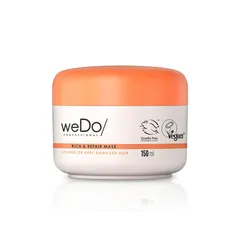
Doesn't work for:
based on ingredients and %- Moisturizing
Can it cause trouble?
- Irritation risk: medium
- Comedogenic risk ingredients: 0
Key actives
Product Summary
Price
The product retails from 4.73£ up to 21.95£ in the United Kingdom.
For a detailed price comparison: click here.
Does not work for
Moisturizing
What does the product description say?
What’s more, the formula is saturated with Cupuacu Butter, a natural emollient.
Source: Mankind
Does not contain the most effective ingredients for moisturization. The emollients (cetyl alcohol, hydrogenated ethylhexyl olivate) can help soften the upper layer of the skin. Keep in mind though that this product lacks humectants that attract water. You might want to use a separate product with ingredients like hyaluronic acid or glycerin in addition (use before this product for the best results).
Helps soften the upper layer of the skin and might as well help to attract moisture to its upper layer
Helps soften the upper layer of the skin
Help soften the upper layer of the skin
A "broth" with parts of dead cells of lactobacteria. Might be helpful supporting diverse microbiome in skin, but evidence is lacking
A non-drying alcohol that works to soften the skin and stabilize product formulations helping oil and water mix together
Helps oil and water mix together and can enhance the penetration of other ingredients into the skin. It can be irritating
A great emollient due to its high linoleic acid content. One of the most effective plant oils in helping skin hydration and repairing skin barrier function
Pure form of vitamin E. Can help moisturise and protect the skin from free radicals. Often used to help stabilise other ingredients or the formula itself
How honest is this product?
| Promise | Can it deliver? |
|---|---|
| Moisturizing |
Total Promises Fulfilled score: 50/100.
We receive a small commission for purchases made through these links at no cost for you. Thank you for your support! Learn more
Affiliate link · supports WIMJ at no cost to you
Potential irritants
Comedogenic ingredients
No comedogenic ingredients detected
User reviews (0)
Averages from community submissions.
No reviews yet for this product.
Be the first to share your experience!
Tried this product?
Help capture what the ingredient list can't—texture, finish, pilling, scent, and more. Answer what you can, skip the rest.
Takes ~30 seconds.
Reviews are shown in aggregate. No personal details.
Key Actives
Helps soften the upper layer of the skin and might as well help to attract moisture to its upper layer
A great emollient due to its high linoleic acid content. One of the most effective plant oils in helping skin hydration and repairing skin barrier function
Potential irritants
Helps oil and water mix together and can enhance the penetration of other ingredients into the skin. It can be irritating
A drying alcohol. Can increase skin's sensitivity and cause dryness and irritation
A preservative. Can be used to mask unpleasant smell. Can be irritating
Helps soften the upper layer of the skin and might as well help to attract moisture to its upper layer
Can work as an exfoliant but is typically used to adjust the product pH
A preservative that comes from radishes fermented by a bacteria. New research suggests that the preservation properties in the ingredient come from an ammonium salt that is not present naturally in radish root but used in its cultivation. Is problematic because the exact amount of the preservative agents is difficult to determine
A more stable but less bio-available form of vitamin E compared to Tocopherol. Might help moisturize and protect the skin from free radicals, but mostly used in low concentrations to stabilize other ingredients.
Comedogenic ingredients
We couldn't find any comedogenic ingredients in this product
All ingredients
A non-drying alcohol that works to soften the skin and stabilize product formulations helping oil and water mix together
Helps oil and water mix together and can enhance the penetration of other ingredients into the skin. It can be irritating
Helps soften the upper layer of the skin and might as well help to attract moisture to its upper layer
A preservative. It helps prevent bacterial growth in cosmetic products
A drying alcohol. Can increase skin's sensitivity and cause dryness and irritation
A preservative. Can be used to mask unpleasant smell. Can be irritating
Help soften the upper layer of the skin
A "broth" with parts of dead cells of lactobacteria. Might be helpful supporting diverse microbiome in skin, but evidence is lacking
Can work as an exfoliant but is typically used to adjust the product pH
A preservative that comes from radishes fermented by a bacteria. New research suggests that the preservation properties in the ingredient come from an ammonium salt that is not present naturally in radish root but used in its cultivation. Is problematic because the exact amount of the preservative agents is difficult to determine
Pure form of vitamin E. Can help moisturise and protect the skin from free radicals. Often used to help stabilise other ingredients or the formula itself
A great emollient due to its high linoleic acid content. One of the most effective plant oils in helping skin hydration and repairing skin barrier function
A more stable but less bio-available form of vitamin E compared to Tocopherol. Might help moisturize and protect the skin from free radicals, but mostly used in low concentrations to stabilize other ingredients.
Ingredient list view
Water, Stearyl alcohol, Hydrogenated ethylhexyl olivate, Cetyl alcohol, Behentrimonium chloride, Linoleamidopropyl pg-dimonium chloride phosphate, Propylene glycol, Theobroma grandiflorum seed butter, Parfum, Phenoxyethanol, Isopropyl alcohol, Benzyl alcohol, Sodium benzoate, Hydrogenated olive oil unsaponifiables, Lactobacillus ferment lysate, Tapioca starch, Citric acid, Ethylhexylglycerin, Leuconostoc/radish root ferment filtrate, Tocopherol, Helianthus annuus seed oil, Tocopheryl acetate
- Surfactants and experimental irritant contact dermatitis
- Propylene Glycol
- Skin-sensitizing and irritant properties of propylene glycol
- Advanced Skin Care – A Novel Ingredient
- Vitamin E in dermatology
- Vitamin E and Skin Health
- Effect of Olive and Sunflower Seed Oil on the Adult Skin Barrier: Implications for Neonatal Skin Care
- Topically Applied Sunflower Seed Oil Prevents Invasive Bacterial Infections in Preterm Infants in Egypt
- Effect of topically applied lipids on surfactant-irritated skin
- Impact of topical oils on the skin barrier: possible implications for neonatal health in developing countries