
Works for:
based on ingredients and %- Moisturizing
Doesn't work for:
based on ingredients and %- Anti-aging
Can it cause trouble?
- Irritation risk: high
- Comedogenic risk ingredients: 0
Key actives


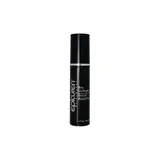
Product Summary
"Vitamin E - Moisture boost facial serum" could be helpful for: Moisturizing, but its actives are not the most effective or are not well-studied.
Ingredient callouts
- this product includes a form of Retinoids (vitamin A) - retinyl palmitate 0.10% - 0.20%, but this type of vitamin A is not very effective. It could in theory help with fine lines and wrinkles, but the effect is most likely minimal.
- Humectants (inositol 0.15% - 0.30%, betaine 0.95% - 1.15% and glycerin 4.10% - 5.00%). These ingredients help attract water to the upper layer of the skin and improve the skin hydration.
Moisturizing
What does the product description say?
Moisture boost facial serum
Source: From product name
This product can help improve hydration of the skin with the two types of ingredients.
The first type is called “humectants”:
these ingredients help attract water.
When humectants are on the surface of the skin, they “pull in” the moisture from the outside environment, or from
within deeper layers of the skin. The following ingredients in this product do the job:
betaine, glycerin.
This product also contains ingredients called “occlusives”. They help reduce the speed with which our skin loses moisture to the outside environment. These ingredients also help soften the upper layer of the skin, so it feels less tight and nicer to the touch. The following ingredients in this product do the job: dimethiconol, cyclopentasiloxane.
Helps attract water to the upper layer of the skin and improves the product texture
Helps support skin barrier function improving skin hydration and reducing sensitivity
A silicone that makes products more spreadable and keeps skin smooth. Helps to add gloss to skin and may visually fill in fine lines/wrinkles for short time
One of the best moisturizing ingredients. Naturally present in skin. It attracts water to the upper layer of the skin working as a humectant
Sugar extract that helps attract water to the upper layer of the skin
Used to create a thicker product texture. Helps soften the upper layer of the skin and might be able to prevent moisture loss from its surface
Helps soften the upper layer of the skin and creates a nice product texture
A silicone that helps improve the product texture and spreadability. Can absorb oil creating a short-term mattifying effect on the skin
Might have some moisturising properties. Is not effective when applied topically beyond some moisturizing effect
Used to create a nice product texture and help delivery of other ingredients. Might be somewhat helpful in attracting water to the upper layer of the skin
Helps soften the upper layer of the skin, dissolve other ingredients and create a thicker product consistency
An excellent emollient. Helps soften the skin, restore its barrier function, and can help to calm down inflammation. It can be helpful to prevent blemishes and clogged pores
Pure form of vitamin E. Can help moisturise and protect the skin from free radicals. Often used to help stabilise other ingredients or the formula itself
Anti-aging
What does the product description say?
Enriched with naturally sourced Vitamin E, a powerful antioxidant that will help to shield your skin against environmental damage and premature skin ageing by combating the harmful effects of free radicals.
Source: Supderdrug
Effective ingredients missing or their concentration is too low.
Three steps removed from the active form of vitamin A - retinoic acid. To have an effect in the skin, it first needs to be converted twice to become the retinoic acid. This means it is less potent than retinol, but could also be less irritating. Once converted to the retinoic acid in the skin, it helps against all signs of aging, improves skin cell turnover and helps fight blemishes and clogged pores. However, in many cosmetic formulations, it is used in a concentration that is too low to have the full effect
Pure form of vitamin E. Can help moisturise and protect the skin from free radicals. Often used to help stabilise other ingredients or the formula itself
How honest is this product?
| Promise | Can it deliver? |
|---|---|
| Moisturizing | |
| Anti-aging |
Total Promises Fulfilled score: 37/100.
We receive a small commission for purchases made through these links at no cost for you. Thank you for your support! Learn more
Potential irritants
Comedogenic ingredients
No comedogenic ingredients detected
User reviews (0)
Averages from community submissions.
No reviews yet for this product.
Be the first to share your experience!
Tried this product?
Help capture what the ingredient list can't—texture, finish, pilling, scent, and more. Answer what you can, skip the rest.
Takes ~30 seconds.
Reviews are shown in aggregate. No personal details.
| Product | Similarity | Price | Irritancy |
|---|---|---|---|
 Vitamin E Moisture boost facial serum | Current | ≈ $46.78 | |
TONYMOLY Vital Vita 12 Moisture Ampoule | 57% | - | |
Epicuren Pro Collagen + Serum Amplifier | 57% | $104.50 | |
 SKIN&LAB Vitamin C Brightening Serum | 57% | $13.01 | |
Deviant Skincare Essential Hydration Serum | 56% | - | |
TruSkin Multi-Vitamin Facial Serum+ | 56% | $19.99 |
Key Actives
Pure form of vitamin E. Can help moisturise and protect the skin from free radicals. Often used to help stabilise other ingredients or the formula itself
Three steps removed from the active form of vitamin A - retinoic acid. To have an effect in the skin, it first needs to be converted twice to become the retinoic acid. This means it is less potent than retinol, but could also be less irritating. Once converted to the retinoic acid in the skin, it helps against all signs of aging, improves skin cell turnover and helps fight blemishes and clogged pores. However, in many cosmetic formulations, it is used in a concentration that is too low to have the full effect
An excellent emollient. Helps soften the skin, restore its barrier function, and can help to calm down inflammation. It can be helpful to prevent blemishes and clogged pores
A silicone that helps improve the product texture and spreadability. Can absorb oil creating a short-term mattifying effect on the skin
Helps support skin barrier function improving skin hydration and reducing sensitivity
One of the best moisturizing ingredients. Naturally present in skin. It attracts water to the upper layer of the skin working as a humectant
A silicone that makes products more spreadable and keeps skin smooth. Helps to add gloss to skin and may visually fill in fine lines/wrinkles for short time
Helps attract water to the upper layer of the skin and improves the product texture
Sugar extract that helps attract water to the upper layer of the skin
Potential irritants
An aromatic blend of unspecified and possibly irritating ingredients
Plant extract. Might have some anti-oxidant properties. Can be irritating
Produces temporary toning effect. Can help dissolve other ingredients or preserve products
A plant extract that is used as a fragrance. Can be irritating and lead to photosensitivity
Used as a fragrance. Can be irritating and cause photosensitivity
Three steps removed from the active form of vitamin A - retinoic acid. To have an effect in the skin, it first needs to be converted twice to become the retinoic acid. This means it is less potent than retinol, but could also be less irritating. Once converted to the retinoic acid in the skin, it helps against all signs of aging, improves skin cell turnover and helps fight blemishes and clogged pores. However, in many cosmetic formulations, it is used in a concentration that is too low to have the full effect
A fragrance. Potential allergen and can be irritating
Used to thicken the product's consistency
Used to improve product texture and help oil and water mix together
A more stable but less bio-available form of vitamin E compared to Tocopherol. Might help moisturize and protect the skin from free radicals, but mostly used in low concentrations to stabilize other ingredients.
A plant extract that might help neutralize free radicals in skin, but research on its efficacy in skin is lacking
A plant extract that contains small percentage of AHAs. Is unlikely to have any skin benefit due the small concentration of the active compounds
Comedogenic ingredients
We couldn't find any comedogenic ingredients in this product
All ingredients
A silicone that helps improve the product texture and spreadability. Can absorb oil creating a short-term mattifying effect on the skin
One of the best moisturizing ingredients. Naturally present in skin. It attracts water to the upper layer of the skin working as a humectant
Used to thicken the product's consistency
Used to improve product texture and help oil and water mix together
Used to create a nice product texture and help delivery of other ingredients. Might be somewhat helpful in attracting water to the upper layer of the skin
A silicone that makes products more spreadable and keeps skin smooth. Helps to add gloss to skin and may visually fill in fine lines/wrinkles for short time
A preservative. It helps prevent bacterial growth in cosmetic products
Helps soften the upper layer of the skin, dissolve other ingredients and create a thicker product consistency
Helps attract water to the upper layer of the skin and improves the product texture
Used to create a thicker product texture. Helps soften the upper layer of the skin and might be able to prevent moisture loss from its surface
An aromatic blend of unspecified and possibly irritating ingredients
A more stable but less bio-available form of vitamin E compared to Tocopherol. Might help moisturize and protect the skin from free radicals, but mostly used in low concentrations to stabilize other ingredients.
A plant extract that might help neutralize free radicals in skin, but research on its efficacy in skin is lacking
Plant extract. Might have some anti-oxidant properties. Can be irritating
Produces temporary toning effect. Can help dissolve other ingredients or preserve products
Helps soften the upper layer of the skin and creates a nice product texture
Pure form of vitamin E. Can help moisturise and protect the skin from free radicals. Often used to help stabilise other ingredients or the formula itself
Sugar extract that helps attract water to the upper layer of the skin
A plant extract that is used as a fragrance. Can be irritating and lead to photosensitivity
Used as a fragrance. Can be irritating and cause photosensitivity
A plant extract that contains small percentage of AHAs. Is unlikely to have any skin benefit due the small concentration of the active compounds
Helps support skin barrier function improving skin hydration and reducing sensitivity
An excellent emollient. Helps soften the skin, restore its barrier function, and can help to calm down inflammation. It can be helpful to prevent blemishes and clogged pores
Three steps removed from the active form of vitamin A - retinoic acid. To have an effect in the skin, it first needs to be converted twice to become the retinoic acid. This means it is less potent than retinol, but could also be less irritating. Once converted to the retinoic acid in the skin, it helps against all signs of aging, improves skin cell turnover and helps fight blemishes and clogged pores. However, in many cosmetic formulations, it is used in a concentration that is too low to have the full effect
Might have some moisturising properties. Is not effective when applied topically beyond some moisturizing effect
A fragrance. Potential allergen and can be irritating
Ingredient list view
Water, Cyclopentasiloxane, Glycerin, Aluminum starch octenylsuccinate, Polyacrylamide, Butylene glycol, Dimethiconol, Phenoxyethanol, C13-14 isoparaffin, Betaine, Dimethicone crosspolymer, Parfum, Tocopheryl acetate, Laureth-7, Disodium edta, Ethylhexylglycerin, Peg-35 castor oil, Vaccinium myrtillus fruit extract, Aesculus hippocastanum seed extract, Alcohol denat., Lauroyl lysine, Tocopherol, Saccharum officinarum extract, Sodium hydroxide, Citrus aurantium dulcis fruit extract, Citrus limon fruit extract, Polysorbate 20, Acer saccharum extract, Calcium pantothenate, Inositol, Linoleic acid, Retinyl palmitate, Biotin, Linalool, Coumarin, Alpha-isomethyl ionone
- Glycerol and the skin: holistic approach to its origin and functions
- Safety Assessment of Isoparaffins as Used in Cosmetics
- Lonicera caerulea and Vaccinium myrtillus fruit polyphenols protect HaCaT keratinocytes against UVB-induced phototoxic stress and DNA damage
- Herbal Medicine: Biomolecular and Clinical Aspects. 2nd edition.
- Contact dermatitis as an adverse reaction to some topically used European herbal medicinal products – part 1: Achillea millefolium–Curcuma longa
- Vitamin E in dermatology
- Vitamin E and Skin Health
- Safety Assessment of Citrus Fruit-Derived Ingredients as Used in Cosmetics
- Photosensitivity in children: An approach to diagnosis and management
- Safety Assessment of Citrus-Derived Peel Oils as Used in Cosmetics
- Calcium pantothenate modulates gene expression in proliferating human dermal fibroblasts
- Dexpanthenol Modulates Gene Expression in Skin Wound Healing in vivo
- Dexapanthenol enhances skin barrier repair and reduces inflammation after sodium lauryl sulphate-induced irritation
- The Permeability Barrier in Essential Fatty Acid Deficiency: Evidence for a Direct Role for Linoleic Acid in Barrier Function
- Digital image analysis of the effect of topically applied linoleic acid on acne microcomedones.