Works for:
based on ingredients and %- Moisturizing
- Anti-aging
- Anti-oxidation
Can it cause trouble?
- Irritation risk: high
- Comedogenic risk ingredients: 3
Key actives


Product Summary
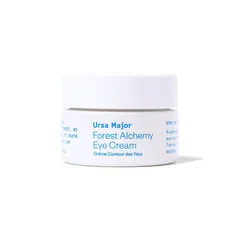
"Ursa Major - Forest Alchemy Eye Cream" is a well-rounded moisturizing product. To work well, any moisturizer needs to include a combination of water-binding and emollient ingredients. Ursa Major - Forest Alchemy Eye Cream ticks this box. Humectants in this product (fructose, glycerin, lactobacillus ferment, sodium hyaluronate and tremella fuciformis sporocarp extract) help to increase the water content in the upper layer of the skin. (These ingredients do so by "capturing" water molecules from the outside air or from within the deeper layers of the skin). Emollients in this formulation (astrocaryum murumuru seed butter, butyrospermum parkii butter, caprylic/capric triglyceride, helianthus annuus seed oil and cetearyl alcohol) help to reduce the moisture loss from the skin. They also soften the skin surface and relieve the feeling of dryness and tightness.
Ingredient callouts
- This moistruizer also contains peptides (tripeptide-29 0.35% - 0.75%). Peptides is a very big group of ingredients. They all consist of a different combination of amino-acids. Our skin produces peptides naturally. Some of them work as natural anti-biotics, promote wound-healing and production of collagen. The scientists are still studying how effective the topical application of peptides is, but it is very likely that peptides in skincare are helpful. They might be able to support skin barrier restoration and even have an anti-aging benefit. At the very least, they certainly help attract water to the skin and support the hydration in this way.
Irritation risk
This moisturizer contains some common irritants, including those without a benefit for the skin. We assess the overall irritancy of this moisturizer to be medium. For a detailed overview of all potential irritants: click here
You can see the detailed formula review with the breakdown of all actives in the product and the full ingredient list with estimated concentrations in the tables below.
About the brand
According to Cruelty-Free Kitty "Ursa Major" is cruelty free and so is its parent company.
Price
The product retails for 56.00$ in the United States.
For a detailed price comparison: click here.
Works for
Moisturizing
What does the product description say?
This Product Is: a concentrated, nourishing eye cream that helps restore radiance
Source: Credo Beauty
This product can help improve hydration of the skin with the two types of ingredients.
The first type is called “humectants”:
these ingredients help attract water.
When humectants are on the surface of the skin, they “pull in” the moisture from the outside environment, or from
within deeper layers of the skin. The following ingredients in this product do the job:
fructose, glycerin.
This product also contains ingredients called “occlusives”. They help reduce the speed with which our skin loses moisture to the outside environment. These ingredients also help soften the upper layer of the skin, so it feels less tight and nicer to the touch. The following ingredients in this product do the job: butyrospermum parkii butter, squalane.
The following ingredients in this product are especially good for supporting the skin barrier and helping with the hydration level: tripeptide-29
One of the best moisturizing ingredients. Attracts water into the upper layer of the skin. Naturally present in skin. Typically has large molecule size unless advertised otherwise on the product label. Helps support skin's barrier function and may help to reduce inflammation
One of the best moisturizing ingredients. Naturally present in skin. It attracts water to the upper layer of the skin working as a humectant
Helps attract water to the upper layer of the skin
A great moisturising ingredient that softens the skin and reduces water loss from its upper layer. It also can be helpful in protecting skin from free radicals
An oil naturally present in skin. Works as an emollient to soften the skin and form a protective layer on its surface without a greasy feeling.
Helps soften the upper layer of the skin and might as well help to attract moisture to its upper layer
Helps soften the upper layer of the skin. Could be comedogenic due to the myrisic acid content
Mushroom extract that helps attract water to the upper layer of the skin
A synthetic triglyceride. Helps soften the upper layer of the skin
Cottonseed oil. It is used as an emollient and occlusive in products. It is rich palmitic, oleic acid, and linoleic fatty acids.
Helps to soften the upper layer of the skin without creating a greasy texture
An algae extract that might help attract water to the upper layer of the skin and neutralize free radicals
Non-drying alcohol that helps water and oil mix together. Also serves as an emollient
An emollient that is naturally present in skin and helps soften it
Helps soften the upper layer of the skin and improve the product's texture
Helps oil and water mix together while softening the upper layer of the skin
An emollient that helps soften the skin
Used to create a nice product texture and help delivery of other ingredients. Might be somewhat helpful in attracting water to the upper layer of the skin
Can contain potent anti-oxidant compounds (abbreviated ECG, GCG, EGC, and EGCG) that might help protect the skin from free radicals. Can help calm down inflammation and has some anti-bacterial properties. Unfortunately, these antioxidants are unstable and lose their effectiveness very quickly in products. The concentration of the antioxidant compounds in the extract also tends to be low to be effective in topical formulation
Pure form of vitamin E. Can help moisturise and protect the skin from free radicals. Often used to help stabilise other ingredients or the formula itself
Used mostly for creating emulsions - helping oil and water mix together. Helps soften the upper layer of the skin
Might be somewhat helpful in reducing hyperpigmentation and neutralizing free radicals but its typical concentration in a product is too low for having an effect
Anti-aging
What does the product description say?
Formulated with chaga, tremella, pink snow algae and wild birch, this eye cream works to improve the appearance of fine lines and dark circles, while hydrating deep down to de-puff.
Source: Credo Beauty
This product contains tripeptide-29. This ingredient might be able to help reduce and prevent fine lines and wrinkles, improve skin elasticity and firmness, but there is not enough evidence that it actually works.
A great moisturising ingredient that softens the skin and reduces water loss from its upper layer. It also can be helpful in protecting skin from free radicals
Can contain potent anti-oxidant compounds (abbreviated ECG, GCG, EGC, and EGCG) that might help protect the skin from free radicals. Can help calm down inflammation and has some anti-bacterial properties. Unfortunately, these antioxidants are unstable and lose their effectiveness very quickly in products. The concentration of the antioxidant compounds in the extract also tends to be low to be effective in topical formulation
One of the best moisturizing ingredients. Attracts water into the upper layer of the skin. Naturally present in skin. Typically has large molecule size unless advertised otherwise on the product label. Helps support skin's barrier function and may help to reduce inflammation
Pure form of vitamin E. Can help moisturise and protect the skin from free radicals. Often used to help stabilise other ingredients or the formula itself
Anti-oxidation
This product contains antioxidants (camellia sinensis leaf extract) that might be able to help neutralize free radicals in skin to lessen the damage it gets from the UV light (sun). There is not enough evidence to confirm their effectiveness in skin though.
Can contain potent anti-oxidant compounds (abbreviated ECG, GCG, EGC, and EGCG) that might help protect the skin from free radicals. Can help calm down inflammation and has some anti-bacterial properties. Unfortunately, these antioxidants are unstable and lose their effectiveness very quickly in products. The concentration of the antioxidant compounds in the extract also tends to be low to be effective in topical formulation
A plant extract that might help neutralize free radicals in skin
An algae extract that might help attract water to the upper layer of the skin and neutralize free radicals
Mushroom extract that helps attract water to the upper layer of the skin
A great moisturising ingredient that softens the skin and reduces water loss from its upper layer. It also can be helpful in protecting skin from free radicals
Used as a fragrance
Pure form of vitamin E. Can help moisturise and protect the skin from free radicals. Often used to help stabilise other ingredients or the formula itself
Might be somewhat helpful in reducing hyperpigmentation and neutralizing free radicals but its typical concentration in a product is too low for having an effect
Can be helpful in reducing inflammation in skin, including inflamed acne. It can be irritating
How honest is this product?
| Promise | Can it deliver? |
|---|---|
| Moisturizing | |
| Anti-aging |
Total Promises Fulfilled score: 87/100.
We receive a small commission for purchases made through these links at no cost for you. Thank you for your support! Learn more
Potential irritants
Comedogenic ingredients
User reviews (0)
Averages from community submissions.
No reviews yet for this product.
Be the first to share your experience!
Tried this product?
Help capture what the ingredient list can't—texture, finish, pilling, scent, and more. Answer what you can, skip the rest.
Takes ~30 seconds.
Reviews are shown in aggregate. No personal details.
| Product | Similarity | Price | Irritancy |
|---|---|---|---|
 Ursa Major Forest Alchemy Eye Cream | Current | $62.00 | |
Maya Chia The Advanced Eye Response Complex Retinol Cream | 53% | $86.00 | |
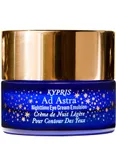 Kypris Ad Astra Eye Cream Emulsion | 52% | $150.00 | |
Dr.Different VITALIFT-A Eye & Neck | 52% | $26.99 | |
 numbuzin No.9 NAD+ Retinol Volumetox Eye Cream 1ml (Mini Trial Size) | 51% | ≈ $3.48 | |
 Alpyn Beauty Line-Filling Eye Balm | 51% | ≈ $61.80 |
Key Actives
Can contain potent anti-oxidant compounds (abbreviated ECG, GCG, EGC, and EGCG) that might help protect the skin from free radicals. Can help calm down inflammation and has some anti-bacterial properties. Unfortunately, these antioxidants are unstable and lose their effectiveness very quickly in products. The concentration of the antioxidant compounds in the extract also tends to be low to be effective in topical formulation
Pure form of vitamin E. Can help moisturise and protect the skin from free radicals. Often used to help stabilise other ingredients or the formula itself
A great moisturising ingredient that softens the skin and reduces water loss from its upper layer. It also can be helpful in protecting skin from free radicals
Can be helpful in reducing inflammation in skin, including inflamed acne. It can be irritating
One of the best moisturizing ingredients. Attracts water into the upper layer of the skin. Naturally present in skin. Typically has large molecule size unless advertised otherwise on the product label. Helps support skin's barrier function and may help to reduce inflammation
A synthetic triglyceride. Helps soften the upper layer of the skin
Mushroom extract that helps attract water to the upper layer of the skin
A plant extract that might help neutralize free radicals in skin
One of the best moisturizing ingredients. Naturally present in skin. It attracts water to the upper layer of the skin working as a humectant
An oil naturally present in skin. Works as an emollient to soften the skin and form a protective layer on its surface without a greasy feeling.
Helps attract water to the upper layer of the skin
Helps soften the upper layer of the skin. Could be comedogenic due to the myrisic acid content
Helps soften the upper layer of the skin and might as well help to attract moisture to its upper layer
Potential irritants
A plant extract. Benefits of topical application are not confirmed
Can be helpful in reducing inflammation in skin, including inflamed acne. It can be irritating
A plant extract that can be irritating. It can have some anti-bacterial properties, but there are no evidence of a beneficial effect for skin
A plant extract that might help neutralize free radicals in skin
Helps soften the upper layer of the skin and improve the product's texture
Helps soften the upper layer of the skin. Could be comedogenic due to the myrisic acid content
Can work as an exfoliant but is typically used to adjust the product pH
Used to improve stability of the formulation
Helps soften the upper layer of the skin and might as well help to attract moisture to its upper layer
Might be somewhat helpful in reducing hyperpigmentation and neutralizing free radicals but its typical concentration in a product is too low for having an effect
Comedogenic ingredients
A great moisturising ingredient that softens the skin and reduces water loss from its upper layer. It also can be helpful in protecting skin from free radicals
An emollient that helps soften the skin
Cottonseed oil. It is used as an emollient and occlusive in products. It is rich palmitic, oleic acid, and linoleic fatty acids.
All ingredients
A synthetic triglyceride. Helps soften the upper layer of the skin
A great moisturising ingredient that softens the skin and reduces water loss from its upper layer. It also can be helpful in protecting skin from free radicals
One of the best moisturizing ingredients. Naturally present in skin. It attracts water to the upper layer of the skin working as a humectant
An oil naturally present in skin. Works as an emollient to soften the skin and form a protective layer on its surface without a greasy feeling.
An emollient that helps soften the skin
Helps soften the upper layer of the skin and improve the product's texture
Non-drying alcohol that helps water and oil mix together. Also serves as an emollient
Helps to soften the upper layer of the skin without creating a greasy texture
Acts as a solvent for other ingredients. Speeds up the absorption of other ingredients into the skin
Used to stabilize the product formulation and can help absorb oil
An emollient that is naturally present in skin and helps soften it
Helps to retain moisture by creating a protective barrier on the skin. Rich in fatty acids. Improves product texture and helps with the penetration of other ingredients.
Helps oil and water mix together while softening the upper layer of the skin
Helps soften the upper layer of the skin. Could be comedogenic due to the myrisic acid content
Cottonseed oil. It is used as an emollient and occlusive in products. It is rich palmitic, oleic acid, and linoleic fatty acids.
Can work as an exfoliant but is typically used to adjust the product pH
A plant extract. Benefits of topical application are not confirmed
Used to create a nice product texture and help delivery of other ingredients. Might be somewhat helpful in attracting water to the upper layer of the skin
Used to improve stability of the formulation
Helps soften the upper layer of the skin and might as well help to attract moisture to its upper layer
Can be helpful in reducing inflammation in skin, including inflamed acne. It can be irritating
Pure form of vitamin E. Can help moisturise and protect the skin from free radicals. Often used to help stabilise other ingredients or the formula itself
One of the best moisturizing ingredients. Attracts water into the upper layer of the skin. Naturally present in skin. Typically has large molecule size unless advertised otherwise on the product label. Helps support skin's barrier function and may help to reduce inflammation
Mushroom extract that helps attract water to the upper layer of the skin
An algae extract that might help attract water to the upper layer of the skin and neutralize free radicals
Used mostly for creating emulsions - helping oil and water mix together. Helps soften the upper layer of the skin
Can contain potent anti-oxidant compounds (abbreviated ECG, GCG, EGC, and EGCG) that might help protect the skin from free radicals. Can help calm down inflammation and has some anti-bacterial properties. Unfortunately, these antioxidants are unstable and lose their effectiveness very quickly in products. The concentration of the antioxidant compounds in the extract also tends to be low to be effective in topical formulation
Might be somewhat helpful in reducing hyperpigmentation and neutralizing free radicals but its typical concentration in a product is too low for having an effect
A plant extract that can be irritating. It can have some anti-bacterial properties, but there are no evidence of a beneficial effect for skin
A plant extract that might help neutralize free radicals in skin
Ingredient list view
Water, Triheptanoin, Butyrospermum parkii butter, Glycerin, Squalane, Cetyl stearate, Isopropyl isostearate, C12-16 alcohols, Behenyl alcohol, Coco-caprylate/caprate, Rosa moschata seed oil, Propanediol, Maltodextrin, Palmitic acid, Hydrogenated lecithin, Glyceryl stearate citrate, Tripeptide-29, Fructose, 1,2-hexanediol, Oryza sativa bran extract, Astrocaryum murumuru seed butter, Gossypium herbaceum seed oil, Bidens pilosa extract, Xanthan gum, Linum usitatissimum seed oil, Caprylhydroxamic acid, Citric acid, Aesculus hippocastanum extract, Butylene glycol, Trisodium ethylenediamine disuccinate, Potassium sorbate, Helianthus annuus seed extract, Theobroma grandiflorum seed butter, Rosmarinus officinalis leaf extract, Tocopherol, Leuconostoc/radish root ferment lysate filtrate, Hyaluronic acid, Tremella fuciformis sporocarp extract, Coenochloris signiensis extract, Lecithin, Betula alba juice, Camellia sinensis leaf extract, Inonotus obliquus extract, Cucumis sativus fruit extract, Arnica montana flower extract, Hedera helix stem extract, Malva sylvestris flower extract, Unknown, Sambucus nigra flower extract, Sodium benzoate
- Glycerol and the skin: holistic approach to its origin and functions
- Safety Assessment of Alkyl Esters as Used in Cosmetics
- The influence of alkane chain length on the skin irritation potential of 1,2-alkanediols
- AMAZON RAINFOREST COSMETICS: CHEMICAL APPROACH FOR QUALITY CONTROL
- Contact dermatitis to extract of horse chestnut (esculin)
- Advanced Skin Care – A Novel Ingredient
- Allergic contact dermatitis induced by rosemary leaf extract in a cleansing gel
- Safety Assessment of Rosmarinus officinalis (Rosemary)-Derived Ingredients as Used in Cosmetics
- Rosmarinus officinalis Extract Suppresses Propionibacterium acnes–Induced Inflammatory Responses
- Vitamin E in dermatology
- Vitamin E and Skin Health
- Efficacy of a New Topical Nano-hyaluronic Acid in Humans
- Physiochemical properties and application of hyaluronic acid: a systematic review
- Carboxymethylation of polysaccharides from Tremella fuciformis for antioxidant and moisture-preserving activities
- Effects of Topical Arnica Gel on Post-Laser Treatment Bruises
- Effects of microcurrent application alone or in combination with topical Hypericum perforatum L. and Arnica montana L. on surgically induced wound healing in Wistar rats
- The seamy side of natural medicines: contact sensitization to arnica (Arnica montana L.) and marigold (Calendula officinalis L.)
- Accelerated resolution of laser‐induced bruising with topical 20% arnica: a rater‐blinded randomized controlled trial
- The antioxidant properties of alcoholic extracts from Sambucus nigra L. (antioxidant properties of extracts)
- Inhibition of Proinflammatory Activities of Major Periodontal Pathogens by Aqueous Extracts From Elder Flower (Sambucus nigra)