
Works for:
based on ingredients and %- Cleansing
Can it cause trouble?
- Irritation risk: medium
- Comedogenic risk ingredients: 1
Key actives

Works for
Cleansing
What does the product description say?
Hyséac Cleansing Gel
Source: Cocoon Center
This product works by removing dirt and oil from the surface of the skin.
It contains the following cleansing agents that tend to be harsh on the skin: sodium laureth sulfate.
The following cleansing agents are typically mild, but still can cause an irritation or allergy for some people coco-glucoside, glyceryl oleate, sodium methyl cocoyl taurate.
Keep in mind that cleansing can disrupt the skin barrier, and most people do not need to cleanse their skin more than once per day.
Used as a cleansing agent (surfactant) in cleansers. Helps water and oil mix together in lotions. Can be irritating
Helps oil and water mix together. Can be irritating
Helps oil and water mix together and works as a cleansing agent. Creates foam
Works as a foaming cleansing agent
Helps oil and water mix together. Can be used as cleansing agent
How honest is this product?
| Promise | Can it deliver? |
|---|---|
| Cleansing |
Total Promises Fulfilled score: 75/100.
We receive a small commission for purchases made through these links at no cost for you. Thank you for your support! Learn more
Potential irritants
Comedogenic ingredients
User reviews (0)
Averages from community submissions.
No reviews yet for this product.
Be the first to share your experience!
Tried this product?
Help capture what the ingredient list can't—texture, finish, pilling, scent, and more. Answer what you can, skip the rest.
Takes ~30 seconds.
Reviews are shown in aggregate. No personal details.
| Product | Similarity | Price | Irritancy |
|---|---|---|---|
 Uriage Hyséac Cleansing Gel | Current | ≈ $10.63 | |
 Hyfac Dermatological Cleansing Gel Face and Body | 43% | ≈ $10.88 | |
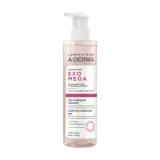 A-DERMA Gel nettoyant calmant | 36% | - | |
 Ducray Kelual DS Foaming Gel | 35% | ≈ $12.67 | |
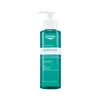 Eucerin Dermopure Clinical Purifying Cleanser | 35% | ≈ $12.59 | |
 Topicrem AC Purifying Cleansing Gel | 34% | ≈ $10.12 |
Key Actives
Works as a foaming cleansing agent
Helps oil and water mix together and works as a cleansing agent. Creates foam
Helps oil and water mix together. Can be used as cleansing agent
Used as a cleansing agent (surfactant) in cleansers. Helps water and oil mix together in lotions. Can be irritating
Helps oil and water mix together. Can be irritating
Helps to attract water to the upper layer of the skin and can help restore the skin barrier function
A plant extract that might contain antioxidants
Potential irritants
Helps oil and water mix together. Can be used as cleansing agent
Used as a cleansing agent (surfactant) in cleansers. Helps water and oil mix together in lotions. Can be irritating
An aromatic blend of unspecified and possibly irritating ingredients
A plant extract that might contain antioxidants
Helps oil and water mix together and works as a cleansing agent. Creates foam
Can work as an exfoliant but is typically used to adjust the product pH
Comedogenic ingredients
All ingredients
Helps oil and water mix together and works as a cleansing agent. Creates foam
Helps oil and water mix together. Can be used as cleansing agent
Used as a cleansing agent (surfactant) in cleansers. Helps water and oil mix together in lotions. Can be irritating
Helps to attract water to the upper layer of the skin and can help restore the skin barrier function
Can work as an exfoliant but is typically used to adjust the product pH
An aromatic blend of unspecified and possibly irritating ingredients
A plant extract that might contain antioxidants
A preservative. It helps prevent bacterial growth in cosmetic products
Pure form of vitamin E. Can help moisturise and protect the skin from free radicals. Often used to help stabilise other ingredients or the formula itself
Ingredient list view
Water, Sodium laureth sulfate, Peg-80 glyceryl cocoate, Sodium cocoamphoacetate, Ppg-2 hydroxyethyl cocamide, Sodium laureth-8 sulfate, Sodium methyl cocoyl taurate, Coco-glucoside, Glyceryl oleate, Glycine, Citric acid, Ppg-2 hydroxyethyl coco/isostearamide, Piroctone olamine, Magnesium laureth sulfate, Sodium oleth sulfate, Parfum, Magnesium laureth-8 sulfate, Magnesium oleth sulfate, Epilobium angustifolium flower/leaf/stem extract, Phenoxyethanol, Sodium metabisulfite, Tocopherol, Hydrogenated vegetable glycerides citrate
- Surfactants and experimental irritant contact dermatitis
- Safety Assessment of Alkyl Taurate Amides and Taurate Salts as Used in Cosmetics
- In Vitro Assessment of Skin Irritation Potential of Surfactant-based Formulations by Using a 3-D Skin Reconstructed Tissue Model and Cytokine Response
- Allergen of the Year—Alkyl Glucoside
- Contact Sensitization to Emulsifying Agents: An Underrated Issue?
- Effect of Topical Application of Glycine and Proline on Recalcitrant Leg Ulcers of Prolidase Deficiency
- Functional glycine receptor in cultured human keratinocytes
- Therapeutic Potential of Polyphenols from Epilobium Angustifolium (Fireweed): Polyphenols from Fireweed
- Final report on the safety assessment of sodium sulfite, potassium sulfite, ammonium sulfite, sodium bisulfite, ammonium bisulfite, sodium metabisulfite and potassium metabisulfite
- Vitamin E in dermatology
- Vitamin E and Skin Health