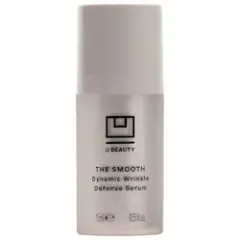
Works for:
based on ingredients and %- Moisturizing
- Anti-aging
Can it cause trouble?
- Irritation risk: medium
- Comedogenic risk ingredients: 2
Key actives

Works for
Moisturizing
What does the product description say?
- 50% improvement in skin hydration
Source: Sephora
This product can help improve hydration of the skin with the two types of ingredients.
The first type is called “humectants”:
these ingredients help attract water.
When humectants are on the surface of the skin, they “pull in” the moisture from the outside environment, or from
within deeper layers of the skin. The following ingredients in this product do the job:
glycerin, sodium lactate.
This product also contains ingredients called “occlusives”. They help reduce the speed with which our skin loses moisture to the outside environment. These ingredients also help soften the upper layer of the skin, so it feels less tight and nicer to the touch. The following ingredients in this product do the job: helianthus annuus seed oil, squalane.
The following ingredients in this product are especially good for supporting the skin barrier and helping with the hydration level: acetyl hexapeptide-8, copper tripeptide-1, linoleic acid, palmitoyl dipeptide-5 diaminobutyroyl hydroxythreonine, palmitoyl tripeptide-5
A type of peptide. Peptides are excellent moisturizers and might be able support collagen production reducing fine lines and wrinkles
A naturally occurring peptide. One of the most studied peptides in dermatology. It is sometimes abbreviated GHK-Cu. Belongs to the class of carrier peptides. It stimulates both synthesis and breakdown of collagen in skin. It is released in skin wounds and inflammation to support healing. It accelerates wound-healing of the skin and can stimulate hair growth. There are preliminary studies that confirm that copper tripeptide can help support collagen production reducing fine lines and wrinkles and decrease inflammation in skin.
One of the best moisturizing ingredients. Naturally present in skin. It attracts water to the upper layer of the skin working as a humectant
A great emollient due to its high linoleic acid content. One of the most effective plant oils in helping skin hydration and repairing skin barrier function
An excellent emollient. Helps soften the skin, restore its barrier function, and can help to calm down inflammation. It can be helpful to prevent blemishes and clogged pores
An emollient that helps soften the skin and calm down inflammation
A type of peptide. Peptides are excellent moisturizers and might be able support collagen production reducing fine lines and wrinkles
Lipids that work as an emollient and can be helpful in repairing skin barrier function
Helps attract water to the upper layer of the skin. Is often used to adjust the pH level of the product
Naturally present in skin and helps to attract water to its upper layer
An oil naturally present in skin. Works as an emollient to soften the skin and form a protective layer on its surface without a greasy feeling.
A non-drying alcohol that works to soften the skin and stabilize product formulations helping oil and water mix together
A non-drying alcohol. Works as an emollient. Helps water and oil mix together and creates a nice product texture
Helps preserve products and creates a nice product texture
An emollient that is naturally present in skin and helps soften it
Non-drying alcohol that helps water and oil mix together. Also serves as an emollient
An emollient that softens the skin and forms a protective layer on its surface. Helps water and oil mix together
Helps soften the upper layer of the skin. At the same time, it can weaken the skin's barrier enhancing penetration of other ingredients and increasing the risk of skin dryness
A good mix of fatty acids that forms a protective layer on the skin. Improves the shelf life of products. Derived from coconut and glycerin
Can have some moisturizing properties due to its sugar content
A plant extract containing sugars that might help attract water to the upper layer of the skin. Is claimed by the manufacturer to help reduce pore size but evidence is lacking
Pure form of vitamin E. Can help moisturise and protect the skin from free radicals. Often used to help stabilise other ingredients or the formula itself
Helps oil and water mix together and works as an emollient
Anti-aging
What does the product description say?
- 20% visible reduction in wrinkle depth
Source: Sephora
This product contains acetyl hexapeptide-8, centella asiatica leaf extract, copper tripeptide-1, palmitoyl dipeptide-5 diaminobutyroyl hydroxythreonine, palmitoyl tripeptide-5. These ingredients might be able to help reduce and prevent fine lines and wrinkles, improve skin elasticity and firmness, but there is not enough evidence that it actually works.
A type of peptide. Peptides are excellent moisturizers and might be able support collagen production reducing fine lines and wrinkles
A plant extract that has been shown to be able to reduce inflammation in skin, support restoration of skin barrier function, as well as support collagen production. It can be irritating to sensitive skin. Might be helpful in preventing stretch marks. It could, however, itself be irritating.
A naturally occurring peptide. One of the most studied peptides in dermatology. It is sometimes abbreviated GHK-Cu. Belongs to the class of carrier peptides. It stimulates both synthesis and breakdown of collagen in skin. It is released in skin wounds and inflammation to support healing. It accelerates wound-healing of the skin and can stimulate hair growth. There are preliminary studies that confirm that copper tripeptide can help support collagen production reducing fine lines and wrinkles and decrease inflammation in skin.
A type of peptide. Peptides are excellent moisturizers and might be able support collagen production reducing fine lines and wrinkles
An ester of a retinoid and linoleic acid. Three steps removed from the bioactive form of retinoid, retinoic acid. Once converted to retinoic acid in skin, it can help reduce wrinkles, stimulate collagen production, even out skin tone and reduce blemishes. The concentrations used in cosmetic products are often not high enough to have a positive effect in skin.
Three steps removed from the active form of vitamin A - retinoic acid. To have an effect in the skin, it first needs to be converted twice to become the retinoic acid. This means it is less potent than retinol, but could also be less irritating. Once converted to the retinoic acid in the skin, it helps against all signs of aging, improves skin cell turnover and helps fight blemishes and clogged pores. However, in many cosmetic formulations, it is used in a concentration that is too low to have the full effect
A stable derivative of vitamin C. It is oil-soluble which means it is more likely to penetrate the skin compared to the pure form of vitamin C (which is water-soluble), but it is less bio-available and is way less effective in stimulating collagen and reducing wrinkles compared to the pure form of vitamin C (L-ascorbic acid) and its other derivatives (for example, magnesium ascorbyl phosphate). At the same time, this vitamin C derivative has been shown in studies to be effective in reducing acne, blemishes and clogged pores. It is less irritating then the pure form of vitamin C
Pure form of vitamin E. Can help moisturise and protect the skin from free radicals. Often used to help stabilise other ingredients or the formula itself
How honest is this product?
| Promise | Can it deliver? |
|---|---|
| Moisturizing | |
| Anti-aging |
Total Promises Fulfilled score: 87/100.
We receive a small commission for purchases made through these links at no cost for you. Thank you for your support! Learn more
Potential irritants
Comedogenic ingredients
User reviews (0)
Averages from community submissions.
No reviews yet for this product.
Be the first to share your experience!
Tried this product?
Help capture what the ingredient list can't—texture, finish, pilling, scent, and more. Answer what you can, skip the rest.
Takes ~30 seconds.
Reviews are shown in aggregate. No personal details.
| Product | Similarity | Price | Irritancy |
|---|---|---|---|
 U Beauty Mini The SMOOTH Dynamic Wrinkle Defense Serum | Current | $148.00 | |
 REMEDY SCIENCE REMEDY Copper Peptide Complex Advanced Firming Serum | 47% | $30.00 | |
 colibri skincare Polypeptide Booster | 44% | - | |
PEACH & LILY MiniProtein Exosome Bioactive Ampoule | 43% | $53.00 | |
 MEDIHEAL Baobab Soothing Moisture Serum | 42% | - | |
 Mizon Collagen 100 | 42% | ≈ $13.67 |
Key Actives
A plant extract that has been shown to be able to reduce inflammation in skin, support restoration of skin barrier function, as well as support collagen production. It can be irritating to sensitive skin. Might be helpful in preventing stretch marks. It could, however, itself be irritating.
An ester of a retinoid and linoleic acid. Three steps removed from the bioactive form of retinoid, retinoic acid. Once converted to retinoic acid in skin, it can help reduce wrinkles, stimulate collagen production, even out skin tone and reduce blemishes. The concentrations used in cosmetic products are often not high enough to have a positive effect in skin.
Pure form of vitamin E. Can help moisturise and protect the skin from free radicals. Often used to help stabilise other ingredients or the formula itself
Three steps removed from the active form of vitamin A - retinoic acid. To have an effect in the skin, it first needs to be converted twice to become the retinoic acid. This means it is less potent than retinol, but could also be less irritating. Once converted to the retinoic acid in the skin, it helps against all signs of aging, improves skin cell turnover and helps fight blemishes and clogged pores. However, in many cosmetic formulations, it is used in a concentration that is too low to have the full effect
An emollient that helps soften the skin and calm down inflammation
An excellent emollient. Helps soften the skin, restore its barrier function, and can help to calm down inflammation. It can be helpful to prevent blemishes and clogged pores
A naturally occurring peptide. One of the most studied peptides in dermatology. It is sometimes abbreviated GHK-Cu. Belongs to the class of carrier peptides. It stimulates both synthesis and breakdown of collagen in skin. It is released in skin wounds and inflammation to support healing. It accelerates wound-healing of the skin and can stimulate hair growth. There are preliminary studies that confirm that copper tripeptide can help support collagen production reducing fine lines and wrinkles and decrease inflammation in skin.
A type of peptide. Peptides are excellent moisturizers and might be able support collagen production reducing fine lines and wrinkles
A type of peptide. Peptides are excellent moisturizers and might be able support collagen production reducing fine lines and wrinkles
One of the best moisturizing ingredients. Naturally present in skin. It attracts water to the upper layer of the skin working as a humectant
An oil naturally present in skin. Works as an emollient to soften the skin and form a protective layer on its surface without a greasy feeling.
Creates a thin drying film on the skin resulting in a short-term tightening effect
Lipids that work as an emollient and can be helpful in repairing skin barrier function
Naturally present in skin and helps to attract water to its upper layer
A great emollient due to its high linoleic acid content. One of the most effective plant oils in helping skin hydration and repairing skin barrier function
A good mix of fatty acids that forms a protective layer on the skin. Improves the shelf life of products. Derived from coconut and glycerin
Helps attract water to the upper layer of the skin. Is often used to adjust the pH level of the product
Potential irritants
An ester of a retinoid and linoleic acid. Three steps removed from the bioactive form of retinoid, retinoic acid. Once converted to retinoic acid in skin, it can help reduce wrinkles, stimulate collagen production, even out skin tone and reduce blemishes. The concentrations used in cosmetic products are often not high enough to have a positive effect in skin.
Creates a thin drying film on the skin resulting in a short-term tightening effect
Three steps removed from the active form of vitamin A - retinoic acid. To have an effect in the skin, it first needs to be converted twice to become the retinoic acid. This means it is less potent than retinol, but could also be less irritating. Once converted to the retinoic acid in the skin, it helps against all signs of aging, improves skin cell turnover and helps fight blemishes and clogged pores. However, in many cosmetic formulations, it is used in a concentration that is too low to have the full effect
A plant extract that has been shown to be able to reduce inflammation in skin, support restoration of skin barrier function, as well as support collagen production. It can be irritating to sensitive skin. Might be helpful in preventing stretch marks. It could, however, itself be irritating.
A more stable but less bio-available form of vitamin E compared to Tocopherol. Might help moisturize and protect the skin from free radicals, but mostly used in low concentrations to stabilize other ingredients.
A plant extract that can contain an antioxidant compound
A plant extract containing sugars that might help attract water to the upper layer of the skin. Is claimed by the manufacturer to help reduce pore size but evidence is lacking
Lipids that work as an emollient and can be helpful in repairing skin barrier function
Can have some moisturizing properties due to its sugar content
A stable derivative of vitamin C. It is oil-soluble which means it is more likely to penetrate the skin compared to the pure form of vitamin C (which is water-soluble), but it is less bio-available and is way less effective in stimulating collagen and reducing wrinkles compared to the pure form of vitamin C (L-ascorbic acid) and its other derivatives (for example, magnesium ascorbyl phosphate). At the same time, this vitamin C derivative has been shown in studies to be effective in reducing acne, blemishes and clogged pores. It is less irritating then the pure form of vitamin C
Helps soften the upper layer of the skin. At the same time, it can weaken the skin's barrier enhancing penetration of other ingredients and increasing the risk of skin dryness
An emollient that helps soften the skin and calm down inflammation
Helps preserve products and creates a nice product texture
A good mix of fatty acids that forms a protective layer on the skin. Improves the shelf life of products. Derived from coconut and glycerin
Helps attract water to the upper layer of the skin. Is often used to adjust the pH level of the product
Can work as an exfoliant but is typically used to adjust the product pH
Comedogenic ingredients
A non-drying alcohol. Works as an emollient. Helps water and oil mix together and creates a nice product texture
All ingredients
One of the best moisturizing ingredients. Naturally present in skin. It attracts water to the upper layer of the skin working as a humectant
An oil naturally present in skin. Works as an emollient to soften the skin and form a protective layer on its surface without a greasy feeling.
A type of silicone that helps create a silky product finish and dissolve other ingredients
Acts as a solvent for other ingredients. Speeds up the absorption of other ingredients into the skin
An emollient that softens the skin and forms a protective layer on its surface. Helps water and oil mix together
A plant extract that has been shown to be able to reduce inflammation in skin, support restoration of skin barrier function, as well as support collagen production. It can be irritating to sensitive skin. Might be helpful in preventing stretch marks. It could, however, itself be irritating.
Dissolves other ingredients. It does not have additional skin benefits compared to plain water
A naturally occurring peptide. One of the most studied peptides in dermatology. It is sometimes abbreviated GHK-Cu. Belongs to the class of carrier peptides. It stimulates both synthesis and breakdown of collagen in skin. It is released in skin wounds and inflammation to support healing. It accelerates wound-healing of the skin and can stimulate hair growth. There are preliminary studies that confirm that copper tripeptide can help support collagen production reducing fine lines and wrinkles and decrease inflammation in skin.
An ester of a retinoid and linoleic acid. Three steps removed from the bioactive form of retinoid, retinoic acid. Once converted to retinoic acid in skin, it can help reduce wrinkles, stimulate collagen production, even out skin tone and reduce blemishes. The concentrations used in cosmetic products are often not high enough to have a positive effect in skin.
A more stable but less bio-available form of vitamin E compared to Tocopherol. Might help moisturize and protect the skin from free radicals, but mostly used in low concentrations to stabilize other ingredients.
A plant extract that can contain an antioxidant compound
A plant extract containing sugars that might help attract water to the upper layer of the skin. Is claimed by the manufacturer to help reduce pore size but evidence is lacking
Creates a thin drying film on the skin resulting in a short-term tightening effect
Lipids that work as an emollient and can be helpful in repairing skin barrier function
Can have some moisturizing properties due to its sugar content
Pure form of vitamin E. Can help moisturise and protect the skin from free radicals. Often used to help stabilise other ingredients or the formula itself
Naturally present in skin and helps to attract water to its upper layer
A stable derivative of vitamin C. It is oil-soluble which means it is more likely to penetrate the skin compared to the pure form of vitamin C (which is water-soluble), but it is less bio-available and is way less effective in stimulating collagen and reducing wrinkles compared to the pure form of vitamin C (L-ascorbic acid) and its other derivatives (for example, magnesium ascorbyl phosphate). At the same time, this vitamin C derivative has been shown in studies to be effective in reducing acne, blemishes and clogged pores. It is less irritating then the pure form of vitamin C
An excellent emollient. Helps soften the skin, restore its barrier function, and can help to calm down inflammation. It can be helpful to prevent blemishes and clogged pores
A type of peptide. Peptides are excellent moisturizers and might be able support collagen production reducing fine lines and wrinkles
Helps soften the upper layer of the skin. At the same time, it can weaken the skin's barrier enhancing penetration of other ingredients and increasing the risk of skin dryness
Three steps removed from the active form of vitamin A - retinoic acid. To have an effect in the skin, it first needs to be converted twice to become the retinoic acid. This means it is less potent than retinol, but could also be less irritating. Once converted to the retinoic acid in the skin, it helps against all signs of aging, improves skin cell turnover and helps fight blemishes and clogged pores. However, in many cosmetic formulations, it is used in a concentration that is too low to have the full effect
A great emollient due to its high linoleic acid content. One of the most effective plant oils in helping skin hydration and repairing skin barrier function
An emollient that is naturally present in skin and helps soften it
An emollient that helps soften the skin and calm down inflammation
A type of peptide. Peptides are excellent moisturizers and might be able support collagen production reducing fine lines and wrinkles
Helps preserve products and creates a nice product texture
Non-drying alcohol that helps water and oil mix together. Also serves as an emollient
Increases thickness of a product. Texture enhancer for oil-in-water emulsions
A non-drying alcohol. Works as an emollient. Helps water and oil mix together and creates a nice product texture
A non-drying alcohol that works to soften the skin and stabilize product formulations helping oil and water mix together
A good mix of fatty acids that forms a protective layer on the skin. Improves the shelf life of products. Derived from coconut and glycerin
Helps to retain moisture by creating a protective barrier on the skin. Rich in fatty acids. Improves product texture and helps with the penetration of other ingredients.
Helps attract water to the upper layer of the skin. Is often used to adjust the pH level of the product
Can work as an exfoliant but is typically used to adjust the product pH
A preservative. It helps prevent bacterial growth in cosmetic products
Ingredient list view
Water, Glycerin, Isopentyldiol, Squalane, Methyl trimethicone, Propanediol, Glyceryl stearate, Centella asiatica leaf extract, Sea water, Sodium acrylates crosspolymer-2, Copper tripeptide-1, Retinyl linoleate, Tocopheryl acetate, Citrullus lanatus fruit extract, Lens esculenta fruit extract, Pullulan, Phytosterols, Pyrus malus fruit extract, Silk, Onopordum acanthium flower/leaf/stem extract, Tocopherol, Hydrolyzed rhodophyceae extract, Sodium pca, Sodium ascorbyl phosphate, Linoleic acid, Palmitoyl tripeptide-5, Palmitoyl dipeptide-5 diaminobutyroyl hydroxythreonine, Oleic acid, Retinyl palmitate, Helianthus annuus seed oil, Palmitic acid, Stearic acid, Linolenic acid, Acetyl hexapeptide-8, Acacia decurrens/jojoba/sunflower seed cera/polyglyceryl-3 esters, Caprylyl glycol, Behenyl alcohol, Stearyl alcohol, Ammonium acryloyldimethyltaurate/vp copolymer, Cetearyl alcohol, Hydroxyacetophenone, Peg-20 soy sterol, Sclerotium gum, Cetyl alcohol, Caprylic/capric triglyceride, Hydrogenated lecithin, Sodium phytate, Sodium lactate, Xanthan gum, 1,2-hexanediol, Unknown, Magnesium chloride, Decyl glucoside, Citric acid, Ethylhexylglycerin, Phenoxyethanol, Potassium sorbate, Sodium benzoate, Dehydroacetic acid
- Glycerol and the skin: holistic approach to its origin and functions
- Centella asiatica in Dermatology: An Overview
- Contact dermatitis due to Madecassol
- Regenerative and Protective Actions of the GHK-Cu Peptide in the Light of the New Gene Data
- Topical Peptide Treatments with Effective Anti-Aging Results
- Effects of topical creams containing vitamin C, a copper-binding peptide cream and melatonin compared with tretinoin on the ultrastructure of normal skin - A pilot clinical, histologic, and ultrastructural study
- Selected Biomarkers Revealed Potential Skin Toxicity Caused by Certain Copper Compounds
- Metabolism of topical retinaldehyde and retinol by mouse skin in vivo: predominant formation of retinyl esters and identification of 14‐hydroxy‐4, 14‐retro‐retinol
- Auto-regulation of Retinoic Acid Biosynthesis through Regulation of Retinol Esterification in Human Keratinocytes
- Analyzing Lycopene Content in Fruits
- Vitamin E in dermatology
- Vitamin E and Skin Health
- Sodium ascorbyl phosphate shows in vitro and in vivo efficacy in the prevention and treatment of acne vulgaris
- Sodium ascorbyl phosphate in topical microemulsions
- Final report of the safety assessment of L-Ascorbic Acid, Calcium Ascorbate, Magnesium Ascorbate, Magnesium Ascorbyl Phosphate, Sodium Ascorbate, and Sodium Ascorbyl Phosphate as used in cosmetics
- Regulation of collagen synthesis in human dermal fibroblasts by the sodium and magnesium salts of ascorbyl-2-phosphate
- Comparison of clinical efficacies of sodium ascorbyl phosphate, retinol and their combination in acne treatment
- Application of l-ascorbic acid and its derivatives (sodium ascorbyl phosphate and magnesium ascorbyl phosphate) in topical cosmetic formulations: stability studies
- Sodium L-ascorbyl-2-phosphate 5% lotion for the treatment of acne vulgaris: a randomized, double-blind, controlled trial
- The Permeability Barrier in Essential Fatty Acid Deficiency: Evidence for a Direct Role for Linoleic Acid in Barrier Function
- Digital image analysis of the effect of topically applied linoleic acid on acne microcomedones.
- Anti-Inflammatory and Skin Barrier Repair Effects of Topical Application of Some Plant Oils
- https://www.sciencedirect.com/science/article/pii/0168365995000887
- Effect of Olive and Sunflower Seed Oil on the Adult Skin Barrier: Implications for Neonatal Skin Care
- Topically Applied Sunflower Seed Oil Prevents Invasive Bacterial Infections in Preterm Infants in Egypt
- Effect of topically applied lipids on surfactant-irritated skin
- Impact of topical oils on the skin barrier: possible implications for neonatal health in developing countries
- The influence of alkane chain length on the skin irritation potential of 1,2-alkanediols
- Ecofriendly surfactant is allergen of the year
- 4 Final Report on the Safety Assessment of Sodium Dehydroacetate and Dehydroacetic Acid