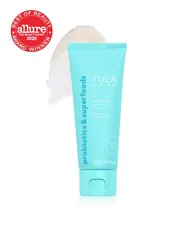
Works for:
based on ingredients and %- Anti-oxidation
- Moisturizing
- Anti-aging
Doesn't work for:
based on ingredients and %- Exfoliation
Can it cause trouble?
- Irritation risk: high
- Comedogenic risk ingredients: 0
Key actives

Anti-oxidation
This product contains antioxidants (vitis vinifera seed extract) that can help neutralize free radicals in skin. By doing so, they can lessen the damage the skin gets from the UV light (sun).
A plant extract that contains resveratrol and other anti-oxidant compounds that can help neutralize free radicals, reduce inflammation in skin and even out its tone. Can be also used to stabilize the product formulation
Consists of remains of dead bacteria cells. Is likely helpful in attracting water to the upper layer of the skin. Might be helpful in reducing inflammation and neutralizing free radicals in skin
Helps to soften the upper layer of the skin and might have some anti-oxidant effect
A more stable but less bio-available form of vitamin E compared to Tocopherol. Might help moisturize and protect the skin from free radicals, but mostly used in low concentrations to stabilize other ingredients.
Anti-aging
This product contains vitis vinifera seed extract. This ingredient might be able to help reduce and prevent fine lines and wrinkles, improve skin elasticity and firmness, but there is not enough evidence that it actually works.
A plant extract that contains resveratrol and other anti-oxidant compounds that can help neutralize free radicals, reduce inflammation in skin and even out its tone. Can be also used to stabilize the product formulation
Consists of remains of dead bacteria cells. Is likely helpful in attracting water to the upper layer of the skin. Might be helpful in reducing inflammation and neutralizing free radicals in skin
An exfoliating and moisturizing alpha-hydroxy acid (AHA). Typically causes less irritation than other AHAs, for example, glycolic acid. At high concentrations (about 15%), lactic acid can help reduce lines and wrinkles. Recent studies show that lactic acid can support the "good" bacteria living on skin's surface (healthy skin microbiome)
Moisturizing
This product contains good ingredients to attract water to the upper layer of the skin. These ingredients are called "humectants": glycerin, sucrose.
When humectants are on the surface of the skin, they “pull in” the moisture from the outside environment, or from within deeper layers of the skin. If the air is dry, humectants can speed up the moisture loss from the skin. This is why it is a good idea to use another product on top of this one to help "seal in" the moisture (look for ingredients like dimethicone, squalane, oils and butters).
Can help attract water to the upper layer of the skin. In crystal form, it can work as a gentle exfoliant, gentler than the salt scrub. Helps stabilize the emulsion
One of the best moisturizing ingredients. Naturally present in skin. It attracts water to the upper layer of the skin working as a humectant
Helps soften the upper layer of the skin and thickens the product's texture
Consists of remains of dead bacteria cells. Is likely helpful in attracting water to the upper layer of the skin. Might be helpful in reducing inflammation and neutralizing free radicals in skin
Helps to soften the upper layer of the skin and might have some anti-oxidant effect
Helps attract water to the upper layer of the skin. Could be helpful in restoring the skin barrier function
An emollient that helps to soften the skin and create a pleasant product texture and stabilize the formulation
A fruit extract that might help to attract water to the upper layer of the skin, but there is no evidence for any other benefits to the skin
Used to create a nice product texture and help delivery of other ingredients. Might be somewhat helpful in attracting water to the upper layer of the skin
Is used to dissolve other ingredients and create nice product texture
An exfoliating and moisturizing alpha-hydroxy acid (AHA). Typically causes less irritation than other AHAs, for example, glycolic acid. At high concentrations (about 15%), lactic acid can help reduce lines and wrinkles. Recent studies show that lactic acid can support the "good" bacteria living on skin's surface (healthy skin microbiome)
Exfoliation
What does the product description say?
Provides gentle yet effective chemical & physical exfoliation
Source: Tula
This product might help exfoliate the skin with papain, but This ingredient is not the most effective.
An enzyme extracted from papaya fruit. Can have an exfoliating effect on the skin. Can be irritating
An exfoliating and moisturizing alpha-hydroxy acid (AHA). Typically causes less irritation than other AHAs, for example, glycolic acid. At high concentrations (about 15%), lactic acid can help reduce lines and wrinkles. Recent studies show that lactic acid can support the "good" bacteria living on skin's surface (healthy skin microbiome)
How honest is this product?
| Promise | Can it deliver? |
|---|---|
| Exfoliation |
Total Promises Fulfilled score: 50/100.
We receive a small commission for purchases made through these links at no cost for you. Thank you for your support! Learn more
Potential irritants
Comedogenic ingredients
No comedogenic ingredients detected
User reviews (0)
Averages from community submissions.
No reviews yet for this product.
Be the first to share your experience!
Tried this product?
Help capture what the ingredient list can't—texture, finish, pilling, scent, and more. Answer what you can, skip the rest.
Takes ~30 seconds.
Reviews are shown in aggregate. No personal details.
Key Actives
Consists of remains of dead bacteria cells. Is likely helpful in attracting water to the upper layer of the skin. Might be helpful in reducing inflammation and neutralizing free radicals in skin
An exfoliating and moisturizing alpha-hydroxy acid (AHA). Typically causes less irritation than other AHAs, for example, glycolic acid. At high concentrations (about 15%), lactic acid can help reduce lines and wrinkles. Recent studies show that lactic acid can support the "good" bacteria living on skin's surface (healthy skin microbiome)
A plant extract that contains resveratrol and other anti-oxidant compounds that can help neutralize free radicals, reduce inflammation in skin and even out its tone. Can be also used to stabilize the product formulation
Helps to soften the upper layer of the skin and might have some anti-oxidant effect
Can help attract water to the upper layer of the skin. In crystal form, it can work as a gentle exfoliant, gentler than the salt scrub. Helps stabilize the emulsion
Helps soften the upper layer of the skin and thickens the product's texture
One of the best moisturizing ingredients. Naturally present in skin. It attracts water to the upper layer of the skin working as a humectant
Potential irritants
An enzyme extracted from papaya fruit. Can have an exfoliating effect on the skin. Can be irritating
Used as a fragrance. Can be irritating and cause photosensitivity
An aromatic blend of unspecified and possibly irritating ingredients
A common frangrance that can easily irritate skin, especially if exposed to air, light or heat
Helps oils and water mix together and works as a cleansing agent
Helps soften the upper layer of the skin and thickens the product's texture
An exfoliating and moisturizing alpha-hydroxy acid (AHA). Typically causes less irritation than other AHAs, for example, glycolic acid. At high concentrations (about 15%), lactic acid can help reduce lines and wrinkles. Recent studies show that lactic acid can support the "good" bacteria living on skin's surface (healthy skin microbiome)
A fruit extract that might help to attract water to the upper layer of the skin, but there is no evidence for any other benefits to the skin
A more stable but less bio-available form of vitamin E compared to Tocopherol. Might help moisturize and protect the skin from free radicals, but mostly used in low concentrations to stabilize other ingredients.
Comedogenic ingredients
We couldn't find any comedogenic ingredients in this product
All ingredients
Can help attract water to the upper layer of the skin. In crystal form, it can work as a gentle exfoliant, gentler than the salt scrub. Helps stabilize the emulsion
An emollient that helps to soften the skin and create a pleasant product texture and stabilize the formulation
Helps oils and water mix together and works as a cleansing agent
Helps to soften the upper layer of the skin and might have some anti-oxidant effect
Helps soften the upper layer of the skin and thickens the product's texture
A type of clay that is used to thicken the product consistency
Consists of remains of dead bacteria cells. Is likely helpful in attracting water to the upper layer of the skin. Might be helpful in reducing inflammation and neutralizing free radicals in skin
An enzyme extracted from papaya fruit. Can have an exfoliating effect on the skin. Can be irritating
An exfoliating and moisturizing alpha-hydroxy acid (AHA). Typically causes less irritation than other AHAs, for example, glycolic acid. At high concentrations (about 15%), lactic acid can help reduce lines and wrinkles. Recent studies show that lactic acid can support the "good" bacteria living on skin's surface (healthy skin microbiome)
Used as a fragrance. Can be irritating and cause photosensitivity
A fruit extract that might help to attract water to the upper layer of the skin, but there is no evidence for any other benefits to the skin
A plant extract that contains resveratrol and other anti-oxidant compounds that can help neutralize free radicals, reduce inflammation in skin and even out its tone. Can be also used to stabilize the product formulation
Helps attract water to the upper layer of the skin. Could be helpful in restoring the skin barrier function
A more stable but less bio-available form of vitamin E compared to Tocopherol. Might help moisturize and protect the skin from free radicals, but mostly used in low concentrations to stabilize other ingredients.
One of the best moisturizing ingredients. Naturally present in skin. It attracts water to the upper layer of the skin working as a humectant
Is used to dissolve other ingredients and create nice product texture
Used to create a nice product texture and help delivery of other ingredients. Might be somewhat helpful in attracting water to the upper layer of the skin
Used to stabilize mixtures of oil and water, and create thicker, gel-like product textures
A preservative. It helps prevent bacterial growth in cosmetic products
Used to stabilize the product formulation and can help absorb oil
An aromatic blend of unspecified and possibly irritating ingredients
A common frangrance that can easily irritate skin, especially if exposed to air, light or heat
Ingredient list view
Sucrose, Propylene glycol dicaprylate/dicaprate, Octyldodecanol, Peg-7 glyceryl cocoate, Mangifera indica seed butter, Euphorbia cerifera cera, Disteardimonium hectorite, Lactococcus ferment lysate, Bromelain, Papain, Lactic acid, Carica papaya fruit extract, Citrus limon fruit extract, Ananas sativus fruit extract, Vitis vinifera seed extract, Glucose, Tocopheryl acetate, Water, Glycerin, Propylene carbonate, Butylene glycol, Sodium chloride, Sodium benzoate, Phenoxyethanol, Maltodextrin, Parfum, Limonene, Benzyl salicylate, Hydroxycitronellal
- Extraction and Characteristics of Seed Kernel Oil from Mango
- Promising features of mango (Mangifera indica L.) kernel oil: a review
- Evaluation of the fatty acid composition of the seeds of Mangifera indica L. and their application
- Final Report on the Safety Assessment of Candelilla Wax, Carnauba Wax, Japan Wax, and Beeswax
- Epidermal and dermal effects of topical lactic acid
- Dual Effects of Alpha-Hydroxy Acids on the Skin
- Safety Assessment of Citrus-Derived Peel Oils as Used in Cosmetics
- Safety Assessment of Vitis Vinifera (Grape)-Derived Ingredients as Used in Cosmetics
- The Topical Effect of Grape Seed Extract 2% Cream on Surgery Wound Healing
- Review of the Pharmacological Effects of Vitis vinifera (Grape) and its Bioactive Constituents: An Update
- Topical Glucose Induces Claudin-1 and Filaggrin Expression in a Mouse Model of Atopic Dermatitis and in Keratinocyte Culture, Exerting Anti-inflammatory Effects by Repairing Skin Barrier Function
- Glycerol and the skin: holistic approach to its origin and functions