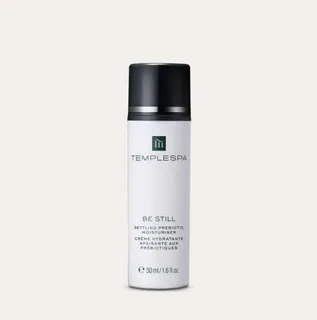
Works for
MoisturizingPanthenol, Glycerin + 18 moreWorks well
“Beautiful. Sophisticated. A texture like liquid silk that settles the skin immediately, leaving it smooth and hydrated.”
This product can help improve hydration of the skin with the two types of ingredients.
The first type is called “humectants”:
these ingredients help attract water.
When humectants are on the surface of the skin, they “pull in” the moisture from the outside environment, or from
within deeper layers of the skin. The following ingredients in this product do the job:
glycerin, caprylyl glycol.
This product also contains ingredients called “occlusives”. They help reduce the speed with which our skin loses moisture to the outside environment. These ingredients also help soften the upper layer of the skin, so it feels less tight and nicer to the touch. The following ingredients in this product do the job: caprylic/capric triglyceride, helianthus annuus seed oil.
The following ingredients in this product are especially good for supporting the skin barrier and helping with the hydration level: panthenol
Can it cause trouble?
Irritancy9 strong irritants: Calendula officinalis flower extract, Lavandula angustifolia oil + 7 more — patch-test recommendedHigh risk
Comedogenic2 ingredients rated 2 or more on the 0–5 pore-clogging scale2 flagged
User reviews
Be the first — your take helps the next person decide.
Ingredients
Filter by role to see what each ingredient is doing.
Water~45–55%
Glycerin~4.2–5.2%
- Irritation risk
- Low
One of the best moisturizing ingredients. Naturally present in skin. It attracts water to the upper layer of the skin working as a humectant
More about GlycerinCetearyl alcohol~3.3–4%
- Irritation risk
- Low
- Comedogenicity
- 2/5
A non-drying alcohol. Works as an emollient. Helps water and oil mix together and creates a nice product texture
More about Cetearyl alcoholCeteth-20~2.9–3.5%
Oryza sativa starch~2.3–2.8%
- Irritation risk
- Low
Ethylhexyl methoxycinnamate~2.4–2.9%
- Irritation risk
- High
Octinoxate. When used in higher concentrations, works as a sunscreen protecting the skin from UVB rays. When used in lower concentration, helps to preserve the product formulation. Is shown to be harmful to coral reefs - consider avoiding bathing in coral reef areas when wearing a product with this ingredient. It can be irritating
More about Ethylhexyl methoxycinnamateHydroxyethyl acrylate/sodium acryloyldimethyl taurate copolymer~1.6–2%
- Irritation risk
- Medium
A gelling agent that thickens the product consistency and leaves the skin with a velvety finish
More about Hydroxyethyl acrylate/sodium acryloyldimethyl taurate copolymerCaprylic/capric triglyceride~1.5–1.8%
- Irritation risk
- Medium
A good mix of fatty acids that forms a protective layer on the skin. Improves the shelf life of products. Derived from coconut and glycerin
More about Caprylic/capric triglycerideEthylhexyl salicylate~1.6–2%
- Irritation risk
- Low
Octisalate. A UV filter. It offers some protection against the sun rays that cause sunburn (UVB), but does not protect against the most aging sun rays (UVA). It loses its effectiveness quickly when exposed to sunlight. It is an organic, or so called "chemical" sunscreen
More about Ethylhexyl salicylateMyreth-3 myristate~0.95–1.2%
Olea europaea fruit oil~0.7–1%
- Irritation risk
- Medium
An emollient that helps soften the skin but is not effective for restoring its barrier function. Might be helpful to calm down inflammation
More about Olea europaea fruit oilCoco-glucoside~0.6–0.95%
- Irritation risk
- High
Used as a cleansing agent (surfactant) in cleansers. Helps water and oil mix together in lotions. Can be irritating
More about Coco-glucosideUndecane~0.5–0.75%
- Irritation risk
- Medium
Helps create a non-greasy finish on the skin
More about UndecaneInulin~0.45–0.65%
- Irritation risk
- Low
Helps attract water to the upper layer of the skin. Is claimed to support the growth of "good" bacteria in skin (as a "prebiotic"), but the research is lacking
More about InulinGlycine soja oil~0.45–0.65%
- Irritation risk
- Medium
- Comedogenicity
- 2/5
A good emollient that helps soften the skin and helps repair its barrier function. It can clog pores if used in high concentrations.
More about Glycine soja oilPhenoxyethanol~0.4–0.65%
- Irritation risk
- Low
A preservative. It helps prevent bacterial growth in cosmetic products
More about PhenoxyethanolCaprylyl glycol~0.4–0.65%
- Irritation risk
- Medium
Helps preserve products and creates a nice product texture
More about Caprylyl glycolPrunus armeniaca kernel oil~0.35–0.65%
- Irritation risk
- Medium
An emollient that helps soften the skin
More about Prunus armeniaca kernel oilTocopheryl acetate~0.3–0.55%
- Irritation risk
- Medium
A more stable but less bio-available form of vitamin E compared to Tocopherol. Might help moisturize and protect the skin from free radicals, but mostly used in low concentrations to stabilize other ingredients.
More about Tocopheryl acetatePeg-14m~0.3–0.5%
- Irritation risk
- Low
Tridecane~0.25–0.45%
Octyldodecanol~0.25–0.5%
- Irritation risk
- Low
An emollient that helps to soften the skin and create a pleasant product texture and stabilize the formulation
More about OctyldodecanolCalendula officinalis flower extract~0.2–0.35%
- Irritation risk
- High
A plant extract that has some anti-oxidant and anti-bacterial properties. Can be irritating
More about Calendula officinalis flower extractAlpha-glucan oligosaccharide~0.3–0.5%
- Irritation risk
- Low
Helps attract water to the upper layer of the skin
More about Alpha-glucan oligosaccharideButyl methoxydibenzoylmethane~0.45–0.65%
- Irritation risk
- Medium
Avobenzone. An organic, or so-called "chemical" UV filter. Protects against both UVA and UVB rays. Needs to be combined with other filters in a formulation to be stable.
More about Butyl methoxydibenzoylmethanePropylene glycol~0.2–0.4%
- Irritation risk
- High
Helps oil and water mix together and can enhance the penetration of other ingredients into the skin. It can be irritating
More about Propylene glycolTetrasodium glutamate diacetate~0.2–0.4%
- Irritation risk
- Low
Helps stabilize the product formulation
More about Tetrasodium glutamate diacetatePolysorbate 60~0.25–0.45%
Sorbitan isostearate~0.25–0.45%
- Irritation risk
- Low
Helps oil and water mix together
More about Sorbitan isostearateLavandula angustifolia oil~0.2–0.4%
- Irritation risk
- High
An essential oil. Potential allergen and can be irritating. It has some anti-bacterial properties
More about Lavandula angustifolia oilRetinyl palmitate~0.25–0.4%
- Irritation risk
- High
Three steps removed from the active form of vitamin A - retinoic acid. To have an effect in the skin, it first needs to be converted twice to become the retinoic acid. This means it is less potent than retinol, but could also be less irritating. Once converted to the retinoic acid in the skin, it helps against all signs of aging, improves skin cell turnover and helps fight blemishes and clogged pores. However, in many cosmetic formulations, it is used in a concentration that is too low to have the full effect
More about Retinyl palmitateRibes nigrum seed oil~0.25–0.5%
- Irritation risk
- Medium
An emollient. Can be helpful for restoring skin barrier function.
More about Ribes nigrum seed oilPanthenol~0.25–0.45%
- Irritation risk
- Low
Helps attract water to the upper layer of the skin and can help improve skin barrier function
More about PanthenolCitric acid~0.25–0.4%
- Irritation risk
- Medium
Can work as an exfoliant but is typically used to adjust the product pH
More about Citric acidAscorbyl tetraisopalmitate~0.25–0.45%
- Irritation risk
- Medium
A vitamin C derivative. Studies show that is might be effective in reducing hyperpigmentation, but there are no studies confirming that it is effectively converted into the bioavailable form of Vitamin C in skin. It is not clear how this derivative compares in effectiveness to the topical application of bioavailable form of vitamin C (L-ascorbic acid)
More about Ascorbyl tetraisopalmitateHelianthus annuus seed oil unsaponifiables~0.25–0.5%
- Irritation risk
- Low
A great emollient due to its high linoleic acid content. One of the most effective plant oils in helping skin hydration and repairing skin barrier function
More about Helianthus annuus seed oil unsaponifiablesTocopherol~0.25–0.45%
- Irritation risk
- Low
Pure form of vitamin E. Can help moisturise and protect the skin from free radicals. Often used to help stabilise other ingredients or the formula itself
More about TocopherolCarica papaya fruit extract~0.2–0.4%
- Irritation risk
- High
Cucumis sativus fruit water~0.2–0.4%
Avena strigosa seed extract~0.2–0.4%
- Irritation risk
- Low
Lecithin~0.25–0.5%
- Irritation risk
- Low
Used mostly for creating emulsions - helping oil and water mix together. Helps soften the upper layer of the skin
More about LecithinPeg-40 hydrogenated castor oil~0.25–0.45%
- Irritation risk
- Medium
Helps oil and water mix together
More about Peg-40 hydrogenated castor oilSodium hydroxide~0.2–0.4%
Cardiospermum halicacabum flower/leaf/vine extract~0.2–0.4%
- Irritation risk
- High
A plant extract that might have some anti-inflammatory and anti-oxidant properties but evidence is missing
More about Cardiospermum halicacabum flower/leaf/vine extractHelianthus annuus seed oil~0.25–0.45%
- Irritation risk
- Low
A great emollient due to its high linoleic acid content. One of the most effective plant oils in helping skin hydration and repairing skin barrier function
More about Helianthus annuus seed oilPotassium sorbate~0.2–0.4%
Bht~0.2–0.4%
Beta vulgaris root extract~0.2–0.4%
- Irritation risk
- Medium
A plant extract that might have some antioxidant properties, but mostly used in cosmetics for its color
More about Beta vulgaris root extractEthylhexylglycerin~0.2–0.4%
Solanum melongena fruit extract~0.2–0.4%
- Irritation risk
- Medium
Eggplant fruit extract. Might have some anti-oxidant effect
More about Solanum melongena fruit extractOcimum basilicum oil~0.2–0.35%
Rosmarinus officinalis leaf extract~0.15–0.25%
- Irritation risk
- High
Can be helpful in reducing inflammation in skin, including inflamed acne. It can be irritating
More about Rosmarinus officinalis leaf extractSodium benzoate~0.1–0.2%
Glycyrrhiza glabra root extract~0.15–0.3%
- Irritation risk
- Medium
A plant extract that can help lighten the skin and calm down inflammation. Might be helpful in neutralizing free radicals
More about Glycyrrhiza glabra root extractLinalool~0.15–0.25%
Geraniol~0.1–0.15%
Limonene~0.1–0.15%
- Irritation risk
- High
A common frangrance that can easily irritate skin, especially if exposed to air, light or heat
More about LimoneneIngredient list view
Water, Glycerin, Cetearyl alcohol, Ceteth-20, Oryza sativa starch, Ethylhexyl methoxycinnamate, Hydroxyethyl acrylate/sodium acryloyldimethyl taurate copolymer, Caprylic/capric triglyceride, Ethylhexyl salicylate, Myreth-3 myristate, Olea europaea fruit oil, Coco-glucoside, Undecane, Inulin, Glycine soja oil, Phenoxyethanol, Caprylyl glycol, Prunus armeniaca kernel oil, Tocopheryl acetate, Peg-14m, Tridecane, Octyldodecanol, Calendula officinalis flower extract, Alpha-glucan oligosaccharide, Butyl methoxydibenzoylmethane, Propylene glycol, Tetrasodium glutamate diacetate, Polysorbate 60, Sorbitan isostearate, Lavandula angustifolia oil, Retinyl palmitate, Ribes nigrum seed oil, Panthenol, Citric acid, Ascorbyl tetraisopalmitate, Helianthus annuus seed oil unsaponifiables, Tocopherol, Carica papaya fruit extract, Cucumis sativus fruit water, Avena strigosa seed extract, Lecithin, Peg-40 hydrogenated castor oil, Sodium hydroxide, Cardiospermum halicacabum flower/leaf/vine extract, Helianthus annuus seed oil, Potassium sorbate, Bht, Beta vulgaris root extract, Ethylhexylglycerin, Solanum melongena fruit extract, Ocimum basilicum oil, Rosmarinus officinalis leaf extract, Sodium benzoate, Glycyrrhiza glabra root extract, Linalool, Geraniol, Limonene
Compare prices
Retailers ranked by price — lowest first.
Affiliate links · As an Amazon Associate, WIMJ earns from qualifying purchases.
Worth comparing, line by line.
Match % combines shared ingredients, the first five ingredients, shared actives and hero ingredients, irritancy (lower counts in the alternative's favour), texture and body area. Only products in the same routine step are compared.
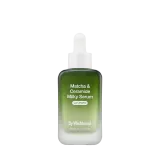
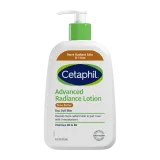
| Temple SpaBE STILLYOUR PRODUCT | By WishtrendMatcha & Ceramide Milky Serum | CetaphilAdvanced Radiance Lotion | AtwaterHeavy Armor Facial Moisturizer | |
|---|---|---|---|---|
| Match | — | 56% | 56% | 55% |
| Price | — | $28.00 | $26.66 | $37.00 |
| Shared key ingredients | — | 5 of 15 | 3 of 15 | 6 of 15 |
| Key difference | — | Copper Tripeptide-1 | Niacinamide | Niacinamide |
| Irritancy | High | Medium | Low | Medium |
| Drying alcohol | — | — | — | — |
| View product | Shop | Shop | Shop |

More alternatives: Paula's choice CBD Skin Transformative Treatment Milk Full SizeJUMISO D-Panthenol Barrier Soothing Cleansing Milk
Sources cited in this review
Every concentration estimate and effectiveness label is anchored to one of these 31 studies and safety reviews.
- 1
- 2Use of “natural” oils for moisturization: Review of olive, coconut, and sunflower seed oilonlinelibrary.wiley.com
- 3
- 4Allergen of the Year—Alkyl Glucosidepracticeupdate.com
- 5
- 6

Affiliate links · As an Amazon Associate, WIMJ earns from qualifying purchases.