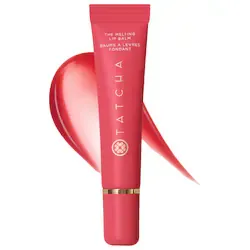
Tatcha The Melting Lip Balm Volumizing & Restorative Peptide Treatment
Works for
MoisturizingLinoleic acid, Tripeptide-1 + 11 moreWorks well
“A lush lip balm that melts into a nourishing oil that visibly volumizes lips and restores the lip barrier with a glassy, non-sticky finish.”
This product can help improve hydration of the skin with the two types of ingredients.
The first type is called “humectants”:
these ingredients help attract water.
When humectants are on the surface of the skin, they “pull in” the moisture from the outside environment, or from
within deeper layers of the skin. The following ingredients in this product do the job:
sodium hyaluronate.
This product also contains ingredients called “occlusives”. They help reduce the speed with which our skin loses moisture to the outside environment. These ingredients also help soften the upper layer of the skin, so it feels less tight and nicer to the touch. The following ingredients in this product do the job: caprylic/capric triglyceride, jojoba esters.
The following ingredients in this product are especially good for supporting the skin barrier and helping with the hydration level: linoleic acid, tripeptide-1
Anti-agingTripeptide-1, TocopherolMay help
“- 100% showed improvement in the look of lip lines”
This product contains tripeptide-1. There is some human evidence that this ingredient helps reduce and prevent fine lines and wrinkles and improve skin elasticity and firmness, though it is smaller or less consistent than the evidence for the best anti-aging ingredients.
Can it cause trouble?
Irritancy4 strong irritants: Parfum, Limonene + 2 more — patch-test recommendedHigh risk
ComedogenicClean of flagged comedogenic ingredientsNone flagged
User reviews
Be the first — your take helps the next person decide.
Ingredients
Filter by role to see what each ingredient is doing.
Polybutene~22–33%
Caprylic/capric triglyceride~4.9–7.4%
- Irritation risk
- Medium
A good mix of fatty acids that forms a protective layer on the skin. Improves the shelf life of products. Derived from coconut and glycerin
More about Caprylic/capric triglycerideDiisostearyl malate~4.7–7%
- Irritation risk
- Medium
Helps to soften the upper layer of the skin
More about Diisostearyl malatePolyglyceryl-2 triisostearate~3–4.5%
- Irritation risk
- Low
Helps to soften the upper layer of the skin and create a nice product texture
More about Polyglyceryl-2 triisostearateDextrin palmitate~2.3–3.5%
- Irritation risk
- Medium
Helps water and oil mix together
More about Dextrin palmitateDiphenyl dimethicone~2–3%
Isohexadecane~1.6–2.3%
- Irritation risk
- Low
Improves the texture of the product and helps soften the skin. Helps oil and water mix together and can be used as a cleansing agent
More about IsohexadecaneJojoba esters~1.3–1.9%
- Irritation risk
- Medium
An emollient made of jojoba oil. Helps soften the skin and support its barrier function
More about Jojoba estersSynthetic wax~1.1–1.6%
- Irritation risk
- Low
Used to stabilize product formulations and thicken product consistency
More about Synthetic waxDictyopteris polypodioides extract~0.9–1.3%
- Irritation risk
- Low
Calophyllum inophyllum seed oil~0.55–1.3%
- Irritation risk
- Low
Sodium hyaluronate~0.4–0.9%
- Irritation risk
- Low
One of the best moisturizing ingredients. Attracts water into the upper layer of the skin
More about Sodium hyaluronateLinoleic acid~0.45–1.05%
- Irritation risk
- Low
An excellent emollient. Helps soften the skin, restore its barrier function, and can help to calm down inflammation. It can be helpful to prevent blemishes and clogged pores
More about Linoleic acidOleic acid~0.4–0.9%
- Irritation risk
- Medium
Helps soften the upper layer of the skin. At the same time, it can weaken the skin's barrier enhancing penetration of other ingredients and increasing the risk of skin dryness
More about Oleic acidEthylene/propylene/styrene copolymer~0.2–0.8%
- Irritation risk
- Low
Used to create a thicker product consistency
More about Ethylene/propylene/styrene copolymerPalmitic acid~0.35–0.85%
- Irritation risk
- Low
An emollient that is naturally present in skin and helps soften it
More about Palmitic acidButylene/ethylene/styrene copolymer~0.2–0.75%
- Irritation risk
- Low
Used to create a gel-like product texture
More about Butylene/ethylene/styrene copolymerStearic acid~0.35–0.85%
- Irritation risk
- Low
Helps oil and water mix together and works as an emollient
More about Stearic acidLinolenic acid~0.3–0.75%
- Irritation risk
- Medium
An emollient that helps soften the skin and calm down inflammation
More about Linolenic acidTripeptide-1~0.2–0.7%
- Irritation risk
- Low
A type of peptide. Peptides are excellent moisturizers and might be able support collagen production reducing fine lines and wrinkles
More about Tripeptide-1Xanthan gum~0.15–0.55%
- Irritation risk
- Low
Used to create a thicker product consistency
More about Xanthan gumGlyceryl diisostearate~0.2–0.7%
Parfum~0.1–0.45%
- Irritation risk
- High
An aromatic blend of unspecified and possibly irritating ingredients
More about ParfumSimethicone~0.15–0.65%
- Irritation risk
- Low
A type of silicone that helps to create nice product texture and is used as an anti-foaming agent
More about SimethiconeTocopherol~0.1–0.5%
- Irritation risk
- Low
Pure form of vitamin E. Can help moisturise and protect the skin from free radicals. Often used to help stabilise other ingredients or the formula itself
More about TocopherolPentaerythrityl tetra-di-t-butyl hydroxyhydrocinnamate~0.15–0.5%
- Irritation risk
- Low
Used to increase stability of product formulations
More about Pentaerythrityl tetra-di-t-butyl hydroxyhydrocinnamateLimonene~0.1–0.45%
- Irritation risk
- High
A common frangrance that can easily irritate skin, especially if exposed to air, light or heat
More about LimoneneCitrus aurantium peel oil~0.1–0.4%
- Irritation risk
- Low
Citrus aurantium bergamia peel oil~0.1–0.5%
- Irritation risk
- High
Linalyl acetate~0.1–0.45%
- Irritation risk
- Low
Pinene~0.1–0.5%
- Irritation risk
- Low
Linalool~0.1–0.4%
Ethylhexylglycerin~0.1–0.45%
Aluminum hydroxide~0.15–0.7%
- Irritation risk
- Low
Is used to add opaque (non-transparent) appearance to formulations. Can be used to coat other ingredients for even dispersion. This is a different ingredient compared to the ones used in antipersperants (aluminium chloride and aluminium chlorohydrate)
More about Aluminum hydroxidePhenoxyethanol~0.1–0.4%
- Irritation risk
- Low
A preservative. It helps prevent bacterial growth in cosmetic products
More about PhenoxyethanolTitanium dioxide~0.15–0.65%
- Irritation risk
- Low
Works as a UV filter when used in high concentrations. It is photostable and is effective mostly against the UVB light, with some protection in the UVA range. In small concentrations, used for its ability to improve the color of cosmetic products. Is usually well tolerated by the skin
More about Titanium dioxideIron oxides~0.05–0.3%
- Irritation risk
- Low
An umbrella term for the following three colorants: CI 77491, CI 77492, CI 77499. They might be able to offer some protection against visible light, but the degree of the protection is not clear
More about Iron oxidesIron oxides~0.05–0.25%
- Irritation risk
- Low
An umbrella term for the following three colorants: CI 77491, CI 77492, CI 77499. They might be able to offer some protection against visible light, but the degree of the protection is not clear
More about Iron oxidesIron oxides~0.05–0.2%
- Irritation risk
- Low
An umbrella term for the following three colorants: CI 77491, CI 77492, CI 77499. They might be able to offer some protection against visible light, but the degree of the protection is not clear
More about Iron oxidesCi 15850~0.05–0.25%
Ci 19140~0.05–0.15%
Blue 1 lake~0.05–0.15%
Ingredient list view
Polybutene, Caprylic/capric triglyceride, Diisostearyl malate, Polyglyceryl-2 triisostearate, Dextrin palmitate, Diphenyl dimethicone, Isohexadecane, Jojoba esters, Synthetic wax, Dictyopteris polypodioides extract, Calophyllum inophyllum seed oil, Sodium hyaluronate, Linoleic acid, Oleic acid, Ethylene/propylene/styrene copolymer, Palmitic acid, Butylene/ethylene/styrene copolymer, Stearic acid, Linolenic acid, Tripeptide-1, Xanthan gum, Glyceryl diisostearate, Parfum, Simethicone, Tocopherol, Pentaerythrityl tetra-di-t-butyl hydroxyhydrocinnamate, Limonene, Citrus aurantium peel oil, Citrus aurantium bergamia peel oil, Linalyl acetate, Pinene, Linalool, Ethylhexylglycerin, Aluminum hydroxide, Phenoxyethanol, Titanium dioxide, Iron oxides, Iron oxides, Iron oxides, Ci 15850, Ci 19140, Blue 1 lake
Compare prices
Retailers ranked by price — lowest first.

Affiliate links
Worth comparing, line by line.
Match % combines shared ingredients, the first five ingredients, shared actives and hero ingredients, irritancy (lower counts in the alternative's favour), texture and body area. Only products in the same routine step are compared.
| TatchaThe Melting Lip Balm Volumizing & Restorative Peptide TreatmentYOUR PRODUCT | The Crème ShopLip Oil Elixr | NécessaireThe Lip Balm – Instant Relief For Dry, Chapped Lips | Drunk ElephantLippe Balm | |
|---|---|---|---|---|
| Match | — | 46% | 43% | 41% |
| Price | $29.00 | — | $28.00−$1.00 | $6.56−$22.44 |
| Shared key ingredients | — | 4 of 7 | 3 of 7 | 3 of 7 |
| Key difference | — | Jojoba Oil | Niacinamide | Palmitoyl Tripeptide-1 |
| Irritancy | High | High | Medium | Medium |
| Drying alcohol | — | — | — | — |
| View product | Shop | Shop | Shop |
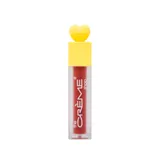
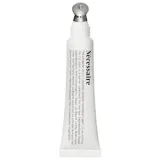

More alternatives: PEACH & LILY Collagen Cushion Peptide Lip Balm - ClearBiossance Squalane and Omega Repair
Sources cited in this review
Every concentration estimate and effectiveness label is anchored to one of these 15 studies and safety reviews.
- 1
- 2
- 3
- 4Hyaluronic acid: A key molecule in skin agingncbi.nlm.nih.gov
- 5
- 6

Affiliate links · As an Amazon Associate, WIMJ earns from qualifying purchases.