Works for
1 of 1 advertised claim delivered
MoisturizingCera microcristallina, Ethylhexyl hydroxystearate + 10 moreGood evidence
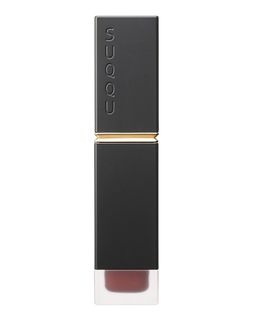
“A unique twist on a classic liquid lipstick finish, this Comfort Lip Fluid Fog from SUQQU boasts comfortable wear and dramatic payoff that's likened to a soft, 'foggy' finish.The formula behind this soft-focus effect is impressively moisturising; it's infused with ultra-high viscosity oil for a hit of hydration that encourages a smooth and even finish.”
This product can help soften the skin and reduce its moisture loss with emollients and occlusives: cera microcristallina, ethylhexyl hydroxystearate.
Keep in mind that this product does not contain effective ingredients to attract water to the upper layer of the skin. This is why an additional product with humectants like glycerin or hyaluronic acid can be helpful (apply it before this product for the best results).
Can it cause trouble?
Irritancy9 flagged ingredients — patch-test recommendedHigh risk
ComedogenicClean of flagged comedogenic ingredientsNone flagged
User reviews
Be the first — your take helps the next person decide.
Ingredients
Filter by role to see what each ingredient is doing.
Synthetic fluorphlogopite~26–39%
- Irritation risk
- Low
A mineral that is used as an optical filter (makes the skin looks nicer through light reflection) and to improve the texture of cosmetic products
More about Synthetic fluorphlogopiteTrimethylsiloxysilicate~6–9.1%
- Irritation risk
- Low
A type of silicone that helps create a nice product consistency and support the delivery of other ingredients
More about TrimethylsiloxysilicateNeopentyl glycol dicaprate~4.6–7%
- Irritation risk
- Low
Helps soften the upper layer of the skin
More about Neopentyl glycol dicaprateDipentaerythrityl tetraisostearate~3.4–5.1%
- Irritation risk
- Low
Isododecane~2.5–3.7%
- Irritation risk
- Low
An emollient that helps soften the skin and can decrease moisture loss. Helps create a nice product texture
More about IsododecaneDiisostearyl malate~2–3%
- Irritation risk
- Medium
Helps to soften the upper layer of the skin
More about Diisostearyl malateIsotridecyl isononanoate~1.6–2.5%
- Irritation risk
- Low
Cellulose~1.5–2.3%
- Irritation risk
- Low
Can be used to help absorb oil as well as add volume and imporve texture of products.
More about CelluloseCera microcristallina~1.5–2.2%
- Irritation risk
- Low
Helps to soften the upper layer of the skin, reduce water loss from its surface and create a thicker product consistency
More about Cera microcristallinaCeresin~1.1–1.6%
Mica~0.95–1.45%
- Irritation risk
- Low
Creates an illusion of smoother and more radiant skin tone. Adds shimmer to the skin by reflecting light
More about MicaLauroyl lysine~0.5–1.15%
- Irritation risk
- Low
Helps soften the upper layer of the skin and creates a nice product texture
More about Lauroyl lysinePhenoxyethanol~0.5–1%
- Irritation risk
- Low
A preservative. It helps prevent bacterial growth in cosmetic products
More about PhenoxyethanolPhytosteryl/behenyl/octyldodecyl lauroyl glutamate~0.45–1.05%
- Irritation risk
- Low
Hydrogenated polyisobutene~0.45–1.1%
- Irritation risk
- Low
Used to improve the product consistency and soften the upper layer of the skin
More about Hydrogenated polyisobuteneIsopropyl titanium triisostearate~0.5–1.15%
- Irritation risk
- Medium
Helps water and oil mix together
More about Isopropyl titanium triisostearateTocopherol~0.4–0.95%
- Irritation risk
- Low
Pure form of vitamin E. Can help moisturise and protect the skin from free radicals. Often used to help stabilise other ingredients or the formula itself
More about TocopherolOlea europaea fruit oil~0.4–0.95%
- Irritation risk
- Medium
An emollient that helps soften the skin but is not effective for restoring its barrier function. Might be helpful to calm down inflammation
More about Olea europaea fruit oilPrunus amygdalus dulcis oil~0.4–0.95%
- Irritation risk
- Low
An emollient that softens the skin
More about Prunus amygdalus dulcis oilRosa canina fruit oil~0.4–0.95%
- Irritation risk
- Medium
A great emollient. Contains vitamin E (tocopherol) which may give it some anti-oxidant properties. Can contain volatile compounds and can be irritating
More about Rosa canina fruit oilTriethoxycaprylylsilane~0.35–0.75%
- Irritation risk
- Low
A type of silicone that helps oil and water mix well together. Helps to disperse other ingredients, e.g. pigments, evenly in a formulation
More about TriethoxycaprylylsilaneSodium lauroyl aspartate~0.4–0.9%
Bht~0.3–0.75%
Zinc chloride~0.2–0.8%
- Irritation risk
- Low
Aluminum hydroxide~0.35–0.85%
- Irritation risk
- Low
Is used to add opaque (non-transparent) appearance to formulations. Can be used to coat other ingredients for even dispersion. This is a different ingredient compared to the ones used in antipersperants (aluminium chloride and aluminium chlorohydrate)
More about Aluminum hydroxideAscorbyl dipalmitate~0.3–0.7%
- Irritation risk
- Low
Ci 15850~0.3–0.75%
Ci 42090~0.3–0.75%
Ci 77120~0.3–0.75%
- Irritation risk
- Low
Iron oxides~0.3–0.7%
- Irritation risk
- Low
An umbrella term for the following three colorants: CI 77491, CI 77492, CI 77499. They might be able to offer some protection against visible light, but the degree of the protection is not clear
More about Iron oxidesCi 77891~0.3–0.7%
- Irritation risk
- Low
Synthetic fluorphlogopite~0.35–0.8%
- Irritation risk
- Low
A mineral that is used as an optical filter (makes the skin looks nicer through light reflection) and to improve the texture of cosmetic products
More about Synthetic fluorphlogopiteTrimethylsiloxysilicate~0.35–0.85%
- Irritation risk
- Low
A type of silicone that helps create a nice product consistency and support the delivery of other ingredients
More about TrimethylsiloxysilicateNeopentyl glycol dicaprate~0.35–0.85%
- Irritation risk
- Low
Helps soften the upper layer of the skin
More about Neopentyl glycol dicaprateDipentaerythrityl tetraisostearate~0.35–0.85%
- Irritation risk
- Low
Isododecane~0.35–0.8%
- Irritation risk
- Low
An emollient that helps soften the skin and can decrease moisture loss. Helps create a nice product texture
More about IsododecaneDiisostearyl malate~0.35–0.85%
- Irritation risk
- Medium
Helps to soften the upper layer of the skin
More about Diisostearyl malateIsotridecyl isononanoate~0.35–0.85%
- Irritation risk
- Low
Cellulose~0.35–0.85%
- Irritation risk
- Low
Can be used to help absorb oil as well as add volume and imporve texture of products.
More about CelluloseCera microcristallina~0.4–0.9%
- Irritation risk
- Low
Helps to soften the upper layer of the skin, reduce water loss from its surface and create a thicker product consistency
More about Cera microcristallinaCeresin~0.35–0.75%
Lauroyl lysine~0.3–0.7%
- Irritation risk
- Low
Helps soften the upper layer of the skin and creates a nice product texture
More about Lauroyl lysinePhenoxyethanol~0.3–0.7%
- Irritation risk
- Low
A preservative. It helps prevent bacterial growth in cosmetic products
More about PhenoxyethanolPhytosteryl/behenyl/octyldodecyl lauroyl glutamate~0.3–0.7%
- Irritation risk
- Low
Hydrogenated polyisobutene~0.35–0.85%
- Irritation risk
- Low
Used to improve the product consistency and soften the upper layer of the skin
More about Hydrogenated polyisobuteneIsopropyl titanium triisostearate~0.4–0.9%
- Irritation risk
- Medium
Helps water and oil mix together
More about Isopropyl titanium triisostearateEthylhexyl hydroxystearate~0.35–0.85%
- Irritation risk
- Low
Helps soften the upper layer of the skin and reduce water loss from it
More about Ethylhexyl hydroxystearateTocopherol~0.3–0.7%
- Irritation risk
- Low
Pure form of vitamin E. Can help moisturise and protect the skin from free radicals. Often used to help stabilise other ingredients or the formula itself
More about TocopherolOlea europaea fruit oil~0.35–0.8%
- Irritation risk
- Medium
An emollient that helps soften the skin but is not effective for restoring its barrier function. Might be helpful to calm down inflammation
More about Olea europaea fruit oilPrunus amygdalus dulcis oil~0.35–0.85%
- Irritation risk
- Low
An emollient that softens the skin
More about Prunus amygdalus dulcis oilRosa canina fruit oil~0.35–0.85%
- Irritation risk
- Medium
A great emollient. Contains vitamin E (tocopherol) which may give it some anti-oxidant properties. Can contain volatile compounds and can be irritating
More about Rosa canina fruit oilTriethoxycaprylylsilane~0.3–0.7%
- Irritation risk
- Low
A type of silicone that helps oil and water mix well together. Helps to disperse other ingredients, e.g. pigments, evenly in a formulation
More about TriethoxycaprylylsilaneBht~0.3–0.75%
Sodium lauroyl aspartate~0.35–0.85%
Zinc chloride~0.2–0.8%
- Irritation risk
- Low
Aluminum hydroxide~0.35–0.85%
- Irritation risk
- Low
Is used to add opaque (non-transparent) appearance to formulations. Can be used to coat other ingredients for even dispersion. This is a different ingredient compared to the ones used in antipersperants (aluminium chloride and aluminium chlorohydrate)
More about Aluminum hydroxideAscorbyl dipalmitate~0.3–0.7%
- Irritation risk
- Low
Ci 15850~0.3–0.75%
Ci 15985~0.3–0.75%
Ci 77120~0.3–0.75%
- Irritation risk
- Low
Ci 77491~0.3–0.75%
- Irritation risk
- Low
A red colorant made of iron oxide. Typically is not irritating
More about Ci 77491Ci 77499~0.3–0.75%
Ci 77891~0.3–0.7%
- Irritation risk
- Low
Synthetic fluorphlogopite~0.35–0.8%
- Irritation risk
- Low
A mineral that is used as an optical filter (makes the skin looks nicer through light reflection) and to improve the texture of cosmetic products
More about Synthetic fluorphlogopiteTrimethylsiloxysilicate~0.35–0.85%
- Irritation risk
- Low
A type of silicone that helps create a nice product consistency and support the delivery of other ingredients
More about TrimethylsiloxysilicateNeopentyl glycol dicaprate~0.35–0.85%
- Irritation risk
- Low
Helps soften the upper layer of the skin
More about Neopentyl glycol dicaprateDipentaerythrityl tetraisostearate~0.35–0.85%
- Irritation risk
- Low
Isododecane~0.35–0.8%
- Irritation risk
- Low
An emollient that helps soften the skin and can decrease moisture loss. Helps create a nice product texture
More about IsododecaneIsotridecyl isononanoate~0.35–0.85%
- Irritation risk
- Low
Cellulose~0.35–0.85%
- Irritation risk
- Low
Can be used to help absorb oil as well as add volume and imporve texture of products.
More about CelluloseDiisostearyl malate~0.35–0.85%
- Irritation risk
- Medium
Helps to soften the upper layer of the skin
More about Diisostearyl malateCera microcristallina~0.4–0.9%
- Irritation risk
- Low
Helps to soften the upper layer of the skin, reduce water loss from its surface and create a thicker product consistency
More about Cera microcristallinaCeresin~0.35–0.75%
Hydrogenated polyisobutene~0.35–0.85%
- Irritation risk
- Low
Used to improve the product consistency and soften the upper layer of the skin
More about Hydrogenated polyisobutenePhytosteryl/behenyl/octyldodecyl lauroyl glutamate~0.3–0.7%
- Irritation risk
- Low
Lauroyl lysine~0.3–0.7%
- Irritation risk
- Low
Helps soften the upper layer of the skin and creates a nice product texture
More about Lauroyl lysinePhenoxyethanol~0.3–0.7%
- Irritation risk
- Low
A preservative. It helps prevent bacterial growth in cosmetic products
More about PhenoxyethanolIsopropyl titanium triisostearate~0.4–0.9%
- Irritation risk
- Medium
Helps water and oil mix together
More about Isopropyl titanium triisostearateAluminum hydroxide~0.35–0.85%
- Irritation risk
- Low
Is used to add opaque (non-transparent) appearance to formulations. Can be used to coat other ingredients for even dispersion. This is a different ingredient compared to the ones used in antipersperants (aluminium chloride and aluminium chlorohydrate)
More about Aluminum hydroxideTriethoxycaprylylsilane~0.3–0.7%
- Irritation risk
- Low
A type of silicone that helps oil and water mix well together. Helps to disperse other ingredients, e.g. pigments, evenly in a formulation
More about TriethoxycaprylylsilaneTocopherol~0.3–0.7%
- Irritation risk
- Low
Pure form of vitamin E. Can help moisturise and protect the skin from free radicals. Often used to help stabilise other ingredients or the formula itself
More about TocopherolOlea europaea fruit oil~0.35–0.8%
- Irritation risk
- Medium
An emollient that helps soften the skin but is not effective for restoring its barrier function. Might be helpful to calm down inflammation
More about Olea europaea fruit oilPrunus amygdalus dulcis oil~0.35–0.85%
- Irritation risk
- Low
An emollient that softens the skin
More about Prunus amygdalus dulcis oilRosa canina fruit oil~0.35–0.85%
- Irritation risk
- Medium
A great emollient. Contains vitamin E (tocopherol) which may give it some anti-oxidant properties. Can contain volatile compounds and can be irritating
More about Rosa canina fruit oilSodium lauroyl aspartate~0.35–0.85%
Zinc chloride~0.2–0.8%
- Irritation risk
- Low
Bht~0.3–0.75%
Ascorbyl dipalmitate~0.3–0.7%
- Irritation risk
- Low
Ci 15850~0.3–0.75%
Ci 19140~0.3–0.75%
Ci 42090~0.3–0.75%
Ci 77120~0.3–0.75%
- Irritation risk
- Low
Iron oxides~0.3–0.7%
- Irritation risk
- Low
An umbrella term for the following three colorants: CI 77491, CI 77492, CI 77499. They might be able to offer some protection against visible light, but the degree of the protection is not clear
More about Iron oxidesCi 77891~0.3–0.7%
- Irritation risk
- Low
Synthetic fluorphlogopite~0.35–0.8%
- Irritation risk
- Low
A mineral that is used as an optical filter (makes the skin looks nicer through light reflection) and to improve the texture of cosmetic products
More about Synthetic fluorphlogopiteTrimethylsiloxysilicate~0.35–0.85%
- Irritation risk
- Low
A type of silicone that helps create a nice product consistency and support the delivery of other ingredients
More about TrimethylsiloxysilicateNeopentyl glycol dicaprate~0.35–0.85%
- Irritation risk
- Low
Helps soften the upper layer of the skin
More about Neopentyl glycol dicaprateDipentaerythrityl tetraisostearate~0.35–0.85%
- Irritation risk
- Low
Isododecane~0.35–0.8%
- Irritation risk
- Low
An emollient that helps soften the skin and can decrease moisture loss. Helps create a nice product texture
More about IsododecaneIsotridecyl isononanoate~0.35–0.85%
- Irritation risk
- Low
Cellulose~0.35–0.85%
- Irritation risk
- Low
Can be used to help absorb oil as well as add volume and imporve texture of products.
More about CelluloseDiisostearyl malate~0.35–0.85%
- Irritation risk
- Medium
Helps to soften the upper layer of the skin
More about Diisostearyl malateCera microcristallina~0.4–0.9%
- Irritation risk
- Low
Helps to soften the upper layer of the skin, reduce water loss from its surface and create a thicker product consistency
More about Cera microcristallinaCeresin~0.35–0.75%
Lauroyl lysine~0.3–0.7%
- Irritation risk
- Low
Helps soften the upper layer of the skin and creates a nice product texture
More about Lauroyl lysinePhenoxyethanol~0.3–0.7%
- Irritation risk
- Low
A preservative. It helps prevent bacterial growth in cosmetic products
More about PhenoxyethanolPhytosteryl/behenyl/octyldodecyl lauroyl glutamate~0.3–0.7%
- Irritation risk
- Low
Hydrogenated polyisobutene~0.35–0.85%
- Irritation risk
- Low
Used to improve the product consistency and soften the upper layer of the skin
More about Hydrogenated polyisobuteneTriethoxycaprylylsilane~0.3–0.7%
- Irritation risk
- Low
A type of silicone that helps oil and water mix well together. Helps to disperse other ingredients, e.g. pigments, evenly in a formulation
More about TriethoxycaprylylsilaneAluminum hydroxide~0.35–0.85%
- Irritation risk
- Low
Is used to add opaque (non-transparent) appearance to formulations. Can be used to coat other ingredients for even dispersion. This is a different ingredient compared to the ones used in antipersperants (aluminium chloride and aluminium chlorohydrate)
More about Aluminum hydroxideIsopropyl titanium triisostearate~0.4–0.9%
- Irritation risk
- Medium
Helps water and oil mix together
More about Isopropyl titanium triisostearateTocopherol~0.3–0.7%
- Irritation risk
- Low
Pure form of vitamin E. Can help moisturise and protect the skin from free radicals. Often used to help stabilise other ingredients or the formula itself
More about TocopherolOlea europaea fruit oil~0.35–0.8%
- Irritation risk
- Medium
An emollient that helps soften the skin but is not effective for restoring its barrier function. Might be helpful to calm down inflammation
More about Olea europaea fruit oilPrunus amygdalus dulcis oil~0.35–0.85%
- Irritation risk
- Low
An emollient that softens the skin
More about Prunus amygdalus dulcis oilRosa canina fruit oil~0.35–0.85%
- Irritation risk
- Medium
A great emollient. Contains vitamin E (tocopherol) which may give it some anti-oxidant properties. Can contain volatile compounds and can be irritating
More about Rosa canina fruit oilSodium lauroyl aspartate~0.35–0.85%
Bht~0.3–0.75%
Zinc chloride~0.2–0.8%
- Irritation risk
- Low
Ascorbyl dipalmitate~0.3–0.7%
- Irritation risk
- Low
Ci 15850~0.3–0.75%
Ci 19140~0.3–0.75%
Ci 42090~0.3–0.75%
Ci 77120~0.3–0.75%
- Irritation risk
- Low
Iron oxides~0.3–0.7%
- Irritation risk
- Low
An umbrella term for the following three colorants: CI 77491, CI 77492, CI 77499. They might be able to offer some protection against visible light, but the degree of the protection is not clear
More about Iron oxidesCi 77891~0.3–0.7%
- Irritation risk
- Low
Synthetic fluorphlogopite~0.35–0.8%
- Irritation risk
- Low
A mineral that is used as an optical filter (makes the skin looks nicer through light reflection) and to improve the texture of cosmetic products
More about Synthetic fluorphlogopiteTrimethylsiloxysilicate~0.35–0.85%
- Irritation risk
- Low
A type of silicone that helps create a nice product consistency and support the delivery of other ingredients
More about TrimethylsiloxysilicateNeopentyl glycol dicaprate~0.35–0.85%
- Irritation risk
- Low
Helps soften the upper layer of the skin
More about Neopentyl glycol dicaprateDipentaerythrityl tetraisostearate~0.35–0.85%
- Irritation risk
- Low
Isododecane~0.35–0.8%
- Irritation risk
- Low
An emollient that helps soften the skin and can decrease moisture loss. Helps create a nice product texture
More about IsododecaneIsotridecyl isononanoate~0.35–0.85%
- Irritation risk
- Low
Cellulose~0.35–0.85%
- Irritation risk
- Low
Can be used to help absorb oil as well as add volume and imporve texture of products.
More about CelluloseCera microcristallina~0.4–0.95%
- Irritation risk
- Low
Helps to soften the upper layer of the skin, reduce water loss from its surface and create a thicker product consistency
More about Cera microcristallinaHydrogenated polyisobutene~0.4–0.9%
- Irritation risk
- Low
Used to improve the product consistency and soften the upper layer of the skin
More about Hydrogenated polyisobuteneCeresin~0.35–0.85%
Phytosteryl/behenyl/octyldodecyl lauroyl glutamate~0.35–0.8%
- Irritation risk
- Low
Diisostearyl malate~0.4–0.9%
- Irritation risk
- Medium
Helps to soften the upper layer of the skin
More about Diisostearyl malateLauroyl lysine~0.35–0.75%
- Irritation risk
- Low
Helps soften the upper layer of the skin and creates a nice product texture
More about Lauroyl lysinePhenoxyethanol~0.35–0.8%
- Irritation risk
- Low
A preservative. It helps prevent bacterial growth in cosmetic products
More about PhenoxyethanolIsopropyl titanium triisostearate~0.4–0.95%
- Irritation risk
- Medium
Helps water and oil mix together
More about Isopropyl titanium triisostearateSodium lauroyl aspartate~0.4–0.95%
Tocopherol~0.35–0.8%
- Irritation risk
- Low
Pure form of vitamin E. Can help moisturise and protect the skin from free radicals. Often used to help stabilise other ingredients or the formula itself
More about TocopherolTriethoxycaprylylsilane~0.35–0.8%
- Irritation risk
- Low
A type of silicone that helps oil and water mix well together. Helps to disperse other ingredients, e.g. pigments, evenly in a formulation
More about TriethoxycaprylylsilaneOlea europaea fruit oil~0.35–0.85%
- Irritation risk
- Medium
An emollient that helps soften the skin but is not effective for restoring its barrier function. Might be helpful to calm down inflammation
More about Olea europaea fruit oilPrunus amygdalus dulcis oil~0.4–0.9%
- Irritation risk
- Low
An emollient that softens the skin
More about Prunus amygdalus dulcis oilRosa canina fruit oil~0.4–0.9%
- Irritation risk
- Medium
A great emollient. Contains vitamin E (tocopherol) which may give it some anti-oxidant properties. Can contain volatile compounds and can be irritating
More about Rosa canina fruit oilZinc chloride~0.35–0.75%
- Irritation risk
- Low
Bht~0.35–0.8%
Ascorbyl dipalmitate~0.35–0.75%
- Irritation risk
- Low
Ci 15850~0.35–0.8%
Ci 77120~0.35–0.8%
- Irritation risk
- Low
Iron oxides~0.35–0.75%
- Irritation risk
- Low
An umbrella term for the following three colorants: CI 77491, CI 77492, CI 77499. They might be able to offer some protection against visible light, but the degree of the protection is not clear
More about Iron oxidesSynthetic fluorphlogopite~0.35–0.85%
- Irritation risk
- Low
A mineral that is used as an optical filter (makes the skin looks nicer through light reflection) and to improve the texture of cosmetic products
More about Synthetic fluorphlogopiteTrimethylsiloxysilicate~0.4–0.9%
- Irritation risk
- Low
A type of silicone that helps create a nice product consistency and support the delivery of other ingredients
More about TrimethylsiloxysilicateNeopentyl glycol dicaprate~0.4–0.9%
- Irritation risk
- Low
Helps soften the upper layer of the skin
More about Neopentyl glycol dicaprateDipentaerythrityl tetraisostearate~0.4–0.9%
- Irritation risk
- Low
Isododecane~0.35–0.85%
- Irritation risk
- Low
An emollient that helps soften the skin and can decrease moisture loss. Helps create a nice product texture
More about IsododecaneIsotridecyl isononanoate~0.4–0.9%
- Irritation risk
- Low
Cellulose~0.4–0.9%
- Irritation risk
- Low
Can be used to help absorb oil as well as add volume and imporve texture of products.
More about CelluloseDiisostearyl malate~0.4–0.9%
- Irritation risk
- Medium
Helps to soften the upper layer of the skin
More about Diisostearyl malateCera microcristallina~0.4–0.95%
- Irritation risk
- Low
Helps to soften the upper layer of the skin, reduce water loss from its surface and create a thicker product consistency
More about Cera microcristallinaCeresin~0.35–0.85%
Lauroyl lysine~0.35–0.75%
- Irritation risk
- Low
Helps soften the upper layer of the skin and creates a nice product texture
More about Lauroyl lysinePhenoxyethanol~0.35–0.8%
- Irritation risk
- Low
A preservative. It helps prevent bacterial growth in cosmetic products
More about PhenoxyethanolPhytosteryl/behenyl/octyldodecyl lauroyl glutamate~0.3–0.75%
- Irritation risk
- Low
Hydrogenated polyisobutene~0.35–0.85%
- Irritation risk
- Low
Used to improve the product consistency and soften the upper layer of the skin
More about Hydrogenated polyisobuteneAluminum hydroxide~0.4–0.9%
- Irritation risk
- Low
Is used to add opaque (non-transparent) appearance to formulations. Can be used to coat other ingredients for even dispersion. This is a different ingredient compared to the ones used in antipersperants (aluminium chloride and aluminium chlorohydrate)
More about Aluminum hydroxideTriethoxycaprylylsilane~0.35–0.75%
- Irritation risk
- Low
A type of silicone that helps oil and water mix well together. Helps to disperse other ingredients, e.g. pigments, evenly in a formulation
More about TriethoxycaprylylsilaneTocopherol~0.35–0.75%
- Irritation risk
- Low
Pure form of vitamin E. Can help moisturise and protect the skin from free radicals. Often used to help stabilise other ingredients or the formula itself
More about TocopherolOlea europaea fruit oil~0.35–0.8%
- Irritation risk
- Medium
An emollient that helps soften the skin but is not effective for restoring its barrier function. Might be helpful to calm down inflammation
More about Olea europaea fruit oilPrunus amygdalus dulcis oil~0.35–0.85%
- Irritation risk
- Low
An emollient that softens the skin
More about Prunus amygdalus dulcis oilRosa canina fruit oil~0.35–0.85%
- Irritation risk
- Medium
A great emollient. Contains vitamin E (tocopherol) which may give it some anti-oxidant properties. Can contain volatile compounds and can be irritating
More about Rosa canina fruit oilIsopropyl titanium triisostearate~0.4–0.9%
- Irritation risk
- Medium
Helps water and oil mix together
More about Isopropyl titanium triisostearateSodium lauroyl aspartate~0.35–0.85%
Bht~0.2–0.75%
Zinc chloride~0.15–0.65%
- Irritation risk
- Low
Ascorbyl dipalmitate~0.1–0.4%
- Irritation risk
- Low
Ci 15850~0.1–0.4%
Ci 42090~0.1–0.4%
Ci 77120~0.1–0.35%
- Irritation risk
- Low
Iron oxides~0.05–0.25%
- Irritation risk
- Low
An umbrella term for the following three colorants: CI 77491, CI 77492, CI 77499. They might be able to offer some protection against visible light, but the degree of the protection is not clear
More about Iron oxidesCi 77891~0.05–0.25%
- Irritation risk
- Low
Ingredient list view
Synthetic fluorphlogopite, Trimethylsiloxysilicate, Neopentyl glycol dicaprate, Dipentaerythrityl tetraisostearate, Isododecane, Diisostearyl malate, Isotridecyl isononanoate, Cellulose, Cera microcristallina, Ceresin, Mica, Lauroyl lysine, Phenoxyethanol, Phytosteryl/behenyl/octyldodecyl lauroyl glutamate, Hydrogenated polyisobutene, Isopropyl titanium triisostearate, Tocopherol, Olea europaea fruit oil, Prunus amygdalus dulcis oil, Rosa canina fruit oil, Triethoxycaprylylsilane, Sodium lauroyl aspartate, Bht, Zinc chloride, Aluminum hydroxide, Ascorbyl dipalmitate, Ci 15850, Ci 42090, Ci 77120, Iron oxides, Ci 77891, Synthetic fluorphlogopite, Trimethylsiloxysilicate, Neopentyl glycol dicaprate, Dipentaerythrityl tetraisostearate, Isododecane, Diisostearyl malate, Isotridecyl isononanoate, Cellulose, Cera microcristallina, Ceresin, Lauroyl lysine, Phenoxyethanol, Phytosteryl/behenyl/octyldodecyl lauroyl glutamate, Hydrogenated polyisobutene, Isopropyl titanium triisostearate, Ethylhexyl hydroxystearate, Tocopherol, Olea europaea fruit oil, Prunus amygdalus dulcis oil, Rosa canina fruit oil, Triethoxycaprylylsilane, Bht, Sodium lauroyl aspartate, Zinc chloride, Aluminum hydroxide, Ascorbyl dipalmitate, Ci 15850, Ci 15985, Ci 77120, Ci 77491, Ci 77499, Ci 77891, Synthetic fluorphlogopite, Trimethylsiloxysilicate, Neopentyl glycol dicaprate, Dipentaerythrityl tetraisostearate, Isododecane, Isotridecyl isononanoate, Cellulose, Diisostearyl malate, Cera microcristallina, Ceresin, Hydrogenated polyisobutene, Phytosteryl/behenyl/octyldodecyl lauroyl glutamate, Lauroyl lysine, Phenoxyethanol, Isopropyl titanium triisostearate, Aluminum hydroxide, Triethoxycaprylylsilane, Tocopherol, Olea europaea fruit oil, Prunus amygdalus dulcis oil, Rosa canina fruit oil, Sodium lauroyl aspartate, Zinc chloride, Bht, Ascorbyl dipalmitate, Ci 15850, Ci 19140, Ci 42090, Ci 77120, Iron oxides, Ci 77891, Synthetic fluorphlogopite, Trimethylsiloxysilicate, Neopentyl glycol dicaprate, Dipentaerythrityl tetraisostearate, Isododecane, Isotridecyl isononanoate, Cellulose, Diisostearyl malate, Cera microcristallina, Ceresin, Lauroyl lysine, Phenoxyethanol, Phytosteryl/behenyl/octyldodecyl lauroyl glutamate, Hydrogenated polyisobutene, Triethoxycaprylylsilane, Aluminum hydroxide, Isopropyl titanium triisostearate, Tocopherol, Olea europaea fruit oil, Prunus amygdalus dulcis oil, Rosa canina fruit oil, Sodium lauroyl aspartate, Bht, Zinc chloride, Ascorbyl dipalmitate, Ci 15850, Ci 19140, Ci 42090, Ci 77120, Iron oxides, Ci 77891, Unknown, Synthetic fluorphlogopite, Trimethylsiloxysilicate, Neopentyl glycol dicaprate, Dipentaerythrityl tetraisostearate, Isododecane, Isotridecyl isononanoate, Cellulose, Cera microcristallina, Hydrogenated polyisobutene, Ceresin, Phytosteryl/behenyl/octyldodecyl lauroyl glutamate, Diisostearyl malate, Lauroyl lysine, Phenoxyethanol, Isopropyl titanium triisostearate, Sodium lauroyl aspartate, Tocopherol, Triethoxycaprylylsilane, Olea europaea fruit oil, Prunus amygdalus dulcis oil, Rosa canina fruit oil, Zinc chloride, Bht, Ascorbyl dipalmitate, Ci 15850, Ci 77120, Iron oxides, Unknown, Synthetic fluorphlogopite, Trimethylsiloxysilicate, Neopentyl glycol dicaprate, Dipentaerythrityl tetraisostearate, Isododecane, Isotridecyl isononanoate, Cellulose, Diisostearyl malate, Cera microcristallina, Ceresin, Lauroyl lysine, Phenoxyethanol, Phytosteryl/behenyl/octyldodecyl lauroyl glutamate, Hydrogenated polyisobutene, Aluminum hydroxide, Triethoxycaprylylsilane, Tocopherol, Olea europaea fruit oil, Prunus amygdalus dulcis oil, Rosa canina fruit oil, Isopropyl titanium triisostearate, Sodium lauroyl aspartate, Bht, Zinc chloride, Ascorbyl dipalmitate, Ci 15850, Ci 42090, Ci 77120, Iron oxides, Ci 77891
Compare prices
Retailers ranked by price — lowest first.

Affiliate links · prices updated regularly
Sources cited in this review
Every concentration estimate and effectiveness label is anchored to one of these 8 studies and safety reviews.
- 1
- 2Vitamin E in dermatologyncbi.nlm.nih.gov
- 3Vitamin E and Skin Healthlpi.oregonstate.edu
- 4Use of “natural” oils for moisturization: Review of olive, coconut, and sunflower seed oilonlinelibrary.wiley.com
- 5
- 6

Affiliate links · As an Amazon Associate, WIMJ earns from qualifying purchases.