Works for:
based on ingredients and %- Moisturizing
Can it cause trouble?
- Irritation risk: high
- Comedogenic risk ingredients: 0
Key actives

Works for
Moisturizing
What does the product description say?
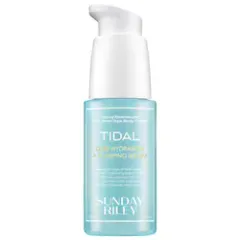
Tidal Deep Hydration and Plumping Serum
Source: Sephora
This product can help improve hydration of the skin with the two types of ingredients.
The first type is called “humectants”:
these ingredients help attract water.
When humectants are on the surface of the skin, they “pull in” the moisture from the outside environment, or from
within deeper layers of the skin. The following ingredients in this product do the job:
anhydroxylitol, arginine.
This product also contains ingredients called “occlusives”. They help reduce the speed with which our skin loses moisture to the outside environment. These ingredients also help soften the upper layer of the skin, so it feels less tight and nicer to the touch. The following ingredients in this product do the job: arginine, phenyl trimethicone.
Helps attract water to the upper layer of the skin and repair the skin barrier function
An amino acid that is naturally present in skin and helps keep it hydrated. When used together with AHAs, it can reduce their irritating effect on the skin
An emollient made of jojoba oil. Helps soften the skin and support its barrier function
This oil's cmposition is closest to rapeseed oil. It is a very stable oil and serves as an emoillient
A type of silicone that can decrease loss of moisture from the skin surface. It helps create a nice product texture
Helps attract water to the upper layer of the skin.
A type of hyaluronic acid that works as an excellent moisturizer by attracting water into the upper layer of the skin. Is typically feels less sticky on the skin compared to the usual hyaluronic acid
One of the best moisturizing ingredients. Attracts water into the upper layer of the skin
Attracts water into the upper layer of the skin
Naturally present in skin and helps to attract water to its upper layer
A sugar that attracts water to the upper layer of the skin
Helps attract water to the upper layer of the skin and repair the skin barrir function
One of the best moisturizing ingredients. Naturally present in skin. It attracts water to the upper layer of the skin working as a humectant
Can help to restore skin barrier function and soften its upper layer
Long sugars that help attract water to the upper layer of the skin
Helps soften the upper layer of the skin
Attracts water into the upper layer of the skin
An emollient that helps soften the skin and can decrease moisture loss. Helps create a nice product texture
Helps attract water to the upper layer of the skin
Helps soften the upper layer of the skin and create a nice product texture
Helps water and oil mix together and softens the upper layer of the skin
Used to improve the product consistency and soften the upper layer of the skin
Used to preserve products, dissolve other ingredients and create a nice product texture
Typically used to stabilize the product formulations. It is a salt of polyhydroxy acid (PHA) and in larger concentrations, can help shed the dead cells from the skin surface revealing smoother skin. It can help attract water to the upper layer of the skin. Might to be helpful against acne and clogged pores. Could be helpful in neutralizing free radicals, but solid research is missing
Can have some moisturizing properties due to its sugar content
Might be somewhat helpful in reducing hyperpigmentation and neutralizing free radicals but its typical concentration in a product is too low for having an effect
Pure form of vitamin E. Can help moisturise and protect the skin from free radicals. Often used to help stabilise other ingredients or the formula itself
How honest is this product?
| Promise | Can it deliver? |
|---|---|
| Moisturizing |
Total Promises Fulfilled score: 75/100.
We receive a small commission for purchases made through these links at no cost for you. Thank you for your support! Learn more
Potential irritants
Comedogenic ingredients
No comedogenic ingredients detected
User reviews (0)
Averages from community submissions.
No reviews yet for this product.
Be the first to share your experience!
Tried this product?
Help capture what the ingredient list can't—texture, finish, pilling, scent, and more. Answer what you can, skip the rest.
Takes ~30 seconds.
Reviews are shown in aggregate. No personal details.
| Product | Similarity | Price | Irritancy |
|---|---|---|---|
 SUNDAY RILEY Tidal Deep Hydration and Plumping Serum | Current | $72.25 | |
Face Reality Skincare hydraRemedy™ Gel Serum | 57% | $45.00 | |
OleHenriksen Peach Glaze Glow Niacinamide + Vitamin C Serum for Brightening | 54% | $45.00 | |
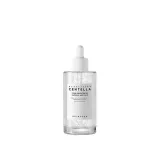 SKIN 1004. Madagascar Centella Tone Brightening Capsule Ampoule Jumbo - Ampoule capsule éclaircissante grand format | 54% | $14.00 | |
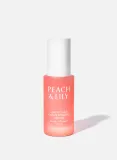 PEACH & LILY Super Oasis Concentrated Serum | 53% | $47.00 | |
 Sollalla Ultimate Hydrate Hyaluronic Serum | 53% | - |
Key Actives
Typically used to stabilize the product formulations. It is a salt of polyhydroxy acid (PHA) and in larger concentrations, can help shed the dead cells from the skin surface revealing smoother skin. It can help attract water to the upper layer of the skin. Might to be helpful against acne and clogged pores. Could be helpful in neutralizing free radicals, but solid research is missing
Pure form of vitamin E. Can help moisturise and protect the skin from free radicals. Often used to help stabilise other ingredients or the formula itself
This oil's cmposition is closest to rapeseed oil. It is a very stable oil and serves as an emoillient
One of the best moisturizing ingredients. Naturally present in skin. It attracts water to the upper layer of the skin working as a humectant
An emollient made of jojoba oil. Helps soften the skin and support its barrier function
Helps attract water to the upper layer of the skin and repair the skin barrier function
A sugar that attracts water to the upper layer of the skin
An amino acid that is naturally present in skin and helps keep it hydrated. When used together with AHAs, it can reduce their irritating effect on the skin
A type of silicone that can decrease loss of moisture from the skin surface. It helps create a nice product texture
Helps attract water to the upper layer of the skin and repair the skin barrir function
A type of hyaluronic acid that works as an excellent moisturizer by attracting water into the upper layer of the skin. Is typically feels less sticky on the skin compared to the usual hyaluronic acid
Attracts water into the upper layer of the skin
Attracts water into the upper layer of the skin
One of the best moisturizing ingredients. Attracts water into the upper layer of the skin
Helps soften the upper layer of the skin
Can help to restore skin barrier function and soften its upper layer
Long sugars that help attract water to the upper layer of the skin
Helps attract water to the upper layer of the skin.
Naturally present in skin and helps to attract water to its upper layer
Potential irritants
Used as a fragrance. Can be irritating and cause photosensitivity
Can be drying and contribute to skin irritation. Used in formulars to dissolve other ingredients, create a thinner product consistency or for its antibacterial properties
A common frangrance that can easily irritate skin, especially if exposed to air, light or heat
An emollient made of jojoba oil. Helps soften the skin and support its barrier function
A gelling agent that thickens the product consistency and leaves the skin with a velvety finish
Attracts water into the upper layer of the skin
A fruit extract that might have some anti-oxidant properties
A plant extract that can contain an antioxidant compound
Can have some moisturizing properties due to its sugar content
A fruit extract that might have some anti-oxidant properties but evidence of effectiveness in skin is lacking
Might be somewhat helpful in reducing hyperpigmentation and neutralizing free radicals but its typical concentration in a product is too low for having an effect
Helps water and oil mix together and softens the upper layer of the skin
Typically used to stabilize the product formulations. It is a salt of polyhydroxy acid (PHA) and in larger concentrations, can help shed the dead cells from the skin surface revealing smoother skin. It can help attract water to the upper layer of the skin. Might to be helpful against acne and clogged pores. Could be helpful in neutralizing free radicals, but solid research is missing
Used to preserve products, dissolve other ingredients and create a nice product texture
Helps oil and water mix together. Can be used as a cleansing agent
Can work as an exfoliant but is typically used to adjust the product pH
Used to stabilize the product formulation protecting it from sun light
Comedogenic ingredients
We couldn't find any comedogenic ingredients in this product
All ingredients
One of the best moisturizing ingredients. Naturally present in skin. It attracts water to the upper layer of the skin working as a humectant
Helps soften the upper layer of the skin and create a nice product texture
An emollient made of jojoba oil. Helps soften the skin and support its barrier function
This oil's cmposition is closest to rapeseed oil. It is a very stable oil and serves as an emoillient
Helps attract water to the upper layer of the skin and repair the skin barrier function
A gelling agent that thickens the product consistency and leaves the skin with a velvety finish
An amino acid that is naturally present in skin and helps keep it hydrated. When used together with AHAs, it can reduce their irritating effect on the skin
A type of silicone that can decrease loss of moisture from the skin surface. It helps create a nice product texture
Helps attract water to the upper layer of the skin and repair the skin barrir function
A type of hyaluronic acid that works as an excellent moisturizer by attracting water into the upper layer of the skin. Is typically feels less sticky on the skin compared to the usual hyaluronic acid
Attracts water into the upper layer of the skin
Attracts water into the upper layer of the skin
One of the best moisturizing ingredients. Attracts water into the upper layer of the skin
A fruit extract that might have some anti-oxidant properties
A plant extract that can contain an antioxidant compound
Can have some moisturizing properties due to its sugar content
A fruit extract that might have some anti-oxidant properties but evidence of effectiveness in skin is lacking
Might be somewhat helpful in reducing hyperpigmentation and neutralizing free radicals but its typical concentration in a product is too low for having an effect
An emollient that helps soften the skin and can decrease moisture loss. Helps create a nice product texture
Helps create a thicker or gel-like product texture. It is not a surfactant but can be used in gentle cleansing formulations
Helps attract water to the upper layer of the skin and repair the skin barrier function
Can help to restore skin barrier function and soften its upper layer
Long sugars that help attract water to the upper layer of the skin
Helps optically blurr skin imperfections such as fine lines and pores
Helps water and oil mix together and softens the upper layer of the skin
Used to improve the product consistency and soften the upper layer of the skin
Helps to retain moisture by creating a protective barrier on the skin. Rich in fatty acids. Improves product texture and helps with the penetration of other ingredients.
Typically used to stabilize the product formulations. It is a salt of polyhydroxy acid (PHA) and in larger concentrations, can help shed the dead cells from the skin surface revealing smoother skin. It can help attract water to the upper layer of the skin. Might to be helpful against acne and clogged pores. Could be helpful in neutralizing free radicals, but solid research is missing
Naturally present in skin and helps to attract water to its upper layer
Used to preserve products, dissolve other ingredients and create a nice product texture
Pure form of vitamin E. Can help moisturise and protect the skin from free radicals. Often used to help stabilise other ingredients or the formula itself
Helps oil and water mix together. Can be used as a cleansing agent
Used as a fragrance. Can be irritating and cause photosensitivity
Can work as an exfoliant but is typically used to adjust the product pH
Can be drying and contribute to skin irritation. Used in formulars to dissolve other ingredients, create a thinner product consistency or for its antibacterial properties
Used to increase stability of product formulations
Used to stabilize the product formulation protecting it from sun light
A common frangrance that can easily irritate skin, especially if exposed to air, light or heat
Ingredient list view
Water, Glycerin, C15-19 alkane, Polyglycerin-6, Jojoba esters, Limnanthes alba seed oil, Glycoproteins, Xylitylglucoside, Hydroxyethyl acrylate/sodium acryloyldimethyl taurate copolymer, Trehalose, Arginine, Phenyl trimethicone, Anhydroxylitol, Sodium acetylated hyaluronate, C12-13 alkyl glyceryl hydrolyzed hyaluronate, Sodium hyaluronate crosspolymer, Hydrolyzed sodium hyaluronate, Sodium hyaluronate, Passiflora edulis fruit extract, Cucumis melo fruit extract, Citrullus lanatus fruit extract, Pyrus malus fruit extract, Rubus idaeus fruit extract, Cucumis sativus fruit extract, Hydrolyzed jojoba esters, Isododecane, 1,2-hexanediol, Carbomer, Xylitol, Glyceryl glucoside, Hydrolyzed glycosaminoglycans, Adipic acid/neopentyl glycol crosspolymer, Polyglyceryl-10 stearate, Lauryl dimethicone, Polyglutamic acid, Polyacrylate crosspolymer-11, Fibroin, Benzoic acid, Hydrogenated polyisobutene, Sodium benzoate, Sodium phytate, Hydrogenated lecithin, Sodium benzoate, Polysorbate 60, Sorbitan isostearate, Copper gluconate, Sodium pca, Pentylene glycol, Potassium sorbate, Ethylhexylglycerin, Tocopherol, Caprylyl/capryl glucoside, Citrus limon fruit extract, Citrus aurantium dulcis peel extract, Citric acid, Alcohol, Pentaerythrityl tetra-di-t-butyl hydroxyhydrocinnamate, Benzotriazolyl dodecyl p-cresol, Tris(tetramethylhydroxypiperidinol) citrate, Pinene, Citrus aurantium peel oil, Citrus limon peel oil, Limonene
- Glycerol and the skin: holistic approach to its origin and functions
- Acetylated Hyaluronic Acid: Enhanced Bioavailability and Biological Studies
- Hyaluronic acid: A key molecule in skin aging
- Hyaluronan (Hyaluronic Acid): a natural moisturizer for skin care
- Antioxidant and anti-inflammatory properties of a Cucumis melo LC. extract rich in superoxide dismutase activity
- ANTIOXIDANT ACTIVITY OF FRUIT EXTRACTS USED IN COSMETIC PRODUCTS
- Analyzing Lycopene Content in Fruits
- The influence of alkane chain length on the skin irritation potential of 1,2-alkanediols
- Effects of glyceryl glucoside on AQP3 expression, barrier function and hydration of human skin
- Treatment of Xerosis with a Topical Formulation Containing Glyceryl Glucoside, Natural Moisturizing Factors, and Ceramide
- Safety Assessment of Polyglyceryl Fatty Acid Esters as Used in Cosmetics
- γ‐Polyglutamic Acid Produced by Bacillus Subtilis (Natto): Structural Characteristics, Chemical Properties and Biological Functionalities
- Natural and edible biopolymer poly‐γ‐glutamic acid: synthesis, production, and applications
- Final report of the cosmetic ingredient review expert panel on the safety assessment of Polyisobutene and Hydrogenated Polyisobutene as used in cosmetics
- Applications of hydroxy acids: classification, mechanisms, and photoactivity
- Vitamin E in dermatology
- Vitamin E and Skin Health
- Safety Assessment of Citrus-Derived Peel Oils as Used in Cosmetics
- Safety Assessment of Pentaerythrityl Tetra-Di-t-Butyl Hydroxyhydrocinnamate as Used in Cosmetics