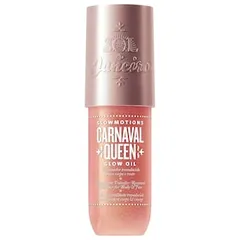
Works for:
based on ingredients and %- Moisturizing
Can it cause trouble?
- Irritation risk: high
- Comedogenic risk ingredients: 2
Key actives

Works for
Moisturizing
What does the product description say?
Full of fatty-acids, phytosterols, and polyphenols to lock in moisture and help restore skin’s visible elasticity. . Açaí Oil.
Source: Sephora
This product can help soften the skin and reduce its moisture loss with emollients and occlusives: cocos nucifera oil, helianthus annuus seed oil.
Keep in mind that this product does not contain effective ingredients to attract water to the upper layer of the skin. This is why an additional product with humectants like glycerin or hyaluronic acid can be helpful (apply it before this product for the best results).
An emollient. Found to be as effective as a moisturizer for dry skin as mineral oil. Could be comedogenic
A great emollient due to its high linoleic acid content. One of the most effective plant oils in helping skin hydration and repairing skin barrier function
Helps soften the upper layer of the skin and might as well help to attract moisture to its upper layer
An emollient that helps soften the skin and can decrease moisture loss. Helps create a nice product texture
Used to improve the product consistency and soften the upper layer of the skin
Traditionally used to treat sunburns, dermatitis and inflammation, but evidence for its effectiveness is lacking. The extract can contain humectants that help attract water into the skin
Pure form of vitamin E. Can help moisturise and protect the skin from free radicals. Often used to help stabilise other ingredients or the formula itself
How honest is this product?
| Promise | Can it deliver? |
|---|---|
| Moisturizing |
Total Promises Fulfilled score: 75/100.
We receive a small commission for purchases made through these links at no cost for you. Thank you for your support! Learn more
Potential irritants
Comedogenic ingredients
User reviews (0)
Averages from community submissions.
No reviews yet for this product.
Be the first to share your experience!
Tried this product?
Help capture what the ingredient list can't—texture, finish, pilling, scent, and more. Answer what you can, skip the rest.
Takes ~30 seconds.
Reviews are shown in aggregate. No personal details.
| Product | Similarity | Price | Irritancy |
|---|---|---|---|
 Sol de Janeiro Glowmotions Glow Body Oil | Current | $36.00 | |
 SOL Body Glow Oil | 39% | - | |
 SheaMoisture Bath, Massage and Body Oil Coconut Oil and Hibiscus | 36% | $11.99 | |
 Farmologie Coconut Body Oil | 36% | ≈ $10.66 | |
 Comfort Zone Body Strategist Oil | 33% | ≈ $41.44 | |
 Evolve Super Berry Body Oil | 33% | ≈ $30.61 |
Key Actives
Pure form of vitamin E. Can help moisturise and protect the skin from free radicals. Often used to help stabilise other ingredients or the formula itself
An emollient. Found to be as effective as a moisturizer for dry skin as mineral oil. Could be comedogenic
A great emollient due to its high linoleic acid content. One of the most effective plant oils in helping skin hydration and repairing skin barrier function
Helps soften the upper layer of the skin and might as well help to attract moisture to its upper layer
Works as a UV filter when used in high concentrations. It is photostable and is effective mostly against the UVB light, with some protection in the UVA range. In small concentrations, used for its ability to improve the color of cosmetic products. Is usually well tolerated by the skin
Potential irritants
An aromatic blend of unspecified and possibly irritating ingredients
A preservative. Can be used to mask unpleasant smell. Can be irritating
A fragrance. Can trigger allergic reactions and be irritating
A common frangrance that can easily irritate skin, especially if exposed to air, light or heat
A plant oil that might help neutralize free radicals, but evidence of effectiveness in skin is lacking
Helps soften the upper layer of the skin and might as well help to attract moisture to its upper layer
Traditionally used to treat sunburns, dermatitis and inflammation, but evidence for its effectiveness is lacking. The extract can contain humectants that help attract water into the skin
A more stable but less bio-available form of vitamin E compared to Tocopherol. Might help moisturize and protect the skin from free radicals, but mostly used in low concentrations to stabilize other ingredients.
Comedogenic ingredients
An emollient. Found to be as effective as a moisturizer for dry skin as mineral oil. Could be comedogenic
Cottonseed oil. It is used as an emollient and occlusive in products. It is rich palmitic, oleic acid, and linoleic fatty acids.
All ingredients
Used to improve the product consistency and soften the upper layer of the skin
An emollient that helps soften the skin and can decrease moisture loss. Helps create a nice product texture
An aromatic blend of unspecified and possibly irritating ingredients
Used to create a thicker product consistency
Used to create a thicker product consistency
Creates an illusion of smoother and more radiant skin tone. Adds shimmer to the skin by reflecting light
An emollient. Found to be as effective as a moisturizer for dry skin as mineral oil. Could be comedogenic
A great emollient due to its high linoleic acid content. One of the most effective plant oils in helping skin hydration and repairing skin barrier function
A plant oil that might help neutralize free radicals, but evidence of effectiveness in skin is lacking
Helps soften the upper layer of the skin and might as well help to attract moisture to its upper layer
Cottonseed oil. It is used as an emollient and occlusive in products. It is rich palmitic, oleic acid, and linoleic fatty acids.
Traditionally used to treat sunburns, dermatitis and inflammation, but evidence for its effectiveness is lacking. The extract can contain humectants that help attract water into the skin
A more stable but less bio-available form of vitamin E compared to Tocopherol. Might help moisturize and protect the skin from free radicals, but mostly used in low concentrations to stabilize other ingredients.
Pure form of vitamin E. Can help moisturise and protect the skin from free radicals. Often used to help stabilise other ingredients or the formula itself
A preservative. It helps prevent bacterial growth in cosmetic products
A colorant that can add a pearl-like appearance to the formulation
A preservative. Can be used to mask unpleasant smell. Can be irritating
A fragrance. Can trigger allergic reactions and be irritating
A common frangrance that can easily irritate skin, especially if exposed to air, light or heat
Works as a UV filter when used in high concentrations. It is photostable and is effective mostly against the UVB light, with some protection in the UVA range. In small concentrations, used for its ability to improve the color of cosmetic products. Is usually well tolerated by the skin
An umbrella term for the following three colorants: CI 77491, CI 77492, CI 77499. They might be able to offer some protection against visible light, but the degree of the protection is not clear
Ingredient list view
Hydrogenated polyisobutene, Isododecane, Tapioca starch, Parfum, Ethylene/propylene/styrene copolymer, Butene, Ethylene/propylene/styrene copolymer, Mica, Cocos nucifera oil, Helianthus annuus seed oil, Euterpe oleracea fruit oil, Theobroma grandiflorum seed butter, Gossypium herbaceum seed oil, Water, Aloe barbadensis leaf extract, Tocopheryl acetate, Tocopherol, Phenoxyethanol, Silica, Ethylhexylglycerin, Bht, Tin oxide, Benzyl alcohol, Butylphenyl methylpropional, Coumarin, Limonene, Ci 77891, Titanium dioxide, Ci 77491, Iron oxides, Ci 15850
- Final report of the cosmetic ingredient review expert panel on the safety assessment of Polyisobutene and Hydrogenated Polyisobutene as used in cosmetics
- Effect of Olive and Sunflower Seed Oil on the Adult Skin Barrier: Implications for Neonatal Skin Care
- Topically Applied Sunflower Seed Oil Prevents Invasive Bacterial Infections in Preterm Infants in Egypt
- Effect of topically applied lipids on surfactant-irritated skin
- Impact of topical oils on the skin barrier: possible implications for neonatal health in developing countries