Works for:
based on ingredients and %- Cleansing
- Anti-blemish
- Exfoliation
Can it cause trouble?
- Irritation risk: high
- Comedogenic risk ingredients: 5
Key actives


Works for
Anti-blemish
What does the product description say?
The facial wash is enriched with a kind-to-skin blend of Oat and Amino Acid-based Surfactants, which allows the wash to deeply clean pores of dirt and grime, which could lead to further imperfections.
Source: Lookfantastic
This product can help reduce breakouts and clogged pores because it contains the following ingredient: retinol. This ingredient is used for treating acne and can have a noticeable effect.
Two steps removed from the active form of vitamin A - retinoic acid. Once converted to the retinoic acid in the skin, retinol is proven to be effective against all signs of aging. It improves skin cell turnover, helps fight blemishes and clogged pores, can regulate excess oil production and even skin tone. It can, however, be quite irritating
Helps water and oil mix together. Has anti-bacterial properties that might be helpful in preventing blemishes
A plant extract that can help neutralize free radicals in skin. It contains a compound salicin that can theoretically be converted into salicylic acid that, in turn, helps reduce inflammation in skin, but the evidence of effectiveness in skin is lacking and the extract is usually not used in a concentration that would enable an exfoliating effect
Cleansing
What does the product description say?
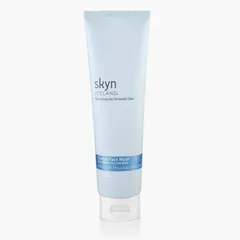
Glacial Face Wash
Source: From product name
This product works by removing dirt and oil from the surface of the skin. It uses a combination of mild cleansing agents (behenic acid, lauric acid, myristic acid, palmitic acid, peg-75 shea butter glycerides, polysorbate 20, sodium lauroyl oat amino acids, sodium methyl cocoyl taurate, stearic acid, xanthan gum) and should be able to cleanse the skin gently. Still keep in mind that any cleansing can disrupt the skin barrier, and most people do not need to cleanse their skin more than once per day.
Even though this formulation is mild, the following cleansing agents could trigger an irritation or allergy for some people: sodium methyl cocoyl taurate
Used to create a thicker product consistency
Helps water and oil mix together. Has anti-bacterial properties that might be helpful in preventing blemishes
Helps water and oil mix together
Helps oil and water mix together. Could be comedogenic
An emollient that is naturally present in skin and helps soften it
Helps oil and water mix together
Helps oil and water mix together. Can be used as cleansing agent
Helps oil and water mix together and works as an emollient
Used mostly for creating emulsions - helping oil and water mix together. Helps soften the upper layer of the skin
Exfoliation
This product can help exfoliate the skin. In other words, it helps break down the bonds between dead cells on the surface of the skin and speed up the skin turnover. Skin often appears softer and brighter after exfoliation, but overdoing it can result in disrupted skin barrier. The following ingredient is doing the exfoliating job in this product: retinol.
Two steps removed from the active form of vitamin A - retinoic acid. Once converted to the retinoic acid in the skin, retinol is proven to be effective against all signs of aging. It improves skin cell turnover, helps fight blemishes and clogged pores, can regulate excess oil production and even skin tone. It can, however, be quite irritating
A plant extract that can help neutralize free radicals in skin. It contains a compound salicin that can theoretically be converted into salicylic acid that, in turn, helps reduce inflammation in skin, but the evidence of effectiveness in skin is lacking and the extract is usually not used in a concentration that would enable an exfoliating effect
How honest is this product?
| Promise | Can it deliver? |
|---|---|
| Cleansing | |
| Anti-blemish |
Total Promises Fulfilled score: 100/100.
We receive a small commission for purchases made through these links at no cost for you. Thank you for your support! Learn more
Potential irritants
Comedogenic ingredients
User reviews (0)
Averages from community submissions.
No reviews yet for this product.
Be the first to share your experience!
Tried this product?
Help capture what the ingredient list can't—texture, finish, pilling, scent, and more. Answer what you can, skip the rest.
Takes ~30 seconds.
Reviews are shown in aggregate. No personal details.
| Product | Similarity | Price | Irritancy |
|---|---|---|---|
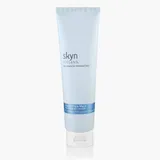 Skyn Iceland Glacial Face Wash | Current | ≈ $24.92 | |
 Medicube Kojic Acid Turmeric Toning Cleanser | 80% | ≈ $23.57 | |
 REVOLUTION SKINCARE Retinol Smoothing Cream Cleanser | 79% | ≈ $13.40 | |
 Cleaning Supply Retinol 24 + Peptide Face Wash, Smoothing, Sulfate-Free | 77% | - | |
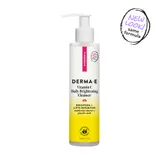 Derma E Vitamin C Daily Brightening Cleanser | 76% | ≈ $16.14 | |
 YEOUTH Vitamin C Facial Cleanser Day/Night Cream | 76% | $41.90 |
Key Actives
Two steps removed from the active form of vitamin A - retinoic acid. Once converted to the retinoic acid in the skin, retinol is proven to be effective against all signs of aging. It improves skin cell turnover, helps fight blemishes and clogged pores, can regulate excess oil production and even skin tone. It can, however, be quite irritating
An effective moisturizing and skin barrier repair ingredient. Helps calm down inflammation and has some anti-oxidant properties
Pure form of vitamin E. Can help moisturise and protect the skin from free radicals. Often used to help stabilise other ingredients or the formula itself
Helps water and oil mix together. Has anti-bacterial properties that might be helpful in preventing blemishes
A great moisturising ingredient that softens the skin and reduces water loss from its upper layer. It also can be helpful in protecting skin from free radicals
An emollient that is naturally present in skin and helps soften it
Helps oil and water mix together and works as an emollient
A plant oil that can help soften the skin. It might be helpful in calming down inflammation, but solid research is lacking. Is often used in lip products to create the needed product consistency
Used mostly for creating emulsions - helping oil and water mix together. Helps soften the upper layer of the skin
One of the best moisturizing ingredients. Naturally present in skin. It attracts water to the upper layer of the skin working as a humectant
Helps oil and water mix together. Could be comedogenic
Helps oil and water mix together. Can be used as cleansing agent
Softens the upper layer of skin and helps restore the healthy skin barrier. Has shown to help calm down inflammation in skin. It is a stable oil, meaning that it retains its properties even when exposed to air.
Used to create a thicker product consistency
A type of lipids naturally present in skin. They can be converted to ceramides in skin
Octinoxate. When used in higher concentrations, works as a sunscreen protecting the skin from UVB rays. When used in lower concentration, helps to preserve the product formulation. Is shown to be harmful to coral reefs - consider avoiding bathing in coral reef areas when wearing a product with this ingredient. It can be irritating
Avobenzone. An organic, or so-called "chemical" UV filter. Protects against both UVA and UVB rays. Needs to be combined with other filters in a formulation to be stable.
Potential irritants
Helps oil and water mix together. Can be used as cleansing agent
A plant extract that can help neutralize free radicals in skin. It contains a compound salicin that can theoretically be converted into salicylic acid that, in turn, helps reduce inflammation in skin, but the evidence of effectiveness in skin is lacking and the extract is usually not used in a concentration that would enable an exfoliating effect
A berry extract that can have some anti-oxidant properties. It helps to preserve product formulations and improve their smell. It can be irritating
Plant extract that has some anti-bacterial properties. Can be used as a fragrance. Can be irritating
Helps oil and water mix together and can enhance the penetration of other ingredients into the skin. It can be irritating
Two steps removed from the active form of vitamin A - retinoic acid. Once converted to the retinoic acid in the skin, retinol is proven to be effective against all signs of aging. It improves skin cell turnover, helps fight blemishes and clogged pores, can regulate excess oil production and even skin tone. It can, however, be quite irritating
Octinoxate. When used in higher concentrations, works as a sunscreen protecting the skin from UVB rays. When used in lower concentration, helps to preserve the product formulation. Is shown to be harmful to coral reefs - consider avoiding bathing in coral reef areas when wearing a product with this ingredient. It can be irritating
Can be drying and contribute to skin irritation. Used in formulars to dissolve other ingredients, create a thinner product consistency or for its antibacterial properties
A preservative. There seem to be an increasing number of cases of allergic reactions to it
A fragrance. Can trigger allergic reactions and be irritating
A fragrance. Can be irritating
A common frangrance that can easily irritate skin, especially if exposed to air, light or heat
An aromatic blend of unspecified and possibly irritating ingredients
Helps oil and water mix together. Could be comedogenic
Helps oil and water mix together and used to stabilize product formulations
Helps water and oil mix together. Has anti-bacterial properties that might be helpful in preventing blemishes
A plant oil that can help soften the skin. It might be helpful in calming down inflammation, but solid research is lacking. Is often used in lip products to create the needed product consistency
Softens the upper layer of skin and helps restore the healthy skin barrier. Has shown to help calm down inflammation in skin. It is a stable oil, meaning that it retains its properties even when exposed to air.
Being a lipid soluble form of vitamin C, it is more stable and can penetrate the skin better than L-Ascorbic acid. It is effective in protecting the skin from free radicals, as well as evening the skin tone, but is less effective in stimulating collagen production compared to L-Ascorbic acid.
Used to preserve products, dissolve other ingredients and create a nice product texture
Avobenzone. An organic, or so-called "chemical" UV filter. Protects against both UVA and UVB rays. Needs to be combined with other filters in a formulation to be stable.
Helps preserve products and creates a nice product texture
Comedogenic ingredients
Helps oil and water mix together. Could be comedogenic
Helps water and oil mix together. Has anti-bacterial properties that might be helpful in preventing blemishes
A great moisturising ingredient that softens the skin and reduces water loss from its upper layer. It also can be helpful in protecting skin from free radicals
An emollient that helps soften the skin and create a nice product texture
All ingredients
One of the best moisturizing ingredients. Naturally present in skin. It attracts water to the upper layer of the skin working as a humectant
Helps oil and water mix together. Could be comedogenic
Helps oil and water mix together and used to stabilize product formulations
Helps water and oil mix together. Has anti-bacterial properties that might be helpful in preventing blemishes
An emollient that is naturally present in skin and helps soften it
Helps oil and water mix together. Can be used as cleansing agent
A plant oil that can help soften the skin. It might be helpful in calming down inflammation, but solid research is lacking. Is often used in lip products to create the needed product consistency
A plant extract that can help neutralize free radicals in skin. It contains a compound salicin that can theoretically be converted into salicylic acid that, in turn, helps reduce inflammation in skin, but the evidence of effectiveness in skin is lacking and the extract is usually not used in a concentration that would enable an exfoliating effect
An effective moisturizing and skin barrier repair ingredient. Helps calm down inflammation and has some anti-oxidant properties
A berry extract that can have some anti-oxidant properties. It helps to preserve product formulations and improve their smell. It can be irritating
Plant extract that has some anti-bacterial properties. Can be used as a fragrance. Can be irritating
A great moisturising ingredient that softens the skin and reduces water loss from its upper layer. It also can be helpful in protecting skin from free radicals
Softens the upper layer of skin and helps restore the healthy skin barrier. Has shown to help calm down inflammation in skin. It is a stable oil, meaning that it retains its properties even when exposed to air.
Helps oil and water mix together and can enhance the penetration of other ingredients into the skin. It can be irritating
Being a lipid soluble form of vitamin C, it is more stable and can penetrate the skin better than L-Ascorbic acid. It is effective in protecting the skin from free radicals, as well as evening the skin tone, but is less effective in stimulating collagen production compared to L-Ascorbic acid.
An emollient that helps soften the skin and create a nice product texture
Pure form of vitamin E. Can help moisturise and protect the skin from free radicals. Often used to help stabilise other ingredients or the formula itself
Two steps removed from the active form of vitamin A - retinoic acid. Once converted to the retinoic acid in the skin, retinol is proven to be effective against all signs of aging. It improves skin cell turnover, helps fight blemishes and clogged pores, can regulate excess oil production and even skin tone. It can, however, be quite irritating
Used mostly for creating emulsions - helping oil and water mix together. Helps soften the upper layer of the skin
Used to preserve products, dissolve other ingredients and create a nice product texture
A type of lipids naturally present in skin. They can be converted to ceramides in skin
Octinoxate. When used in higher concentrations, works as a sunscreen protecting the skin from UVB rays. When used in lower concentration, helps to preserve the product formulation. Is shown to be harmful to coral reefs - consider avoiding bathing in coral reef areas when wearing a product with this ingredient. It can be irritating
Avobenzone. An organic, or so-called "chemical" UV filter. Protects against both UVA and UVB rays. Needs to be combined with other filters in a formulation to be stable.
Octisalate. A UV filter. It offers some protection against the sun rays that cause sunburn (UVB), but does not protect against the most aging sun rays (UVA). It loses its effectiveness quickly when exposed to sunlight. It is an organic, or so called "chemical" sunscreen
Used to create a nice product texture and help delivery of other ingredients. Might be somewhat helpful in attracting water to the upper layer of the skin
Can be drying and contribute to skin irritation. Used in formulars to dissolve other ingredients, create a thinner product consistency or for its antibacterial properties
A preservative. It helps prevent bacterial growth in cosmetic products
A preservative. There seem to be an increasing number of cases of allergic reactions to it
Helps preserve products and creates a nice product texture
A fragrance. Can trigger allergic reactions and be irritating
A fragrance. Can be irritating
A common frangrance that can easily irritate skin, especially if exposed to air, light or heat
An aromatic blend of unspecified and possibly irritating ingredients
Helps form a film on the surface of the skin and disperse other ingredients (like colorants) in cosmetics. Lac is a resinous substance secreted by parasite insects living on trees
Ingredient list view
Water, Glycerin, Myristic acid, Potassium hydroxide, Hydroxypropyl starch phosphate, Behenic acid, Lauric acid, Palmitic acid, Sodium methyl cocoyl taurate, Stearic acid, Ricinus communis seed oil, Salix alba bark extract, Avena sativa kernel extract, Rubus chamaemorus seed oil, Oxycoccus palustris seed oil, Luffa cylindrica seed oil, Thymus vulgaris flower/leaf extract, Buddleja davidii extract, Angelica archangelica root water, Butyrospermum parkii butter, Laminaria digitata powder, Simmondsia chinensis seed oil, Sodium lauroyl oat amino acids, Propylene glycol, Xanthan gum, Menthone glycerin acetal, Disodium edta, Ascorbyl palmitate, Ethylhexyl palmitate, Tocopherol, Retinol, Polysorbate 20, Lecithin, Peg-75 shea butter glycerides, Pentylene glycol, Perfluorodecalin, Glycosphingolipids, Ethylhexyl methoxycinnamate, Butyl methoxydibenzoylmethane, Ethylhexyl salicylate, Butylene glycol, Potassium phosphate, Alcohol, Phenoxyethanol, Benzoic acid, Dehydroacetic acid, Ethylhexylglycerin, Polyaminopropyl biguanide, Potassium sorbate, 1,2-hexanediol, Caprylyl glycol, Sodium benzoate, Bht, Butylphenyl methylpropional, Linalool, Hydroxyisohexyl 3-cyclohexene carboxaldehyde, Benzyl salicylate, Hexyl cinnamal, Geraniol, Limonene, Citronellol, Eugenol, Parfum, Ci 42090, Ci 17200, Lac, Water
- Glycerol and the skin: holistic approach to its origin and functions
- The fatty acid profile of the skin surface lipid layer in papulopustular rosacea
- Safety Assessment of Alkyl Taurate Amides and Taurate Salts as Used in Cosmetics
- Final report on the safety assessment of Ricinus Communis (Castor) Seed Oil, Hydrogenated Castor Oil, Glyceryl Ricinoleate, Glyceryl Ricinoleate SE, Ricinoleic Acid, Potassium Ricinoleate, Sodium Ricinoleate, Zinc Ricinoleate, Cetyl Ricinoleate, Ethyl Ricinoleate, Glycol Ricinoleate, Isopropyl Ricinoleate, Methyl Ricinoleate, and Octyldodecyl Ricinoleate
- Castor Oil: Properties, Uses, and Optimization of Processing Parameters in Commercial Production
- Effect of ricinoleic acid in acute and subchronic experimental models of inflammation
- Efficacy and Safety of White Willow Bark (Salix alba) Extract
- An evaluation of the effect of a topical product containing salicin on the visible signs of human skin aging
- Surfactants and experimental irritant contact dermatitis
- Propylene Glycol
- Skin-sensitizing and irritant properties of propylene glycol
- Vitamin E in dermatology
- Vitamin E and Skin Health
- Retinoids in the treatment of skin aging: an overview of clinical efficacy and safety
- Improvement of naturally aged skin with vitamin A (retinol)
- A comparative study of the effects of retinol and retinoic acid on histological, molecular, and clinical properties of human skin
- 4 Final Report on the Safety Assessment of Sodium Dehydroacetate and Dehydroacetic Acid
- Contact allergy to polyhexamethylene biguanide (polyaminopropyl biguanide)
- The influence of alkane chain length on the skin irritation potential of 1,2-alkanediols
- Annex I: Clinical evidence regarding sensitisation to individual fragrance chemicals and to natural extracts