
Works for:
based on ingredients and %- Moisturizing
Can it cause trouble?
- Irritation risk: high
- Comedogenic risk ingredients: 1
Key actives


Product Summary
"Skinfood - Royal Honey Propolis Enrich Cream Mist" is effective for: Moisturizing
Ingredient callouts
- Ceramides (ceramide np 0.30% - 0.60%). Ceramides are an important part of our natural skin barrier. The Ceramides used in skincare are synthetic or come from plants. They help soften the skin and can help "fill the gaps" in the skin barrier, keeping the skin hydrated and resilient for longer.
- Panthenol (pro-vitamin B5) at about 0.70% - 1.05% concentration. In this concentration, Panthenol works effectively to improve the skin barrier and reduce inflammation.
- Humectants (lactobacillus ferment 0.45% - 0.70%, panthenol 0.70% - 1.05%, betaine 3.90% - 4.70% and glycerin 4.40% - 5.40%). These ingredients help attract water to the upper layer of the skin and improve the skin hydration.
Price
The product retails from 21.10$ up to 26.00$ in the United States and for 30.97£ in the United Kingdom.
For a detailed price comparison: click here.
Works for
Moisturizing
What does the product description say?
Formulated with propolis extract and panthenol, this cream mist moisturizes and rejuvenates skin for a radiant complexion.
Source: Yesstyle
This product can help improve hydration of the skin with the two types of ingredients.
The first type is called “humectants”:
these ingredients help attract water.
When humectants are on the surface of the skin, they “pull in” the moisture from the outside environment, or from
within deeper layers of the skin. The following ingredients in this product do the job:
betaine, glycerin.
This product also contains ingredients called “occlusives”. They help reduce the speed with which our skin loses moisture to the outside environment. These ingredients also help soften the upper layer of the skin, so it feels less tight and nicer to the touch. The following ingredients in this product do the job: glycosphingolipids, octyldodecanol.
The following ingredients in this product are especially good for supporting the skin barrier and helping with the hydration level: ceramide np, panthenol
Helps soften the upper layer of the skin
Helps attract water to the upper layer of the skin and improves the product texture
A type of lipid similar to ceramides naturally present in skin. Helps to soften the upper layer of the skin and supports the skin barrier function to keep it hydrated. Can help to prevent inflammation in skin
One of the best moisturizing ingredients. Naturally present in skin. It attracts water to the upper layer of the skin working as a humectant
A type of lipids naturally present in skin. They can be converted to ceramides in skin
A fermentation product created by bacteria Lactobacillus. The fermented product has anti-bacterial properties and might be helpful in calming down inflammation, but studies are lacking. Helps attract water to the upper layer of the skin. Can be used as a preservative
Helps attract water to the upper layer of the skin and can help improve skin barrier function
A product of yeast fermentation. Helps attract water to the upper layer of the skin
Helps attract water to the upper layer of the skin
Helps soften the upper layer of the skin
A complex substance produced by honey bees. Can have anti-bacterial and some anti-oxidant effect. Is an allergen and can be irritating
A compound secreted by bees. Might be able to attract water to the top layer of the skin. Avoid if sensitive to honey and bee products
Used to create a nice product texture and help delivery of other ingredients. Might be somewhat helpful in attracting water to the upper layer of the skin
An emollient that helps to soften the skin and create a pleasant product texture and stabilize the formulation
A great moisturising ingredient that softens the skin and reduces water loss from its upper layer. It also can be helpful in protecting skin from free radicals
A good mix of fatty acids that forms a protective layer on the skin. Improves the shelf life of products. Derived from coconut and glycerin
Helps calm down inflammation in skin and can help reduce itching. Helps to repair the skin barrier and keep skin hydrated
Pure form of vitamin E. Can help moisturise and protect the skin from free radicals. Often used to help stabilise other ingredients or the formula itself
How honest is this product?
| Promise | Can it deliver? |
|---|---|
| Moisturizing |
Total Promises Fulfilled score: 100/100.
We receive a small commission for purchases made through these links at no cost for you. Thank you for your support! Learn more
Potential irritants
Comedogenic ingredients
User reviews (0)
Averages from community submissions.
No reviews yet for this product.
Be the first to share your experience!
Tried this product?
Help capture what the ingredient list can't—texture, finish, pilling, scent, and more. Answer what you can, skip the rest.
Takes ~30 seconds.
Reviews are shown in aggregate. No personal details.
| Product | Similarity | Price | Irritancy |
|---|---|---|---|
 Skinfood Royal Honey Propolis Enrich Cream Mist | Current | ≈ $17.52 | |
 Abib Heartleaf Facial Mist Calming spray | 58% | - | |
innisfree Green Tea Ceramide Mist | 58% | ≈ $16.43 | |
Ongredients Skin Barrier Glow Mist | 57% | ≈ $16.82 | |
Summer Fridays Jet Lag Skin Soothing Hydration Mist | 57% | ≈ $20.72 | |
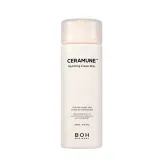 BIOHEAL BOH Ceramune Hydrating Cream Skin | 56% | $26.39 |
Key Actives
Helps calm down inflammation in skin and can help reduce itching. Helps to repair the skin barrier and keep skin hydrated
A fermentation product created by bacteria Lactobacillus. The fermented product has anti-bacterial properties and might be helpful in calming down inflammation, but studies are lacking. Helps attract water to the upper layer of the skin. Can be used as a preservative
Helps attract water to the upper layer of the skin and can help improve skin barrier function
A type of lipid similar to ceramides naturally present in skin. Helps to soften the upper layer of the skin and supports the skin barrier function to keep it hydrated. Can help to prevent inflammation in skin
A great moisturising ingredient that softens the skin and reduces water loss from its upper layer. It also can be helpful in protecting skin from free radicals
One of the best moisturizing ingredients. Naturally present in skin. It attracts water to the upper layer of the skin working as a humectant
Helps attract water to the upper layer of the skin and improves the product texture
Helps soften the upper layer of the skin
A product of yeast fermentation. Helps attract water to the upper layer of the skin
A good mix of fatty acids that forms a protective layer on the skin. Improves the shelf life of products. Derived from coconut and glycerin
A type of lipids naturally present in skin. They can be converted to ceramides in skin
Potential irritants
A complex substance produced by honey bees. Can have anti-bacterial and some anti-oxidant effect. Is an allergen and can be irritating
Essential oil that can be irritating. Can lead to photosensitivity
A plant oil with a high content of volatile compounds that can irritate the skin and lead to allergic reactions. Can lead to photosensitivity
An essential oil. Can be irritating. Can become an allergen with oxidation
An essential oil. Potential allergen and can be irritating. It has some anti-bacterial properties
A plant oil with high content of volatile compounds that can irritate the skin. Can be used as a fragrance. Has anti-bacterial properties and might help neutralize free radicals on the surface of the skin
An essential oil that can be very irritating. Has some anti-bacterial properties
A compound secreted by bees. Might be able to attract water to the top layer of the skin. Avoid if sensitive to honey and bee products
Helps to control the skin's pH level. Maintains the skin's natural film of amino-lactic acids and oils. Helps to preserve products
Can work as an exfoliant but is typically used to adjust the product pH
A good mix of fatty acids that forms a protective layer on the skin. Improves the shelf life of products. Derived from coconut and glycerin
A gelling agent that thickens the product consistency and leaves the skin with a velvety finish
Comedogenic ingredients
A great moisturising ingredient that softens the skin and reduces water loss from its upper layer. It also can be helpful in protecting skin from free radicals
All ingredients
A complex substance produced by honey bees. Can have anti-bacterial and some anti-oxidant effect. Is an allergen and can be irritating
A compound secreted by bees. Might be able to attract water to the top layer of the skin. Avoid if sensitive to honey and bee products
One of the best moisturizing ingredients. Naturally present in skin. It attracts water to the upper layer of the skin working as a humectant
Helps attract water to the upper layer of the skin and improves the product texture
Acts as a solvent for other ingredients. Speeds up the absorption of other ingredients into the skin
Helps to control the skin's pH level. Maintains the skin's natural film of amino-lactic acids and oils. Helps to preserve products
Helps attract water to the upper layer of the skin and can help improve skin barrier function
Helps to retain moisture by creating a protective barrier on the skin. Rich in fatty acids. Improves product texture and helps with the penetration of other ingredients.
Helps calm down inflammation in skin and can help reduce itching. Helps to repair the skin barrier and keep skin hydrated
A fermentation product created by bacteria Lactobacillus. The fermented product has anti-bacterial properties and might be helpful in calming down inflammation, but studies are lacking. Helps attract water to the upper layer of the skin. Can be used as a preservative
A product of yeast fermentation. Helps attract water to the upper layer of the skin
Can work as an exfoliant but is typically used to adjust the product pH
Essential oil that can be irritating. Can lead to photosensitivity
A plant oil with a high content of volatile compounds that can irritate the skin and lead to allergic reactions. Can lead to photosensitivity
An essential oil. Can be irritating. Can become an allergen with oxidation
An essential oil. Potential allergen and can be irritating. It has some anti-bacterial properties
A plant oil with high content of volatile compounds that can irritate the skin. Can be used as a fragrance. Has anti-bacterial properties and might help neutralize free radicals on the surface of the skin
A good mix of fatty acids that forms a protective layer on the skin. Improves the shelf life of products. Derived from coconut and glycerin
An essential oil that can be very irritating. Has some anti-bacterial properties
A type of lipid similar to ceramides naturally present in skin. Helps to soften the upper layer of the skin and supports the skin barrier function to keep it hydrated. Can help to prevent inflammation in skin
Used to create a nice product texture and help delivery of other ingredients. Might be somewhat helpful in attracting water to the upper layer of the skin
A great moisturising ingredient that softens the skin and reduces water loss from its upper layer. It also can be helpful in protecting skin from free radicals
An emollient that helps to soften the skin and create a pleasant product texture and stabilize the formulation
A gelling agent that thickens the product consistency and leaves the skin with a velvety finish
A type of lipids naturally present in skin. They can be converted to ceramides in skin
Pure form of vitamin E. Can help moisturise and protect the skin from free radicals. Often used to help stabilise other ingredients or the formula itself
Ingredient list view
Water, Propolis extract, Honey extract, Royal jelly extract, Glycerin, Betaine, Propanediol, 1,2-hexanediol, Ppg-13-decyltetradeceth-24, Diphenyl dimethicone, Triethylhexanoin, Ethylhexylglycerin, Sodium citrate, Panthenol, Hydrogenated lecithin, Allantoin, Polyglyceryl-10 oleate, Lactobacillus ferment, Saccharomyces ferment, Citric acid, Sodium phytate, Citrus tangerina peel oil, Citrus aurantium bergamia fruit oil, Pelargonium graveolens flower oil, Boswellia carterii oil, Lavandula angustifolia oil, Citrus limon peel oil, Rosmarinus officinalis leaf oil, Caprylic/capric triglyceride, Eucalyptus globulus leaf oil, Cananga odorata flower oil, Cinnamomum zeylanicum bark oil, Ceramide np, Butylene glycol, Butyrospermum parkii butter, Octyldodecanol, Xanthan gum, Glyceryl citrate/lactate/linoleate/oleate, Hydroxyethyl acrylate/sodium acryloyldimethyl taurate copolymer, Glyceryl oleate, Glycolipids, Glycosphingolipids, Tocopherol
- Propolis: A Wonder Bees Product and Its Pharmacological Potentials
- Glycerol and the skin: holistic approach to its origin and functions
- The influence of alkane chain length on the skin irritation potential of 1,2-alkanediols
- Amended Safety Assessment of Triglycerides as Used in Cosmetics
- Skin moisturizing effects of panthenol-based formulations
- Safety Assessment of Panthenol, Pantothenic Acid, and Derivatives as Used in Cosmetics
- Profile of wound healing process induced by allantoin
- The effect of probiotics on immune regulation, acne, and photoaging
- Comparison of clinical and histological effects between lactobacillus-fermented Chamaecyparis obtusa and tea tree oil for the treatment of acne: an eight-week double-blind randomized controlled split-face study
- Use of Probiotics for Dermal Applications
- Biological Activities and Safety of Citrus spp. Essential Oils
- Safety Assessment of Citrus-Derived Peel Oils as Used in Cosmetics
- Oxidized citrus oil (R-limonene): A frequent skin sensitizer in Europe
- Air oxidation increases skin irritation from fragrance terpenes
- Fragrance Compound Geraniol Forms Contact Allergens on Air Exposure. Identification and Quantification of Oxidation Products and Effect on Skin Sensitization
- Assessment report on Rosmarinus officinalis L., aetheroleum and Rosmarinus officinalis L., folium
- Screening of plant extracts for antimicrobial activity against bacteria and yeasts with dermatological relevance
- Occupational contact dermatitis due to essential oils
- The in vitro antimicrobial activity and chemometric modelling of 59 commercial essential oils against pathogens of dermatological relevance
- Antimicrobial and Antioxidant Properties of Rosemary and Sage (Rosmarinus officinalis L. and Salvia officinalis L., Lamiaceae) Essential Oils
- Chemical Composition, Plant Genetic Differences, Antimicrobial and Antifungal Activity Investigation of the Essential Oil of Rosmarinus officinalis L.
- Skin hydration is significantly increased by a cream formulated to mimic the skin’s own natural moisturizing systems
- Topically Applied Ceramides Interact with the Stratum Corneum Lipid Matrix in Compromised Ex Vivo Skin
- Contact Sensitization to Emulsifying Agents: An Underrated Issue?
- Vitamin E in dermatology
- Vitamin E and Skin Health