
Works for:
based on ingredients and %- Moisturizing
- Anti-oxidation
Doesn't work for:
based on ingredients and %- Anti-aging
- Evens skin tone
Can it cause trouble?
- Irritation risk: low
- Comedogenic risk ingredients: 2
Key actives

Product Summary
"Skin Inc Supplement Bar - French Pine Bark Serum" could be helpful for: Moisturizing, but its actives are not the most effective or are not well-studied.
Ingredient callouts
- Humectants (alcaligenes polysaccharides 0.45% - 1.05% and glycerin 3.00% - 4.60%). These ingredients help attract water to the upper layer of the skin and improve the skin hydration.
Price
The product retails from 28.00$ up to 35.00$ in the United States, for 360.00HK$ in Hong Kong and for 54.60NZ$ in New Zealand.
For a detailed price comparison: click here.
Anti-oxidation
This product contains antioxidants (pinus pinaster bark extract) that might be able to help neutralize free radicals in skin to lessen the damage it gets from the UV light (sun). There is not enough evidence to confirm their effectiveness in skin though.
A plant extract that might help neutralize free radicals and reduce hyperpigmentation, but evidence of effectiveness of topical application is lacking. It can be an INCI name for the trademarked ingredient Pycnogenol (but could also be a different type of this plant's bark extract)
Moisturizing
What does the product description say?
A protein found naturally in skin that increases DNA synthesis and cell growth that moisturises the skin, supports older skin to grow faster, like younger skin.
Source: Sephora New Zealand
This product can help improve hydration of the skin with the two types of ingredients.
The first type is called “humectants”:
these ingredients help attract water.
When humectants are on the surface of the skin, they “pull in” the moisture from the outside environment, or from
within deeper layers of the skin. The following ingredients in this product do the job:
alcaligenes polysaccharides, glycerin.
This product also contains ingredients called “occlusives”. They help reduce the speed with which our skin loses moisture to the outside environment. These ingredients also help soften the upper layer of the skin, so it feels less tight and nicer to the touch. The following ingredients in this product do the job: alcaligenes polysaccharides, glycine soja oil.
One of the best moisturizing ingredients. Naturally present in skin. It attracts water to the upper layer of the skin working as a humectant
Help attract water to the upper layer of the skin
A good emollient that helps soften the skin and helps repair its barrier function. It can clog pores if used in high concentrations.
Used mostly for creating emulsions - helping oil and water mix together. Helps soften the upper layer of the skin
Used to preserve products, dissolve other ingredients and create a nice product texture
Used to thicken product formulation. Can help attract water to the upper layer of the skin
Used to create a nice product texture and help delivery of other ingredients. Might be somewhat helpful in attracting water to the upper layer of the skin
Anti-aging
What does the product description say?
Protect your skin from free-radical damage and signs of aging caused by environmental stressors with French Pine Bark Serum from Skin Inc. Antioxidant-rich French pine bark extract helps protect skin from free radicals which may result in visible signs of aging, like dullness and fine lines and wrinkles.
Source: Beautylish
This product does not contain ingredients that are able to reduce fine lines and wrinkles or help with skin elasticity, but it can improve the look of the skin temporarily through moisturization. Well-moisturized skin might also be able to repair the sun damage better.
This ingredient pinus pinaster bark extract might be able to help neutralize free radicals in skin and help it fight off some of the sun damage.
Evens skin tone
What does the product description say?
This not only helps improve skin texture, but also improves hyper-pigmentation and uneven skin tone.
Source: Sephora New Zealand
This product contains ingredients (pinus pinaster bark extract) that could help reduce hyperpigmentation (for example, post-acne marks or age spots) in theory, but there is not enough evidence that they actually work.
A plant extract that might help neutralize free radicals and reduce hyperpigmentation, but evidence of effectiveness of topical application is lacking. It can be an INCI name for the trademarked ingredient Pycnogenol (but could also be a different type of this plant's bark extract)
How honest is this product?
| Promise | Can it deliver? |
|---|---|
| Moisturizing | |
| Anti-aging | |
| Evens skin tone |
Total Promises Fulfilled score: 58/100.
We receive a small commission for purchases made through these links at no cost for you. Thank you for your support! Learn more
Potential irritants
Comedogenic ingredients
User reviews (0)
Averages from community submissions.
No reviews yet for this product.
Be the first to share your experience!
Tried this product?
Help capture what the ingredient list can't—texture, finish, pilling, scent, and more. Answer what you can, skip the rest.
Takes ~30 seconds.
Reviews are shown in aggregate. No personal details.
| Product | Similarity | Price | Irritancy |
|---|---|---|---|
 Skin Inc Supplement Bar French Pine Bark Serum | Current | $28.00 | |
 The INKEY List CA Q10 Antioxidant Serum | 35% | $6.99 | |
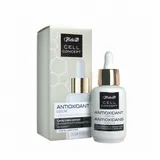 Helia-D Cell Concept Antioxidant serum | 34% | - | |
 Formula 10.0.6 Mega Serum Vitamin E Restoring Face Serum | 34% | - | |
 V 10 Plus Collagen Serum | 34% | $94.00 | |
 Paula's choice Niacinamide 20% Treatment | 34% | ≈ $51.32 |
Key Actives
A plant extract that might help neutralize free radicals and reduce hyperpigmentation, but evidence of effectiveness of topical application is lacking. It can be an INCI name for the trademarked ingredient Pycnogenol (but could also be a different type of this plant's bark extract)
Works as a UV filter when used in high concentrations. It is photostable and is effective mostly against the UVB light, with some protection in the UVA range. In small concentrations, used for its ability to improve the color of cosmetic products. Is usually well tolerated by the skin
One of the best moisturizing ingredients. Naturally present in skin. It attracts water to the upper layer of the skin working as a humectant
A good emollient that helps soften the skin and helps repair its barrier function. It can clog pores if used in high concentrations.
Help attract water to the upper layer of the skin
Works as a UV filter when used in high concentrations. It is photostable and is effective mostly against the UVB light, with some protection in the UVA range. In small concentrations, used for its ability to improve the color of cosmetic products. Is usually well tolerated by the skin
Potential irritants
Used to preserve products, dissolve other ingredients and create a nice product texture
A plant extract that might help neutralize free radicals and reduce hyperpigmentation, but evidence of effectiveness of topical application is lacking. It can be an INCI name for the trademarked ingredient Pycnogenol (but could also be a different type of this plant's bark extract)
A good emollient that helps soften the skin and helps repair its barrier function. It can clog pores if used in high concentrations.
Comedogenic ingredients
A good emollient that helps soften the skin and helps repair its barrier function. It can clog pores if used in high concentrations.
Used to thicken product formulation. Can help attract water to the upper layer of the skin
All ingredients
Works as a UV filter when used in high concentrations. It is photostable and is effective mostly against the UVB light, with some protection in the UVA range. In small concentrations, used for its ability to improve the color of cosmetic products. Is usually well tolerated by the skin
Used to create a nice product texture and help delivery of other ingredients. Might be somewhat helpful in attracting water to the upper layer of the skin
One of the best moisturizing ingredients. Naturally present in skin. It attracts water to the upper layer of the skin working as a humectant
Used to preserve products, dissolve other ingredients and create a nice product texture
A plant extract that might help neutralize free radicals and reduce hyperpigmentation, but evidence of effectiveness of topical application is lacking. It can be an INCI name for the trademarked ingredient Pycnogenol (but could also be a different type of this plant's bark extract)
A good emollient that helps soften the skin and helps repair its barrier function. It can clog pores if used in high concentrations.
Used mostly for creating emulsions - helping oil and water mix together. Helps soften the upper layer of the skin
Used to thicken product formulation. Can help attract water to the upper layer of the skin
Helps create a thicker or gel-like product texture. It is not a surfactant but can be used in gentle cleansing formulations
Help attract water to the upper layer of the skin
Works as a UV filter when used in high concentrations. It is photostable and is effective mostly against the UVB light, with some protection in the UVA range. In small concentrations, used for its ability to improve the color of cosmetic products. Is usually well tolerated by the skin
An umbrella term for the following three colorants: CI 77491, CI 77492, CI 77499. They might be able to offer some protection against visible light, but the degree of the protection is not clear
A preservative. It helps prevent bacterial growth in cosmetic products
Ingredient list view
Titanium dioxide, Water, Butylene glycol, Glycerin, Pentylene glycol, Pinus pinaster bark extract, Rh-oligopeptide-1, Glycine soja oil, Lecithin, Sodium phosphate, Algin, Carbomer, Alcaligenes polysaccharides, Potassium hydroxide, Polysorbate 80, Titanium dioxide, Ci 77491, Iron oxides, Phenoxyethanol