
Doesn't work for:
based on ingredients and %- Cleansing
Can it cause trouble?
- Irritation risk: high
- Comedogenic risk ingredients: 4
Key actives
Does not work for
Cleansing
What does the product description say?
High Seas Body Wash
Source: From product name
This product does not seem to contain cleansing agents and might not be able to remove dirt and oil efficiently.
How honest is this product?
| Promise | Can it deliver? |
|---|---|
| Cleansing |
Total Promises Fulfilled score: 0/100.
We receive a small commission for purchases made through these links at no cost for you. Thank you for your support! Learn more
Affiliate link · supports WIMJ at no cost to you
Potential irritants
Comedogenic ingredients
User reviews (0)
Averages from community submissions.
No reviews yet for this product.
Be the first to share your experience!
Tried this product?
Help capture what the ingredient list can't—texture, finish, pilling, scent, and more. Answer what you can, skip the rest.
Takes ~30 seconds.
Reviews are shown in aggregate. No personal details.
| Product | Similarity | Price | Irritancy |
|---|---|---|---|
 Sea Wench Naturals High Seas Body Wash | Current | - | |
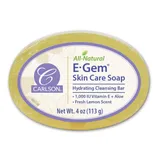 Carlson E Gem Skin Care Soap | 28% | - | |
 Luna Daily The Hydrating Everywhere Spray-To-Wipe - With Prebiotics, Vitamins C & E, Omegas 3 & 6 | 27% | $12.00 | |
 Balea Vanilla Coconut Shower Cream | 27% | ≈ $2.01 | |
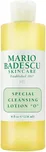 Mario Badescu Special Cleansing Lotion O | 27% | $18.50 | |
 Sunescape Hydrating Shower Gel | 27% | ≈ $10.55 |
Key Actives
Helps attract water to the upper layer of the skin and can help improve skin barrier function
A good emollient. Contains various ingredients including vitamins and fatty acids that could work in the skin to neutralize free radicals and minimize moisture loss - if enough of these compounds is able to penetrate the skin in an active form.
Helps soften the upper layer of the skin, support the skin's barrier function and might help neutralize free radicals
A good emoillient. Contains vitamin E which can help neutralise free radicals, however the oil is unstable. Avoid if you have gluten or wheat sensitivity (including food allergies).
A plant oil that due to its high linoleic acid content can help strengthen skin's barrier function and soften its upper layer
An emollient. Found to be as effective as a moisturizer for dry skin as mineral oil. Could be comedogenic
One of the best moisturizing ingredients. Naturally present in skin. It attracts water to the upper layer of the skin working as a humectant
Red algae extract that helps attract water to the upper layer of the skin and create a nicer product consistency
Potential irritants
A good emollient. Contains various ingredients including vitamins and fatty acids that could work in the skin to neutralize free radicals and minimize moisture loss - if enough of these compounds is able to penetrate the skin in an active form.
An essential oil that can be very irritating. Has some anti-bacterial properties
Used for fragrance and contains volatile compounds that can irritate the skin
Traditionally used to treat sunburns, dermatitis and inflammation, but evidence for its effectiveness is lacking. The extract can contain humectants that help attract water into the skin
Traditionally used to treat sunburns, dermatitis and inflammation, but evidence for its effectiveness is lacking. The extract can contain humectants that help attract water into the skin
A plant oil that due to its high linoleic acid content can help strengthen skin's barrier function and soften its upper layer
A plant seed oil that consists mainly of erucic acid and used to help soften the upper layer of the skin. This fatty acid can enhance penetration of other ingredients into the skin but it is not a good moisturizer on its own
Helps soften the upper layer of the skin, support the skin's barrier function and might help neutralize free radicals
Used to thicken the product's consistency
Comedogenic ingredients
Used to thicken the product's consistency
A good emoillient. Contains vitamin E which can help neutralise free radicals, however the oil is unstable. Avoid if you have gluten or wheat sensitivity (including food allergies).
An emollient. Found to be as effective as a moisturizer for dry skin as mineral oil. Could be comedogenic
Red algae extract that helps attract water to the upper layer of the skin and create a nicer product consistency
All ingredients
Traditionally used to treat sunburns, dermatitis and inflammation, but evidence for its effectiveness is lacking. The extract can contain humectants that help attract water into the skin
Traditionally used to treat sunburns, dermatitis and inflammation, but evidence for its effectiveness is lacking. The extract can contain humectants that help attract water into the skin
A good emollient. Contains various ingredients including vitamins and fatty acids that could work in the skin to neutralize free radicals and minimize moisture loss - if enough of these compounds is able to penetrate the skin in an active form.
A plant oil that due to its high linoleic acid content can help strengthen skin's barrier function and soften its upper layer
A plant seed oil that consists mainly of erucic acid and used to help soften the upper layer of the skin. This fatty acid can enhance penetration of other ingredients into the skin but it is not a good moisturizer on its own
Helps soften the upper layer of the skin, support the skin's barrier function and might help neutralize free radicals
Used to thicken the product's consistency
A good emoillient. Contains vitamin E which can help neutralise free radicals, however the oil is unstable. Avoid if you have gluten or wheat sensitivity (including food allergies).
An emollient. Found to be as effective as a moisturizer for dry skin as mineral oil. Could be comedogenic
One of the best moisturizing ingredients. Naturally present in skin. It attracts water to the upper layer of the skin working as a humectant
Red algae extract that helps attract water to the upper layer of the skin and create a nicer product consistency
Helps attract water to the upper layer of the skin and can help improve skin barrier function
An essential oil that can be very irritating. Has some anti-bacterial properties
Used for fragrance and contains volatile compounds that can irritate the skin
Ingredient list view
Water, Unknown, Aloe barbadensis leaf juice, Aloe barbadensis extract, Urtica dioica, Unknown, Hippophae rhamnoides oil, Cannabis sativa seed oil, Calendula officinalis seed oil, Brassica oleracea italica seed oil, Hypericum perforatum oil, Vaccinium corymbosum seed oil, Zea mays starch, Unknown, Triticum vulgare germ oil, Cocos nucifera oil, Unknown, Glycerin, Cyamopsis tetragonoloba gum, Unknown, Chondrus crispus, Panthenol, Brassica campestris extract, Eugenia caryophyllus bud oil, Eucalyptus globulus leaf oil, Citrus limon peel oil, Rosmarinus officinalis extract, Lavandula angustifolia extract
- Hemp (Cannabis sativa L.) seed oil: Analytical and phytochemical characterization of unsaponifiable fraction
- Hemp (Cannabis sativa L.) as a Resource for Green Cosmetics
- The Enigma of Bioactivity and Toxicity of Botanical Oils for Skin Care
- Glycerol and the skin: holistic approach to its origin and functions