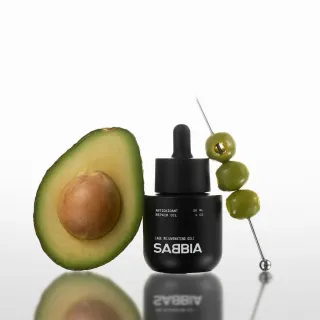
Sabbia Co Antioxidant Repair Oil

Sabbia Co Antioxidant Repair Oil

Efficacy91/100IrritancyHigh

Works for

Evens skin tone
Bakuchiol
Works well
What the product description says
“Helps improve skin tone, texture and pigmentation”
Source: Sabbia Co

This product can help reduce hypepigmentation and even out the skin tone because it contains the following effective ingredients: bakuchiol

Keep in mind that you would need to apply any topical skincare targetted at hypigmentation consistently for a couple of months to get a result. No topical skincare product can help get rid of hyperpigmentation (including post-acne marks and age spots) instantly.

BakuchiolKey activeEffect: HighA plant extract that is, though different in chemical structure, acts similar to retinoids. First studies show that it can help reduce fine lines and wrinkles, improve skin tone, reduce clogged pores and blemishes, and reduce inflammation. There is no conclusive evidence that bakuchiol is as effective as retinol however. The study that directly compared retinol with bakuchiol used bakuchiol applied twice daily compared to once per day for the retinol. According to this study, bakuchiol is less irritating than retinol. Bakuchiol is extracted from seeds of Babchi plant. Other parts of the plant contain coumarins that could cause allergic and irritant reactions. These compounds should be removed in the extraction process when bakuchiol is produced, but it is a good idea to be cautious and stay away from products that include the Babchi plant extracts other than purified bakuchiol to avoid irritation~1.3–1.9%
Anti-aging
Bakuchiol, Tocopherol
Works well
What the product description says
“Clinically-inspired plant actives [Bakuchiol, Seabuckthorn and Blueberry Seed Oil] work at a cellular level in synergy to support barrier function, assist in the appearance of more even skin tone and help reduce the visible signs of ageing, leaving skin visibly smoother, calmer and deeply nourished.”
Source: Sabbia Co

This product can help reduce and prevent fine lines and wrinkles, improve skin elasticity and firmness because it contains bakuchiol.

Keep in mind that it typically takes at least 6 weeks to notice any results because the changes that are needed to improve fine lines and elasticity happen in the deeper layers of the skin. No topical anti-aging product can “erase” wrinkles or fully reverse signs of aging.

BakuchiolKey activeEffect: HighA plant extract that is, though different in chemical structure, acts similar to retinoids. First studies show that it can help reduce fine lines and wrinkles, improve skin tone, reduce clogged pores and blemishes, and reduce inflammation. There is no conclusive evidence that bakuchiol is as effective as retinol however. The study that directly compared retinol with bakuchiol used bakuchiol applied twice daily compared to once per day for the retinol. According to this study, bakuchiol is less irritating than retinol. Bakuchiol is extracted from seeds of Babchi plant. Other parts of the plant contain coumarins that could cause allergic and irritant reactions. These compounds should be removed in the extraction process when bakuchiol is produced, but it is a good idea to be cautious and stay away from products that include the Babchi plant extracts other than purified bakuchiol to avoid irritation~1.3–1.9%
TocopherolEffect: Low, below effective dosePure form of vitamin E. Can help moisturise and protect the skin from free radicals. Often used to help stabilise other ingredients or the formula itself~0.5–1.1%
Moisturizing
Coco-caprylate/caprate, Simmondsia chinensis seed oil + 7 more
Works
What the product description says
“Clinically-inspired plant actives [Bakuchiol, Seabuckthorn and Blueberry Seed Oil] work at a cellular level in synergy to support barrier function, assist in the appearance of more even skin tone and help reduce the visible signs of ageing, leaving skin visibly smoother, calmer and deeply nourished.”
Source: Sabbia Co

This product can help soften the skin and reduce its moisture loss with emollients and occlusives: caprylic/capric triglyceride, simmondsia chinensis seed oil.

Keep in mind that this product does not contain effective ingredients to attract water to the upper layer of the skin. This is why an additional product with humectants like glycerin or hyaluronic acid can be helpful (apply it before this product for the best results).

Coco-caprylate/caprateKey active· EmollientEffect: MediumHelps to soften the upper layer of the skin without creating a greasy texture~22–33%
Simmondsia chinensis seed oilKey active· Emollient, OcclusiveEffect: HighSoftens the upper layer of skin and helps restore the healthy skin barrier. Has shown to help calm down inflammation in skin. It is a stable oil, meaning that it retains its properties even when exposed to air.~6.1–9.1%
Caprylic/capric triglycerideKey active· Emollient, OcclusiveEffect: HighA good mix of fatty acids that forms a protective layer on the skin. Improves the shelf life of products. Derived from coconut and glycerin~4.6–7%
SqualaneKey active· Emollient, OcclusiveEffect: HighAn oil naturally present in skin. Works as an emollient to soften the skin and form a protective layer on its surface without a greasy feeling.~3.7–5.6%
Persea gratissima oilKey active· EmollientEffect: HighAn emollient that helps soften the skin and could be helpful in repairing its barrier function~2.6–4%
Olea europaea fruit oilKey active· EmollientEffect: MediumAn emollient that helps soften the skin but is not effective for restoring its barrier function. Might be helpful to calm down inflammation~0.35–0.75%
Glycine soja oilKey active· EmollientEffect: HighA good emollient that helps soften the skin and helps repair its barrier function. It can clog pores if used in high concentrations.~0.15–0.5%
Tanacetum annuum flower oilEffect: LowAn essential oil that has anti-inflammatory properties but also contains irritating compounds~0.3–0.75%
TocopherolEffect: Low, below effective dosePure form of vitamin E. Can help moisturise and protect the skin from free radicals. Often used to help stabilise other ingredients or the formula itself~0.5–1.1%
Anti-oxidation
Side benefit · Bakuchiol, Calendula officinalis flower extract + 1 more
Works well

This product contains antioxidants (bakuchiol) that can help neutralize free radicals in skin. By doing so, they can lessen the damage the skin gets from the UV light (sun).

BakuchiolKey activeEffect: HighA plant extract that is, though different in chemical structure, acts similar to retinoids. First studies show that it can help reduce fine lines and wrinkles, improve skin tone, reduce clogged pores and blemishes, and reduce inflammation. There is no conclusive evidence that bakuchiol is as effective as retinol however. The study that directly compared retinol with bakuchiol used bakuchiol applied twice daily compared to once per day for the retinol. According to this study, bakuchiol is less irritating than retinol. Bakuchiol is extracted from seeds of Babchi plant. Other parts of the plant contain coumarins that could cause allergic and irritant reactions. These compounds should be removed in the extraction process when bakuchiol is produced, but it is a good idea to be cautious and stay away from products that include the Babchi plant extracts other than purified bakuchiol to avoid irritation~1.3–1.9%
Calendula officinalis flower extractEffect: LowA plant extract that has some anti-oxidant and anti-bacterial properties. Can be irritating~0.1–0.35%
TocopherolUnder-dosedPure form of vitamin E. Can help moisturise and protect the skin from free radicals. Often used to help stabilise other ingredients or the formula itself~0.5–1.1%
Anti-blemish
Side benefit the brand mentions · Bakuchiol
May help
What the product description says
“Wheatgrass Oil , Detoxifying, rich in antioxidants, vitamins A, C and E, repairs damaged epidermal tissue, inhibits acne breakouts and assists in reducing the appearance of blemishes and scars.”
Source: N/A

This product might be able to help reduce blemishes and clogged pores because it contains bakuchiol.

BakuchiolKey activeEffect: HighA plant extract that is, though different in chemical structure, acts similar to retinoids. First studies show that it can help reduce fine lines and wrinkles, improve skin tone, reduce clogged pores and blemishes, and reduce inflammation. There is no conclusive evidence that bakuchiol is as effective as retinol however. The study that directly compared retinol with bakuchiol used bakuchiol applied twice daily compared to once per day for the retinol. According to this study, bakuchiol is less irritating than retinol. Bakuchiol is extracted from seeds of Babchi plant. Other parts of the plant contain coumarins that could cause allergic and irritant reactions. These compounds should be removed in the extraction process when bakuchiol is produced, but it is a good idea to be cautious and stay away from products that include the Babchi plant extracts other than purified bakuchiol to avoid irritation~1.3–1.9%

Can it cause trouble?

Irritancy
3 strong irritants: Rosa eglantaria seed oil, Tanacetum annuum flower oil + 1 more — patch-test recommended
High risk
We flagged 9 ingredients with irritancy potential. Severity depends on your sensitivity threshold; the table lists the worst offenders first.
IngredientFunctionIrritationEst. amount
Rosa eglantaria seed oil—High~1.3–2%est.
Tanacetum annuum flower oilAn essential oil that has anti-inflammatory properties but also contains irritating compoundsHigh~0.3–0.75%est.
Calendula officinalis flower extractA plant extract that has some anti-oxidant and anti-bacterial properties. Can be irritatingHigh~0.1–0.35%est.
Simmondsia chinensis seed oilSoftens the upper layer of skin and helps restore the healthy skin barrier. Has shown to help calm down inflammation in skin. It is a stable oil, meaning that it retains its properties even when exposed to air.Medium~6.1–9.1%est.
Caprylic/capric triglycerideA good mix of fatty acids that forms a protective layer on the skin. Improves the shelf life of products. Derived from coconut and glycerinMedium~4.6–7%est.
Persea gratissima oilAn emollient that helps soften the skin and could be helpful in repairing its barrier functionMedium~2.6–4%est.
BakuchiolA plant extract that is, though different in chemical structure, acts similar to retinoids. First studies show that it can help reduce fine lines and wrinkles, improve skin tone, reduce clogged pores and blemishes, and reduce inflammation. There is no conclusive evidence that bakuchiol is as effective as retinol however. The study that directly compared retinol with bakuchiol used bakuchiol applied twice daily compared to once per day for the retinol. According to this study, bakuchiol is less irritating than retinol. Bakuchiol is extracted from seeds of Babchi plant. Other parts of the plant contain coumarins that could cause allergic and irritant reactions. These compounds should be removed in the extraction process when bakuchiol is produced, but it is a good idea to be cautious and stay away from products that include the Babchi plant extracts other than purified bakuchiol to avoid irritationMedium~1.3–1.9%est.
Olea europaea fruit oilAn emollient that helps soften the skin but is not effective for restoring its barrier function. Might be helpful to calm down inflammationMedium~0.35–0.75%est.
Glycine soja oilA good emollient that helps soften the skin and helps repair its barrier function. It can clog pores if used in high concentrations.Medium~0.15–0.5%est.
Comedogenic
1 ingredient rated 2 or more on the 0–5 pore-clogging scale
1 flagged
These ingredients have a comedogenic rating of 2 or more on a 0–5 scale; the table shows each one's rating. In leave-on products they can clog pores in acne-prone skin.
IngredientFunctionRatingEst. amount
Glycine soja oilA good emollient that helps soften the skin and helps repair its barrier function. It can clog pores if used in high concentrations.2/5~0.15–0.5%est.
Did this help you decide?

User reviews

Would you recommend?
No community reviews yet.

Be the first — your take helps the next person decide.

Ingredients

Filter by role to see what each ingredient is doing.

Coco-caprylate/caprate~22–33%
Key active
Irritation risk
Low
Works for
Moisturizing

Helps to soften the upper layer of the skin without creating a greasy texture

More about Coco-caprylate/caprate
Simmondsia chinensis seed oil~6.1–9.1%
Key activeIrritant · medium
Irritation risk
Medium
Works for
Moisturizing

Softens the upper layer of skin and helps restore the healthy skin barrier. Has shown to help calm down inflammation in skin. It is a stable oil, meaning that it retains its properties even when exposed to air.

More about Simmondsia chinensis seed oil
Caprylic/capric triglyceride~4.6–7%
Key activeIrritant · medium
Irritation risk
Medium
Works for
Moisturizing

A good mix of fatty acids that forms a protective layer on the skin. Improves the shelf life of products. Derived from coconut and glycerin

More about Caprylic/capric triglyceride
Squalane~3.7–5.6%
Key active
Irritation risk
Low
Works for
Moisturizing

An oil naturally present in skin. Works as an emollient to soften the skin and form a protective layer on its surface without a greasy feeling.

More about Squalane
Persea gratissima oil~2.6–4%
Key activeIrritant · medium
Irritation risk
Medium
Works for
Moisturizing

An emollient that helps soften the skin and could be helpful in repairing its barrier function

More about Persea gratissima oil
Carica papaya seed oil~1.8–2.8%
Formula
Vaccinium angustifolium (blueberry) seed oil
Not recognized
Rosa eglantaria seed oil~1.3–2%
Irritant · high
Pascopyron smithii (wheatgerm) oil
Not recognized
Bakuchiol~1.3–1.9%
Key activeIrritant · medium
Irritation risk
Medium
Works for
Anti-oxidationAnti-agingEvens skin toneAnti-blemishAnti-inflammatory

A plant extract that is, though different in chemical structure, acts similar to retinoids. First studies show that it can help reduce fine lines and wrinkles, improve skin tone, reduce clogged pores and blemishes, and reduce inflammation. There is no conclusive evidence that bakuchiol is as effective as retinol however. The study that directly compared retinol with bakuchiol used bakuchiol applied twice daily compared to once per day for the retinol. According to this study, bakuchiol is less irritating than retinol. Bakuchiol is extracted from seeds of Babchi plant. Other parts of the plant contain coumarins that could cause allergic and irritant reactions. These compounds should be removed in the extraction process when bakuchiol is produced, but it is a good idea to be cautious and stay away from products that include the Babchi plant extracts other than purified bakuchiol to avoid irritation

More about Bakuchiol
Tocopherol~0.5–1.1%
Under-dosed
Irritation risk
Low
Works for
Anti-oxidationAnti-agingAnti-inflammatoryMoisturizing

Pure form of vitamin E. Can help moisturise and protect the skin from free radicals. Often used to help stabilise other ingredients or the formula itself

More about Tocopherol
Hippophae rhamnoides seed oil~0.45–1%
Formula
Tanacetum annuum flower oil~0.3–0.75%
Irritant · high
Irritation risk
High
Works for
Anti-inflammatoryMoisturizing

An essential oil that has anti-inflammatory properties but also contains irritating compounds

More about Tanacetum annuum flower oil
Olea europaea fruit oil~0.35–0.75%
Key activeIrritant · medium
Irritation risk
Medium
Works for
Moisturizing

An emollient that helps soften the skin but is not effective for restoring its barrier function. Might be helpful to calm down inflammation

More about Olea europaea fruit oil
Calendula officinalis flower extract~0.1–0.35%
Irritant · high
Irritation risk
High
Works for
Anti-oxidation

A plant extract that has some anti-oxidant and anti-bacterial properties. Can be irritating

More about Calendula officinalis flower extract
Glycine soja oil~0.15–0.5%
Key activeComedogenic 2/5Irritant · medium
Irritation risk
Medium
Comedogenicity
2/5
Works for
Moisturizing

A good emollient that helps soften the skin and helps repair its barrier function. It can clog pores if used in high concentrations.

More about Glycine soja oil
Ingredient list view

Coco-caprylate/caprate, Simmondsia chinensis seed oil, Caprylic/capric triglyceride, Squalane, Persea gratissima oil, Carica papaya seed oil, Unknown, Rosa eglantaria seed oil, Unknown, Bakuchiol, Tocopherol, Hippophae rhamnoides seed oil, Tanacetum annuum flower oil, Olea europaea fruit oil, Calendula officinalis flower extract, Glycine soja oil

Compare prices

Retailers ranked by price — lowest first.

🇦🇺 Sabbia Co (AU)
≈ $63.33
Buy

Affiliate links · As an Amazon Associate, WIMJ earns from qualifying purchases.

Worth comparing, line by line.

Match % combines shared ingredients, the first five ingredients, shared actives and hero ingredients, irritancy (lower counts in the alternative's favour), texture and body area. Only products in the same routine step are compared.

Side-by-side comparison of this product against its closest alternatives
Sabbia CoAntioxidant Repair OilYOUR PRODUCTLe LapinAlmiraj Bakuchiol Oil BoosterEau Thermale AveneDermAbsolu SERUM Recontouring SerumesmiAfterglow Rejuvenating Bakuchiol
Match—94%92%92%
Price—$6.79—$43.33
Shared key ingredients—5 of 74 of 75 of 7
Key difference—Prickly Pear Seed OilLactic AcidCamelina Sativa Seed Oil
Irritancy High Medium Medium Medium
Drying alcohol————
View product Shop Shop Shop

More alternatives: Dr. Scheller REGENERIENDES BAKUCHIOL SERUMBloomeffects Royal Tulip Vitamin C Facial Oil

Cheaper alternatives? See how this stacks up against similar formulas.
We compare ingredient profiles across our catalog — pick the closest match for your budget.
Open dupe finder
Sabbia Co Antioxidant Repair Oil
Sabbia CoAntioxidant Repair Oil

Affiliate links · As an Amazon Associate, WIMJ earns from qualifying purchases.

As an Amazon Associate, WIMJ earns from qualifying purchases.