Works for:
based on ingredients and %- Anti-blemish
- Moisturizing
Can it cause trouble?
- Irritation risk: high
- Comedogenic risk ingredients: 1
Key actives


Product Summary
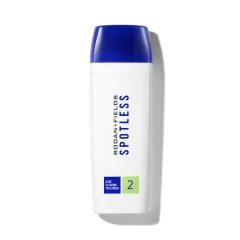
"Rodan + Fields - Spotless Acne Clearing Treatment" could be helpful for: Moisturizing, but its actives are not the most effective or are not well-studied.
Ingredient callouts
- In addition, this product contains Allantoin (0.95% - 1.15%). Allantoin is helpful in wound-healing and can help restore the skin barrier faster. It might also be able to improve scars, but the evidence is not very strong for this.
- Humectants (sodium hyaluronate 0.35% - 0.60%, pca 0.45% - 0.70% and glycerin 2.30% - 2.80%). These ingredients help attract water to the upper layer of the skin and improve the skin hydration.
Works for
Anti-blemish
What does the product description say?
Spotless Acne Clearing Treatment
Source: Rodan + Fields
This product can help reduce breakouts and clogged pores because it contains the following ingredient: benzoyl peroxide. This ingredient is used for treating acne and can have a noticeable effect.
A potent anti-bacterial ingredient that is effective against acne. Often leads to skin dryness and can be irritating
Helps calm down inflammation in skin and can help reduce itching. Helps to repair the skin barrier and keep skin hydrated
Moisturizing
This product can help improve hydration of the skin with the two types of ingredients.
The first type is called “humectants”:
these ingredients help attract water.
When humectants are on the surface of the skin, they “pull in” the moisture from the outside environment, or from
within deeper layers of the skin. The following ingredients in this product do the job:
allantoin, glycerin.
This product also contains ingredients called “occlusives”. They help reduce the speed with which our skin loses moisture to the outside environment. These ingredients also help soften the upper layer of the skin, so it feels less tight and nicer to the touch. The following ingredients in this product do the job: phytosteryl/octyldodecyl lauroyl glutamate, caprylyl glycol.
One of the best moisturizing ingredients. Attracts water into the upper layer of the skin
One of the best moisturizing ingredients. Naturally present in skin. It attracts water to the upper layer of the skin working as a humectant
Helps calm down inflammation in skin and can help reduce itching. Helps to repair the skin barrier and keep skin hydrated
Naturally present in skin and helps to attract water to its upper layer
A mix of amino acids and plant-based lipids. Helps to soften the upper layer of the skin and reduce water loss over time
Used to create a nice product texture and help delivery of other ingredients. Might be somewhat helpful in attracting water to the upper layer of the skin
Helps preserve products and creates a nice product texture
Used to preserve products, dissolve other ingredients and create a nice product texture
Improves the texture of the product and helps soften the skin. Helps oil and water mix together and can be used as a cleansing agent
Helps to stabilize the product formulation while softening the upper layer of the skin. Can be irritating
Pure form of vitamin E. Can help moisturise and protect the skin from free radicals. Often used to help stabilise other ingredients or the formula itself
How honest is this product?
| Promise | Can it deliver? |
|---|---|
| Anti-blemish |
Total Promises Fulfilled score: 100/100.
We receive a small commission for purchases made through these links at no cost for you. Thank you for your support! Learn more
Potential irritants
Comedogenic ingredients
User reviews (0)
Averages from community submissions.
No reviews yet for this product.
Be the first to share your experience!
Tried this product?
Help capture what the ingredient list can't—texture, finish, pilling, scent, and more. Answer what you can, skip the rest.
Takes ~30 seconds.
Reviews are shown in aggregate. No personal details.
| Product | Similarity | Price | Irritancy |
|---|---|---|---|
 Rodan + Fields Spotless Acne Clearing Treatment | Current | $76.00 | |
 MD Complete by Dr. Brian Zelickson Breakout Treatment | 54% | - | |
Clinique Acne Solutions All-Over Clearing Treatment Oil-Free | 52% | ≈ $24.29 | |
Face Reality Skincare Professional 5% Advanced Acne Med | 52% | $30.00 | |
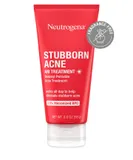 Neutrogena Stubborn Acne AM Treatment | 52% | $9.99 | |
 The INKEY List CA Acne Solution | 51% | - |
Key Actives
Helps calm down inflammation in skin and can help reduce itching. Helps to repair the skin barrier and keep skin hydrated
Pure form of vitamin E. Can help moisturise and protect the skin from free radicals. Often used to help stabilise other ingredients or the formula itself
An active component of chamomile plant that historically has been used to calm down irritated skin. A recent study shows that bisabolol indeed can have some anti-inflammatory effect on skin, even though conclusive data is lacking. Bisabolol has a sweet floral scent and can be added to products for its aromatic properties
A mix of amino acids and plant-based lipids. Helps to soften the upper layer of the skin and reduce water loss over time
A potent anti-bacterial ingredient that is effective against acne. Often leads to skin dryness and can be irritating
One of the best moisturizing ingredients. Naturally present in skin. It attracts water to the upper layer of the skin working as a humectant
Naturally present in skin and helps to attract water to its upper layer
One of the best moisturizing ingredients. Attracts water into the upper layer of the skin
Helps thicken the product consistency
Works as a UV filter when used in high concentrations. It is photostable and is effective mostly against the UVB light, with some protection in the UVA range. In small concentrations, used for its ability to improve the color of cosmetic products. Is usually well tolerated by the skin
Potential irritants
A potent anti-bacterial ingredient that is effective against acne. Often leads to skin dryness and can be irritating
Helps to stabilize the product formulation while softening the upper layer of the skin. Can be irritating
A plant extract that can contain an irritating essential oil. Might have some anti-oxidant effect, but evidence is lacking
An aromatic blend of unspecified and possibly irritating ingredients
A common frangrance that can easily irritate skin, especially if exposed to air, light or heat
Being a lipid soluble form of vitamin C, it is more stable and can penetrate the skin better than L-Ascorbic acid. It is effective in protecting the skin from free radicals, as well as evening the skin tone, but is less effective in stimulating collagen production compared to L-Ascorbic acid.
A plant extract that can contain resveratrol, an antioxidant that can help neutralize free radicals in skin. The effectiveness depends on the extract quality and concentration in the product
Can work as an exfoliant but is typically used to adjust the product pH
Helps to control the skin's pH level. Maintains the skin's natural film of amino-lactic acids and oils. Helps to preserve products
Helps preserve products and creates a nice product texture
Used to preserve products, dissolve other ingredients and create a nice product texture
Comedogenic ingredients
All ingredients
A potent anti-bacterial ingredient that is effective against acne. Often leads to skin dryness and can be irritating
One of the best moisturizing ingredients. Naturally present in skin. It attracts water to the upper layer of the skin working as a humectant
Used to create a nice product texture and help delivery of other ingredients. Might be somewhat helpful in attracting water to the upper layer of the skin
Acts as a solvent for other ingredients. Speeds up the absorption of other ingredients into the skin
Helps water and oil mix together and create gel-like textures
Helps calm down inflammation in skin and can help reduce itching. Helps to repair the skin barrier and keep skin hydrated
Being a lipid soluble form of vitamin C, it is more stable and can penetrate the skin better than L-Ascorbic acid. It is effective in protecting the skin from free radicals, as well as evening the skin tone, but is less effective in stimulating collagen production compared to L-Ascorbic acid.
An active component of chamomile plant that historically has been used to calm down irritated skin. A recent study shows that bisabolol indeed can have some anti-inflammatory effect on skin, even though conclusive data is lacking. Bisabolol has a sweet floral scent and can be added to products for its aromatic properties
Helps to stabilize the product formulation while softening the upper layer of the skin. Can be irritating
Naturally present in skin and helps to attract water to its upper layer
A mix of amino acids and plant-based lipids. Helps to soften the upper layer of the skin and reduce water loss over time
A plant extract that can contain resveratrol, an antioxidant that can help neutralize free radicals in skin. The effectiveness depends on the extract quality and concentration in the product
One of the best moisturizing ingredients. Attracts water into the upper layer of the skin
A plant extract that can contain an irritating essential oil. Might have some anti-oxidant effect, but evidence is lacking
An aromatic blend of unspecified and possibly irritating ingredients
Helps create a thicker or gel-like product texture. It is not a surfactant but can be used in gentle cleansing formulations
Used to create a thicker product consistency and stabilize formulations
Might help to reduce inflammation in skin, but solid research is lacking
Improves the texture of the product and helps soften the skin. Helps oil and water mix together and can be used as a cleansing agent
Used to dissolve other ingredients in a product and can enhance their ability to penetrate the skin
Pure form of vitamin E. Can help moisturise and protect the skin from free radicals. Often used to help stabilise other ingredients or the formula itself
Can work as an exfoliant but is typically used to adjust the product pH
Helps to control the skin's pH level. Maintains the skin's natural film of amino-lactic acids and oils. Helps to preserve products
Helps preserve products and creates a nice product texture
Used to creat a nice product texture and support penetration of other ingredients
Used to preserve products, dissolve other ingredients and create a nice product texture
A preservative. It helps prevent bacterial growth in cosmetic products
A common frangrance that can easily irritate skin, especially if exposed to air, light or heat
Creates an illusion of smoother and more radiant skin tone. Adds shimmer to the skin by reflecting light
A colorant that can add a pearl-like appearance to the formulation
Works as a UV filter when used in high concentrations. It is photostable and is effective mostly against the UVB light, with some protection in the UVA range. In small concentrations, used for its ability to improve the color of cosmetic products. Is usually well tolerated by the skin
Ingredient list view
Benzoyl peroxide, Water, Glycereth-18 ethylhexanoate, Glycereth-18, Disiloxane, Glycerin, Butylene glycol, Propanediol, Acrylamide/sodium acryloyldimethyltaurate copolymer, Allantoin, Ascorbyl palmitate, Bisabolol, Myristyl alcohol, Pca, Phytosteryl/octyldodecyl lauroyl glutamate, Polygonum cuspidatum root extract, Sodium hyaluronate, Zingiber officinale root extract, Parfum, Carbomer, Methyl methacrylate crosspolymer, Cetyl hydroxyethylcellulose, Hydroxyphenyl propamidobenzoic acid, Polyglyceryl-2 isostearate, Polysorbate 80, Sorbitan oleate, Xanthan gum, Diethylhexyl sodium sulfosuccinate, Isohexadecane, Dimethyl isosorbide, Tocopherol, Citric acid, Sodium citrate, Sodium hydroxide, Caprylyl glycol, Decylene glycol, Hexylene glycol, Pentylene glycol, 1,2-hexanediol, Ethylhexylglycerin, Hydroxyacetophenone, Phenoxyethanol, Citral, Citronellol, Limonene, Linalool, Carvone, Citrus aurantium peel oil, Mentha viridis leaf oil, Pinene, Mica, Tin oxide, Titanium dioxide, Ci 42090, Ci 60730, Ci 17200
- Glycerol and the skin: holistic approach to its origin and functions
- Profile of wound healing process induced by allantoin
- α-(-)-Bisabolol Reduces Pro-Inflammatory Cytokine Production and Ameliorates Skin Inflammation
- Cosmetic allergy from myristyl alcohol
- Contact Sensitization to Emulsifying Agents: An Underrated Issue?
- Patch testing with myristyl alcohol
- Nuclear Factor Kappa B Inhibition as a Therapeutic Target of Nutraceuticals in Arthritis, Osteoarthritis, and Related Inflammation
- Resveratrol as an active ingredient for cosmetic and dermatological applications: a review
- Hyaluronic acid: A key molecule in skin aging
- Hyaluronan (Hyaluronic Acid): a natural moisturizer for skin care
- Some phytochemical, pharmacological and toxicological properties of ginger (Zingiber officinale Roscoe): A review of recent research
- Surfactants and experimental irritant contact dermatitis
- Activity enhancement of ferulic acid with dimethyl isosorbride in cosmetic compositions
- Vitamin E in dermatology
- Vitamin E and Skin Health
- The influence of alkane chain length on the skin irritation potential of 1,2-alkanediols
- Safety Assessment of Tin(IV) Oxide as Used in Cosmetics