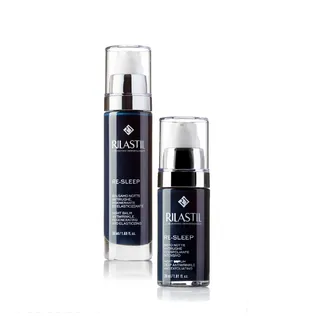
Works for
MoisturizingCeramide eop, Ceramide np + 27 moreWorks well
“For its regenerating, nourishing properties and antiwrinkle, optimizes and enhances the elasticity of the skin, keeping it luminous and compact.”
This product can help improve hydration of the skin with the two types of ingredients.
The first type is called “humectants”:
these ingredients help attract water.
When humectants are on the surface of the skin, they “pull in” the moisture from the outside environment, or from
within deeper layers of the skin. The following ingredients in this product do the job:
arginine, betaine.
This product also contains ingredients called “occlusives”. They help reduce the speed with which our skin loses moisture to the outside environment. These ingredients also help soften the upper layer of the skin, so it feels less tight and nicer to the touch. The following ingredients in this product do the job: arginine, helianthus annuus seed oil.
The following ingredients in this product are especially good for supporting the skin barrier and helping with the hydration level: ceramide ap, ceramide eop, ceramide np, phytosphingosine
ExfoliationAllantoinNot delivered
“Thanks to its exfoliating properties, it optimizes cell turnover and exerts an intensive anti-wrinkle action.”
This product does not contain effective exfoliating ingredients. It might be able to deliver physical exfoliation, that is scrub off some of the dead cells on the surface of the skin. We do not recommend physical exfoliation, because it is not uniform (some bits of skin can get exfoliated too much while others not at all). It can also traumatize the skin and aggrevate acne and other skin conditions.
Anti-blemishSide benefit · Ethyl linoleate, Phytosphingosine + 1 moreMay help
This product might be able to help reduce blemishes and clogged pores because it contains ethyl linoleate.
Can it cause trouble?
Irritancy2 strong irritants: Parfum, Retinyl palmitate/carrot polypeptide — patch-test recommendedHigh risk
Comedogenic1 ingredient rated 2 or more on the 0–5 pore-clogging scale1 flagged


User reviews
Be the first — your take helps the next person decide.
Ingredients
Filter by role to see what each ingredient is doing.
Water~45–55%
1,5-pentanediol~7.9–9.7%
- Irritation risk
- Low
Pentylene glycol~4.2–5.1%
- Irritation risk
- Medium
Used to preserve products, dissolve other ingredients and create a nice product texture
More about Pentylene glycolButylene glycol~2.9–3.6%
- Irritation risk
- Low
Used to create a nice product texture and help delivery of other ingredients. Might be somewhat helpful in attracting water to the upper layer of the skin
More about Butylene glycolGlycerin~2.2–2.7%
- Irritation risk
- Low
One of the best moisturizing ingredients. Naturally present in skin. It attracts water to the upper layer of the skin working as a humectant
More about GlycerinSodium salicylate~0.25–0.5%
- Irritation risk
- Medium
The salt of salicylic acid. Helps exfoliate the upper layer of the skin. Can also work to preserve cosmetic products
More about Sodium salicylateSodium lactate~1.4–1.7%
- Irritation risk
- Medium
Helps attract water to the upper layer of the skin. Is often used to adjust the pH level of the product
More about Sodium lactateBetaine~1.2–1.4%
- Irritation risk
- Low
Helps attract water to the upper layer of the skin and improves the product texture
More about BetaineHydroxyethylcellulose~1–1.2%
- Irritation risk
- Low
Used to thicken product formulations and create gel-like textures
More about HydroxyethylcelluloseLeuconostoc/radish root ferment filtrate~0.65–1%
- Irritation risk
- Medium
A preservative that comes from radishes fermented by a bacteria. New research suggests that the preservation properties in the ingredient come from an ammonium salt that is not present naturally in radish root but used in its cultivation. Is problematic because the exact amount of the preservative agents is difficult to determine
More about Leuconostoc/radish root ferment filtratePpg-26-buteth-26~0.5–0.75%
Peg-40 hydrogenated castor oil~0.45–0.65%
- Irritation risk
- Medium
Helps oil and water mix together
More about Peg-40 hydrogenated castor oilArginine~0.3–0.55%
- Irritation risk
- Low
An amino acid that is naturally present in skin and helps keep it hydrated. When used together with AHAs, it can reduce their irritating effect on the skin
More about ArginineDipotassium glycyrrhizate~0.25–0.5%
- Irritation risk
- Low
A salt derived from licorice. Works as an emollient to soften the upper layer of the skin and can help calm down inflammation. Might be helpful for skin lightening
More about Dipotassium glycyrrhizateAllantoin~0.2–0.4%
- Irritation risk
- Low
Helps calm down inflammation in skin and can help reduce itching. Helps to repair the skin barrier and keep skin hydrated
More about Allantoin10-hydroxydecanoic acid~0.25–0.45%
- Irritation risk
- Low
Helps soften the upper layer of the skin and slow down the water loss from its surface
More about 10-hydroxydecanoic acidSebacic acid~0.25–0.45%
- Irritation risk
- Low
Hydrolyzed hyaluronic acid~0.2–0.35%
- Irritation risk
- Low
One of the best moisturizing ingredients. Attracts water into the upper layer of the skin. A version of it is naturally present in skin
More about Hydrolyzed hyaluronic acidSodium pca~0.15–0.3%
- Irritation risk
- Low
Naturally present in skin and helps to attract water to its upper layer
More about Sodium pca1,10-decanediol~0.15–0.3%
Sodium hyaluronate~0.15–0.25%
- Irritation risk
- Low
One of the best moisturizing ingredients. Attracts water into the upper layer of the skin
More about Sodium hyaluronateSodium dna~0.1–0.2%
- Irritation risk
- Low
Tetrapeptide-26~0.1–0.2%
- Irritation risk
- Low
Phenoxyethanol~0.15–0.25%
- Irritation risk
- Low
A preservative. It helps prevent bacterial growth in cosmetic products
More about PhenoxyethanolSodium benzoate~0.1–0.2%
Disodium edta~0.1–0.2%
Tetrasodium edta~0.1–0.2%
Parfum~0.1–0.15%
- Irritation risk
- High
An aromatic blend of unspecified and possibly irritating ingredients
More about ParfumDiethylhexyl carbonate~0.15–0.25%
- Irritation risk
- Low
Helps soften the upper layer of the skin
More about Diethylhexyl carbonateHelianthus annuus seed oil~0.15–0.25%
- Irritation risk
- Low
A great emollient due to its high linoleic acid content. One of the most effective plant oils in helping skin hydration and repairing skin barrier function
More about Helianthus annuus seed oilOryza sativa bran oil~0.15–0.3%
- Irritation risk
- Low
Helps soften the upper layer of the skin and might have some anti-oxidant properties
More about Oryza sativa bran oilCetearyl alcohol~0.2–0.35%
- Irritation risk
- Low
- Comedogenicity
- 2/5
A non-drying alcohol. Works as an emollient. Helps water and oil mix together and creates a nice product texture
More about Cetearyl alcoholGlyceryl stearate~0.2–0.35%
- Irritation risk
- Low
An emollient that softens the skin and forms a protective layer on its surface. Helps water and oil mix together
More about Glyceryl stearateBis-peg/ppg-20/5 peg/ppg-20/5 dimethicone~0.15–0.3%
Methoxy peg/ppg-25/4 dimethicone~0.15–0.3%
Argania spinosa kernel oil~0.15–0.3%
- Irritation risk
- Medium
An emollient that helps soften the upper layer of the skin. Might have some weak anti-oxidant properties
More about Argania spinosa kernel oilBetaine~0.15–0.25%
- Irritation risk
- Low
Helps attract water to the upper layer of the skin and improves the product texture
More about BetaineCeteareth-25~0.25–0.45%
Olea europaea oil unsaponifiables~0.15–0.3%
- Irritation risk
- Low
Help soften the upper layer of the skin
More about Olea europaea oil unsaponifiablesArginine~0.15–0.25%
- Irritation risk
- Low
An amino acid that is naturally present in skin and helps keep it hydrated. When used together with AHAs, it can reduce their irritating effect on the skin
More about ArginineCaprylic/capric triglyceride~0.2–0.4%
- Irritation risk
- Medium
A good mix of fatty acids that forms a protective layer on the skin. Improves the shelf life of products. Derived from coconut and glycerin
More about Caprylic/capric triglycerideHydrolyzed hyaluronic acid~0.15–0.3%
- Irritation risk
- Low
One of the best moisturizing ingredients. Attracts water into the upper layer of the skin. A version of it is naturally present in skin
More about Hydrolyzed hyaluronic acidPca dimethicone~0.15–0.3%
- Irritation risk
- Low
Butylene glycol~0.15–0.3%
- Irritation risk
- Low
Used to create a nice product texture and help delivery of other ingredients. Might be somewhat helpful in attracting water to the upper layer of the skin
More about Butylene glycolOctyldodecanol~0.15–0.3%
- Irritation risk
- Low
An emollient that helps to soften the skin and create a pleasant product texture and stabilize the formulation
More about OctyldodecanolCarbomer~0.15–0.3%
- Irritation risk
- Low
Helps create a thicker or gel-like product texture. It is not a surfactant but can be used in gentle cleansing formulations
More about CarbomerXanthan gum~0.2–0.35%
- Irritation risk
- Low
Used to create a thicker product consistency
More about Xanthan gumTocopheryl acetate~0.2–0.35%
- Irritation risk
- Medium
A more stable but less bio-available form of vitamin E compared to Tocopherol. Might help moisturize and protect the skin from free radicals, but mostly used in low concentrations to stabilize other ingredients.
More about Tocopheryl acetateSodium lauroyl lactylate~0.2–0.35%
- Irritation risk
- Medium
Helps water and oil mix together
More about Sodium lauroyl lactylateOryzanol~0.15–0.3%
- Irritation risk
- Low
An anti-oxidant that helps stabilize product formulations. Might help neutralise free radicals in skin
More about OryzanolSodium dna~0.2–0.35%
- Irritation risk
- Low
Sodium salicylate~0.2–0.4%
- Irritation risk
- Medium
The salt of salicylic acid. Helps exfoliate the upper layer of the skin. Can also work to preserve cosmetic products
More about Sodium salicylateHydrogenated coco-glycerides~0.25–0.45%
- Irritation risk
- Medium
Helps oil and water mix together while creating a nice finish on the skin
More about Hydrogenated coco-glyceridesAllantoin~0.2–0.35%
- Irritation risk
- Low
Helps calm down inflammation in skin and can help reduce itching. Helps to repair the skin barrier and keep skin hydrated
More about AllantoinHelianthus annuus seed extract~0.2–0.4%
- Irritation risk
- Low
Sodium lactate~0.2–0.4%
- Irritation risk
- Medium
Helps attract water to the upper layer of the skin. Is often used to adjust the pH level of the product
More about Sodium lactateRetinyl palmitate/carrot polypeptide~0.2–0.35%
- Irritation risk
- High
Sodium hyaluronate~0.2–0.4%
- Irritation risk
- Low
One of the best moisturizing ingredients. Attracts water into the upper layer of the skin
More about Sodium hyaluronateEthyl linolenate~0.25–0.45%
- Irritation risk
- Low
Pisum sativum extract~0.2–0.4%
- Irritation risk
- Medium
Might be helpful in protecting skin collagen and elastin from breaking down but solid research is lacking
More about Pisum sativum extractCeramide np~0.25–0.45%
- Irritation risk
- Low
A type of lipid similar to ceramides naturally present in skin. Helps to soften the upper layer of the skin and supports the skin barrier function to keep it hydrated. Can help to prevent inflammation in skin
More about Ceramide npEthyl oleate~0.2–0.4%
- Irritation risk
- Medium
Ethyl oleate is a long-chain fatty acid ethyl ester resulting from the formal condensation of the carboxy group of oleic acid with the hydroxy group of ethanol. It derives from an oleic acid. In skincare, it is used to soften the upper layer of the skin, improve the product texture and smell
More about Ethyl oleateEthyl linoleate~0.2–0.4%
- Irritation risk
- Medium
Helps reduce acne and blemishes. Helps to soften the upper layer of the skin and reduce inflammation. Might be helpful in reducing hyperpigmentation and evening out the skin tone, but evidence of effectiveness in skin are lacking
More about Ethyl linoleateCeramide ap~0.2–0.35%
- Irritation risk
- Low
A type of lipid similar to ceramides naturally present in skin. Helps to soften the upper layer of the skin and supports the skin barrier function to keep it hydrated. Can help to prevent inflammation in skin
More about Ceramide apPhytosphingosine~0.25–0.45%
- Irritation risk
- Low
A type of lipid that is naturally present in skin. It might help in repairing skin barrier function and has anti-bacterial effect
More about PhytosphingosineCholesterol~0.25–0.5%
- Irritation risk
- Low
An emollient that is naturally found in skin
More about CholesterolSebacic acid~0.2–0.35%
- Irritation risk
- Low
10-hydroxydecanoic acid~0.2–0.4%
- Irritation risk
- Low
Helps soften the upper layer of the skin and slow down the water loss from its surface
More about 10-hydroxydecanoic acidTocopherol~0.2–0.4%
- Irritation risk
- Low
Pure form of vitamin E. Can help moisturise and protect the skin from free radicals. Often used to help stabilise other ingredients or the formula itself
More about Tocopherol1,10-decanediol~0.2–0.35%
Tetrapeptide-26~0.2–0.35%
- Irritation risk
- Low
Ceramide eop~0.25–0.45%
- Irritation risk
- Low
A type of lipid similar to ceramides naturally present in skin. Helps to soften the upper layer of the skin and supports the skin barrier function to keep it hydrated. Can help to prevent inflammation in skin
More about Ceramide eopPhenoxyethanol~0.15–0.3%
- Irritation risk
- Low
A preservative. It helps prevent bacterial growth in cosmetic products
More about PhenoxyethanolChlorphenesin~0.1–0.2%
Ethylhexylglycerin~0.15–0.25%
Sodium benzoate~0.15–0.25%
Pentaerythrityl tetra-di-t-butyl hydroxyhydrocinnamate~0.15–0.25%
- Irritation risk
- Low
Used to increase stability of product formulations
More about Pentaerythrityl tetra-di-t-butyl hydroxyhydrocinnamateDisodium edta~0.05–0.1%
Parfum~0.05–0.1%
- Irritation risk
- High
An aromatic blend of unspecified and possibly irritating ingredients
More about ParfumIngredient list view
Water, 1,5-pentanediol, Pentylene glycol, Butylene glycol, Glycerin, Sodium salicylate, Sodium lactate, Betaine, Hydroxyethylcellulose, Leuconostoc/radish root ferment filtrate, Ppg-26-buteth-26, Peg-40 hydrogenated castor oil, Arginine, Dipotassium glycyrrhizate, Allantoin, 10-hydroxydecanoic acid, Sebacic acid, Hydrolyzed hyaluronic acid, Sodium pca, 1,10-decanediol, Sodium hyaluronate, Sodium dna, Tetrapeptide-26, Phenoxyethanol, Sodium benzoate, Disodium edta, Tetrasodium edta, Parfum, Diethylhexyl carbonate, Helianthus annuus seed oil, Oryza sativa bran oil, Cetearyl alcohol, Glyceryl stearate, Bis-peg/ppg-20/5 peg/ppg-20/5 dimethicone, Methoxy peg/ppg-25/4 dimethicone, Argania spinosa kernel oil, Betaine, Ceteareth-25, Olea europaea oil unsaponifiables, Arginine, Caprylic/capric triglyceride, Hydrolyzed hyaluronic acid, Unknown, Pca dimethicone, Butylene glycol, Octyldodecanol, Carbomer, Xanthan gum, Tocopheryl acetate, Sodium lauroyl lactylate, Oryzanol, Sodium dna, Unknown, Sodium salicylate, Hydrogenated coco-glycerides, Allantoin, Helianthus annuus seed extract, Sodium lactate, Retinyl palmitate/carrot polypeptide, Sodium hyaluronate, Ethyl linolenate, Pisum sativum extract, Ceramide np, Ethyl oleate, Ethyl linoleate, Ceramide ap, Phytosphingosine, Cholesterol, Sebacic acid, 10-hydroxydecanoic acid, Tocopherol, 1,10-decanediol, Tetrapeptide-26, Ceramide eop, Phenoxyethanol, Chlorphenesin, Ethylhexylglycerin, Sodium benzoate, Pentaerythrityl tetra-di-t-butyl hydroxyhydrocinnamate, Disodium edta, Parfum
Compare prices
Retailers ranked by price — lowest first.
Worth comparing, line by line.
Match % combines shared ingredients, the first five ingredients, shared actives and hero ingredients, irritancy (lower counts in the alternative's favour), texture and body area. Only products in the same routine step are compared.
| RilastilRE-SLEEP PACKYOUR PRODUCT | KlairsRich Moist Soothing Tencel Sheet Mask | PharmacerisN - Capti-Acti Mask | TopicalsLike Butter Mask for Dry, Sensitive & Eczema-Prone Skin | |
|---|---|---|---|---|
| Match | — | 56% | 56% | 55% |
| Price | — | $3.00 | — | $24.11 |
| Shared key ingredients | — | 10 of 21 | 9 of 21 | 12 of 21 |
| Key difference | — | Ceramide As | Hydrolyzed Jojoba Esters | Madecassoside |
| Irritancy | High | Low | Low | Medium |
| Drying alcohol | — | — | — | — |
| View product | Shop | Shop | Shop |


More alternatives: MIRAE EX 8 Minutes Hyaluronic Acid Moist Essence Maske.l.f. Cosmetics Game Up Rez-Me Awakening Face Mask
Product summary
"Rilastil - RE-SLEEP PACK" is effective for: Moisturizing
This product could be helpful for: Anti-blemish, but its actives are not the most effective or are not well-studied.
Ingredient callouts
- Ceramides (ceramide np 0.25% - 0.45%, ceramide eop 0.25% - 0.45%, phytosphingosine 0.25% - 0.45% and ceramide ap 0.20% - 0.35%). Ceramides are an important part of our natural skin barrier. The Ceramides used in skincare are synthetic or come from plants. They help soften the skin and can help "fill the gaps" in the skin barrier, keeping the skin hydrated and resilient for longer.
- Humectants (sodium lactate 0.20% - 0.40%, sodium lactate 1.40% - 1.70%, sodium hyaluronate 0.20% - 0.40%, glycerin 2.20% - 2.70%, betaine 0.15% - 0.25%, hydrolyzed hyaluronic acid 0.15% - 0.30%, arginine 0.15% - 0.25%, sodium hyaluronate 0.15% - 0.25%, sodium pca 0.15% - 0.30%, hydrolyzed hyaluronic acid 0.20% - 0.35%, arginine 0.30% - 0.55% and betaine 1.20% - 1.40%). These ingredients help attract water to the upper layer of the skin and improve the skin hydration.
Sources cited in this review
Every concentration estimate and effectiveness label is anchored to one of these 29 studies and safety reviews.
- 1
- 2Three clinical studies showing the anti-aging benefits of sodium salicylate in human skinpubmed.ncbi.nlm.nih.gov
- 3
- 4
- 5
- 6

Affiliate links · As an Amazon Associate, WIMJ earns from qualifying purchases.