Works for:
based on ingredients and %- Cleansing
Can it cause trouble?
- Irritation risk: high
- Comedogenic risk ingredients: 5
Key actives

Works for
Cleansing
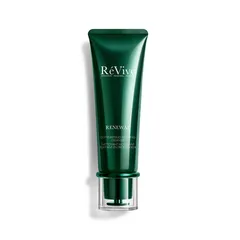
What does the product description say?
Dual-action cleansing gently lifts makeup & impurities
Source: Révive
This product works by removing dirt and oil from the surface of the skin. It uses a combination of mild cleansing agents (capric acid, cera alba, cetyl alcohol, cocamidopropyl betaine, glyceryl stearate, hydroxypropyl methylcellulose, jojoba wax peg-120 esters, lauric acid, myristic acid, olive oil peg-7 esters, palmitic acid, peg-100 stearate, peg-40 hydrogenated castor oil, stearic acid) and should be able to cleanse the skin gently. Still keep in mind that any cleansing can disrupt the skin barrier, and most people do not need to cleanse their skin more than once per day.
Even though this formulation is mild, the following cleansing agents could trigger an irritation or allergy for some people: cocamidopropyl betaine
Forms a protective barrier that holds water and keeps dry skin hydrated. Keeps an emulsion from separating into its oil and liquid components, and increases the thickness of a product. Can be an allergen
A non-drying alcohol that works to soften the skin and stabilize product formulations helping oil and water mix together
Helps water and oil mix together. Used as a cleansing ingredient. Could be an allergen
An emollient that softens the skin and forms a protective layer on its surface. Helps water and oil mix together
Used to create a thicker product consistency and stabilize the formulation
Helps water and oil mix together. Has anti-bacterial properties that might be helpful in preventing blemishes
Helps oil and water mix together. Could be comedogenic
Helps oil and water mix together and works as a cleansing agent
An emollient that is naturally present in skin and helps soften it
Helps oil and water mix togehter and creates a nice product texture
Helps oil and water mix together
Helps oil and water mix together and works as an emollient
How honest is this product?
| Promise | Can it deliver? |
|---|---|
| Cleansing |
Total Promises Fulfilled score: 100/100.
We receive a small commission for purchases made through these links at no cost for you. Thank you for your support! Learn more
Potential irritants
Comedogenic ingredients
User reviews (0)
Averages from community submissions.
No reviews yet for this product.
Be the first to share your experience!
Tried this product?
Help capture what the ingredient list can't—texture, finish, pilling, scent, and more. Answer what you can, skip the rest.
Takes ~30 seconds.
Reviews are shown in aggregate. No personal details.
Key Actives
Can contain potent anti-oxidant compounds (abbreviated ECG, GCG, EGC, and EGCG) that might help protect the skin from free radicals. Can help calm down inflammation and has some anti-bacterial properties. Unfortunately, these antioxidants are unstable and lose their effectiveness very quickly in products. The concentration of the antioxidant compounds in the extract also tends to be low to be effective in topical formulation
Pure form of vitamin E. Can help moisturise and protect the skin from free radicals. Often used to help stabilise other ingredients or the formula itself
Helps water and oil mix together. Has anti-bacterial properties that might be helpful in preventing blemishes
A great moisturising ingredient that softens the skin and reduces water loss from its upper layer. It also can be helpful in protecting skin from free radicals
Helps oil and water mix together and works as an emollient
Forms a protective barrier that holds water and keeps dry skin hydrated. Keeps an emulsion from separating into its oil and liquid components, and increases the thickness of a product. Can be an allergen
An emollient that softens the skin and forms a protective layer on its surface. Helps water and oil mix together
An emollient that is naturally present in skin and helps soften it
A non-drying alcohol that works to soften the skin and stabilize product formulations helping oil and water mix together
Red algae extract that helps attract water to the upper layer of the skin and might contain antioxidants
A type of lipid similar to ceramides naturally present in skin. Helps to soften the upper layer of the skin and supports the skin barrier function to keep it hydrated. Can help to prevent inflammation in skin
A plant extract that has anti-bacterial properties. Can be used to preserve the product. Can be irritating
Helps oil and water mix together. Could be comedogenic
One of the best moisturizing ingredients. Naturally present in skin. It attracts water to the upper layer of the skin working as a humectant
Helps oil and water mix together and works as a cleansing agent
Helps oil and water mix togehter and creates a nice product texture
Helps water and oil mix together. Used as a cleansing ingredient. Could be an allergen
Helps oil and water mix together
A good emollient that helps soften the skin and helps repair its barrier function. It can clog pores if used in high concentrations.
Used to create a thicker product consistency and stabilize the formulation
One of the best moisturizing ingredients. Attracts water into the upper layer of the skin
An amino acid that is naturally present in skin and helps keep it hydrated. When used together with AHAs, it can reduce their irritating effect on the skin
Works as a UV filter when used in high concentrations. It is photostable and is effective mostly against the UVB light, with some protection in the UVA range. In small concentrations, used for its ability to improve the color of cosmetic products. Is usually well tolerated by the skin
Potential irritants
An aromatic blend of unspecified and possibly irritating ingredients
Helps water and oil mix together. Used as a cleansing ingredient. Could be an allergen
A plant extract that has anti-bacterial properties. Can be used to preserve the product. Can be irritating
A plant extract that might have some anti-oxidant effect
A plant extract that is rich in a fragrance compound eugenol that is a frequent allergen and can be irritating. It might also contain anti-oxidants to help neutralize free radicals
A plant extract that can contain an active compound curcumin, that may have some anti-inflammatory properties when applied to the skin, but solid research is lacking and the typical concentration used in skincare products is too low. Can be an irritant
A common frangrance that can easily irritate skin, especially if exposed to air, light or heat
Helps oil and water mix together. Could be comedogenic
Helps water and oil mix together. Has anti-bacterial properties that might be helpful in preventing blemishes
Helps oil and water mix together and works as a cleansing agent
Forms a protective barrier that holds water and keeps dry skin hydrated. Keeps an emulsion from separating into its oil and liquid components, and increases the thickness of a product. Can be an allergen
A more stable but less bio-available form of vitamin E compared to Tocopherol. Might help moisturize and protect the skin from free radicals, but mostly used in low concentrations to stabilize other ingredients.
A good emollient that helps soften the skin and helps repair its barrier function. It can clog pores if used in high concentrations.
A plant extract that might be helpful to neutralize free radicals in skin
A plant extract that might have some anti-oxidant effect helping neutralize free radicals in skin
Used to create a thicker product consistency and stabilize the formulation
Helps preserve products and creates a nice product texture
Eggplant fruit extract. Might have some anti-oxidant effect
Comedogenic ingredients
Helps oil and water mix together. Could be comedogenic
Helps water and oil mix together. Has anti-bacterial properties that might be helpful in preventing blemishes
A great moisturising ingredient that softens the skin and reduces water loss from its upper layer. It also can be helpful in protecting skin from free radicals
A good emollient that helps soften the skin and helps repair its barrier function. It can clog pores if used in high concentrations.
Red algae extract that helps attract water to the upper layer of the skin and might contain antioxidants
All ingredients
Helps oil and water mix together. Could be comedogenic
One of the best moisturizing ingredients. Naturally present in skin. It attracts water to the upper layer of the skin working as a humectant
Helps water and oil mix together. Has anti-bacterial properties that might be helpful in preventing blemishes
Helps to dissolve other ingredients in a formulation. Slows down the rate of product drying
Helps oil and water mix together and works as a cleansing agent
Forms a protective barrier that holds water and keeps dry skin hydrated. Keeps an emulsion from separating into its oil and liquid components, and increases the thickness of a product. Can be an allergen
An emollient that softens the skin and forms a protective layer on its surface. Helps water and oil mix together
Helps oil and water mix togehter and creates a nice product texture
An emollient that is naturally present in skin and helps soften it
An aromatic blend of unspecified and possibly irritating ingredients
Helps water and oil mix together and can help attract water to the upper layer of the skin
Helps water and oil mix together. Used as a cleansing ingredient. Could be an allergen
Helps to attract water to the upper layer of the skin. Can add sweet taste to lip products
A non-drying alcohol that works to soften the skin and stabilize product formulations helping oil and water mix together
A mineral that is used as an optical filter (makes the skin looks nicer through light reflection) and to improve the texture of cosmetic products
A preservative. It helps prevent bacterial growth in cosmetic products
Used to stabilize mixtures of oil and water, and create thicker, gel-like product textures
A more stable but less bio-available form of vitamin E compared to Tocopherol. Might help moisturize and protect the skin from free radicals, but mostly used in low concentrations to stabilize other ingredients.
A great moisturising ingredient that softens the skin and reduces water loss from its upper layer. It also can be helpful in protecting skin from free radicals
Used to create a nice product texture and help delivery of other ingredients. Might be somewhat helpful in attracting water to the upper layer of the skin
A good emollient that helps soften the skin and helps repair its barrier function. It can clog pores if used in high concentrations.
A plant extract that might be helpful to neutralize free radicals in skin
Red algae extract that helps attract water to the upper layer of the skin and might contain antioxidants
Can contain potent anti-oxidant compounds (abbreviated ECG, GCG, EGC, and EGCG) that might help protect the skin from free radicals. Can help calm down inflammation and has some anti-bacterial properties. Unfortunately, these antioxidants are unstable and lose their effectiveness very quickly in products. The concentration of the antioxidant compounds in the extract also tends to be low to be effective in topical formulation
A type of lipid similar to ceramides naturally present in skin. Helps to soften the upper layer of the skin and supports the skin barrier function to keep it hydrated. Can help to prevent inflammation in skin
A plant extract that might have some anti-oxidant effect helping neutralize free radicals in skin
Used to create a thicker product consistency and stabilize the formulation
A plant extract that has anti-bacterial properties. Can be used to preserve the product. Can be irritating
One of the best moisturizing ingredients. Attracts water into the upper layer of the skin
Helps preserve products and creates a nice product texture
Pure form of vitamin E. Can help moisturise and protect the skin from free radicals. Often used to help stabilise other ingredients or the formula itself
Eggplant fruit extract. Might have some anti-oxidant effect
A plant extract that might have some anti-oxidant effect
A plant extract that is rich in a fragrance compound eugenol that is a frequent allergen and can be irritating. It might also contain anti-oxidants to help neutralize free radicals
A plant extract that can contain an active compound curcumin, that may have some anti-inflammatory properties when applied to the skin, but solid research is lacking and the typical concentration used in skincare products is too low. Can be an irritant
Carrot extract. Might have anti-oxidant properties and be used to add orange color
An amino acid that is naturally present in skin and helps keep it hydrated. When used together with AHAs, it can reduce their irritating effect on the skin
Works as a UV filter when used in high concentrations. It is photostable and is effective mostly against the UVB light, with some protection in the UVA range. In small concentrations, used for its ability to improve the color of cosmetic products. Is usually well tolerated by the skin
A colorant that can add a pearl-like appearance to the formulation
An umbrella term for the following three colorants: CI 77491, CI 77492, CI 77499. They might be able to offer some protection against visible light, but the degree of the protection is not clear
A common frangrance that can easily irritate skin, especially if exposed to air, light or heat
Ingredient list view
Water, Myristic acid, Glycerin, Potassium hydroxide, Stearic acid, Lauric acid, Dipropylene glycol, Peg-8, Olive oil peg-7 esters, Cera alba, Glyceryl stearate, Peg-100 stearate, Palmitic acid, Parfum, Crambe abyssinica seed oil, Maltooligosyl glucoside, Cocamidopropyl betaine, Hydrogenated starch hydrolysate, Jojoba wax peg-120 esters, Cetyl alcohol, Peg-40 hydrogenated castor oil, Lactose, Synthetic fluorphlogopite, Microcrystalline cellulose, Phenoxyethanol, Sodium chloride, Potassium carbonate, Tocopheryl acetate, Tetrasodium edta, Butyrospermum parkii butter, Butylene glycol, Glycine soja oil, Capric acid, Melia azadirachta flower extract, Corallina officinalis extract, Camellia sinensis leaf extract, Ceramide ng, Coccinia indica fruit extract, Hydroxypropyl methylcellulose, Melia azadirachta leaf extract, Sodium hyaluronate, Caprylyl glycol, Tocopherol, Solanum melongena fruit extract, Aloe barbadensis flower extract, Ocimum sanctum leaf extract, Curcuma longa root extract, Sorbic acid, Ethylhexylglycerin, Unknown, Daucus carota sativa root extract, Beta-carotene, Arginine, Sodium dna, Titanium dioxide, Tin oxide, Iron oxides, Linalool, Limonene, Geraniol, Hexyl cinnamal, Hydroxycitronellal, Citronellol
- The fatty acid profile of the skin surface lipid layer in papulopustular rosacea
- Glycerol and the skin: holistic approach to its origin and functions
- Efficacy of barrier creams in comparison to skin care products in dental laboratory technicians--a controlled trial
- Safety assessment of hydrogenated starch hydrolysates
- Amended Safety Assessment of PEGylated Oils as Used in Cosmetics
- Topical emulsions containing ceramides: Effects on the skin barrier function and anti‐inflammatory properties
- Topically Applied Ceramides Interact with the Stratum Corneum Lipid Matrix in Compromised Ex Vivo Skin
- Melia azedarach
- Preliminary and Pharmacological Profile of Melia azedarach L.: An Overview
- Hyaluronic acid: A key molecule in skin aging
- Hyaluronan (Hyaluronic Acid): a natural moisturizer for skin care
- Vitamin E in dermatology
- Vitamin E and Skin Health
- In Vitro antioxidative and anti-inflammatory activities of the ethanol extract of eggplant (Solanum melongena) stalks in macrophage RAW 264.7 cells
- Vaughn, A. R., Branum, A., & Sivamani, R. K. (2016). Effects of Turmeric (Curcuma longa) on Skin Health: A Systematic Review of the Clinical Evidence. Phytotherapy Research, 30(8), 1243–1264. doi:10.1002/ptr.5640
- Safety Assessment of Tin(IV) Oxide as Used in Cosmetics
- Annex I: Clinical evidence regarding sensitisation to individual fragrance chemicals and to natural extracts