Works for
MoisturizingPanthenol, Acetamidoethoxyethanol + 11 moreWorks well
“Wave Serum hydrates instantly and deeply, designed to keep hydration in by supporting the skin’s moisture barrier.”
This product contains good ingredients to attract water to the upper layer of the skin. These ingredients are called "humectants": acetamidoethoxyethanol, anhydroxylitol.
When humectants are on the surface of the skin, they “pull in” the moisture from the outside environment, or from within deeper layers of the skin. If the air is dry, humectants can speed up the moisture loss from the skin. This is why it is a good idea to use another product on top of this one to help "seal in" the moisture (look for ingredients like dimethicone, squalane, oils and butters).
The following ingredients in this product are especially good for supporting the skin barrier and helping with the hydration level: panthenol
Anti-oxidationSide benefit · AsiaticosideWorks well
This product contains antioxidants (asiaticoside) that can help neutralize free radicals in skin. By doing so, they can lessen the damage the skin gets from the UV light (sun).
Anti-agingSide benefit · Asiaticoside, Lactic acidMay help
This product contains asiaticoside. There is some human evidence that this ingredient helps reduce and prevent fine lines and wrinkles and improve skin elasticity and firmness, though it is smaller or less consistent than the evidence for the best anti-aging ingredients.
Can it cause trouble?
Irritancy8 flagged ingredientsLow risk
ComedogenicClean of flagged comedogenic ingredientsNone flagged

User reviews
Be the first — your take helps the next person decide.
Ingredients
Filter by role to see what each ingredient is doing.
Water~40–60%
Acetamidoethoxyethanol~7.4–11%
- Irritation risk
- Low
A new synthetic humectant that, according to the first tests, works better than glycerin in attracting moisture to the skin surface. It might be able to keep attracting water to the upper layer of the skin for longer compared with glycerin. Its texture is also nicer. Because of this, products with it are likely to be less sticky and more pleasant on application. It is unlikely to cause irritation and products with it work for sensitive skin. For best hydration results, it should be used at about 5-10% in a formulation. This ingredient is developed by a supplier Nouryon and is sold to skincare brands under the name Elfamoist AC.
More about AcetamidoethoxyethanolGlycerin~3.7–5.5%
- Irritation risk
- Low
One of the best moisturizing ingredients. Naturally present in skin. It attracts water to the upper layer of the skin working as a humectant
More about GlycerinHydroxyethyl urea~2.7–4.1%
- Irritation risk
- Low
A synthetic humectant made from urea. It pulls water into the upper layer of the skin about as well as glycerin, but without glycerin's stickiness. Unlike urea, it has not been shown to exfoliate. Lab and animal tests suggest a low risk of irritation at the levels used in products.
More about Hydroxyethyl ureaPentylene glycol~2.1–3.2%
- Irritation risk
- Medium
Used to preserve products, dissolve other ingredients and create a nice product texture
More about Pentylene glycolMethylpropanediol~1.6–2.4%
Betaine~1.3–1.9%
- Irritation risk
- Low
Helps attract water to the upper layer of the skin and improves the product texture
More about BetainePanthenol~1.1–1.7%
- Irritation risk
- Low
Helps attract water to the upper layer of the skin and can help improve skin barrier function
More about PanthenolAsiaticoside~0.85–1.3%
- Irritation risk
- Medium
An active compound of Centella Asiatica plant extract. In combination with other active compounds of Centella Asiatica extract (madecasosside, asiatic acid and madecassic acid), asiaticoside has been shown to be helpful in wound-healing, restoring skin barrier function and supporting collagen production in skin. It can, however, itself be irritating
More about AsiaticosideMadecassic acid~0.8–1.2%
- Irritation risk
- Medium
An active compound of Centella Asiatica plant extract. In combination with other active compounds of Centella Asiatica extract (asiaticoside, madecasosside and asiatic acid), madecassic acid has been shown to be helpful in wound-healing, restoring skin barrier function and supporting collagen production in skin. It can, however, itself be irritating
More about Madecassic acidAsiatic acid~0.5–1.15%
- Irritation risk
- Medium
An active compound of Centella Asiatica plant extract. In combination with other active compounds of Centella Asiatica extract (asiaticoside, madecasosside and madecassic acid) asiatic acid has been shown to be helpful in wound-healing, restoring skin barrier function and supporting collagen production in skin. It can, however, itself be irritating
More about Asiatic acidXylitylglucoside~0.4–0.95%
- Irritation risk
- Low
Helps attract water to the upper layer of the skin and repair the skin barrier function
More about XylitylglucosideAnhydroxylitol~0.35–0.8%
- Irritation risk
- Low
Helps attract water to the upper layer of the skin and repair the skin barrir function
More about AnhydroxylitolXylitol~0.2–0.75%
- Irritation risk
- Low
Helps attract water to the upper layer of the skin and repair the skin barrier function
More about XylitolTetrasodium glutamate diacetate~0.15–0.65%
- Irritation risk
- Low
Helps stabilize the product formulation
More about Tetrasodium glutamate diacetateXanthan gum~0.15–0.55%
- Irritation risk
- Low
Used to create a thicker product consistency
More about Xanthan gumSclerotium gum~0.1–0.4%
- Irritation risk
- Low
Used to create gel-like formulas and stabilize emulsions
More about Sclerotium gumLecithin~0.1–0.4%
- Irritation risk
- Low
Used mostly for creating emulsions - helping oil and water mix together. Helps soften the upper layer of the skin
More about LecithinSodium acrylates copolymer~0.05–0.15%
- Irritation risk
- Medium
Used to create a thicker product consistency
More about Sodium acrylates copolymerTriethyl citrate~0.05–0.1%
Lactic acid~0.05–0.1%
- Irritation risk
- Medium
An exfoliating and moisturizing alpha-hydroxy acid (AHA). Typically causes less irritation than other AHAs, for example, glycolic acid. At high concentrations (about 15%), lactic acid can help reduce lines and wrinkles. Recent studies show that lactic acid can support the "good" bacteria living on skin's surface (healthy skin microbiome)
More about Lactic acidIngredient list view
Water, Acetamidoethoxyethanol, Glycerin, Hydroxyethyl urea, Pentylene glycol, Methylpropanediol, Betaine, Panthenol, Asiaticoside, Madecassic acid, Asiatic acid, Xylitylglucoside, Anhydroxylitol, Xylitol, Tetrasodium glutamate diacetate, Xanthan gum, Sclerotium gum, Lecithin, Sodium acrylates copolymer, Triethyl citrate, Lactic acid
Compare prices
Retailers ranked by price — lowest first.

Worth comparing, line by line.
Match % combines shared ingredients, the first five ingredients, shared actives and hero ingredients, irritancy (lower counts in the alternative's favour), texture and body area. Only products in the same routine step are compared.
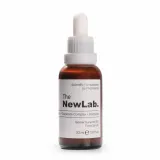
| Regimen LabWave Serum 2.5YOUR PRODUCT | esfolioHyaluronic Acid Houttuynia Cordata Ampoule | TheNewLabBarrier Strengthening B12 Face Serum | Alpha-HHyaluronic 8 Super Serum With Primalhyal Ultrafiller + Ectoin | |
|---|---|---|---|---|
| Match | — | 51% | 50% | 50% |
| Price | — | $8.05 | $8.70 | $65.00 |
| Shared key ingredients | — | 8 of 10 | 7 of 10 | 7 of 10 |
| Key difference | — | Madecassoside | Niacinamide | Ceramide Ap |
| Irritancy | Low | High | Medium | Medium |
| Drying alcohol | — | — | — | — |
| View product | Shop | Shop | Shop |

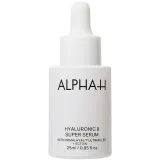
More alternatives: Centellian24 Madeca Vital Capsule Serum MiniONE THING Cica B5 Serum
Product summary
"Regimen Lab - Wave Serum 2.5" is effective for: Moisturizing and Exfoliation
This product could be helpful for: Anti-aging, but its actives are not the most effective or are not well-studied.
Ingredient callouts
- Actives derived from an extract of the Centella Asiatica plant (also known as Gotu Kola) - asiatic acid 0.50% - 1.15%, madecassic acid 0.80% - 1.20% and asiaticoside 0.85% - 1.30% The Centella Asiatica Actives, even in low concentration, can help reduce inflammation in skin, strengthen the skin barrier and reduce photodamage. They can also help to decrease scarring.
- An effective concentration of Panthenol (pro-vitamin B5) - about 1.10% - 1.70%. Panthenol helps strengthen the skin barrier, improve hydration and reduce inflammation in skin.
- Humectants (anhydroxylitol 0.35% - 0.80%, xylitylglucoside 0.40% - 0.95%, panthenol 1.10% - 1.70%, betaine 1.30% - 1.90%, hydroxyethyl urea 2.70% - 4.10%, glycerin 3.70% - 5.50% and acetamidoethoxyethanol 7.40% - 11.00%). These ingredients help attract water to the upper layer of the skin and improve the skin hydration.
Price
The product retails for 33.95CA$ in Canada.
For a detailed price comparison: click here.
Sources cited in this review
Every concentration estimate and effectiveness label is anchored to one of these 17 studies and safety reviews.
- 1
- 2ElfaMoist AC humectant (manufacturer's report)krahnnordics.com
- 3
- 4
- 5Glycerin and hydroxyethyl urea: Comparing two skin moisturizers (Cosmetics & Toiletries 2004)cosmeticsandtoiletries.com
- 6Hydrovance technical data sheet (Nouryon, 2021)media.knowde.com

Affiliate links · As an Amazon Associate, WIMJ earns from qualifying purchases.