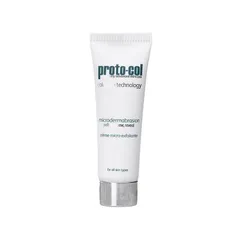
Works for:
based on ingredients and %- Anti-aging
- Exfoliation
- Moisturizing
- Evens skin tone
Doesn't work for:
based on ingredients and %- Anti-blemish
Can it cause trouble?
- Irritation risk: medium
- Comedogenic risk ingredients: 3
Key actives


Anti-aging
What does the product description say?
Reveal a brighter and more youthful complexion with this blend of diamonds and pearlsalongside Glycolic Acid.
Source: Face the future
This product can help reduce and prevent fine lines and wrinkles, improve skin elasticity and firmness because it contains glycolic acid.
Keep in mind that it typically takes at least 6 weeks to notice any results because the changes that are needed to improve fine lines and elasticity happen in the deeper layers of the skin. No topical anti-aging product can “erase” wrinkles or fully reverse signs of aging.
An alpha-hydroxy acid (AHA) that helps to remove the dead skin cells on the surface of the skin reveling a more even, smoother complexation. It is also able to stimulate collagen production with long-term use. Could help to reduce pore congestion. It can be irritating to the skin. Apply sunscreen daily if using products with glycolic acid
An exfoliating and moisturizing alpha-hydroxy acid (AHA). Typically causes less irritation than other AHAs, for example, glycolic acid. At high concentrations (about 15%), lactic acid can help reduce lines and wrinkles. Recent studies show that lactic acid can support the "good" bacteria living on skin's surface (healthy skin microbiome)
Traditionally used to treat sunburns, dermatitis and inflammation, but evidence for its effectiveness is lacking. The extract can contain humectants that help attract water into the skin
Evens skin tone
This product can help reduce hypepigmentation and even out the skin tone because it contains the following effective ingredients: glycolic acid
Keep in mind that you would need to apply any topical skincare targetted at hypigmentation consistently for a couple of months to get a result. No topical skincare product can help get rid of hyperpigmentation (including post-acne marks and age spots) instantly.
An alpha-hydroxy acid (AHA) that helps to remove the dead skin cells on the surface of the skin reveling a more even, smoother complexation. It is also able to stimulate collagen production with long-term use. Could help to reduce pore congestion. It can be irritating to the skin. Apply sunscreen daily if using products with glycolic acid
An exfoliating and moisturizing alpha-hydroxy acid (AHA). Typically causes less irritation than other AHAs, for example, glycolic acid. At high concentrations (about 15%), lactic acid can help reduce lines and wrinkles. Recent studies show that lactic acid can support the "good" bacteria living on skin's surface (healthy skin microbiome)
Exfoliation
What does the product description say?
Containing the most luxurious of ingredients, diamond and pearl powder act as the physical exfoliants working to remove dead skin cells to reveal a soft, renewed texture.
Source: Face the future
This product can help exfoliate the skin. In other words, it helps break down the bonds between dead cells on the surface of the skin and speed up the skin turnover. Skin often appears softer and brighter after exfoliation, but overdoing it can result in disrupted skin barrier. The following ingredient is doing the exfoliating job in this product: glycolic acid.
An alpha-hydroxy acid (AHA) that helps to remove the dead skin cells on the surface of the skin reveling a more even, smoother complexation. It is also able to stimulate collagen production with long-term use. Could help to reduce pore congestion. It can be irritating to the skin. Apply sunscreen daily if using products with glycolic acid
An exfoliating and moisturizing alpha-hydroxy acid (AHA). Typically causes less irritation than other AHAs, for example, glycolic acid. At high concentrations (about 15%), lactic acid can help reduce lines and wrinkles. Recent studies show that lactic acid can support the "good" bacteria living on skin's surface (healthy skin microbiome)
Moisturizing
What does the product description say?
The hydrolysed silk protein works to provide moisture to skin, leaving it feeling soft, restored and calm during the cellular turnover process.
Source: Face the future
This product can help improve hydration of the skin with the two types of ingredients.
The first type is called “humectants”:
these ingredients help attract water.
When humectants are on the surface of the skin, they “pull in” the moisture from the outside environment, or from
within deeper layers of the skin. The following ingredients in this product do the job:
cyclomethicone, glycerin.
This product also contains ingredients called “occlusives”. They help reduce the speed with which our skin loses moisture to the outside environment. These ingredients also help soften the upper layer of the skin, so it feels less tight and nicer to the touch. The following ingredients in this product do the job: caprylic/capric triglyceride, cera alba.
A great emollient that can also have anti-oxidant properties
Yeast extract. Helps attract water to the upper layer of the skin
One of the best moisturizing ingredients. Attracts water into the upper layer of the skin
One of the best moisturizing ingredients. Naturally present in skin. It attracts water to the upper layer of the skin working as a humectant
A type of silicone that leaves a nice silky finish on the skin and can help soften its upper layer
Forms a protective barrier that holds water and keeps dry skin hydrated. Keeps an emulsion from separating into its oil and liquid components, and increases the thickness of a product. Can be an allergen
A good mix of fatty acids that forms a protective layer on the skin. Improves the shelf life of products. Derived from coconut and glycerin
Helps attract water to the upper layer of the skin
Used to stabilize the product formulations and works as an emollient
A non-drying alcohol that works to soften the skin and stabilize product formulations helping oil and water mix together
Helps soften the upper layer of the skin and create a thicker product consistency
Helps oil and water mix together and can enhance the penetration of other ingredients into the skin. It can be irritating
An emollient that softens the skin and forms a protective layer on its surface. Helps water and oil mix together
Helps preserve products and creates a nice product texture
Softens the upper layer of skin and helps restore the healthy skin barrier. Has shown to help calm down inflammation in skin. It is a stable oil, meaning that it retains its properties even when exposed to air.
An exfoliating and moisturizing alpha-hydroxy acid (AHA). Typically causes less irritation than other AHAs, for example, glycolic acid. At high concentrations (about 15%), lactic acid can help reduce lines and wrinkles. Recent studies show that lactic acid can support the "good" bacteria living on skin's surface (healthy skin microbiome)
Traditionally used to treat sunburns, dermatitis and inflammation, but evidence for its effectiveness is lacking. The extract can contain humectants that help attract water into the skin
Anti-blemish
What does the product description say?
With crushed diamond and pearls to physically smooth skin and AHAs glycolic acid and lactic acid with fruit enzymes to dissolve congested pores, loosen dead skin, and encourage skin renewal, the hardworking formula leaves the skin looking instantly glowing and clear after just one use.
Source: Beauty Bay
This product contains ingredients (glycolic acid) that could help reduce blemishes and clogged pores in theory, but there is not enough evidence that they actually work.
An alpha-hydroxy acid (AHA) that helps to remove the dead skin cells on the surface of the skin reveling a more even, smoother complexation. It is also able to stimulate collagen production with long-term use. Could help to reduce pore congestion. It can be irritating to the skin. Apply sunscreen daily if using products with glycolic acid
Traditionally used to treat sunburns, dermatitis and inflammation, but evidence for its effectiveness is lacking. The extract can contain humectants that help attract water into the skin
How honest is this product?
| Promise | Can it deliver? |
|---|---|
| Anti-aging | |
| Exfoliation | |
| Moisturizing | |
| Anti-blemish |
Total Promises Fulfilled score: 81/100.
Potential irritants
Comedogenic ingredients
User reviews (0)
Averages from community submissions.
No reviews yet for this product.
Be the first to share your experience!
Tried this product?
Help capture what the ingredient list can't—texture, finish, pilling, scent, and more. Answer what you can, skip the rest.
Takes ~30 seconds.
Reviews are shown in aggregate. No personal details.
| Product | Similarity | Price | Irritancy |
|---|---|---|---|
 Proto-col Microdermabrasion | Current | - | |
Iconix Peel & revive | 54% | - | |
Jan Marini Marini Multi-Acid Exfoliating Pads | 53% | $95.00 | |
 Paula's choice Skin Perfecting 25% AHA and 2% BHA Exfoliant Peel | 52% | $49.00 | |
Bubble Skincare Moon Walk Gentle Exfoliating Serum | 52% | $9.58 | |
 Mercurochrome Pedi-Peeling Exfoliating Mask 1 Pair | 52% | ≈ $16.44 |
Key Actives
An alpha-hydroxy acid (AHA) that helps to remove the dead skin cells on the surface of the skin reveling a more even, smoother complexation. It is also able to stimulate collagen production with long-term use. Could help to reduce pore congestion. It can be irritating to the skin. Apply sunscreen daily if using products with glycolic acid
An exfoliating and moisturizing alpha-hydroxy acid (AHA). Typically causes less irritation than other AHAs, for example, glycolic acid. At high concentrations (about 15%), lactic acid can help reduce lines and wrinkles. Recent studies show that lactic acid can support the "good" bacteria living on skin's surface (healthy skin microbiome)
Forms a protective barrier that holds water and keeps dry skin hydrated. Keeps an emulsion from separating into its oil and liquid components, and increases the thickness of a product. Can be an allergen
A great emollient that can also have anti-oxidant properties
A good mix of fatty acids that forms a protective layer on the skin. Improves the shelf life of products. Derived from coconut and glycerin
A type of silicone that leaves a nice silky finish on the skin and can help soften its upper layer
One of the best moisturizing ingredients. Naturally present in skin. It attracts water to the upper layer of the skin working as a humectant
Works as a UV filter when used in high concentrations. It is photostable and is effective mostly against the UVB light, with some protection in the UVA range. In small concentrations, used for its ability to improve the color of cosmetic products. Is usually well tolerated by the skin
Yeast extract. Helps attract water to the upper layer of the skin
One of the best moisturizing ingredients. Attracts water into the upper layer of the skin
Softens the upper layer of skin and helps restore the healthy skin barrier. Has shown to help calm down inflammation in skin. It is a stable oil, meaning that it retains its properties even when exposed to air.
Potential irritants
Helps oil and water mix together and can enhance the penetration of other ingredients into the skin. It can be irritating
An alpha-hydroxy acid (AHA) that helps to remove the dead skin cells on the surface of the skin reveling a more even, smoother complexation. It is also able to stimulate collagen production with long-term use. Could help to reduce pore congestion. It can be irritating to the skin. Apply sunscreen daily if using products with glycolic acid
A plant extract that might have some anti-oxidant properties, but evidence of effectiveness in skin is lacking
A fruit extract that might have some anti-oxidant effect
An aromatic blend of unspecified and possibly irritating ingredients
A good mix of fatty acids that forms a protective layer on the skin. Improves the shelf life of products. Derived from coconut and glycerin
Helps water and oil mix together. Can be used as a cleansing agent
Forms a protective barrier that holds water and keeps dry skin hydrated. Keeps an emulsion from separating into its oil and liquid components, and increases the thickness of a product. Can be an allergen
Helps soften the upper layer of the skin and create a thicker product consistency
Traditionally used to treat sunburns, dermatitis and inflammation, but evidence for its effectiveness is lacking. The extract can contain humectants that help attract water into the skin
An exfoliating and moisturizing alpha-hydroxy acid (AHA). Typically causes less irritation than other AHAs, for example, glycolic acid. At high concentrations (about 15%), lactic acid can help reduce lines and wrinkles. Recent studies show that lactic acid can support the "good" bacteria living on skin's surface (healthy skin microbiome)
A more stable but less bio-available form of vitamin E compared to Tocopherol. Might help moisturize and protect the skin from free radicals, but mostly used in low concentrations to stabilize other ingredients.
A great emollient that can also have anti-oxidant properties
Softens the upper layer of skin and helps restore the healthy skin barrier. Has shown to help calm down inflammation in skin. It is a stable oil, meaning that it retains its properties even when exposed to air.
A preservative that comes from radishes fermented by a bacteria. New research suggests that the preservation properties in the ingredient come from an ammonium salt that is not present naturally in radish root but used in its cultivation. Is problematic because the exact amount of the preservative agents is difficult to determine
Helps preserve products and creates a nice product texture
Can work as an exfoliant but is typically used to adjust the product pH
Comedogenic ingredients
Used to stabilize the product formulations and works as an emollient
Helps soften the upper layer of the skin and create a thicker product consistency
All ingredients
A good mix of fatty acids that forms a protective layer on the skin. Improves the shelf life of products. Derived from coconut and glycerin
Helps oil and water mix together and can enhance the penetration of other ingredients into the skin. It can be irritating
A type of silicone that leaves a nice silky finish on the skin and can help soften its upper layer
An alpha-hydroxy acid (AHA) that helps to remove the dead skin cells on the surface of the skin reveling a more even, smoother complexation. It is also able to stimulate collagen production with long-term use. Could help to reduce pore congestion. It can be irritating to the skin. Apply sunscreen daily if using products with glycolic acid
Used to stabilize the product formulations and works as an emollient
Creates an illusion of smoother and more radiant skin tone. Adds shimmer to the skin by reflecting light
A non-drying alcohol that works to soften the skin and stabilize product formulations helping oil and water mix together
One of the best moisturizing ingredients. Naturally present in skin. It attracts water to the upper layer of the skin working as a humectant
Works as a UV filter when used in high concentrations. It is photostable and is effective mostly against the UVB light, with some protection in the UVA range. In small concentrations, used for its ability to improve the color of cosmetic products. Is usually well tolerated by the skin
A preservative. It helps prevent bacterial growth in cosmetic products
Helps oil and water mix togehter and creates a nice product texture
Helps water and oil mix together. Can be used as a cleansing agent
Forms a protective barrier that holds water and keeps dry skin hydrated. Keeps an emulsion from separating into its oil and liquid components, and increases the thickness of a product. Can be an allergen
Helps soften the upper layer of the skin and create a thicker product consistency
Traditionally used to treat sunburns, dermatitis and inflammation, but evidence for its effectiveness is lacking. The extract can contain humectants that help attract water into the skin
Yeast extract. Helps attract water to the upper layer of the skin
One of the best moisturizing ingredients. Attracts water into the upper layer of the skin
An exfoliating and moisturizing alpha-hydroxy acid (AHA). Typically causes less irritation than other AHAs, for example, glycolic acid. At high concentrations (about 15%), lactic acid can help reduce lines and wrinkles. Recent studies show that lactic acid can support the "good" bacteria living on skin's surface (healthy skin microbiome)
A more stable but less bio-available form of vitamin E compared to Tocopherol. Might help moisturize and protect the skin from free radicals, but mostly used in low concentrations to stabilize other ingredients.
A great emollient that can also have anti-oxidant properties
Softens the upper layer of skin and helps restore the healthy skin barrier. Has shown to help calm down inflammation in skin. It is a stable oil, meaning that it retains its properties even when exposed to air.
A plant extract that might have some anti-oxidant properties, but evidence of effectiveness in skin is lacking
A fruit extract that might have some anti-oxidant effect
Does not have known skin benefits. Might help create an optical illusion of smoother skin
An emollient that softens the skin and forms a protective layer on its surface. Helps water and oil mix together
A preservative that comes from radishes fermented by a bacteria. New research suggests that the preservation properties in the ingredient come from an ammonium salt that is not present naturally in radish root but used in its cultivation. Is problematic because the exact amount of the preservative agents is difficult to determine
Helps preserve products and creates a nice product texture
Used to creat a nice product texture and support penetration of other ingredients
Can work as an exfoliant but is typically used to adjust the product pH
An aromatic blend of unspecified and possibly irritating ingredients
Ingredient list view
Water, Caprylic/capric triglyceride, Propylene glycol, Cyclomethicone, Glycolic acid, Hydrated silica, Glyceryl stearate se, Mica, Mother of pearl, Cetyl alcohol, Glycerin, Titanium dioxide, Phenoxyethanol, Xanthan gum, Sodium magnesium silicate, Peg-100 stearate, Sodium cocoyl isethionate, Cera alba, Isopropyl palmitate, Aloe barbadensis leaf juice, Royal jelly, Faex extract, Sodium hyaluronate, Lactic acid, Tocopheryl acetate, Vitis vinifera seed oil, Simmondsia chinensis seed oil, Actinidia chinensis fruit extract, Psidium guajava fruit extract, Hydrolyzed corallina officinalis extract, Diamond powder, Glyceryl stearate, Leuconostoc/radish root ferment filtrate, Caprylyl glycol, Decylene glycol, Sodium benzoate, Potassium sorbate, Citric acid, Parfum
- Surfactants and experimental irritant contact dermatitis
- Propylene Glycol
- Skin-sensitizing and irritant properties of propylene glycol
- Photoprotective and antiinflammatory effects of topical glycolic acid
- Glycolic acid peel therapy – a current review
- Dual Effects of Alpha-Hydroxy Acids on the Skin
- Glycerol and the skin: holistic approach to its origin and functions
- Final Report on the Safety Assessment of Sodium Cocoyl Isethionate
- Efficacy of barrier creams in comparison to skin care products in dental laboratory technicians--a controlled trial
- Final Report on the Safety Assessment of Isopropyl Isostearate
- Hyaluronic acid: A key molecule in skin aging
- Hyaluronan (Hyaluronic Acid): a natural moisturizer for skin care
- Epidermal and dermal effects of topical lactic acid
- Dual Effects of Alpha-Hydroxy Acids on the Skin
- Guava: phytochemical composition of a potential source of antioxidants for cosmetic and/or dermatological applications