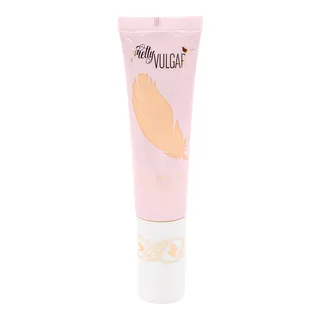
Pretty Vulgar Bird's Nest Blurring Beauty Mousse
Works for
Anti-agingDipalmitoyl hydroxyprolineNot delivered
“It battles blemishes and decreases the visibility of fine lines and wrinkles thanks to a unique diamond powder formula that can't be rivalled.”
This product does not contain ingredients that are able to reduce fine lines and wrinkles or help with skin elasticity, but it can improve the look of the skin temporarily through moisturization. Well-moisturized skin might also be able to repair the sun damage better.This ingredient - dipalmitoyl hydroxyproline - could be helpful for preventing or repairing signs of aging in theory, but there is no evidence that it actually works.
Anti-blemishNo ingredient credited for this claimNot delivered
“It battles blemishes and decreases the visibility of fine lines and wrinkles thanks to a unique diamond powder formula that can't be rivalled.”
Effective ingredients missing or their concentration is too low.
MoisturizingSide benefit · Peg-10 dimethicone, Helianthus annuus seed oil + 9 moreWorks
This product can help soften the skin and reduce its moisture loss with emollients and occlusives: helianthus annuus seed oil, peg-10 dimethicone.
Keep in mind that this product does not contain effective ingredients to attract water to the upper layer of the skin. This is why an additional product with humectants like glycerin or hyaluronic acid can be helpful (apply it before this product for the best results).
Can it cause trouble?
Irritancy3 flagged ingredients — patch-test recommendedHigh risk
ComedogenicClean of flagged comedogenic ingredientsNone flagged
User reviews
Be the first — your take helps the next person decide.
Ingredients
Filter by role to see what each ingredient is doing.
Cyclopentasiloxane~23–35%
- Irritation risk
- Low
A silicone that helps improve the product texture and spreadability. Can absorb oil creating a short-term mattifying effect on the skin
More about CyclopentasiloxaneIsododecane~6.2–9.3%
- Irritation risk
- Low
An emollient that helps soften the skin and can decrease moisture loss. Helps create a nice product texture
More about IsododecanePolysilicone-11~5.6–8.4%
- Irritation risk
- Low
A silicone that forms a light film on the skin surface helping to bind water and temporarily absorb oils creating a matt and powdery feel
More about Polysilicone-11Mica~4.2–6.3%
- Irritation risk
- Low
Creates an illusion of smoother and more radiant skin tone. Adds shimmer to the skin by reflecting light
More about MicaZinc oxide~4.2–6.3%
- Irritation risk
- Low
A broad spectrum sunblock (protects from both UVA and UVB rays). Is suitable for most sensitive skins. In small concentrations, can be used as a colorant
More about Zinc oxidePolymethylsilsesquioxane~2.6–3.9%
- Irritation risk
- Low
A silicone that improves product texture and helps dissolve other ingredients. Can form a non-greasy film on the skin to prevent moisture loss
More about PolymethylsilsesquioxaneHexyl laurate~2.2–3.3%
- Irritation risk
- Medium
Helps soften the upper layer of the skin and create a nice product consistency
More about Hexyl lauratePolyglyceryl-4 isostearate~1.9–2.8%
- Irritation risk
- Medium
Helps water and oil mix together
More about Polyglyceryl-4 isostearatePeg-10 dimethicone~1.9–2.8%
- Irritation risk
- Low
A silicone that works to soften the upper layer of the skin and reduce its water loss
More about Peg-10 dimethiconeAlumina~1.6–2.4%
- Irritation risk
- Low
The same compound that is used safely in dental implants and bone cements. In cosmetics, it is used to improve the consistency of products
More about AluminaWater~0.85–1.25%
Cetyl peg/ppg-10/1 dimethicone~0.55–1.3%
- Irritation risk
- Low
A type of silicone that helps water and oil mix together. Can help to soften upper layer of the skin
More about Cetyl peg/ppg-10/1 dimethiconeDaemonorops draco extract~0.45–1.05%
- Irritation risk
- Low
Dipalmitoyl hydroxyproline~0.4–0.95%
- Irritation risk
- Low
Is claimed to stimulate collagen and elastin production, as well as work as an anti-oxidant. There is however not enough evidence for its effectiveness
More about Dipalmitoyl hydroxyprolineHelianthus annuus seed oil~0.45–1%
- Irritation risk
- Low
A great emollient due to its high linoleic acid content. One of the most effective plant oils in helping skin hydration and repairing skin barrier function
More about Helianthus annuus seed oilStearic acid~0.5–1.15%
- Irritation risk
- Low
Helps oil and water mix together and works as an emollient
More about Stearic acidTocopheryl acetate~0.4–0.9%
- Irritation risk
- Medium
A more stable but less bio-available form of vitamin E compared to Tocopherol. Might help moisturize and protect the skin from free radicals, but mostly used in low concentrations to stabilize other ingredients.
More about Tocopheryl acetateTriethoxycaprylylsilane~0.35–0.85%
- Irritation risk
- Low
A type of silicone that helps oil and water mix well together. Helps to disperse other ingredients, e.g. pigments, evenly in a formulation
More about TriethoxycaprylylsilaneIron oxides~0.35–0.85%
- Irritation risk
- Low
An umbrella term for the following three colorants: CI 77491, CI 77492, CI 77499. They might be able to offer some protection against visible light, but the degree of the protection is not clear
More about Iron oxidesCi 77491~0.3–0.75%
- Irritation risk
- Low
A red colorant made of iron oxide. Typically is not irritating
More about Ci 77491Iron oxides~0.35–0.8%
- Irritation risk
- Low
An umbrella term for the following three colorants: CI 77491, CI 77492, CI 77499. They might be able to offer some protection against visible light, but the degree of the protection is not clear
More about Iron oxidesCi 77491~0.2–0.8%
- Irritation risk
- Low
A red colorant made of iron oxide. Typically is not irritating
More about Ci 77491Ci 77492~0.2–0.75%
Iron oxides~0.2–0.7%
- Irritation risk
- Low
An umbrella term for the following three colorants: CI 77491, CI 77492, CI 77499. They might be able to offer some protection against visible light, but the degree of the protection is not clear
More about Iron oxidesCi 77491~0.2–0.75%
- Irritation risk
- Low
A red colorant made of iron oxide. Typically is not irritating
More about Ci 77491Ci 77499~0.2–0.75%
Titanium dioxide~0.35–0.8%
- Irritation risk
- Low
Works as a UV filter when used in high concentrations. It is photostable and is effective mostly against the UVB light, with some protection in the UVA range. In small concentrations, used for its ability to improve the color of cosmetic products. Is usually well tolerated by the skin
More about Titanium dioxideCi 77891~0.15–0.7%
- Irritation risk
- Low
Cyclopentasiloxane~0.35–0.8%
- Irritation risk
- Low
A silicone that helps improve the product texture and spreadability. Can absorb oil creating a short-term mattifying effect on the skin
More about CyclopentasiloxaneIsododecane~0.3–0.75%
- Irritation risk
- Low
An emollient that helps soften the skin and can decrease moisture loss. Helps create a nice product texture
More about IsododecanePolysilicone-11~0.35–0.85%
- Irritation risk
- Low
A silicone that forms a light film on the skin surface helping to bind water and temporarily absorb oils creating a matt and powdery feel
More about Polysilicone-11Mica~0.3–0.75%
- Irritation risk
- Low
Creates an illusion of smoother and more radiant skin tone. Adds shimmer to the skin by reflecting light
More about MicaZinc oxide~0.35–0.85%
- Irritation risk
- Low
A broad spectrum sunblock (protects from both UVA and UVB rays). Is suitable for most sensitive skins. In small concentrations, can be used as a colorant
More about Zinc oxidePolymethylsilsesquioxane~0.3–0.7%
- Irritation risk
- Low
A silicone that improves product texture and helps dissolve other ingredients. Can form a non-greasy film on the skin to prevent moisture loss
More about PolymethylsilsesquioxaneHexyl laurate~0.35–0.8%
- Irritation risk
- Medium
Helps soften the upper layer of the skin and create a nice product consistency
More about Hexyl lauratePolyglyceryl-4 isostearate~0.3–0.7%
- Irritation risk
- Medium
Helps water and oil mix together
More about Polyglyceryl-4 isostearatePeg-10 dimethicone~0.35–0.85%
- Irritation risk
- Low
A silicone that works to soften the upper layer of the skin and reduce its water loss
More about Peg-10 dimethiconeAlumina~0.4–0.9%
- Irritation risk
- Low
The same compound that is used safely in dental implants and bone cements. In cosmetics, it is used to improve the consistency of products
More about AluminaWater~0.2–0.75%
Cetyl peg/ppg-10/1 dimethicone~0.2–0.8%
- Irritation risk
- Low
A type of silicone that helps water and oil mix together. Can help to soften upper layer of the skin
More about Cetyl peg/ppg-10/1 dimethiconeDaemonorops draco extract~0.2–0.75%
- Irritation risk
- Low
Dipalmitoyl hydroxyproline~0.2–0.75%
- Irritation risk
- Low
Is claimed to stimulate collagen and elastin production, as well as work as an anti-oxidant. There is however not enough evidence for its effectiveness
More about Dipalmitoyl hydroxyprolineHelianthus annuus seed oil~0.35–0.8%
- Irritation risk
- Low
A great emollient due to its high linoleic acid content. One of the most effective plant oils in helping skin hydration and repairing skin barrier function
More about Helianthus annuus seed oilStearic acid~0.4–0.9%
- Irritation risk
- Low
Helps oil and water mix together and works as an emollient
More about Stearic acidTocopheryl acetate~0.2–0.8%
- Irritation risk
- Medium
A more stable but less bio-available form of vitamin E compared to Tocopherol. Might help moisturize and protect the skin from free radicals, but mostly used in low concentrations to stabilize other ingredients.
More about Tocopheryl acetateTriethoxycaprylylsilane~0.2–0.75%
- Irritation risk
- Low
A type of silicone that helps oil and water mix well together. Helps to disperse other ingredients, e.g. pigments, evenly in a formulation
More about TriethoxycaprylylsilaneIron oxides~0.15–0.7%
- Irritation risk
- Low
An umbrella term for the following three colorants: CI 77491, CI 77492, CI 77499. They might be able to offer some protection against visible light, but the degree of the protection is not clear
More about Iron oxidesCi 77491~0.2–0.75%
- Irritation risk
- Low
A red colorant made of iron oxide. Typically is not irritating
More about Ci 77491Iron oxides~0.15–0.7%
- Irritation risk
- Low
An umbrella term for the following three colorants: CI 77491, CI 77492, CI 77499. They might be able to offer some protection against visible light, but the degree of the protection is not clear
More about Iron oxidesCi 77491~0.2–0.75%
- Irritation risk
- Low
A red colorant made of iron oxide. Typically is not irritating
More about Ci 77491Ci 77492~0.2–0.75%
Iron oxides~0.15–0.7%
- Irritation risk
- Low
An umbrella term for the following three colorants: CI 77491, CI 77492, CI 77499. They might be able to offer some protection against visible light, but the degree of the protection is not clear
More about Iron oxidesCi 77491~0.2–0.75%
- Irritation risk
- Low
A red colorant made of iron oxide. Typically is not irritating
More about Ci 77491Ci 77499~0.2–0.75%
Titanium dioxide~0.35–0.8%
- Irritation risk
- Low
Works as a UV filter when used in high concentrations. It is photostable and is effective mostly against the UVB light, with some protection in the UVA range. In small concentrations, used for its ability to improve the color of cosmetic products. Is usually well tolerated by the skin
More about Titanium dioxideCi 77891~0.15–0.7%
- Irritation risk
- Low
Egg~0.2–0.75%
- Irritation risk
- Low
Cyclopentasiloxane~0.35–0.8%
- Irritation risk
- Low
A silicone that helps improve the product texture and spreadability. Can absorb oil creating a short-term mattifying effect on the skin
More about CyclopentasiloxaneIsododecane~0.3–0.75%
- Irritation risk
- Low
An emollient that helps soften the skin and can decrease moisture loss. Helps create a nice product texture
More about IsododecanePolysilicone-11~0.35–0.85%
- Irritation risk
- Low
A silicone that forms a light film on the skin surface helping to bind water and temporarily absorb oils creating a matt and powdery feel
More about Polysilicone-11Mica~0.3–0.75%
- Irritation risk
- Low
Creates an illusion of smoother and more radiant skin tone. Adds shimmer to the skin by reflecting light
More about MicaZinc oxide~0.35–0.85%
- Irritation risk
- Low
A broad spectrum sunblock (protects from both UVA and UVB rays). Is suitable for most sensitive skins. In small concentrations, can be used as a colorant
More about Zinc oxidePolymethylsilsesquioxane~0.3–0.7%
- Irritation risk
- Low
A silicone that improves product texture and helps dissolve other ingredients. Can form a non-greasy film on the skin to prevent moisture loss
More about PolymethylsilsesquioxaneHexyl laurate~0.35–0.8%
- Irritation risk
- Medium
Helps soften the upper layer of the skin and create a nice product consistency
More about Hexyl lauratePolyglyceryl-4 isostearate~0.3–0.7%
- Irritation risk
- Medium
Helps water and oil mix together
More about Polyglyceryl-4 isostearatePeg-10 dimethicone~0.35–0.85%
- Irritation risk
- Low
A silicone that works to soften the upper layer of the skin and reduce its water loss
More about Peg-10 dimethiconeAlumina~0.4–0.9%
- Irritation risk
- Low
The same compound that is used safely in dental implants and bone cements. In cosmetics, it is used to improve the consistency of products
More about AluminaWater~0.2–0.75%
Cetyl peg/ppg-10/1 dimethicone~0.2–0.8%
- Irritation risk
- Low
A type of silicone that helps water and oil mix together. Can help to soften upper layer of the skin
More about Cetyl peg/ppg-10/1 dimethiconeDaemonorops draco extract~0.2–0.75%
- Irritation risk
- Low
Dipalmitoyl hydroxyproline~0.2–0.75%
- Irritation risk
- Low
Is claimed to stimulate collagen and elastin production, as well as work as an anti-oxidant. There is however not enough evidence for its effectiveness
More about Dipalmitoyl hydroxyprolineHelianthus annuus seed oil~0.35–0.8%
- Irritation risk
- Low
A great emollient due to its high linoleic acid content. One of the most effective plant oils in helping skin hydration and repairing skin barrier function
More about Helianthus annuus seed oilStearic acid~0.4–0.9%
- Irritation risk
- Low
Helps oil and water mix together and works as an emollient
More about Stearic acidTocopheryl acetate~0.2–0.8%
- Irritation risk
- Medium
A more stable but less bio-available form of vitamin E compared to Tocopherol. Might help moisturize and protect the skin from free radicals, but mostly used in low concentrations to stabilize other ingredients.
More about Tocopheryl acetateTriethoxycaprylylsilane~0.2–0.75%
- Irritation risk
- Low
A type of silicone that helps oil and water mix well together. Helps to disperse other ingredients, e.g. pigments, evenly in a formulation
More about TriethoxycaprylylsilaneIron oxides~0.15–0.7%
- Irritation risk
- Low
An umbrella term for the following three colorants: CI 77491, CI 77492, CI 77499. They might be able to offer some protection against visible light, but the degree of the protection is not clear
More about Iron oxidesCi 77491~0.2–0.75%
- Irritation risk
- Low
A red colorant made of iron oxide. Typically is not irritating
More about Ci 77491Iron oxides~0.15–0.7%
- Irritation risk
- Low
An umbrella term for the following three colorants: CI 77491, CI 77492, CI 77499. They might be able to offer some protection against visible light, but the degree of the protection is not clear
More about Iron oxidesCi 77491~0.2–0.75%
- Irritation risk
- Low
A red colorant made of iron oxide. Typically is not irritating
More about Ci 77491Ci 77492~0.2–0.75%
Iron oxides~0.15–0.7%
- Irritation risk
- Low
An umbrella term for the following three colorants: CI 77491, CI 77492, CI 77499. They might be able to offer some protection against visible light, but the degree of the protection is not clear
More about Iron oxidesCi 77491~0.2–0.75%
- Irritation risk
- Low
A red colorant made of iron oxide. Typically is not irritating
More about Ci 77491Ci 77499~0.2–0.75%
Titanium dioxide~0.35–0.8%
- Irritation risk
- Low
Works as a UV filter when used in high concentrations. It is photostable and is effective mostly against the UVB light, with some protection in the UVA range. In small concentrations, used for its ability to improve the color of cosmetic products. Is usually well tolerated by the skin
More about Titanium dioxideCi 77891~0.15–0.7%
- Irritation risk
- Low
Cyclopentasiloxane~0.35–0.8%
- Irritation risk
- Low
A silicone that helps improve the product texture and spreadability. Can absorb oil creating a short-term mattifying effect on the skin
More about CyclopentasiloxaneIsododecane~0.3–0.75%
- Irritation risk
- Low
An emollient that helps soften the skin and can decrease moisture loss. Helps create a nice product texture
More about IsododecaneMica~0.3–0.75%
- Irritation risk
- Low
Creates an illusion of smoother and more radiant skin tone. Adds shimmer to the skin by reflecting light
More about MicaPolysilicone-11~0.35–0.85%
- Irritation risk
- Low
A silicone that forms a light film on the skin surface helping to bind water and temporarily absorb oils creating a matt and powdery feel
More about Polysilicone-11Zinc oxide~0.35–0.85%
- Irritation risk
- Low
A broad spectrum sunblock (protects from both UVA and UVB rays). Is suitable for most sensitive skins. In small concentrations, can be used as a colorant
More about Zinc oxidePolymethylsilsesquioxane~0.3–0.7%
- Irritation risk
- Low
A silicone that improves product texture and helps dissolve other ingredients. Can form a non-greasy film on the skin to prevent moisture loss
More about PolymethylsilsesquioxaneHexyl laurate~0.35–0.8%
- Irritation risk
- Medium
Helps soften the upper layer of the skin and create a nice product consistency
More about Hexyl lauratePolyglyceryl-4 isostearate~0.3–0.7%
- Irritation risk
- Medium
Helps water and oil mix together
More about Polyglyceryl-4 isostearatePeg-10 dimethicone~0.35–0.85%
- Irritation risk
- Low
A silicone that works to soften the upper layer of the skin and reduce its water loss
More about Peg-10 dimethiconeAlumina~0.4–0.9%
- Irritation risk
- Low
The same compound that is used safely in dental implants and bone cements. In cosmetics, it is used to improve the consistency of products
More about AluminaWater~0.2–0.75%
Cetyl peg/ppg-10/1 dimethicone~0.2–0.8%
- Irritation risk
- Low
A type of silicone that helps water and oil mix together. Can help to soften upper layer of the skin
More about Cetyl peg/ppg-10/1 dimethiconeDaemonorops draco extract~0.2–0.75%
- Irritation risk
- Low
Dipalmitoyl hydroxyproline~0.2–0.75%
- Irritation risk
- Low
Is claimed to stimulate collagen and elastin production, as well as work as an anti-oxidant. There is however not enough evidence for its effectiveness
More about Dipalmitoyl hydroxyprolineHelianthus annuus seed oil~0.35–0.8%
- Irritation risk
- Low
A great emollient due to its high linoleic acid content. One of the most effective plant oils in helping skin hydration and repairing skin barrier function
More about Helianthus annuus seed oilStearic acid~0.4–0.9%
- Irritation risk
- Low
Helps oil and water mix together and works as an emollient
More about Stearic acidTocopheryl acetate~0.2–0.8%
- Irritation risk
- Medium
A more stable but less bio-available form of vitamin E compared to Tocopherol. Might help moisturize and protect the skin from free radicals, but mostly used in low concentrations to stabilize other ingredients.
More about Tocopheryl acetateTriethoxycaprylylsilane~0.2–0.75%
- Irritation risk
- Low
A type of silicone that helps oil and water mix well together. Helps to disperse other ingredients, e.g. pigments, evenly in a formulation
More about TriethoxycaprylylsilaneIron oxides~0.15–0.7%
- Irritation risk
- Low
An umbrella term for the following three colorants: CI 77491, CI 77492, CI 77499. They might be able to offer some protection against visible light, but the degree of the protection is not clear
More about Iron oxidesCi 77491~0.2–0.75%
- Irritation risk
- Low
A red colorant made of iron oxide. Typically is not irritating
More about Ci 77491Iron oxides~0.15–0.7%
- Irritation risk
- Low
An umbrella term for the following three colorants: CI 77491, CI 77492, CI 77499. They might be able to offer some protection against visible light, but the degree of the protection is not clear
More about Iron oxidesCi 77491~0.2–0.75%
- Irritation risk
- Low
A red colorant made of iron oxide. Typically is not irritating
More about Ci 77491Ci 77492~0.2–0.75%
Iron oxides~0.15–0.7%
- Irritation risk
- Low
An umbrella term for the following three colorants: CI 77491, CI 77492, CI 77499. They might be able to offer some protection against visible light, but the degree of the protection is not clear
More about Iron oxidesCi 77491~0.2–0.75%
- Irritation risk
- Low
A red colorant made of iron oxide. Typically is not irritating
More about Ci 77491Ci 77499~0.2–0.75%
Titanium dioxide~0.35–0.8%
- Irritation risk
- Low
Works as a UV filter when used in high concentrations. It is photostable and is effective mostly against the UVB light, with some protection in the UVA range. In small concentrations, used for its ability to improve the color of cosmetic products. Is usually well tolerated by the skin
More about Titanium dioxideCi 77891~0.15–0.7%
- Irritation risk
- Low
Cyclopentasiloxane~0.35–0.8%
- Irritation risk
- Low
A silicone that helps improve the product texture and spreadability. Can absorb oil creating a short-term mattifying effect on the skin
More about CyclopentasiloxaneIsododecane~0.3–0.75%
- Irritation risk
- Low
An emollient that helps soften the skin and can decrease moisture loss. Helps create a nice product texture
More about IsododecanePolysilicone-11~0.35–0.85%
- Irritation risk
- Low
A silicone that forms a light film on the skin surface helping to bind water and temporarily absorb oils creating a matt and powdery feel
More about Polysilicone-11Polymethylsilsesquioxane~0.3–0.7%
- Irritation risk
- Low
A silicone that improves product texture and helps dissolve other ingredients. Can form a non-greasy film on the skin to prevent moisture loss
More about PolymethylsilsesquioxaneDimethicone/divinyldimethicone/silsesquioxane crosspolymer~0.2–0.75%
- Irritation risk
- Low
Cyclohexasiloxane~0.35–0.8%
- Irritation risk
- Low
A silicone that serves as an emollient. Helps create a nice non-greasy feels
More about CyclohexasiloxanePolyglyceryl-4 isostearate~0.3–0.7%
- Irritation risk
- Medium
Helps water and oil mix together
More about Polyglyceryl-4 isostearateCetyl peg/ppg-10/1 dimethicone~0.2–0.8%
- Irritation risk
- Low
A type of silicone that helps water and oil mix together. Can help to soften upper layer of the skin
More about Cetyl peg/ppg-10/1 dimethiconeHexyl laurate~0.35–0.8%
- Irritation risk
- Medium
Helps soften the upper layer of the skin and create a nice product consistency
More about Hexyl laurateAlumina~0.4–0.9%
- Irritation risk
- Low
The same compound that is used safely in dental implants and bone cements. In cosmetics, it is used to improve the consistency of products
More about AluminaTriethoxycaprylylsilane~0.2–0.75%
- Irritation risk
- Low
A type of silicone that helps oil and water mix well together. Helps to disperse other ingredients, e.g. pigments, evenly in a formulation
More about TriethoxycaprylylsilaneDipalmitoyl hydroxyproline~0.2–0.75%
- Irritation risk
- Low
Is claimed to stimulate collagen and elastin production, as well as work as an anti-oxidant. There is however not enough evidence for its effectiveness
More about Dipalmitoyl hydroxyprolineHelianthus annuus seed oil~0.35–0.8%
- Irritation risk
- Low
A great emollient due to its high linoleic acid content. One of the most effective plant oils in helping skin hydration and repairing skin barrier function
More about Helianthus annuus seed oilCyclotetrasiloxane~0.35–0.8%
- Irritation risk
- Low
Daemonorops draco extract~0.2–0.75%
- Irritation risk
- Low
Tocopheryl acetate~0.2–0.8%
- Irritation risk
- Medium
A more stable but less bio-available form of vitamin E compared to Tocopherol. Might help moisturize and protect the skin from free radicals, but mostly used in low concentrations to stabilize other ingredients.
More about Tocopheryl acetateMica~0.3–0.75%
- Irritation risk
- Low
Creates an illusion of smoother and more radiant skin tone. Adds shimmer to the skin by reflecting light
More about MicaIron oxides~0.15–0.7%
- Irritation risk
- Low
An umbrella term for the following three colorants: CI 77491, CI 77492, CI 77499. They might be able to offer some protection against visible light, but the degree of the protection is not clear
More about Iron oxidesCi 77491~0.2–0.75%
- Irritation risk
- Low
A red colorant made of iron oxide. Typically is not irritating
More about Ci 77491Ci 77492~0.2–0.75%
Titanium dioxide~0.35–0.8%
- Irritation risk
- Low
Works as a UV filter when used in high concentrations. It is photostable and is effective mostly against the UVB light, with some protection in the UVA range. In small concentrations, used for its ability to improve the color of cosmetic products. Is usually well tolerated by the skin
More about Titanium dioxideCi 77891~0.15–0.7%
- Irritation risk
- Low
Iron oxides~0.15–0.7%
- Irritation risk
- Low
An umbrella term for the following three colorants: CI 77491, CI 77492, CI 77499. They might be able to offer some protection against visible light, but the degree of the protection is not clear
More about Iron oxidesCi 77491~0.2–0.75%
- Irritation risk
- Low
A red colorant made of iron oxide. Typically is not irritating
More about Ci 77491Iron oxides~0.15–0.7%
- Irritation risk
- Low
An umbrella term for the following three colorants: CI 77491, CI 77492, CI 77499. They might be able to offer some protection against visible light, but the degree of the protection is not clear
More about Iron oxidesCi 77491~0.2–0.75%
- Irritation risk
- Low
A red colorant made of iron oxide. Typically is not irritating
More about Ci 77491Ci 77499~0.2–0.75%
Cyclopentasiloxane~0.35–0.8%
- Irritation risk
- Low
A silicone that helps improve the product texture and spreadability. Can absorb oil creating a short-term mattifying effect on the skin
More about CyclopentasiloxaneIsododecane~0.3–0.75%
- Irritation risk
- Low
An emollient that helps soften the skin and can decrease moisture loss. Helps create a nice product texture
More about IsododecanePolysilicone-11~0.35–0.85%
- Irritation risk
- Low
A silicone that forms a light film on the skin surface helping to bind water and temporarily absorb oils creating a matt and powdery feel
More about Polysilicone-11Polymethylsilsesquioxane~0.3–0.7%
- Irritation risk
- Low
A silicone that improves product texture and helps dissolve other ingredients. Can form a non-greasy film on the skin to prevent moisture loss
More about PolymethylsilsesquioxaneDimethicone/divinyldimethicone/silsesquioxane crosspolymer~0.2–0.75%
- Irritation risk
- Low
Cyclohexasiloxane~0.35–0.8%
- Irritation risk
- Low
A silicone that serves as an emollient. Helps create a nice non-greasy feels
More about CyclohexasiloxaneAlumina~0.4–0.9%
- Irritation risk
- Low
The same compound that is used safely in dental implants and bone cements. In cosmetics, it is used to improve the consistency of products
More about AluminaTriethoxycaprylylsilane~0.2–0.75%
- Irritation risk
- Low
A type of silicone that helps oil and water mix well together. Helps to disperse other ingredients, e.g. pigments, evenly in a formulation
More about TriethoxycaprylylsilanePolyglyceryl-4 isostearate~0.3–0.7%
- Irritation risk
- Medium
Helps water and oil mix together
More about Polyglyceryl-4 isostearateCetyl peg/ppg-10/1 dimethicone~0.2–0.8%
- Irritation risk
- Low
A type of silicone that helps water and oil mix together. Can help to soften upper layer of the skin
More about Cetyl peg/ppg-10/1 dimethiconeHexyl laurate~0.35–0.8%
- Irritation risk
- Medium
Helps soften the upper layer of the skin and create a nice product consistency
More about Hexyl laurateDipalmitoyl hydroxyproline~0.2–0.75%
- Irritation risk
- Low
Is claimed to stimulate collagen and elastin production, as well as work as an anti-oxidant. There is however not enough evidence for its effectiveness
More about Dipalmitoyl hydroxyprolineHelianthus annuus seed oil~0.35–0.75%
- Irritation risk
- Low
A great emollient due to its high linoleic acid content. One of the most effective plant oils in helping skin hydration and repairing skin barrier function
More about Helianthus annuus seed oilCyclotetrasiloxane~0.35–0.8%
- Irritation risk
- Low
Daemonorops draco extract~0.2–0.8%
- Irritation risk
- Low
Tocopheryl acetate~0.2–0.75%
- Irritation risk
- Medium
A more stable but less bio-available form of vitamin E compared to Tocopherol. Might help moisturize and protect the skin from free radicals, but mostly used in low concentrations to stabilize other ingredients.
More about Tocopheryl acetateMica~0.3–0.7%
- Irritation risk
- Low
Creates an illusion of smoother and more radiant skin tone. Adds shimmer to the skin by reflecting light
More about MicaIron oxides~0.2–0.7%
- Irritation risk
- Low
An umbrella term for the following three colorants: CI 77491, CI 77492, CI 77499. They might be able to offer some protection against visible light, but the degree of the protection is not clear
More about Iron oxidesCi 77491~0.2–0.7%
- Irritation risk
- Low
A red colorant made of iron oxide. Typically is not irritating
More about Ci 77491Ci 77492~0.15–0.7%
Iron oxides~0.15–0.65%
- Irritation risk
- Low
An umbrella term for the following three colorants: CI 77491, CI 77492, CI 77499. They might be able to offer some protection against visible light, but the degree of the protection is not clear
More about Iron oxidesCi 77491~0.15–0.6%
- Irritation risk
- Low
A red colorant made of iron oxide. Typically is not irritating
More about Ci 77491Iron oxides~0.15–0.55%
- Irritation risk
- Low
An umbrella term for the following three colorants: CI 77491, CI 77492, CI 77499. They might be able to offer some protection against visible light, but the degree of the protection is not clear
More about Iron oxidesCi 77491~0.15–0.65%
- Irritation risk
- Low
A red colorant made of iron oxide. Typically is not irritating
More about Ci 77491Ci 77499~0.15–0.6%
Titanium dioxide~0.15–0.5%
- Irritation risk
- Low
Works as a UV filter when used in high concentrations. It is photostable and is effective mostly against the UVB light, with some protection in the UVA range. In small concentrations, used for its ability to improve the color of cosmetic products. Is usually well tolerated by the skin
More about Titanium dioxideCi 77891~0.15–0.5%
- Irritation risk
- Low
Ingredient list view
Cyclopentasiloxane, Isododecane, Polysilicone-11, Mica, Zinc oxide, Polymethylsilsesquioxane, Hexyl laurate, Polyglyceryl-4 isostearate, Peg-10 dimethicone, Alumina, Water, Cetyl peg/ppg-10/1 dimethicone, Daemonorops draco extract, Dipalmitoyl hydroxyproline, Helianthus annuus seed oil, Stearic acid, Tocopheryl acetate, Triethoxycaprylylsilane, Iron oxides, Ci 77491, Iron oxides, Ci 77491, Ci 77492, Iron oxides, Ci 77491, Ci 77499, Titanium dioxide, Ci 77891, Unknown, Cyclopentasiloxane, Isododecane, Polysilicone-11, Mica, Zinc oxide, Polymethylsilsesquioxane, Hexyl laurate, Polyglyceryl-4 isostearate, Peg-10 dimethicone, Alumina, Water, Cetyl peg/ppg-10/1 dimethicone, Daemonorops draco extract, Dipalmitoyl hydroxyproline, Helianthus annuus seed oil, Stearic acid, Tocopheryl acetate, Triethoxycaprylylsilane, Iron oxides, Ci 77491, Iron oxides, Ci 77491, Ci 77492, Iron oxides, Ci 77491, Ci 77499, Titanium dioxide, Ci 77891, Egg, Cyclopentasiloxane, Isododecane, Polysilicone-11, Mica, Zinc oxide, Polymethylsilsesquioxane, Hexyl laurate, Polyglyceryl-4 isostearate, Peg-10 dimethicone, Alumina, Water, Cetyl peg/ppg-10/1 dimethicone, Daemonorops draco extract, Dipalmitoyl hydroxyproline, Helianthus annuus seed oil, Stearic acid, Tocopheryl acetate, Triethoxycaprylylsilane, Iron oxides, Ci 77491, Iron oxides, Ci 77491, Ci 77492, Iron oxides, Ci 77491, Ci 77499, Titanium dioxide, Ci 77891, Cyclopentasiloxane, Isododecane, Polysilicone-11, Mica, Zinc oxide, Polymethylsilsesquioxane, Hexyl laurate, Polyglyceryl-4 isostearate, Peg-10 dimethicone, Alumina, Water, Cetyl peg/ppg-10/1 dimethicone, Daemonorops draco extract, Dipalmitoyl hydroxyproline, Helianthus annuus seed oil, Stearic acid, Tocopheryl acetate, Triethoxycaprylylsilane, Iron oxides, Ci 77491, Iron oxides, Ci 77491, Ci 77492, Iron oxides, Ci 77491, Ci 77499, Titanium dioxide, Ci 77891, Cyclopentasiloxane, Isododecane, Polysilicone-11, Mica, Zinc oxide, Polymethylsilsesquioxane, Hexyl laurate, Polyglyceryl-4 isostearate, Peg-10 dimethicone, Alumina, Water, Cetyl peg/ppg-10/1 dimethicone, Daemonorops draco extract, Dipalmitoyl hydroxyproline, Helianthus annuus seed oil, Stearic acid, Tocopheryl acetate, Triethoxycaprylylsilane, Iron oxides, Ci 77491, Iron oxides, Ci 77491, Ci 77492, Iron oxides, Ci 77491, Ci 77499, Titanium dioxide, Ci 77891, Cyclopentasiloxane, Isododecane, Mica, Polysilicone-11, Zinc oxide, Polymethylsilsesquioxane, Hexyl laurate, Polyglyceryl-4 isostearate, Peg-10 dimethicone, Alumina, Water, Cetyl peg/ppg-10/1 dimethicone, Daemonorops draco extract, Dipalmitoyl hydroxyproline, Helianthus annuus seed oil, Stearic acid, Tocopheryl acetate, Triethoxycaprylylsilane, Iron oxides, Ci 77491, Iron oxides, Ci 77491, Ci 77492, Iron oxides, Ci 77491, Ci 77499, Titanium dioxide, Ci 77891, Cyclopentasiloxane, Isododecane, Polysilicone-11, Polymethylsilsesquioxane, Dimethicone/divinyldimethicone/silsesquioxane crosspolymer, Cyclohexasiloxane, Polyglyceryl-4 isostearate, Cetyl peg/ppg-10/1 dimethicone, Hexyl laurate, Alumina, Triethoxycaprylylsilane, Dipalmitoyl hydroxyproline, Helianthus annuus seed oil, Cyclotetrasiloxane, Daemonorops draco extract, Tocopheryl acetate, Mica, Iron oxides, Ci 77491, Ci 77492, Titanium dioxide, Ci 77891, Iron oxides, Ci 77491, Iron oxides, Ci 77491, Ci 77499, Cyclopentasiloxane, Isododecane, Polysilicone-11, Polymethylsilsesquioxane, Dimethicone/divinyldimethicone/silsesquioxane crosspolymer, Cyclohexasiloxane, Alumina, Triethoxycaprylylsilane, Polyglyceryl-4 isostearate, Cetyl peg/ppg-10/1 dimethicone, Hexyl laurate, Dipalmitoyl hydroxyproline, Helianthus annuus seed oil, Cyclotetrasiloxane, Daemonorops draco extract, Tocopheryl acetate, Mica, Iron oxides, Ci 77491, Ci 77492, Iron oxides, Ci 77491, Iron oxides, Ci 77491, Ci 77499, Titanium dioxide, Ci 77891
Compare prices
Retailers ranked by price — lowest first.
Affiliate links · As an Amazon Associate, WIMJ earns from qualifying purchases.
Worth comparing, line by line.
Match % combines shared ingredients, the first five ingredients, shared actives and hero ingredients, irritancy (lower counts in the alternative's favour), texture and body area. Only products in the same routine step are compared.
| Pretty VulgarBird's Nest Blurring Beauty MousseYOUR PRODUCT | TarteBase BB teintée 12 heures | Hourglass CosmeticsVeil Mineral Primer | MesoesteticMesoprotech Mineral Matt Antiaging Fluid | |
|---|---|---|---|---|
| Match | — | 28% | 27% | 25% |
| Price | — | $40.52 | $19.85 | $40.07 |
| Shared key ingredients | — | 5 of 7 | 6 of 7 | 4 of 7 |
| Key difference | — | Hyaluronic Acid | — | Cetyl Dimethicone |
| Irritancy | High | Low | Low | Medium |
| Drying alcohol | — | — | — | — |
| View product | Shop | Shop | Shop |


More alternatives: Heimish Moringa Ceramide BB CreamTula luminizing & moisturizing primer - Regular
Product summary
"Pretty Vulgar - Bird's Nest Blurring Beauty Mousse" could be helpful for: Moisturizing, but its actives are not the most effective or are not well-studied.
Price
The product retails for 340.00HK$ in Hong Kong.
For a detailed price comparison: click here.
Sources cited in this review
Every concentration estimate and effectiveness label is anchored to one of these 10 studies and safety reviews.
- 1A review of inorganic UV filters zinc oxide and titanium dioxideonlinelibrary.wiley.com
- 2
- 3
- 4
- 5
- 6

Affiliate links · As an Amazon Associate, WIMJ earns from qualifying purchases.