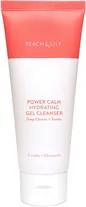
Works for:
based on ingredients and %- Cleansing
Can it cause trouble?
- Irritation risk: high
- Comedogenic risk ingredients: 0
Key actives

Works for
Cleansing
What does the product description say?
Power Calm Hydrating Gel Cleanser
Source: From product name
This product works by removing dirt and oil from the surface of the skin. It uses a combination of mild cleansing agents (coco-glucoside, polyglyceryl-10 caprylate/caprate, polyglyceryl-10 laurate, tea-cocoyl glutamate) and should be able to cleanse the skin gently. Still keep in mind that any cleansing can disrupt the skin barrier, and most people do not need to cleanse their skin more than once per day.
Even though this formulation is mild, the following cleansing agents could trigger an irritation or allergy for some people: coco-glucoside
Used as a cleansing agent (surfactant) in cleansers. Helps water and oil mix together in lotions. Can be irritating
Helps water and oil mix together
How honest is this product?
| Promise | Can it deliver? |
|---|---|
| Cleansing |
Total Promises Fulfilled score: 100/100.
We receive a small commission for purchases made through these links at no cost for you. Thank you for your support! Learn more
Potential irritants
Comedogenic ingredients
No comedogenic ingredients detected
User reviews (1)
Averages from community submissions.
How stripping does it feel?
How well does it remove makeup?
How would you describe the foam?
How would you describe the smell?
Tried this product?
Help capture what the ingredient list can't—texture, finish, pilling, scent, and more. Answer what you can, skip the rest.
Takes ~30 seconds.
Reviews are shown in aggregate. No personal details.
| Product | Similarity | Price | Irritancy |
|---|---|---|---|
 PEACH & LILY Power Calm Hydrating Gel Cleanser | Current | ≈ $18.26 | |
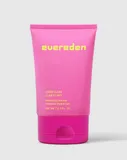 Evereden Steer Clear Balancing Cleanser | 38% | $7.50 | |
 A-DERMA Gel nettoyant calmant | 37% | - | |
 melixir Mandarin Morning Face Cleanser | 36% | $23.80 | |
 ROUND LAB 1025 Dokdo Bubble Foam | 36% | ≈ $13.31 | |
 ACWELL pH Balancing Bubble Free Cleansing Gel | 36% | $13.16 |
Key Actives
A plant extract that has been shown to be able to reduce inflammation in skin, support restoration of skin barrier function, as well as support collagen production. Contains active compounds called centelloids: asiaticoside, madecasosside, asiatic acid and madecassic acid. Might be helpful in preventing stretch marks. It can be itself be irritating though.
Can contain potent anti-oxidant compounds (abbreviated ECG, GCG, EGC, and EGCG) that might help protect the skin from free radicals. Can help calm down inflammation and has some anti-bacterial properties. Unfortunately, these antioxidants are unstable and lose their effectiveness very quickly in products. The concentration of the antioxidant compounds in the extract also tends to be low to be effective in topical formulation
Pure form of vitamin E. Can help moisturise and protect the skin from free radicals. Often used to help stabilise other ingredients or the formula itself
Helps attract water to the upper layer of the skin and can help improve skin barrier function
Can be helpful in reducing inflammation in skin, including inflamed acne. It can be irritating
A salt derived from licorice. Works as an emollient to soften the upper layer of the skin and can help calm down inflammation. Might be helpful for skin lightening
One of the best moisturizing ingredients. Naturally present in skin. It attracts water to the upper layer of the skin working as a humectant
Used as a cleansing agent (surfactant) in cleansers. Helps water and oil mix together in lotions. Can be irritating
A plant extract that might help neutralize free radicals in skin
One of the best moisturizing ingredients. Attracts water into the upper layer of the skin. A version of it is naturally present in skin
One of the best moisturizing ingredients. Attracts water into the upper layer of the skin
A type of hyaluronic acid that works as an excellent moisturizer by attracting water into the upper layer of the skin. Is typically feels less sticky on the skin compared to the usual hyaluronic acid
Helps attract water to the upper layer of the skin
Helps water and oil mix together
Potential irritants
Used as a cleansing agent (surfactant) in cleansers. Helps water and oil mix together in lotions. Can be irritating
A plant extract that might help neutralize free radicals in skin
Plant extract that can have healing and anti-inflammatory properties. It is a potential allergen and can be irritating
A plant extract that might contain a compound baicalin that could be helpful in neutralizing free radicals and reducing inflammation in skin. The baicalin concentration in skincare products is often too low for an effective action. Can be used for its fragrant properties
A fruit extact. Might have some anti-oxidant properties
A plant extract that can contain an irritating essential oil. Might have some anti-oxidant effect, but evidence is lacking
Can be helpful in reducing inflammation in skin, including inflamed acne. It can be irritating
An essential oil. Potential allergen and can be irritating. It has some anti-bacterial properties
An essential oil. Can be irritating. Can become an allergen with oxidation
Helps to control the skin's pH level. Maintains the skin's natural film of amino-lactic acids and oils. Helps to preserve products
A plant extract that has been shown to be able to reduce inflammation in skin, support restoration of skin barrier function, as well as support collagen production. Contains active compounds called centelloids: asiaticoside, madecasosside, asiatic acid and madecassic acid. Might be helpful in preventing stretch marks. It can be itself be irritating though.
A plant extract that can help lighten the skin and calm down inflammation. Might be helpful in neutralizing free radicals
Might be somewhat helpful in reducing hyperpigmentation and neutralizing free radicals but its typical concentration in a product is too low for having an effect
Traditionally used to treat sunburns, dermatitis and inflammation, but evidence for its effectiveness is lacking. The extract can contain humectants that help attract water into the skin
A plant extract that can contain resveratrol, an antioxidant that can help neutralize free radicals in skin. The effectiveness depends on the extract quality and concentration in the product
Maintains the texture of skincare products. Allows the product to spread evenly. Helps oil and water mix together
Used to improve stability of the formulation
Comedogenic ingredients
We couldn't find any comedogenic ingredients in this product
All ingredients
One of the best moisturizing ingredients. Naturally present in skin. It attracts water to the upper layer of the skin working as a humectant
Helps attract water to the upper layer of the skin and improves the product texture
Used as a cleansing agent (surfactant) in cleansers. Helps water and oil mix together in lotions. Can be irritating
Helps to control the skin's pH level. Maintains the skin's natural film of amino-lactic acids and oils. Helps to preserve products
Used to create a nice product texture and help delivery of other ingredients. Might be somewhat helpful in attracting water to the upper layer of the skin
A plant extract that might help neutralize free radicals in skin
Can contain potent anti-oxidant compounds (abbreviated ECG, GCG, EGC, and EGCG) that might help protect the skin from free radicals. Can help calm down inflammation and has some anti-bacterial properties. Unfortunately, these antioxidants are unstable and lose their effectiveness very quickly in products. The concentration of the antioxidant compounds in the extract also tends to be low to be effective in topical formulation
A plant extract that has been shown to be able to reduce inflammation in skin, support restoration of skin barrier function, as well as support collagen production. Contains active compounds called centelloids: asiaticoside, madecasosside, asiatic acid and madecassic acid. Might be helpful in preventing stretch marks. It can be itself be irritating though.
Plant extract that can have healing and anti-inflammatory properties. It is a potential allergen and can be irritating
A plant extract that can help lighten the skin and calm down inflammation. Might be helpful in neutralizing free radicals
A plant extract that might contain a compound baicalin that could be helpful in neutralizing free radicals and reducing inflammation in skin. The baicalin concentration in skincare products is often too low for an effective action. Can be used for its fragrant properties
Helps attract water to the upper layer of the skin and can help improve skin barrier function
Might be somewhat helpful in reducing hyperpigmentation and neutralizing free radicals but its typical concentration in a product is too low for having an effect
A fruit extact. Might have some anti-oxidant properties
One of the best moisturizing ingredients. Attracts water into the upper layer of the skin. A version of it is naturally present in skin
One of the best moisturizing ingredients. Attracts water into the upper layer of the skin
Pure form of vitamin E. Can help moisturise and protect the skin from free radicals. Often used to help stabilise other ingredients or the formula itself
A type of hyaluronic acid that works as an excellent moisturizer by attracting water into the upper layer of the skin. Is typically feels less sticky on the skin compared to the usual hyaluronic acid
A plant extract that can contain an irritating essential oil. Might have some anti-oxidant effect, but evidence is lacking
Acts as a solvent for other ingredients. Speeds up the absorption of other ingredients into the skin
Traditionally used to treat sunburns, dermatitis and inflammation, but evidence for its effectiveness is lacking. The extract can contain humectants that help attract water into the skin
Can be helpful in reducing inflammation in skin, including inflamed acne. It can be irritating
Used to create thicker product consistency and stabilize emulsions
A plant extract that can contain resveratrol, an antioxidant that can help neutralize free radicals in skin. The effectiveness depends on the extract quality and concentration in the product
A salt derived from licorice. Works as an emollient to soften the upper layer of the skin and can help calm down inflammation. Might be helpful for skin lightening
Maintains the texture of skincare products. Allows the product to spread evenly. Helps oil and water mix together
Used to improve stability of the formulation
An essential oil. Potential allergen and can be irritating. It has some anti-bacterial properties
An essential oil. Can be irritating. Can become an allergen with oxidation
Ingredient list view
Unknown, Water, Glycerin, Sorbitol, Coco-glucoside, Tea-cocoyl glutamate, Sodium citrate, Butylene glycol, Camellia japonica flower extract, Camellia sinensis leaf extract, Centella asiatica extract, Chamomilla recutita flower extract, Glycyrrhiza glabra root extract, Scutellaria baicalensis root extract, Panthenol, Cucumis sativus fruit extract, Prunus persica fruit extract, Hydrolyzed hyaluronic acid, Sodium hyaluronate, Tocopherol, Sodium acetylated hyaluronate, Zingiber officinale root extract, Propanediol, Aloe barbadensis leaf juice powder, Rosmarinus officinalis leaf extract, Cellulose gum, Ethylhexylglycerin, Polygonum cuspidatum root extract, 1,2-hexanediol, Pantolactone, Chlorphenesin, Dipotassium glycyrrhizate, Polyglyceryl-10 caprylate/caprate, Acrylates/c10-30 alkyl acrylate crosspolymer, Trisodium ethylenediamine disuccinate, Polyglyceryl-10 laurate, Lavandula angustifolia oil, Pelargonium graveolens flower oil
- Glycerol and the skin: holistic approach to its origin and functions
- In Vitro Assessment of Skin Irritation Potential of Surfactant-based Formulations by Using a 3-D Skin Reconstructed Tissue Model and Cytokine Response
- Allergen of the Year—Alkyl Glucoside
- Anti-Inflammatory Effect of Titrated Extract of Centella asiatica in Phthalic Anhydride-Induced Allergic Dermatitis Animal Model
- Centella asiatica in cosmetology
- Triterpene Composition and Bioactivities of Centella asiatica
- Asiaticoside induction for cell-cycle progression, proliferation and collagen synthesis in human dermal fibroblasts
- Assessment report on Centella asiatica (L.) Urban, herba
- Contact dermatitis due to Madecassol
- The Effects of a Standardized Extract of Centella asiatica on Postlaser Resurfacing Wound Healing on the Face: A Split-Face, Double-Blind, Randomized, Placebo-Controlled Trial
- Scutellaria baicalensis, the golden herb from the garden of Chinese medicinal plants
- Flavonoids in Treating Psoriasis
- Improvement of skin barrier dysfunction by Scutellaria baicalensis GEOGI extracts through lactic acid fermentation
- Safety Assessment of Scutellaria baicalensis-Derived Ingredients as Used in Cosmetics
- Skin moisturizing effects of panthenol-based formulations
- Safety Assessment of Panthenol, Pantothenic Acid, and Derivatives as Used in Cosmetics
- Efficacy of a New Topical Nano-hyaluronic Acid in Humans
- Physiochemical properties and application of hyaluronic acid: a systematic review
- Hyaluronic acid: A key molecule in skin aging
- Hyaluronan (Hyaluronic Acid): a natural moisturizer for skin care
- Vitamin E in dermatology
- Vitamin E and Skin Health
- Acetylated Hyaluronic Acid: Enhanced Bioavailability and Biological Studies
- Some phytochemical, pharmacological and toxicological properties of ginger (Zingiber officinale Roscoe): A review of recent research
- Allergic contact dermatitis induced by rosemary leaf extract in a cleansing gel
- Safety Assessment of Rosmarinus officinalis (Rosemary)-Derived Ingredients as Used in Cosmetics
- Rosmarinus officinalis Extract Suppresses Propionibacterium acnes–Induced Inflammatory Responses
- Nuclear Factor Kappa B Inhibition as a Therapeutic Target of Nutraceuticals in Arthritis, Osteoarthritis, and Related Inflammation
- Resveratrol as an active ingredient for cosmetic and dermatological applications: a review
- The influence of alkane chain length on the skin irritation potential of 1,2-alkanediols
- Safety Assessment of Panthenol, Pantothenic Acid, and Derivatives as Used in Cosmetics
- Ameliorating effect of dipotassium glycyrrhizinate on an IL-4- and IL-13-induced atopic dermatitis-like skin-equivalent model
- Final report on the safety assessment of Glycyrrhetinic Acid, Potassium Glycyrrhetinate, Disodium Succinoyl Glycyrrhetinate, Glyceryl Glycyrrhetinate, Glycyrrhetinyl Stearate, Stearyl Glycyrrhetinate, Glycyrrhizic Acid, Ammonium Glycyrrhizate, Dipotassium Glycyrrhizate, Disodium Glycyrrhizate, Trisodium Glycyrrhizate, Methyl Glycyrrhizate, and Potassium Glycyrrhizinate.
- Fragrance Compound Geraniol Forms Contact Allergens on Air Exposure. Identification and Quantification of Oxidation Products and Effect on Skin Sensitization