Works for:
based on ingredients and %- Cleansing
- Exfoliation
- Anti-blemish
Can it cause trouble?
- Irritation risk: high
- Comedogenic risk ingredients: 3
Key actives


Works for
Anti-blemish
This product can help reduce breakouts and clogged pores because it contains the following ingredient: salicylic acid. This ingredient is used for treating acne and can have a noticeable effect.
Used for skin exfoliation. It has an anti-inflammatory and anti-bacterial effect, helps to unclog pores, prevent blemishes and speed up healing of the existing ones. Sometimes referred to as a BHA (beta-hydroxy acid)
Can contain potent anti-oxidant compounds (abbreviated ECG, GCG, EGC, and EGCG) that might help protect the skin from free radicals. Can help calm down inflammation and has some anti-bacterial properties. Unfortunately, these antioxidants are unstable and lose their effectiveness very quickly in products. The concentration of the antioxidant compounds in the extract also tends to be low to be effective in topical formulation
Cleansing
What does the product description say?
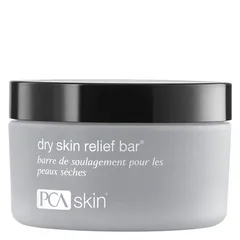
Soothe and improve dry skin concerns including psoriasis and seborrheic dermatitis with this cleansing bar formulated with 3% salicylic acid and antioxidants.
Source: SkincareRX
This product works by removing dirt and oil from the surface of the skin. It uses a combination of mild cleansing agents (glycine soja protein, sorbitan oleate) and should be able to cleanse the skin gently. Still keep in mind that any cleansing can disrupt the skin barrier, and most people do not need to cleanse their skin more than once per day.
A plant extract that helps to attract water to the upper layer of the skin and soften it. It might be helpful in neutralizing free radicals. It might be somewhat helpful for evening out the skin tone. It might be able to support elastin production but solid research is lacking
Helps oil and water mix together
Used mostly for creating emulsions - helping oil and water mix together. Helps soften the upper layer of the skin
Exfoliation
This product can help exfoliate the skin. In other words, it helps break down the bonds between dead cells on the surface of the skin and speed up the skin turnover. Skin often appears softer and brighter after exfoliation, but overdoing it can result in disrupted skin barrier. The following ingredient is doing the exfoliating job in this product: salicylic acid.
Used for skin exfoliation. It has an anti-inflammatory and anti-bacterial effect, helps to unclog pores, prevent blemishes and speed up healing of the existing ones. Sometimes referred to as a BHA (beta-hydroxy acid)
How honest is this product?
| Promise | Can it deliver? |
|---|---|
| Cleansing |
Total Promises Fulfilled score: 100/100.
We receive a small commission for purchases made through these links at no cost for you. Thank you for your support! Learn more
Potential irritants
Comedogenic ingredients
User reviews (0)
Averages from community submissions.
No reviews yet for this product.
Be the first to share your experience!
Tried this product?
Help capture what the ingredient list can't—texture, finish, pilling, scent, and more. Answer what you can, skip the rest.
Takes ~30 seconds.
Reviews are shown in aggregate. No personal details.
| Product | Similarity | Price | Irritancy |
|---|---|---|---|
 PCA SKIN Dry Skin Relief Bar | Current | $56.00 | |
Every Man Jack Activated Charcoal Skin Clearing Face Wipes | 78% | - | |
Peach Slices Acne Clarifying Cleanser | 77% | $10.99 | |
 Aveda Beautifying Creme Cleansing Oil | 76% | ≈ $32.39 | |
 Skinfix USA Acne+ 2% BHA Cleanser | 76% | $35.00 | |
 Garnier Pure Active Intensive Anti-Blackhead Charcoal Gel Wash | 76% | ≈ $7.92 |
Key Actives
Can contain potent anti-oxidant compounds (abbreviated ECG, GCG, EGC, and EGCG) that might help protect the skin from free radicals. Can help calm down inflammation and has some anti-bacterial properties. Unfortunately, these antioxidants are unstable and lose their effectiveness very quickly in products. The concentration of the antioxidant compounds in the extract also tends to be low to be effective in topical formulation
Used for skin exfoliation. It has an anti-inflammatory and anti-bacterial effect, helps to unclog pores, prevent blemishes and speed up healing of the existing ones. Sometimes referred to as a BHA (beta-hydroxy acid)
A plant extract that helps to attract water to the upper layer of the skin and soften it. It might be helpful in neutralizing free radicals. It might be somewhat helpful for evening out the skin tone. It might be able to support elastin production but solid research is lacking
A plant oil that can help soften the skin. It might be helpful in calming down inflammation, but solid research is lacking. Is often used in lip products to create the needed product consistency
An emollient that helps soften the skin and might help calm down inflammation
Used mostly for creating emulsions - helping oil and water mix together. Helps soften the upper layer of the skin
One of the best moisturizing ingredients. Naturally present in skin. It attracts water to the upper layer of the skin working as a humectant
An emollient. Found to be as effective as a moisturizer for dry skin as mineral oil. Could be comedogenic
Helps oil and water mix together
Helps soften the upper layer of the skin
Might help reduce hyperpigmentation in skin and help neutralize free radicals
A good emollient that helps soften the skin and helps repair its barrier function. It can clog pores if used in high concentrations.
Potential irritants
Used for skin exfoliation. It has an anti-inflammatory and anti-bacterial effect, helps to unclog pores, prevent blemishes and speed up healing of the existing ones. Sometimes referred to as a BHA (beta-hydroxy acid)
An essential oil. Potential allergen and can be irritating. It has some anti-bacterial properties
A plant extract that can help calm down inflammation in skin. Can, however, itself be irritating
Might help reduce hyperpigmentation in skin and help neutralize free radicals
Can be drying and contribute to skin irritation. Used in formulars to dissolve other ingredients, create a thinner product consistency or for its antibacterial properties
A plant oil that can help soften the skin. It might be helpful in calming down inflammation, but solid research is lacking. Is often used in lip products to create the needed product consistency
Traditionally used to treat sunburns, dermatitis and inflammation, but evidence for its effectiveness is lacking. The extract can contain humectants that help attract water into the skin
A good emollient that helps soften the skin and helps repair its barrier function. It can clog pores if used in high concentrations.
Comedogenic ingredients
An emollient. Found to be as effective as a moisturizer for dry skin as mineral oil. Could be comedogenic
A good emollient that helps soften the skin and helps repair its barrier function. It can clog pores if used in high concentrations.
All ingredients
Used for skin exfoliation. It has an anti-inflammatory and anti-bacterial effect, helps to unclog pores, prevent blemishes and speed up healing of the existing ones. Sometimes referred to as a BHA (beta-hydroxy acid)
One of the best moisturizing ingredients. Naturally present in skin. It attracts water to the upper layer of the skin working as a humectant
An emollient. Found to be as effective as a moisturizer for dry skin as mineral oil. Could be comedogenic
A plant oil that can help soften the skin. It might be helpful in calming down inflammation, but solid research is lacking. Is often used in lip products to create the needed product consistency
An emollient that helps soften the skin and might help calm down inflammation
Helps attract water to the upper layer of the skin and improves the product texture
A plant extract that helps to attract water to the upper layer of the skin and soften it. It might be helpful in neutralizing free radicals. It might be somewhat helpful for evening out the skin tone. It might be able to support elastin production but solid research is lacking
Used mostly for creating emulsions - helping oil and water mix together. Helps soften the upper layer of the skin
An essential oil. Potential allergen and can be irritating. It has some anti-bacterial properties
A plant extract that can help calm down inflammation in skin. Can, however, itself be irritating
Traditionally used to treat sunburns, dermatitis and inflammation, but evidence for its effectiveness is lacking. The extract can contain humectants that help attract water into the skin
Can contain potent anti-oxidant compounds (abbreviated ECG, GCG, EGC, and EGCG) that might help protect the skin from free radicals. Can help calm down inflammation and has some anti-bacterial properties. Unfortunately, these antioxidants are unstable and lose their effectiveness very quickly in products. The concentration of the antioxidant compounds in the extract also tends to be low to be effective in topical formulation
Helps attract water to the skin and might have some anti-bacterial properties. Can be an allergen
Helps attract water to the skin and might have some anti-bacterial properties. Can be an allergen
Might help reduce hyperpigmentation in skin and help neutralize free radicals
Can be drying and contribute to skin irritation. Used in formulars to dissolve other ingredients, create a thinner product consistency or for its antibacterial properties
Pure form of vitamin E. Can help moisturise and protect the skin from free radicals. Often used to help stabilise other ingredients or the formula itself
A good emollient that helps soften the skin and helps repair its barrier function. It can clog pores if used in high concentrations.
Ingredient list view
Salicylic acid, Glycerin, Cocos nucifera oil, Elaeis guineensis kernel oil, Ricinus communis seed oil, Water, Sodium hydroxide, Carthamus tinctorius seed oil, Sorbitan oleate, Sorbitol, Glycine soja protein, Foeniculum vulgare oil, Lecithin, Lavandula angustifolia oil, Hamamelis virginiana water, Aloe barbadensis leaf juice powder, Camellia sinensis leaf extract, Cucurbita pepo seed oil, Honey, Mel, Honey, Phenylethyl resorcinol, Alcohol, Tocopherol, Evernia prunastri extract, Glycine soja oil
- Salicylic acid as a peeling agent: a comprehensive review
- Beta Hydroxy Acids
- A review of toxicity from topical salicylic acid preparations
- Glycolic Acid Peels Versus Salicylic–Mandelic Acid Peels in Active Acne Vulgaris and Post‐Acne Scarring and Hyperpigmentation: A Comparative Study
- Glycerol and the skin: holistic approach to its origin and functions
- Final report on the safety assessment of Ricinus Communis (Castor) Seed Oil, Hydrogenated Castor Oil, Glyceryl Ricinoleate, Glyceryl Ricinoleate SE, Ricinoleic Acid, Potassium Ricinoleate, Sodium Ricinoleate, Zinc Ricinoleate, Cetyl Ricinoleate, Ethyl Ricinoleate, Glycol Ricinoleate, Isopropyl Ricinoleate, Methyl Ricinoleate, and Octyldodecyl Ricinoleate
- Castor Oil: Properties, Uses, and Optimization of Processing Parameters in Commercial Production
- Effect of ricinoleic acid in acute and subchronic experimental models of inflammation
- Surfactants and experimental irritant contact dermatitis
- Dermatological and cosmeceutical benefits of Glycine max (soybean) and its active components
- Extracts from Glycine max (soybean) induce elastin synthesis and inhibit elastase activity
- Vitamin E in dermatology
- Vitamin E and Skin Health