Works for:
based on ingredients and %- Cleansing
Can it cause trouble?
- Irritation risk: medium
- Comedogenic risk ingredients: 1
Key actives

Works for
Cleansing
What does the product description say?
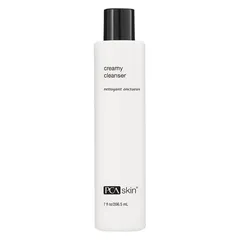
Creamy Cleanser
Source: Bluemercury
This product works by removing dirt and oil from the surface of the skin. It uses a combination of mild cleansing agents (cocamidopropyl betaine, disodium cocoyl glutamate, sodium cocoyl glutamate, sodium methyl cocoyl taurate, sucrose distearate, sucrose stearate, xanthan gum, yucca schidigera leaf/root/stem extract) and should be able to cleanse the skin gently. Still keep in mind that any cleansing can disrupt the skin barrier, and most people do not need to cleanse their skin more than once per day.
Even though this formulation is mild, the following cleansing agents could trigger an irritation or allergy for some people: cocamidopropyl betaine, sodium methyl cocoyl taurate
Helps water and oil mix together. Used as a cleansing ingredient. Could be an allergen
Helps water and oil mix together and works as a cleansing agent
Helps oil and water mix together
Helps oil and water mix together. Can be used as cleansing agent
Helps water and oil mix together
Used to create a thicker product consistency
How honest is this product?
| Promise | Can it deliver? |
|---|---|
| Cleansing |
Total Promises Fulfilled score: 100/100.
We receive a small commission for purchases made through these links at no cost for you. Thank you for your support! Learn more
Potential irritants
Comedogenic ingredients
User reviews (1)
Averages from community submissions.
How stripping does it feel?
How well does it remove makeup?
How would you describe the foam?
How would you describe the smell?
Tried this product?
Help capture what the ingredient list can't—texture, finish, pilling, scent, and more. Answer what you can, skip the rest.
Takes ~30 seconds.
Reviews are shown in aggregate. No personal details.
Key Actives
A plant oil that helps soften the upper layer of the skin. It might have anti-oxidant properties. Might help reduce inflammation in skin and help against blemishes
A great emollient due to its high linoleic acid content. One of the most effective plant oils in helping skin hydration and repairing skin barrier function
One of the best moisturizing ingredients. Naturally present in skin. It attracts water to the upper layer of the skin working as a humectant
A good mix of fatty acids that forms a protective layer on the skin. Improves the shelf life of products. Derived from coconut and glycerin
A great emollient due to its high linoleic acid content. One of the most effective plant oils in helping skin hydration and repairing skin barrier function
Helps oil and water mix together. Can be used as cleansing agent
Helps water and oil mix together. Used as a cleansing ingredient. Could be an allergen
Helps water and oil mix together and works as a cleansing agent
Used to create a thicker product consistency
Helps oil and water mix together
A good emollient that helps soften the skin and helps repair its barrier function. It can clog pores if used in high concentrations.
Potential irritants
Helps oil and water mix together. Can be used as cleansing agent
Helps water and oil mix together. Used as a cleansing ingredient. Could be an allergen
An essential oil. Potential allergen and can be irritating. It has some anti-bacterial properties
A plant oil that helps soften the upper layer of the skin. It might have anti-oxidant properties. Might help reduce inflammation in skin and help against blemishes
Traditionally used to treat sunburns, dermatitis and inflammation, but evidence for its effectiveness is lacking. The extract can contain humectants that help attract water into the skin
A good mix of fatty acids that forms a protective layer on the skin. Improves the shelf life of products. Derived from coconut and glycerin
Maintains the texture of skincare products. Allows the product to spread evenly. Helps oil and water mix together
Helps water and oil mix together and works as a cleansing agent
Helps preserve products and creates a nice product texture
A good emollient that helps soften the skin and helps repair its barrier function. It can clog pores if used in high concentrations.
Comedogenic ingredients
A good emollient that helps soften the skin and helps repair its barrier function. It can clog pores if used in high concentrations.
All ingredients
A plant oil that helps soften the upper layer of the skin. It might have anti-oxidant properties. Might help reduce inflammation in skin and help against blemishes
A great emollient due to its high linoleic acid content. One of the most effective plant oils in helping skin hydration and repairing skin barrier function
Traditionally used to treat sunburns, dermatitis and inflammation, but evidence for its effectiveness is lacking. The extract can contain humectants that help attract water into the skin
One of the best moisturizing ingredients. Naturally present in skin. It attracts water to the upper layer of the skin working as a humectant
A good mix of fatty acids that forms a protective layer on the skin. Improves the shelf life of products. Derived from coconut and glycerin
Non-drying alcohol that helps water and oil mix together. Also serves as an emollient
A great emollient due to its high linoleic acid content. One of the most effective plant oils in helping skin hydration and repairing skin barrier function
A preservative. It helps prevent bacterial growth in cosmetic products
Helps oil and water mix together. Can be used as cleansing agent
Helps water and oil mix together. Used as a cleansing ingredient. Could be an allergen
Maintains the texture of skincare products. Allows the product to spread evenly. Helps oil and water mix together
Helps water and oil mix together and works as a cleansing agent
Helps preserve products and creates a nice product texture
An essential oil. Potential allergen and can be irritating. It has some anti-bacterial properties
Pure form of vitamin E. Can help moisturise and protect the skin from free radicals. Often used to help stabilise other ingredients or the formula itself
A good emollient that helps soften the skin and helps repair its barrier function. It can clog pores if used in high concentrations.
Traditionally used to treat sunburns, dermatitis and inflammation, but evidence for its effectiveness is lacking. The extract can contain humectants that help attract water into the skin
Ingredient list view
Rosa canina seed oil, Helianthus annuus seed oil, Syringa vulgaris leaf cell culture extract, Aloe barbadensis leaf juice, Water, Glycerin, Caprylic/capric triglyceride, Behenyl alcohol, Helianthus annuus seed oil, Phenoxyethanol, Aminomethyl propanol, Sodium methyl cocoyl taurate, Cocamidopropyl betaine, Acrylates/c10-30 alkyl acrylate crosspolymer, Unknown, Disodium cocoyl glutamate, Caprylyl glycol, Sucrose distearate, Sucrose stearate, Xanthan gum, Chlorphenesin, Lavandula angustifolia oil, Sodium cocoyl glutamate, Tocopherol, Yucca schidigera leaf/root/stem extract, Glycine soja oil, Aloe barbadensis leaf juice
- Nutrient composition of rose (Rosa canina L.) seed and oils
- Characterization of Rosehip (Rosa canina L.) Seed and Seed Oil
- Bioactive ingredients of rose hips (Rosa canina L) with special reference to antioxidative and anti-inflammatory properties: in vitro studies
- Effect of Olive and Sunflower Seed Oil on the Adult Skin Barrier: Implications for Neonatal Skin Care
- Topically Applied Sunflower Seed Oil Prevents Invasive Bacterial Infections in Preterm Infants in Egypt
- Effect of topically applied lipids on surfactant-irritated skin
- Impact of topical oils on the skin barrier: possible implications for neonatal health in developing countries
- Glycerol and the skin: holistic approach to its origin and functions
- Safety Assessment of Alkyl Taurate Amides and Taurate Salts as Used in Cosmetics
- Safety Assessment of Amino Acid Alkyl Amides as Used in Cosmetics
- Irritant and sensitizing potential of eight surfactants commonly used in skin cleansers: an evaluation of 105 patients
- Vitamin E in dermatology
- Vitamin E and Skin Health