
Works for:
based on ingredients and %- Moisturizing
- Anti-aging
- Anti-oxidation
- Evens skin tone
Can it cause trouble?
- Irritation risk: high
- Comedogenic risk ingredients: 3
Key actives

Anti-aging
What does the product description say?
Powered by bakuchiol (think of it as retinol's natural, non-identical twin), it helps to firm and smooth the look of lines by enhancing elasticity and stimulating collagen production.
Source: Cultbeauty
This product can help reduce and prevent fine lines and wrinkles, improve skin elasticity and firmness because it contains bakuchiol.
Keep in mind that it typically takes at least 6 weeks to notice any results because the changes that are needed to improve fine lines and elasticity happen in the deeper layers of the skin. No topical anti-aging product can “erase” wrinkles or fully reverse signs of aging.
A plant extract that is, though different in chemical structure, acts similar to retinoids. First studies show that it can help reduce fine lines and wrinkles, improve skin tone, reduce clogged pores and blemishes, and reduce inflammation. There is no conclusive evidence that bakuchiol is as effective as retinol however. The study that directly compared retinol with bakuchiol used bakuchiol applied twice daily compared to once per day for the retinol. According to this study, bakuchiol is less irritating than retinol. Bakuchiol is extracted from seeds of Babchi plant. Other parts of the plant contain coumarins that could cause allergic and irritant reactions. These compounds should be removed in the extraction process when bakuchiol is produced, but it is a good idea to be cautious and stay away from products that include the Babchi plant extracts other than purified bakuchiol to avoid irritation
A great moisturising ingredient that softens the skin and reduces water loss from its upper layer. It also can be helpful in protecting skin from free radicals
Pure form of vitamin E. Can help moisturise and protect the skin from free radicals. Often used to help stabilise other ingredients or the formula itself
Anti-oxidation
This product contains antioxidants (bakuchiol) that can help neutralize free radicals in skin. By doing so, they can lessen the damage the skin gets from the UV light (sun).
A plant extract that is, though different in chemical structure, acts similar to retinoids. First studies show that it can help reduce fine lines and wrinkles, improve skin tone, reduce clogged pores and blemishes, and reduce inflammation. There is no conclusive evidence that bakuchiol is as effective as retinol however. The study that directly compared retinol with bakuchiol used bakuchiol applied twice daily compared to once per day for the retinol. According to this study, bakuchiol is less irritating than retinol. Bakuchiol is extracted from seeds of Babchi plant. Other parts of the plant contain coumarins that could cause allergic and irritant reactions. These compounds should be removed in the extraction process when bakuchiol is produced, but it is a good idea to be cautious and stay away from products that include the Babchi plant extracts other than purified bakuchiol to avoid irritation
A plant extract that has some anti-oxidant and anti-bacterial properties. Can be irritating
A plant oil that helps soften the upper layer of the skin. It might have anti-oxidant properties. Might help reduce inflammation in skin and help against blemishes
Pure form of vitamin E. Can help moisturise and protect the skin from free radicals. Often used to help stabilise other ingredients or the formula itself
A great moisturising ingredient that softens the skin and reduces water loss from its upper layer. It also can be helpful in protecting skin from free radicals
Evens skin tone
This product can help reduce hypepigmentation and even out the skin tone because it contains the following effective ingredients: bakuchiol
Keep in mind that you would need to apply any topical skincare targetted at hypigmentation consistently for a couple of months to get a result. No topical skincare product can help get rid of hyperpigmentation (including post-acne marks and age spots) instantly.
A plant extract that is, though different in chemical structure, acts similar to retinoids. First studies show that it can help reduce fine lines and wrinkles, improve skin tone, reduce clogged pores and blemishes, and reduce inflammation. There is no conclusive evidence that bakuchiol is as effective as retinol however. The study that directly compared retinol with bakuchiol used bakuchiol applied twice daily compared to once per day for the retinol. According to this study, bakuchiol is less irritating than retinol. Bakuchiol is extracted from seeds of Babchi plant. Other parts of the plant contain coumarins that could cause allergic and irritant reactions. These compounds should be removed in the extraction process when bakuchiol is produced, but it is a good idea to be cautious and stay away from products that include the Babchi plant extracts other than purified bakuchiol to avoid irritation
Moisturizing
What does the product description say?
A blend of niacinamide and hyaluronic acid helps to nourish and impart lasting hydration, while vitamin E provides free radical protection and prebiotic oligosaccharide bolsters the skin's defence barrier.
Source: Cultbeauty
This product can help improve hydration of the skin with the two types of ingredients.
The first type is called “humectants”:
these ingredients help attract water.
When humectants are on the surface of the skin, they “pull in” the moisture from the outside environment, or from
within deeper layers of the skin. The following ingredients in this product do the job:
glycerin, isomalt.
This product also contains ingredients called “occlusives”. They help reduce the speed with which our skin loses moisture to the outside environment. These ingredients also help soften the upper layer of the skin, so it feels less tight and nicer to the touch. The following ingredients in this product do the job: helianthus annuus seed oil, squalane.
The following ingredients in this product are especially good for supporting the skin barrier and helping with the hydration level: panthenol
A plant oil that helps soften the upper layer of the skin. It might have anti-oxidant properties. Might help reduce inflammation in skin and help against blemishes
Helps soften the upper layer of the skin
Helps attract water to the upper layer of the skin
An oil naturally present in skin. Works as an emollient to soften the skin and form a protective layer on its surface without a greasy feeling.
Helps attract water to the upper layer of the skin. Is claimed to support the growth of "good" bacteria in skin (as a "prebiotic"), but the research is lacking
Helps attract water to the upper layer of the skin
Helps attract water to the upper layer of the skin and can help improve skin barrier function
A great emollient due to its high linoleic acid content. One of the most effective plant oils in helping skin hydration and repairing skin barrier function
Helps attract water to the upper layer of the skin. Can have some anti-inflammatory effect
A good moisturizing plant oil. Due to the high linoleic acid content, it helps soften the upper layer of the skin, reduce water loss and support skin barrier function
One of the best moisturizing ingredients. Naturally present in skin. It attracts water to the upper layer of the skin working as a humectant
One of the best moisturizing ingredients. Attracts water into the upper layer of the skin
Helps attract water to the upper layer of the skin. Is often used to adjust the pH level of the product
Helps soften the upper layer of the skin
A non-drying alcohol. Works as an emollient. Helps water and oil mix together and creates a nice product texture
An emollient that can also help water and oil mix together, as well as prevent bacteria growth in products
Used to create a thicker product consistency and soften the upper layer of the skin
A protein derived from milk. In skincare products, might help to soften the upper layer of the skin
Is used to dissolve other ingredients and create nice product texture
A great moisturising ingredient that softens the skin and reduces water loss from its upper layer. It also can be helpful in protecting skin from free radicals
Softens the upper layer of skin and helps restore the healthy skin barrier. Has shown to help calm down inflammation in skin. It is a stable oil, meaning that it retains its properties even when exposed to air.
Used mostly for creating emulsions - helping oil and water mix together. Helps soften the upper layer of the skin
Pure form of vitamin E. Can help moisturise and protect the skin from free radicals. Often used to help stabilise other ingredients or the formula itself
Anti-blemish
This product might be able to help reduce blemishes and clogged pores because it contains bakuchiol.
A plant extract that is, though different in chemical structure, acts similar to retinoids. First studies show that it can help reduce fine lines and wrinkles, improve skin tone, reduce clogged pores and blemishes, and reduce inflammation. There is no conclusive evidence that bakuchiol is as effective as retinol however. The study that directly compared retinol with bakuchiol used bakuchiol applied twice daily compared to once per day for the retinol. According to this study, bakuchiol is less irritating than retinol. Bakuchiol is extracted from seeds of Babchi plant. Other parts of the plant contain coumarins that could cause allergic and irritant reactions. These compounds should be removed in the extraction process when bakuchiol is produced, but it is a good idea to be cautious and stay away from products that include the Babchi plant extracts other than purified bakuchiol to avoid irritation
Helps attract water to the upper layer of the skin. Is claimed to support the growth of "good" bacteria in skin (as a "prebiotic"), but the research is lacking
How honest is this product?
| Promise | Can it deliver? |
|---|---|
| Anti-aging | |
| Moisturizing |
Total Promises Fulfilled score: 100/100.
We receive a small commission for purchases made through these links at no cost for you. Thank you for your support! Learn more
Potential irritants
Comedogenic ingredients
User reviews (0)
Averages from community submissions.
No reviews yet for this product.
Be the first to share your experience!
Tried this product?
Help capture what the ingredient list can't—texture, finish, pilling, scent, and more. Answer what you can, skip the rest.
Takes ~30 seconds.
Reviews are shown in aggregate. No personal details.
| Product | Similarity | Price | Irritancy |
|---|---|---|---|
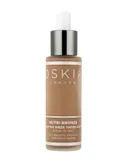 OSKIA Nutri-Bronze Adaptive Sheer Tinted Serum | Current | ≈ $65.33 | |
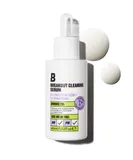 By BEAUTY BAY Breakout Clearing Serum | 82% | ≈ $6.68 | |
 SKIN&LAB retinol repair serum | 81% | $13.99 | |
 Dr Dennis Gross Advanced Retinol + Ferulic Texture Renewal Serum | 80% | ≈ $67.64 | |
 Bielenda Bakuchiol bioretinol serum | 80% | - | |
M. Asam Retinol Intense Serum Pads | 80% | - |
Key Actives
A plant extract that is, though different in chemical structure, acts similar to retinoids. First studies show that it can help reduce fine lines and wrinkles, improve skin tone, reduce clogged pores and blemishes, and reduce inflammation. There is no conclusive evidence that bakuchiol is as effective as retinol however. The study that directly compared retinol with bakuchiol used bakuchiol applied twice daily compared to once per day for the retinol. According to this study, bakuchiol is less irritating than retinol. Bakuchiol is extracted from seeds of Babchi plant. Other parts of the plant contain coumarins that could cause allergic and irritant reactions. These compounds should be removed in the extraction process when bakuchiol is produced, but it is a good idea to be cautious and stay away from products that include the Babchi plant extracts other than purified bakuchiol to avoid irritation
Pure form of vitamin E. Can help moisturise and protect the skin from free radicals. Often used to help stabilise other ingredients or the formula itself
Helps attract water to the upper layer of the skin and can help improve skin barrier function
A great moisturising ingredient that softens the skin and reduces water loss from its upper layer. It also can be helpful in protecting skin from free radicals
A plant oil that helps soften the upper layer of the skin. It might have anti-oxidant properties. Might help reduce inflammation in skin and help against blemishes
Helps attract water to the upper layer of the skin. Is claimed to support the growth of "good" bacteria in skin (as a "prebiotic"), but the research is lacking
One of the best moisturizing ingredients. Naturally present in skin. It attracts water to the upper layer of the skin working as a humectant
An oil naturally present in skin. Works as an emollient to soften the skin and form a protective layer on its surface without a greasy feeling.
One of the best moisturizing ingredients. Attracts water into the upper layer of the skin
Helps attract water to the upper layer of the skin
Helps attract water to the upper layer of the skin. Can have some anti-inflammatory effect
A good moisturizing plant oil. Due to the high linoleic acid content, it helps soften the upper layer of the skin, reduce water loss and support skin barrier function
Helps soften the upper layer of the skin
Softens the upper layer of skin and helps restore the healthy skin barrier. Has shown to help calm down inflammation in skin. It is a stable oil, meaning that it retains its properties even when exposed to air.
A great emollient due to its high linoleic acid content. One of the most effective plant oils in helping skin hydration and repairing skin barrier function
Helps attract water to the upper layer of the skin. Is often used to adjust the pH level of the product
Helps attract water to the upper layer of the skin
Creates a thin drying film on the skin resulting in a short-term tightening effect
Potential irritants
A plant extract that has some anti-oxidant and anti-bacterial properties. Can be irritating
A plant oil with high content of volatile compounds that, especially when exposed to air, can cause allergic reactions and irritate the skin
An essentil oil from orange peel. Potential allergen and can be irritating
Creates a thin drying film on the skin resulting in a short-term tightening effect
A common frangrance that can easily irritate skin, especially if exposed to air, light or heat
A preservative that comes from radishes fermented by a bacteria. New research suggests that the preservation properties in the ingredient come from an ammonium salt that is not present naturally in radish root but used in its cultivation. Is problematic because the exact amount of the preservative agents is difficult to determine
A plant extract that is, though different in chemical structure, acts similar to retinoids. First studies show that it can help reduce fine lines and wrinkles, improve skin tone, reduce clogged pores and blemishes, and reduce inflammation. There is no conclusive evidence that bakuchiol is as effective as retinol however. The study that directly compared retinol with bakuchiol used bakuchiol applied twice daily compared to once per day for the retinol. According to this study, bakuchiol is less irritating than retinol. Bakuchiol is extracted from seeds of Babchi plant. Other parts of the plant contain coumarins that could cause allergic and irritant reactions. These compounds should be removed in the extraction process when bakuchiol is produced, but it is a good idea to be cautious and stay away from products that include the Babchi plant extracts other than purified bakuchiol to avoid irritation
Softens the upper layer of skin and helps restore the healthy skin barrier. Has shown to help calm down inflammation in skin. It is a stable oil, meaning that it retains its properties even when exposed to air.
A plant oil that helps soften the upper layer of the skin. It might have anti-oxidant properties. Might help reduce inflammation in skin and help against blemishes
Helps attract water to the upper layer of the skin. Is often used to adjust the pH level of the product
Used to create a thicker product consistency and help soften the upper layer of the skin
Used to create a thicker product consistency and stabilize the formulation
Comedogenic ingredients
A great moisturising ingredient that softens the skin and reduces water loss from its upper layer. It also can be helpful in protecting skin from free radicals
A non-drying alcohol. Works as an emollient. Helps water and oil mix together and creates a nice product texture
All ingredients
One of the best moisturizing ingredients. Naturally present in skin. It attracts water to the upper layer of the skin working as a humectant
An oil naturally present in skin. Works as an emollient to soften the skin and form a protective layer on its surface without a greasy feeling.
A preservative that comes from radishes fermented by a bacteria. New research suggests that the preservation properties in the ingredient come from an ammonium salt that is not present naturally in radish root but used in its cultivation. Is problematic because the exact amount of the preservative agents is difficult to determine
Helps attract water to the upper layer of the skin and can help improve skin barrier function
A plant extract that is, though different in chemical structure, acts similar to retinoids. First studies show that it can help reduce fine lines and wrinkles, improve skin tone, reduce clogged pores and blemishes, and reduce inflammation. There is no conclusive evidence that bakuchiol is as effective as retinol however. The study that directly compared retinol with bakuchiol used bakuchiol applied twice daily compared to once per day for the retinol. According to this study, bakuchiol is less irritating than retinol. Bakuchiol is extracted from seeds of Babchi plant. Other parts of the plant contain coumarins that could cause allergic and irritant reactions. These compounds should be removed in the extraction process when bakuchiol is produced, but it is a good idea to be cautious and stay away from products that include the Babchi plant extracts other than purified bakuchiol to avoid irritation
One of the best moisturizing ingredients. Attracts water into the upper layer of the skin
Pure form of vitamin E. Can help moisturise and protect the skin from free radicals. Often used to help stabilise other ingredients or the formula itself
A protein derived from milk. In skincare products, might help to soften the upper layer of the skin
Helps attract water to the upper layer of the skin. Is claimed to support the growth of "good" bacteria in skin (as a "prebiotic"), but the research is lacking
Helps attract water to the upper layer of the skin
Helps attract water to the upper layer of the skin. Can have some anti-inflammatory effect
A great moisturising ingredient that softens the skin and reduces water loss from its upper layer. It also can be helpful in protecting skin from free radicals
A good moisturizing plant oil. Due to the high linoleic acid content, it helps soften the upper layer of the skin, reduce water loss and support skin barrier function
Softens the upper layer of skin and helps restore the healthy skin barrier. Has shown to help calm down inflammation in skin. It is a stable oil, meaning that it retains its properties even when exposed to air.
A plant oil that helps soften the upper layer of the skin. It might have anti-oxidant properties. Might help reduce inflammation in skin and help against blemishes
A plant extract that has some anti-oxidant and anti-bacterial properties. Can be irritating
A great emollient due to its high linoleic acid content. One of the most effective plant oils in helping skin hydration and repairing skin barrier function
Helps attract water to the upper layer of the skin. Is often used to adjust the pH level of the product
A non-drying alcohol. Works as an emollient. Helps water and oil mix together and creates a nice product texture
An emollient that can also help water and oil mix together, as well as prevent bacteria growth in products
Used to create a thicker product consistency and soften the upper layer of the skin
Used to create a thicker product consistency and help soften the upper layer of the skin
Used mostly for creating emulsions - helping oil and water mix together. Helps soften the upper layer of the skin
A plant oil with high content of volatile compounds that, especially when exposed to air, can cause allergic reactions and irritate the skin
An essentil oil from orange peel. Potential allergen and can be irritating
Creates a thin drying film on the skin resulting in a short-term tightening effect
Used to create a thicker product consistency and stabilize the formulation
A type of clay that is used to thicken the product consistency
Is used to dissolve other ingredients and create nice product texture
A common frangrance that can easily irritate skin, especially if exposed to air, light or heat
Creates an illusion of smoother and more radiant skin tone. Adds shimmer to the skin by reflecting light
Ingredient list view
Water, Decyl oleate, Glycerin, Dimethyl sulfone, Squalane, Sorbitan isostearate, Leuconostoc/radish root ferment filtrate, Panthenol, Bakuchiol, Sodium hyaluronate, Tocopherol, Whey protein, Inulin, Alpha-glucan oligosaccharide, Saccharomyces lysate extract, Malus domestica fruit cell culture extract, Butyrospermum parkii butter, Sesamum indicum seed oil, Aleurites moluccanus seed oil, Simmondsia chinensis seed oil, Oryza sativa germ oil, Rosa canina seed oil, Calendula officinalis flower extract, Helianthus annuus seed oil, Sodium lactate, Cetearyl olivate, Cetearyl alcohol, Sorbitan olivate, Glyceryl caprylate, Glyceryl dibehenate, Tribehenin, Glyceryl behenate, Xanthan gum, Isomalt, Lecithin, Sclerotium gum, Citrus nobilis peel oil, Citrus aurantium dulcis peel oil, Pullulan, Silica, Polyhydroxystearic acid, Disteardimonium hectorite, Propylene carbonate, Limonene, Ci 77891, Ci 77492, Ci 77491, Ci 77499, Mica
- Glycerol and the skin: holistic approach to its origin and functions
- Skin moisturizing effects of panthenol-based formulations
- Safety Assessment of Panthenol, Pantothenic Acid, and Derivatives as Used in Cosmetics
- Bakuchiol in the Management of Acne-affected Skin
- Prospective, randomized, double‐blind assessment of topical bakuchiol and retinol for facial photoageing
- A dermocosmetic containing bakuchiol, Ginkgo biloba extract and mannitol improves the efficacy of adapalene in patients with acne vulgaris: result from a controlled randomized trial
- Hyaluronic acid: A key molecule in skin aging
- Hyaluronan (Hyaluronic Acid): a natural moisturizer for skin care
- Vitamin E in dermatology
- Vitamin E and Skin Health
- TOPICAL COMPOSITIONS CONTAINING WHEY PROTEINS
- Probiotics and prebiotics potential for the care of skin, female urogenital tract, and respiratory tract
- Use of Probiotics for Dermal Applications
- Protein and oil composition of sesame seeds (Sesamum indicum, L.) grown in the Gizan area of Saudi Arabia
- Triglyceride composition of Sesamum indicum seed oil
- Seed oil content and fatty acid composition in East African sesame (Sesamum indicum L.) accessions evaluated over 3 years
- Nutrient composition of rose (Rosa canina L.) seed and oils
- Characterization of Rosehip (Rosa canina L.) Seed and Seed Oil
- Bioactive ingredients of rose hips (Rosa canina L) with special reference to antioxidative and anti-inflammatory properties: in vitro studies
- Topical application of Calendula officinalis (L.): Formulation and evaluation of hydrophilic cream with antioxidant activity
- The seamy side of natural medicines: contact sensitization to arnica (Arnica montana L.) and marigold (Calendula officinalis L.)
- Final report on the safety assessment of Calendula officinalis extract and Calendula officinalis
- Contact dermatitis as an adverse reaction to some topically used European herbal medicinal products – part 1: Achillea millefolium–Curcuma longa
- Effect of Olive and Sunflower Seed Oil on the Adult Skin Barrier: Implications for Neonatal Skin Care
- Topically Applied Sunflower Seed Oil Prevents Invasive Bacterial Infections in Preterm Infants in Egypt
- Effect of topically applied lipids on surfactant-irritated skin
- Impact of topical oils on the skin barrier: possible implications for neonatal health in developing countries
- Safety Assessment of Citrus-Derived Peel Oils as Used in Cosmetics
- Oxidized citrus oil (R-limonene): A frequent skin sensitizer in Europe
- Air oxidation increases skin irritation from fragrance terpenes