Works for:
based on ingredients and %- Cleansing
Can it cause trouble?
- Irritation risk: high
- Comedogenic risk ingredients: 4
Key actives
Works for
Cleansing
What does the product description say?
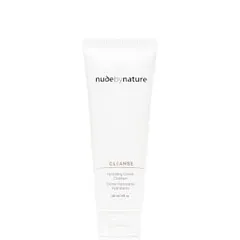
Hydrating Cream Cleanser
Source: From product name
This product works by removing dirt and oil from the surface of the skin. It uses a combination of mild cleansing agents (cetyl alcohol, glyceryl stearate se, lauric acid, myristic acid, palmitic acid, sodium stearoyl lactylate, stearic acid, xanthan gum) and should be able to cleanse the skin gently. Still keep in mind that any cleansing can disrupt the skin barrier, and most people do not need to cleanse their skin more than once per day.
A non-drying alcohol that works to soften the skin and stabilize product formulations helping oil and water mix together
Used to stabilize the product formulations and works as an emollient
Helps water and oil mix together. Has anti-bacterial properties that might be helpful in preventing blemishes
Helps oil and water mix together. Could be comedogenic
An emollient that is naturally present in skin and helps soften it
Helps oil and water mix together
Helps oil and water mix together and works as an emollient
Used to create a thicker product consistency
How honest is this product?
| Promise | Can it deliver? |
|---|---|
| Cleansing |
Total Promises Fulfilled score: 100/100.
We receive a small commission for purchases made through these links at no cost for you. Thank you for your support! Learn more
Affiliate link · supports WIMJ at no cost to you
Potential irritants
Comedogenic ingredients
User reviews (1)
Averages from community submissions.
How stripping does it feel?
How well does it remove makeup?
How would you describe the foam?
How would you describe the smell?
Tried this product?
Help capture what the ingredient list can't—texture, finish, pilling, scent, and more. Answer what you can, skip the rest.
Takes ~30 seconds.
Reviews are shown in aggregate. No personal details.
Key Actives
Helps water and oil mix together. Has anti-bacterial properties that might be helpful in preventing blemishes
An emollient that is naturally present in skin and helps soften it
Helps oil and water mix together and works as an emollient
A non-drying alcohol that works to soften the skin and stabilize product formulations helping oil and water mix together
Used to stabilize the product formulations and works as an emollient
A good mix of fatty acids that forms a protective layer on the skin. Improves the shelf life of products. Derived from coconut and glycerin
One of the best moisturizing ingredients. Naturally present in skin. It attracts water to the upper layer of the skin working as a humectant
An emollient. Found to be as effective as a moisturizer for dry skin as mineral oil. Could be comedogenic
Helps oil and water mix together
Used to create a thicker product consistency
Helps oil and water mix together. Could be comedogenic
Potential irritants
Is claimed to improve skin's ability to produce its natural moisturizers, but solid research is lacking
Claimed to have anti-oxidant properties but no evidence is available
An essentil oil from orange peel. Potential allergen and can be irritating
An enzyme that breaks down and helps remove oil (sebum or other oils). It could damage the skin barrier in the same way that surfactants do
An aromatic blend of unspecified and possibly irritating ingredients
A good mix of fatty acids that forms a protective layer on the skin. Improves the shelf life of products. Derived from coconut and glycerin
A plant extract that might have some anti-oxidant effect in skin, but evidence is lacking
Helps water and oil mix together. Has anti-bacterial properties that might be helpful in preventing blemishes
Helps oil and water mix together. Could be comedogenic
Comedogenic ingredients
An emollient. Found to be as effective as a moisturizer for dry skin as mineral oil. Could be comedogenic
Used to stabilize the product formulations and works as an emollient
Helps water and oil mix together. Has anti-bacterial properties that might be helpful in preventing blemishes
Helps oil and water mix together. Could be comedogenic
All ingredients
A good mix of fatty acids that forms a protective layer on the skin. Improves the shelf life of products. Derived from coconut and glycerin
An emollient that is naturally present in skin and helps soften it
One of the best moisturizing ingredients. Naturally present in skin. It attracts water to the upper layer of the skin working as a humectant
An emollient. Found to be as effective as a moisturizer for dry skin as mineral oil. Could be comedogenic
Is claimed to improve skin's ability to produce its natural moisturizers, but solid research is lacking
A non-drying alcohol that works to soften the skin and stabilize product formulations helping oil and water mix together
Used to stabilize the product formulations and works as an emollient
A plant extract that might have some anti-oxidant effect in skin, but evidence is lacking
Claimed to have anti-oxidant properties but no evidence is available
An essentil oil from orange peel. Potential allergen and can be irritating
Helps water and oil mix together. Has anti-bacterial properties that might be helpful in preventing blemishes
Helps oil and water mix together. Could be comedogenic
An enzyme that breaks down and helps remove oil (sebum or other oils). It could damage the skin barrier in the same way that surfactants do
An aromatic blend of unspecified and possibly irritating ingredients
Ingredient list view
Water, Caprylic/capric triglyceride, Lauryl laurate, Palmitic acid, Stearic acid, Shea butter ethyl esters, Glycerin, Cocos nucifera oil, Bixa orellana seed extract, Kalanchoe pinnata leaf extract, Sodium stearoyl lactylate, Cetyl alcohol, Glyceryl stearate se, Terminalia ferdinandiana fruit extract, Santalum acuminatum fruit extract, Citrus glauca fruit extract, Acacia victoriae fruit extract, Grevillea speciosa flower extract, Banksia serrata flower extract, Anigozanthos flavidus extract, Syzygium luehmannii fruit extract, Acronychia acidula fruit extract, Davidsonia pruriens fruit extract, Citrus aurantium dulcis peel oil, Xanthan gum, Lauric acid, Myristic acid, Lipase, Protease, Sodium hydroxide, Parfum