Works for:
based on ingredients and %- Moisturizing
- Anti-oxidation
Can it cause trouble?
- Irritation risk: high
- Comedogenic risk ingredients: 2
Key actives

Product Summary
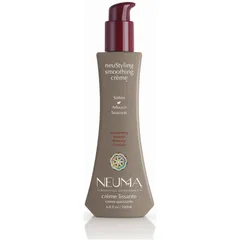
"NEUMA - neuStyling Smoothing Crème" could be helpful for: Moisturizing, but its actives are not the most effective or are not well-studied.
Price
The product retails from 12.87A$ up to 32.25A$ in Australia.
For a detailed price comparison: click here.
Works for
Anti-oxidation
This product contains antioxidants (ilex paraguariensis leaf extract) that might be able to help neutralize free radicals in skin to lessen the damage it gets from the UV light (sun). There is not enough evidence to confirm their effectiveness in skin though.
A plant extract that can help neutralize free radicals in skin. Can contain fragrand compounds like linalool that can be irritating
Plant extract that can help neutralize free radicals in skin. Can be used as a fragrance. Can be irritating
Helps soften the upper layer of the skin and can be helpful in restoring the skin barrier function. Might have some anti-oxidant effect
An emollient that helps soften the skin
A plant extract that might have some anti-oxidant properties, but evidence is lacking
Can contain potent anti-oxidant compounds (abbreviated ECG, GCG, EGC, and EGCG) that might help protect the skin from free radicals. Can help calm down inflammation and has some anti-bacterial properties. Unfortunately, these antioxidants are unstable and lose their effectiveness very quickly in products. The concentration of the antioxidant compounds in the extract also tends to be low to be effective in topical formulation
A great moisturising ingredient that softens the skin and reduces water loss from its upper layer. It also can be helpful in protecting skin from free radicals
A grain extract that helps to create a thicker product consistency. It might have some anti-oxidant properties and help attract water to the upper layer of the skin
Moisturizing
What does the product description say?
neu Styling Smoothing Crème
Source: From product name
This product can help soften the skin and reduce its moisture loss with emollients and occlusives: dimethiconol, helianthus annuus seed oil.
Keep in mind that this product does not contain effective ingredients to attract water to the upper layer of the skin. This is why an additional product with humectants like glycerin or hyaluronic acid can be helpful (apply it before this product for the best results).
Helps soften the upper layer of the skin and can be helpful in restoring the skin barrier function. Might have some anti-oxidant effect
A silicone that makes products more spreadable and keeps skin smooth. Helps to add gloss to skin and may visually fill in fine lines/wrinkles for short time
A great emollient due to its high linoleic acid content. One of the most effective plant oils in helping skin hydration and repairing skin barrier function
A type of silicone that can decrease loss of moisture from the skin surface. It helps create a nice product texture
Helps soften the upper layer of the skin
An emollient that helps soften the skin
A silicone that helps improve the product texture and spreadability. Can absorb oil creating a short-term mattifying effect on the skin
A plant oil that can help soften the skin. It might be helpful in calming down inflammation, but solid research is lacking. Is often used in lip products to create the needed product consistency
Helps soften the upper layer of the skin, dissolve other ingredients and create a thicker product consistency
A great moisturising ingredient that softens the skin and reduces water loss from its upper layer. It also can be helpful in protecting skin from free radicals
Traditionally used to treat sunburns, dermatitis and inflammation, but evidence for its effectiveness is lacking. The extract can contain humectants that help attract water into the skin
A grain extract that helps to create a thicker product consistency. It might have some anti-oxidant properties and help attract water to the upper layer of the skin
Can contain potent anti-oxidant compounds (abbreviated ECG, GCG, EGC, and EGCG) that might help protect the skin from free radicals. Can help calm down inflammation and has some anti-bacterial properties. Unfortunately, these antioxidants are unstable and lose their effectiveness very quickly in products. The concentration of the antioxidant compounds in the extract also tends to be low to be effective in topical formulation
How honest is this product?
| Promise | Can it deliver? |
|---|---|
| Moisturizing |
Total Promises Fulfilled score: 75/100.
We receive a small commission for purchases made through these links at no cost for you. Thank you for your support! Learn more
Potential irritants
Comedogenic ingredients
User reviews (0)
Averages from community submissions.
No reviews yet for this product.
Be the first to share your experience!
Tried this product?
Help capture what the ingredient list can't—texture, finish, pilling, scent, and more. Answer what you can, skip the rest.
Takes ~30 seconds.
Reviews are shown in aggregate. No personal details.
Key Actives
Can contain potent anti-oxidant compounds (abbreviated ECG, GCG, EGC, and EGCG) that might help protect the skin from free radicals. Can help calm down inflammation and has some anti-bacterial properties. Unfortunately, these antioxidants are unstable and lose their effectiveness very quickly in products. The concentration of the antioxidant compounds in the extract also tends to be low to be effective in topical formulation
A great moisturising ingredient that softens the skin and reduces water loss from its upper layer. It also can be helpful in protecting skin from free radicals
Helps soften the upper layer of the skin and can be helpful in restoring the skin barrier function. Might have some anti-oxidant effect
A silicone that helps improve the product texture and spreadability. Can absorb oil creating a short-term mattifying effect on the skin
An emollient that helps soften the skin
A plant extract that can help neutralize free radicals in skin. Can contain fragrand compounds like linalool that can be irritating
A type of silicone that can decrease loss of moisture from the skin surface. It helps create a nice product texture
A silicone that makes products more spreadable and keeps skin smooth. Helps to add gloss to skin and may visually fill in fine lines/wrinkles for short time
A great emollient due to its high linoleic acid content. One of the most effective plant oils in helping skin hydration and repairing skin barrier function
Helps soften the upper layer of the skin
Potential irritants
A plant extract that might have anti-oxidant properties. Can be irritating
An essential oil. Potential allergen and can be irritating. It has some anti-bacterial properties
Plant extract that can help neutralize free radicals in skin. Can be used as a fragrance. Can be irritating
Used as a fragrance. It can be irritating and cause photosensitivity
A plant oil with high content of volatile compounds that, especially when exposed to air, can cause allergic reactions and irritate the skin
A plant extract that can help neutralize free radicals in skin. Can contain fragrand compounds like linalool that can be irritating
A plant oil with a high content of volatile compounds that can irritate the skin and lead to allergic reactions. Can lead to photosensitivity
Oil of a very fragrant pink rose used as fragrance in cosmetics. Extensive research has shown it has mixed benefits. In the pro column, inhaling this flower’s scent seems to have relaxing properties and the plant’s petals contain skin-soothing and antioxidant compounds that can benefit skin. On the flipside, the numerous chemicals that create this rose’s distinctive fragrance pose a risk of causing skin aggravation.
Can be drying and contribute to skin irritation. Used in formulars to dissolve other ingredients, create a thinner product consistency or for its antibacterial properties
A common frangrance that can easily irritate skin, especially if exposed to air, light or heat
Used to improve product texture and help oil and water mix together
A plant oil that can help soften the skin. It might be helpful in calming down inflammation, but solid research is lacking. Is often used in lip products to create the needed product consistency
Used to improve stability of the formulation
A plant extract that might have some anti-oxidant properties, but evidence is lacking
Can work as an exfoliant but is typically used to adjust the product pH
Traditionally used to treat sunburns, dermatitis and inflammation, but evidence for its effectiveness is lacking. The extract can contain humectants that help attract water into the skin
Comedogenic ingredients
A great moisturising ingredient that softens the skin and reduces water loss from its upper layer. It also can be helpful in protecting skin from free radicals
Helps soften the upper layer of the skin and can be helpful in restoring the skin barrier function. Might have some anti-oxidant effect
All ingredients
A silicone that helps improve the product texture and spreadability. Can absorb oil creating a short-term mattifying effect on the skin
Acts as a solvent for other ingredients. Speeds up the absorption of other ingredients into the skin
A type of silicone that can decrease loss of moisture from the skin surface. It helps create a nice product texture
A silicone that makes products more spreadable and keeps skin smooth. Helps to add gloss to skin and may visually fill in fine lines/wrinkles for short time
Used to improve product texture and help oil and water mix together
A plant oil that can help soften the skin. It might be helpful in calming down inflammation, but solid research is lacking. Is often used in lip products to create the needed product consistency
A plant extract that might have anti-oxidant properties. Can be irritating
Used to improve stability of the formulation
A great moisturising ingredient that softens the skin and reduces water loss from its upper layer. It also can be helpful in protecting skin from free radicals
A great emollient due to its high linoleic acid content. One of the most effective plant oils in helping skin hydration and repairing skin barrier function
An essential oil. Potential allergen and can be irritating. It has some anti-bacterial properties
A grain extract that helps to create a thicker product consistency. It might have some anti-oxidant properties and help attract water to the upper layer of the skin
Can contain potent anti-oxidant compounds (abbreviated ECG, GCG, EGC, and EGCG) that might help protect the skin from free radicals. Can help calm down inflammation and has some anti-bacterial properties. Unfortunately, these antioxidants are unstable and lose their effectiveness very quickly in products. The concentration of the antioxidant compounds in the extract also tends to be low to be effective in topical formulation
Helps soften the upper layer of the skin and can be helpful in restoring the skin barrier function. Might have some anti-oxidant effect
A plant extract that might have some anti-oxidant properties, but evidence is lacking
Plant extract that can help neutralize free radicals in skin. Can be used as a fragrance. Can be irritating
Used as a fragrance. It can be irritating and cause photosensitivity
A plant oil with high content of volatile compounds that, especially when exposed to air, can cause allergic reactions and irritate the skin
Can work as an exfoliant but is typically used to adjust the product pH
A plant extract that can help neutralize free radicals in skin. Can contain fragrand compounds like linalool that can be irritating
Helps soften the upper layer of the skin, dissolve other ingredients and create a thicker product consistency
Traditionally used to treat sunburns, dermatitis and inflammation, but evidence for its effectiveness is lacking. The extract can contain humectants that help attract water into the skin
A plant oil with a high content of volatile compounds that can irritate the skin and lead to allergic reactions. Can lead to photosensitivity
A preservative. It helps prevent bacterial growth in cosmetic products
Oil of a very fragrant pink rose used as fragrance in cosmetics. Extensive research has shown it has mixed benefits. In the pro column, inhaling this flower’s scent seems to have relaxing properties and the plant’s petals contain skin-soothing and antioxidant compounds that can benefit skin. On the flipside, the numerous chemicals that create this rose’s distinctive fragrance pose a risk of causing skin aggravation.
Can be drying and contribute to skin irritation. Used in formulars to dissolve other ingredients, create a thinner product consistency or for its antibacterial properties
A common frangrance that can easily irritate skin, especially if exposed to air, light or heat
Ingredient list view
Water, Cyclopentasiloxane, Propanediol, Phenyl trimethicone, Dimethiconol, Polyacrylamide, Hydrogenated castor oil, Equisetum arvense extract, Trisodium ethylenediamine disuccinate, Prunus armeniaca kernel oil, Butyrospermum parkii butter, Helianthus annuus seed oil, Aminomethyl propanol, Tussilago farfara leaf extract, Prunus amygdalus dulcis seed, Lavandula angustifolia oil, Oryza sativa extract, Camellia sinensis leaf extract, Laureth-7, Theobroma cacao seed butter, Rosa canina fruit extract, Vanillin, Lavandula hybrida flower, Unknown, Achillea millefolium extract, Citrus aurantium dulcis oil, Salvia officinalis leaf extract, Citrus nobilis peel oil, Citric acid, Ilex paraguariensis leaf extract, C13-14 isoparaffin, Aloe barbadensis leaf extract, Citrus aurantium bergamia fruit oil, Pimpinella anisum fruit oil, Unknown, Triethyl citrate, Phenoxyethanol, Rosa damascena extract, Methylisothiazolinone, Alcohol, Limonene, Linalool
- Final report on the safety assessment of Ricinus Communis (Castor) Seed Oil, Hydrogenated Castor Oil, Glyceryl Ricinoleate, Glyceryl Ricinoleate SE, Ricinoleic Acid, Potassium Ricinoleate, Sodium Ricinoleate, Zinc Ricinoleate, Cetyl Ricinoleate, Ethyl Ricinoleate, Glycol Ricinoleate, Isopropyl Ricinoleate, Methyl Ricinoleate, and Octyldodecyl Ricinoleate
- Castor Oil: Properties, Uses, and Optimization of Processing Parameters in Commercial Production
- Effect of ricinoleic acid in acute and subchronic experimental models of inflammation
- Effect of Olive and Sunflower Seed Oil on the Adult Skin Barrier: Implications for Neonatal Skin Care
- Topically Applied Sunflower Seed Oil Prevents Invasive Bacterial Infections in Preterm Infants in Egypt
- Effect of topically applied lipids on surfactant-irritated skin
- Impact of topical oils on the skin barrier: possible implications for neonatal health in developing countries
- Antioxidant and Anti-Inflammatory Properties of Anthocyanins Extracted from Oryza sativa L. in Primary Dermal Fibroblasts
- Rice antioxidants: phenolic acids, flavonoids, anthocyanins, proanthocyanidins, tocopherols, tocotrienols, c-oryzanol, and phytic acid
- Cocoa polyphenols and their influence on parameters involved in ex vivo skin restructuring
- Contact dermatitis as an adverse reaction to some topically used European herbal medicinal products – part 1: Achillea millefolium–Curcuma longa
- Safety Assessment of Citrus-Derived Peel Oils as Used in Cosmetics
- Oxidized citrus oil (R-limonene): A frequent skin sensitizer in Europe
- Air oxidation increases skin irritation from fragrance terpenes
- Allergic contact dermatitis caused by Salvia officinalis extract
- Topical formulation containing Ilex Paraguariensis extract increases metalloproteinases and myeloperoxidase activities in mice exposed to UVB radiation
- Chemical composition and antioxidant activity of yerba-mate (Ilex paraguariensis A.St.-Hil., Aquifoliaceae) extract as obtained by spray drying
- Essential oil and antioxidant activity of green mate and mate tea (Ilex paraguariensis) infusions
- Safety Assessment of Isoparaffins as Used in Cosmetics
- Oxidized citrus oil (R-limonene): A frequent skin sensitizer in Europe
- Citric Acid, Inorganic Citrate Salts and Alkyl Citrate Esters As Used in Cosmetics
- Methylisothiazolinone contact allergy: a review