Works for:
based on ingredients and %- Moisturizing
- Anti-aging
Can it cause trouble?
- Irritation risk: high
- Comedogenic risk ingredients: 5
Key actives
Works for
Anti-aging
This product contains pentapeptide-48. This ingredient might be able to help reduce and prevent fine lines and wrinkles, improve skin elasticity and firmness, but there is not enough evidence that it actually works.
A type of peptide, sold under the brand name Royal Epigen P5. It consists five different amino-acids: arginine, glutamic acid, leucine, serine and threonine. It helps attract water to the upper layer of the skin and might have anti-aging benefits. One of the manufacturers discloses that creation of this peptide was inspired by a protein found in royal jelly. There is no evidence that this is in any way relevant to this ingredient's benefit for human skin. There are no clinical trials available for this ingredient. There is also no lab tests methodology and results disclosed for it. It is not clear if this peptide has an actual anti-aging or would healing properties when applied topically to human skin. The ingredient manufacturer recommends to include it in formulations at 2-3%.
A great moisturising ingredient that softens the skin and reduces water loss from its upper layer. It also can be helpful in protecting skin from free radicals
Pure form of vitamin E. Can help moisturise and protect the skin from free radicals. Often used to help stabilise other ingredients or the formula itself
Moisturizing
What does the product description say?
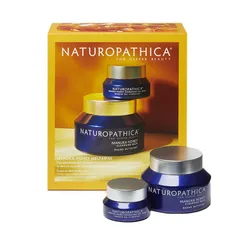
Saccharide Complex Improves moisture and aids in deep long-lasting hydration due to structural similarities with skin’s own carbohydrate complex
Source: Naturopathica
This product can help improve hydration of the skin with the two types of ingredients.
The first type is called “humectants”:
these ingredients help attract water.
When humectants are on the surface of the skin, they “pull in” the moisture from the outside environment, or from
within deeper layers of the skin. The following ingredients in this product do the job:
glycerin, lactobacillus ferment.
This product also contains ingredients called “occlusives”. They help reduce the speed with which our skin loses moisture to the outside environment. These ingredients also help soften the upper layer of the skin, so it feels less tight and nicer to the touch. The following ingredients in this product do the job: cocos nucifera fruit extract, glycine soja oil.
An emollient. Found to be as effective as a moisturizer for dry skin as mineral oil. Could be comedogenic
Red algae extract that helps attract water to the upper layer of the skin and might contain antioxidants
One of the best moisturizing ingredients. Naturally present in skin. It attracts water to the upper layer of the skin working as a humectant
A fermentation product created by bacteria Lactobacillus. The fermented product has anti-bacterial properties and might be helpful in calming down inflammation, but studies are lacking. Helps attract water to the upper layer of the skin. Can be used as a preservative
Helps to soften the upper layer of the skin and might have some anti-oxidant effect
A type of peptide, sold under the brand name Royal Epigen P5. It consists five different amino-acids: arginine, glutamic acid, leucine, serine and threonine. It helps attract water to the upper layer of the skin and might have anti-aging benefits. One of the manufacturers discloses that creation of this peptide was inspired by a protein found in royal jelly. There is no evidence that this is in any way relevant to this ingredient's benefit for human skin. There are no clinical trials available for this ingredient. There is also no lab tests methodology and results disclosed for it. It is not clear if this peptide has an actual anti-aging or would healing properties when applied topically to human skin. The ingredient manufacturer recommends to include it in formulations at 2-3%.
Helps to attract water to the upper layer of the skin
Helps soften the upper layer of the skin
Helps attract water to the upper layer of the skin
Helps soften the upper layer of the skin and can be helpful in restoring the skin barrier function. Might have some anti-oxidant effect
A non-living ingredient made by fermentation with the bacteria Lactobacillus. It can help attract water to the upper layer of the skin and might help reduce inflammation
A good emollient that helps soften the skin and helps repair its barrier function. It can clog pores if used in high concentrations.
Helps soften the upper layer of the skin and support skin's barrier function while creating a thicker product consistency
Attracts water into the upper layer of the skin
An emollient made of jojoba oil. Helps soften the skin and support its barrier function
A plant oil that might somewhat help to neutralize free radicals. It could be irritating
Helps to soften the upper layer of the skin and attract water to it
Helps attract water to the skin and might have some anti-bacterial properties. Can be an allergen
An emollient that can also help water and oil mix together, as well as prevent bacteria growth in products
A great moisturising ingredient that softens the skin and reduces water loss from its upper layer. It also can be helpful in protecting skin from free radicals
A good mix of fatty acids that forms a protective layer on the skin. Improves the shelf life of products. Derived from coconut and glycerin
An emollient that helps soften the upper layer of the skin. Might have some weak anti-oxidant properties
Pure form of vitamin E. Can help moisturise and protect the skin from free radicals. Often used to help stabilise other ingredients or the formula itself
How honest is this product?
| Promise | Can it deliver? |
|---|---|
| Moisturizing |
Total Promises Fulfilled score: 75/100.
Potential irritants
Comedogenic ingredients
User reviews (0)
Averages from community submissions.
No reviews yet for this product.
Be the first to share your experience!
Tried this product?
Help capture what the ingredient list can't—texture, finish, pilling, scent, and more. Answer what you can, skip the rest.
Takes ~30 seconds.
Reviews are shown in aggregate. No personal details.
Key Actives
A fermentation product created by bacteria Lactobacillus. The fermented product has anti-bacterial properties and might be helpful in calming down inflammation, but studies are lacking. Helps attract water to the upper layer of the skin. Can be used as a preservative
Pure form of vitamin E. Can help moisturise and protect the skin from free radicals. Often used to help stabilise other ingredients or the formula itself
A great moisturising ingredient that softens the skin and reduces water loss from its upper layer. It also can be helpful in protecting skin from free radicals
Helps soften the upper layer of the skin and can be helpful in restoring the skin barrier function. Might have some anti-oxidant effect
A plant extract that has anti-bacterial properties. Can be used to preserve the product. Can be irritating
Red algae extract that helps attract water to the upper layer of the skin and might contain antioxidants
An emollient that helps soften the upper layer of the skin. Might have some weak anti-oxidant properties
Helps to soften the upper layer of the skin and might have some anti-oxidant effect
A type of peptide, sold under the brand name Royal Epigen P5. It consists five different amino-acids: arginine, glutamic acid, leucine, serine and threonine. It helps attract water to the upper layer of the skin and might have anti-aging benefits. One of the manufacturers discloses that creation of this peptide was inspired by a protein found in royal jelly. There is no evidence that this is in any way relevant to this ingredient's benefit for human skin. There are no clinical trials available for this ingredient. There is also no lab tests methodology and results disclosed for it. It is not clear if this peptide has an actual anti-aging or would healing properties when applied topically to human skin. The ingredient manufacturer recommends to include it in formulations at 2-3%.
One of the best moisturizing ingredients. Naturally present in skin. It attracts water to the upper layer of the skin working as a humectant
Helps attract water to the upper layer of the skin
Attracts water into the upper layer of the skin
Helps soften the upper layer of the skin
One of the best moisturizing ingredients. Naturally present in skin. It attracts water to the upper layer of the skin working as a humectant
A good mix of fatty acids that forms a protective layer on the skin. Improves the shelf life of products. Derived from coconut and glycerin
An emollient made of jojoba oil. Helps soften the skin and support its barrier function
Helps soften the upper layer of the skin and support skin's barrier function while creating a thicker product consistency
A good emollient that helps soften the skin and helps repair its barrier function. It can clog pores if used in high concentrations.
Helps to attract water to the upper layer of the skin
A non-living ingredient made by fermentation with the bacteria Lactobacillus. It can help attract water to the upper layer of the skin and might help reduce inflammation
An emollient. Found to be as effective as a moisturizer for dry skin as mineral oil. Could be comedogenic
Potential irritants
An aromatic blend of unspecified and possibly irritating ingredients
A plant extract that has anti-bacterial properties. Can be used to preserve the product. Can be irritating
A plant extract that can contain an active compound curcumin, that may have some anti-inflammatory properties when applied to the skin, but solid research is lacking and the typical concentration used in skincare products is too low. Can be an irritant
Used as a fragrance. Canbe irritating
A plant extract that is rich in a fragrance compound eugenol that is a frequent allergen and can be irritating. It might also contain anti-oxidants to help neutralize free radicals
A preservative. Can be used to mask unpleasant smell. Can be irritating
A common frangrance that can easily irritate skin, especially if exposed to air, light or heat
A plant oil that might somewhat help to neutralize free radicals. It could be irritating
A plant extract that has some anti-oxidant and anti-bacterial properties. Can be irritating
A plant extract that might be helpful to neutralize free radicals in skin
Can work as an exfoliant but is typically used to adjust the product pH
Helps to control the skin's pH level. Maintains the skin's natural film of amino-lactic acids and oils. Helps to preserve products
A good mix of fatty acids that forms a protective layer on the skin. Improves the shelf life of products. Derived from coconut and glycerin
Used to create a thicker product consistency and help soften the upper layer of the skin
An emollient made of jojoba oil. Helps soften the skin and support its barrier function
A good emollient that helps soften the skin and helps repair its barrier function. It can clog pores if used in high concentrations.
An emollient that helps soften the upper layer of the skin. Might have some weak anti-oxidant properties
A preservative that comes from radishes fermented by a bacteria. New research suggests that the preservation properties in the ingredient come from an ammonium salt that is not present naturally in radish root but used in its cultivation. Is problematic because the exact amount of the preservative agents is difficult to determine
Comedogenic ingredients
Red algae extract that helps attract water to the upper layer of the skin and might contain antioxidants
A great moisturising ingredient that softens the skin and reduces water loss from its upper layer. It also can be helpful in protecting skin from free radicals
Helps soften the upper layer of the skin and can be helpful in restoring the skin barrier function. Might have some anti-oxidant effect
A good emollient that helps soften the skin and helps repair its barrier function. It can clog pores if used in high concentrations.
An emollient. Found to be as effective as a moisturizer for dry skin as mineral oil. Could be comedogenic
All ingredients
One of the best moisturizing ingredients. Naturally present in skin. It attracts water to the upper layer of the skin working as a humectant
An emollient that can also help water and oil mix together, as well as prevent bacteria growth in products
An aromatic blend of unspecified and possibly irritating ingredients
Attracts water into the upper layer of the skin
Helps attract water to the skin and might have some anti-bacterial properties. Can be an allergen
A plant extract that has anti-bacterial properties. Can be used to preserve the product. Can be irritating
A plant extract that might be helpful to neutralize free radicals in skin
Red algae extract that helps attract water to the upper layer of the skin and might contain antioxidants
A plant extract that can contain an active compound curcumin, that may have some anti-inflammatory properties when applied to the skin, but solid research is lacking and the typical concentration used in skincare products is too low. Can be an irritant
Can work as an exfoliant but is typically used to adjust the product pH
Used as a fragrance. Canbe irritating
Helps adjust the product pH and stabilize the formulation
A plant extract that is rich in a fragrance compound eugenol that is a frequent allergen and can be irritating. It might also contain anti-oxidants to help neutralize free radicals
Helps to control the skin's pH level. Maintains the skin's natural film of amino-lactic acids and oils. Helps to preserve products
A preservative. Can be used to mask unpleasant smell. Can be irritating
A common frangrance that can easily irritate skin, especially if exposed to air, light or heat
One of the best moisturizing ingredients. Naturally present in skin. It attracts water to the upper layer of the skin working as a humectant
A good mix of fatty acids that forms a protective layer on the skin. Improves the shelf life of products. Derived from coconut and glycerin
A great moisturising ingredient that softens the skin and reduces water loss from its upper layer. It also can be helpful in protecting skin from free radicals
Used to create a thicker product consistency and help soften the upper layer of the skin
An emollient made of jojoba oil. Helps soften the skin and support its barrier function
Helps soften the upper layer of the skin and can be helpful in restoring the skin barrier function. Might have some anti-oxidant effect
Helps soften the upper layer of the skin and support skin's barrier function while creating a thicker product consistency
Helps oil and water mix together. Can be used as a cleansing agent
A fermentation product created by bacteria Lactobacillus. The fermented product has anti-bacterial properties and might be helpful in calming down inflammation, but studies are lacking. Helps attract water to the upper layer of the skin. Can be used as a preservative
An aromatic blend of unspecified and possibly irritating ingredients
A good emollient that helps soften the skin and helps repair its barrier function. It can clog pores if used in high concentrations.
An emollient that helps soften the upper layer of the skin. Might have some weak anti-oxidant properties
Helps to soften the upper layer of the skin and might have some anti-oxidant effect
A type of peptide, sold under the brand name Royal Epigen P5. It consists five different amino-acids: arginine, glutamic acid, leucine, serine and threonine. It helps attract water to the upper layer of the skin and might have anti-aging benefits. One of the manufacturers discloses that creation of this peptide was inspired by a protein found in royal jelly. There is no evidence that this is in any way relevant to this ingredient's benefit for human skin. There are no clinical trials available for this ingredient. There is also no lab tests methodology and results disclosed for it. It is not clear if this peptide has an actual anti-aging or would healing properties when applied topically to human skin. The ingredient manufacturer recommends to include it in formulations at 2-3%.
A non-living ingredient made by fermentation with the bacteria Lactobacillus. It can help attract water to the upper layer of the skin and might help reduce inflammation
A plant oil that might somewhat help to neutralize free radicals. It could be irritating
Pure form of vitamin E. Can help moisturise and protect the skin from free radicals. Often used to help stabilise other ingredients or the formula itself
An emollient. Found to be as effective as a moisturizer for dry skin as mineral oil. Could be comedogenic
Helps attract water to the skin and might have some anti-bacterial properties. Can be an allergen
A plant extract that has some anti-oxidant and anti-bacterial properties. Can be irritating
Helps to retain moisture by creating a protective barrier on the skin. Rich in fatty acids. Improves product texture and helps with the penetration of other ingredients.
A preservative that comes from radishes fermented by a bacteria. New research suggests that the preservation properties in the ingredient come from an ammonium salt that is not present naturally in radish root but used in its cultivation. Is problematic because the exact amount of the preservative agents is difficult to determine
Can work as an exfoliant but is typically used to adjust the product pH
Used to stabilize the product formulation and can help absorb oil
A preservative. Can be used to mask unpleasant smell. Can be irritating
Ingredient list view
Water, Glycerin, Saccharide isomerate, Xanthan gum, Glyceryl caprylate, Parfum, Hydrolyzed sodium hyaluronate, Caprylhydroxamic acid, Mel, Honey, Opuntia ficus-indica stem extract, Melia azadirachta leaf extract, Melia azadirachta flower extract, Corallina officinalis extract, Curcuma longa root extract, Citric acid, Ocimum basilicum flower/leaf extract, Disodium phosphate, Ocimum sanctum leaf extract, Sodium citrate, Benzyl alcohol, Limonene, Linalool, Anise alcohol, Benzyl salicylate, Prunus amygdalus dulcis seed, Glycerin, Caprylic/capric triglyceride, Butyrospermum parkii butter, Glyceryl behenate, Jojoba esters, Theobroma cacao seed butter, Water, Helianthus annuus seed wax, Sucrose laurate, Lactobacillus ferment, Parfum, Glycine soja oil, Argania spinosa kernel oil, Mangifera indica seed butter, Pentapeptide-48, Sucrose stearate, Acacia decurrens flower wax, Unknown, Polyglycerin-3, Lactobacillus, Hippophae rhamnoides fruit oil, Tocopherol, Cocos nucifera fruit extract, Mel, Honey, Sucrose palmitate, Calendula officinalis flower extract, Hydrogenated lecithin, Leuconostoc/radish root ferment filtrate, Populus tremuloides bark extract, Phenethyl alcohol, Ethylhexylglycerin, Citric acid, Maltodextrin, Benzyl alcohol
- Glycerol and the skin: holistic approach to its origin and functions
- Melia azedarach
- Preliminary and Pharmacological Profile of Melia azedarach L.: An Overview
- Vaughn, A. R., Branum, A., & Sivamani, R. K. (2016). Effects of Turmeric (Curcuma longa) on Skin Health: A Systematic Review of the Clinical Evidence. Phytotherapy Research, 30(8), 1243–1264. doi:10.1002/ptr.5640
- Cocoa polyphenols and their influence on parameters involved in ex vivo skin restructuring
- Effect of Olive and Sunflower Seed Oil on the Adult Skin Barrier: Implications for Neonatal Skin Care
- The effect of probiotics on immune regulation, acne, and photoaging
- Comparison of clinical and histological effects between lactobacillus-fermented Chamaecyparis obtusa and tea tree oil for the treatment of acne: an eight-week double-blind randomized controlled split-face study
- Use of Probiotics for Dermal Applications
- Natural vegetable fats in the prevention of irritant contact dermatitis
- Extraction and Characteristics of Seed Kernel Oil from Mango
- Promising features of mango (Mangifera indica L.) kernel oil: a review
- Evaluation of the fatty acid composition of the seeds of Mangifera indica L. and their application
- The Power of Royalactin
- RoyalEpigen P5
- Final Report of the Safety Assessment of Acacia Catechu Gum, Acacia Concinna Fruit Extract, Acacia Dealbata Leaf Extract, Acacia Dealbata Leaf Wax, Acacia Decurrens Extract, Acacia Farnesiana Extract, Acacia Farnesiana Flower Wax, Acacia Farnesiana Gum, Acacia Senegal Extract, Acacia Senegal Gum, and Acacia Senegal Gum Extract1
- Vitamin E in dermatology
- Vitamin E and Skin Health
- Topical application of Calendula officinalis (L.): Formulation and evaluation of hydrophilic cream with antioxidant activity
- The seamy side of natural medicines: contact sensitization to arnica (Arnica montana L.) and marigold (Calendula officinalis L.)
- Final report on the safety assessment of Calendula officinalis extract and Calendula officinalis
- Contact dermatitis as an adverse reaction to some topically used European herbal medicinal products – part 1: Achillea millefolium–Curcuma longa
- Final Report on the Safety Assessment of Phenethyl Alcohol