
Works for:
based on ingredients and %- Cleansing
Can it cause trouble?
- Irritation risk: low
- Comedogenic risk ingredients: 1
Key actives

Works for
Cleansing
What does the product description say?
Fermented Camellia Creamy Cleansing Oil
Source: Naturium
This product works by removing dirt and oil from the surface of the skin. It uses a combination of mild cleansing agents (hydrogenated lecithin, sucrose laurate) and should be able to cleanse the skin gently. Still keep in mind that any cleansing can disrupt the skin barrier, and most people do not need to cleanse their skin more than once per day.
Helps to retain moisture by creating a protective barrier on the skin. Rich in fatty acids. Improves product texture and helps with the penetration of other ingredients.
Helps oil and water mix together. Can be used as a cleansing agent
How honest is this product?
| Promise | Can it deliver? |
|---|---|
| Cleansing |
Total Promises Fulfilled score: 100/100.
We receive a small commission for purchases made through these links at no cost for you. Thank you for your support! Learn more
Potential irritants
Comedogenic ingredients
User reviews (2)
Averages from community submissions.
How stripping does it feel?
How well does it remove makeup?
How would you describe the foam?
How would you describe the smell?
Tried this product?
Help capture what the ingredient list can't—texture, finish, pilling, scent, and more. Answer what you can, skip the rest.
Takes ~30 seconds.
Reviews are shown in aggregate. No personal details.
| Product | Similarity | Price | Irritancy |
|---|---|---|---|
 Naturium Fermented Camellia Creamy Cleansing Oil | Current | $19.99 | |
 KAINE Kombu Jelly Oil Cleanser | 34% | $19.99 | |
Goodness Products International 3 in 1 Jelly Oil Cleanser | 33% | - | |
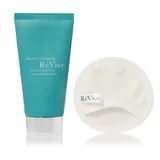 RéVive Melting Cleanser / Makeup Removing Wash | 30% | $80.00 | |
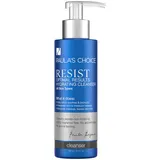 Paula's choice Resist Optimal Results Hydrating Cleanser | 30% | ≈ $12.66 | |
 Bulldog Sensitive Skin Moisturiser | 30% | ≈ $5.96 |
Key Actives
A plant extract that can help neutralize free radicals and reduce inflammation, even though it is not usually used in sufficient concentration in cosmetics
A good mix of fatty acids that forms a protective layer on the skin. Improves the shelf life of products. Derived from coconut and glycerin
One of the best moisturizing ingredients. Naturally present in skin. It attracts water to the upper layer of the skin working as a humectant
Helps oil and water mix together. Can be used as a cleansing agent
Softens the upper layer of skin and helps restore the healthy skin barrier. Has shown to help calm down inflammation in skin. It is a stable oil, meaning that it retains its properties even when exposed to air.
Chia seed oil. Helps to soften the upper layer of the skin and might be helpful in repairing skin barrier
Helps to retain moisture by creating a protective barrier on the skin. Rich in fatty acids. Improves product texture and helps with the penetration of other ingredients.
Potential irritants
A good mix of fatty acids that forms a protective layer on the skin. Improves the shelf life of products. Derived from coconut and glycerin
Softens the upper layer of skin and helps restore the healthy skin barrier. Has shown to help calm down inflammation in skin. It is a stable oil, meaning that it retains its properties even when exposed to air.
A plant oil that helps soften the upper layer of the skin. Is unlikely to be helpful in restoring skin barrier function due to the low content of linoleic acid
A preservative that comes from radishes fermented by a bacteria. New research suggests that the preservation properties in the ingredient come from an ammonium salt that is not present naturally in radish root but used in its cultivation. Is problematic because the exact amount of the preservative agents is difficult to determine
Comedogenic ingredients
An emollient that helps soften the skin and create a nice product texture
All ingredients
A good mix of fatty acids that forms a protective layer on the skin. Improves the shelf life of products. Derived from coconut and glycerin
An emollient that helps soften the skin and create a nice product texture
One of the best moisturizing ingredients. Naturally present in skin. It attracts water to the upper layer of the skin working as a humectant
Helps oil and water mix together. Can be used as a cleansing agent
Softens the upper layer of skin and helps restore the healthy skin barrier. Has shown to help calm down inflammation in skin. It is a stable oil, meaning that it retains its properties even when exposed to air.
Chia seed oil. Helps to soften the upper layer of the skin and might be helpful in repairing skin barrier
A plant extract that can help neutralize free radicals and reduce inflammation, even though it is not usually used in sufficient concentration in cosmetics
Helps to retain moisture by creating a protective barrier on the skin. Rich in fatty acids. Improves product texture and helps with the penetration of other ingredients.
A plant oil that helps soften the upper layer of the skin. Is unlikely to be helpful in restoring skin barrier function due to the low content of linoleic acid
A preservative. It helps prevent bacterial growth in cosmetic products
Used to create a nice product texture and help delivery of other ingredients. Might be somewhat helpful in attracting water to the upper layer of the skin
A preservative that comes from radishes fermented by a bacteria. New research suggests that the preservation properties in the ingredient come from an ammonium salt that is not present naturally in radish root but used in its cultivation. Is problematic because the exact amount of the preservative agents is difficult to determine
Pure form of vitamin E. Can help moisturise and protect the skin from free radicals. Often used to help stabilise other ingredients or the formula itself
Ingredient list view
Caprylic/capric triglyceride, Ethylhexyl palmitate, Glycerin, Water, Sucrose laurate, Pseudozyma epicola/camellia sinensis seed oil ferment extract filtrate, Simmondsia chinensis seed oil, Salvia hispanica seed oil, Camellia oleifera leaf extract, Argania spinosa kernel extract, Hydrogenated lecithin, Melia azadirachta extract, Moringa oleifera seed oil, Phenoxyethanol, Butylene glycol, Leuconostoc/radish root ferment filtrate, Tocopherol