Nature Spell Vitamin C + Turmeric Body Milk – Bright Idea Body Lotion
Works for
1 of 2 advertised claims delivered
MoisturizingCaprylic/capric triglyceride, Glycerin + 6 moreGood evidence
This product can help improve hydration of the skin with the two types of ingredients.
The first type is called “humectants”:
these ingredients help attract water.
When humectants are on the surface of the skin, they “pull in” the moisture from the outside environment, or from
within deeper layers of the skin. The following ingredients in this product do the job:
glycerin.
This product also contains ingredients called “occlusives”. They help reduce the speed with which our skin loses moisture to the outside environment. These ingredients also help soften the upper layer of the skin, so it feels less tight and nicer to the touch. The following ingredients in this product do the job: caprylic/capric triglyceride, cocos nucifera oil.
Anti-agingButyrospermum parkii butter, Sodium ascorbyl phosphate + 1 moreWeak evidence
Effective ingredients missing or their concentration is too low.
Can it cause trouble?
Irritancy11 strong irritants: Parfum, Benzophenone-4 + 9 more — patch-test recommendedHigh risk
Comedogenic4 ingredients rated 2 or more on the 0–5 pore-clogging scale4 flagged

User reviews
Be the first — your take helps the next person decide.
Ingredients
Filter by role to see what each ingredient is doing.
Water~45–55%
Caprylic/capric triglyceride~6.2–7.6%
- Irritation risk
- Medium
A good mix of fatty acids that forms a protective layer on the skin. Improves the shelf life of products. Derived from coconut and glycerin
More about Caprylic/capric triglyceridePropanediol~4.1–5%
- Irritation risk
- Low
Acts as a solvent for other ingredients. Speeds up the absorption of other ingredients into the skin
More about PropanediolCocos nucifera oil~3.2–3.9%
- Irritation risk
- Low
- Comedogenicity
- 3/5
An emollient. Found to be as effective as a moisturizer for dry skin as mineral oil. Could be comedogenic
More about Cocos nucifera oilCetearyl alcohol~2.4–2.9%
- Irritation risk
- Low
- Comedogenicity
- 2/5
A non-drying alcohol. Works as an emollient. Helps water and oil mix together and creates a nice product texture
More about Cetearyl alcoholPolyacrylamide~2–2.4%
- Irritation risk
- Medium
Used to improve product texture and help oil and water mix together
More about PolyacrylamideGlycerin~1.8–2.1%
- Irritation risk
- Low
One of the best moisturizing ingredients. Naturally present in skin. It attracts water to the upper layer of the skin working as a humectant
More about GlycerinSodium ascorbyl phosphate~1.4–1.7%
- Irritation risk
- Medium
A stable derivative of vitamin C. It is oil-soluble which means it is more likely to penetrate the skin compared to the pure form of vitamin C (which is water-soluble), but it is less bio-available and is way less effective in stimulating collagen and reducing wrinkles compared to the pure form of vitamin C (L-ascorbic acid) and its other derivatives (for example, magnesium ascorbyl phosphate). At the same time, this vitamin C derivative has been shown in studies to be effective in reducing acne, blemishes and clogged pores. It is less irritating then the pure form of vitamin C
More about Sodium ascorbyl phosphateGlyceryl stearate se~1.2–1.5%
- Irritation risk
- Low
- Comedogenicity
- 2/5
Used to stabilize the product formulations and works as an emollient
More about Glyceryl stearate seCurcuma longa root oil~0.95–1.15%
- Irritation risk
- Low
Parfum~0.7–1%
- Irritation risk
- High
An aromatic blend of unspecified and possibly irritating ingredients
More about ParfumButyrospermum parkii butter~0.65–0.95%
- Irritation risk
- Low
- Comedogenicity
- 3/5
A great moisturising ingredient that softens the skin and reduces water loss from its upper layer. It also can be helpful in protecting skin from free radicals
More about Butyrospermum parkii butterAloe barbadensis leaf juice~0.55–0.8%
- Irritation risk
- Medium
Traditionally used to treat sunburns, dermatitis and inflammation, but evidence for its effectiveness is lacking. The extract can contain humectants that help attract water into the skin
More about Aloe barbadensis leaf juiceC13-14 isoparaffin~0.5–0.8%
- Irritation risk
- Low
Helps soften the upper layer of the skin, dissolve other ingredients and create a thicker product consistency
More about C13-14 isoparaffinPhenoxyethanol~0.45–0.65%
- Irritation risk
- Low
A preservative. It helps prevent bacterial growth in cosmetic products
More about PhenoxyethanolCarbomer~0.45–0.65%
- Irritation risk
- Low
Helps create a thicker or gel-like product texture. It is not a surfactant but can be used in gentle cleansing formulations
More about CarbomerSodium hydroxide~0.4–0.6%
Benzophenone-4~0.55–0.8%
- Irritation risk
- High
Sulisobenzone. A UV filter. Is typically used to improve the product stability under exposure to UV light. It is effective against both UVA and UVB rays. It can be used is larger concentrations as a sun protection ingredient for the skin, but can be irritating
More about Benzophenone-4Laureth-7~0.3–0.55%
Triethylene glycol~0.2–0.4%
- Irritation risk
- Low
Limonene~0.2–0.35%
- Irritation risk
- High
A common frangrance that can easily irritate skin, especially if exposed to air, light or heat
More about LimoneneLinalool~0.2–0.35%
Benzyl salicylate~0.15–0.3%
Hexyl cinnamal~0.15–0.3%
Eugenol~0.15–0.25%
Amyl cinnamal~0.15–0.25%
- Irritation risk
- High
Alpha-isomethyl ionone~0.1–0.2%
- Irritation risk
- High
A fragrance. Potential allergen and can be irritating
More about Alpha-isomethyl iononeGeraniol~0.05–0.15%
Citronellol~0.05–0.1%
Ingredient list view
Water, Caprylic/capric triglyceride, Propanediol, Cocos nucifera oil, Cetearyl alcohol, Polyacrylamide, Glycerin, Sodium ascorbyl phosphate, Glyceryl stearate se, Curcuma longa root oil, Parfum, Butyrospermum parkii butter, Aloe barbadensis leaf juice, C13-14 isoparaffin, Phenoxyethanol, Carbomer, Sodium hydroxide, Benzophenone-4, Laureth-7, Triethylene glycol, Limonene, Linalool, Benzyl salicylate, Hexyl cinnamal, Eugenol, Amyl cinnamal, Alpha-isomethyl ionone, Geraniol, Citronellol
Compare prices
Retailers ranked by price — lowest first.
Worth comparing, line by line.
Match % combines shared ingredients, the first five ingredients, shared actives and hero ingredients, irritancy (lower counts in the alternative's favour), texture and body area. Only products in the same routine step are compared.
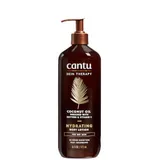
| Nature SpellVitamin C + Turmeric Body Milk – Bright Idea Body LotionYOUR PRODUCT | Mama MioMegamama Super-Rich Omega Body Lotion | Beekman 1802Ylang Ylang & Tuberose Goat Milk Lotion | CantuSkin Therapy Coconut Oil Hydrating Body Lotion | |
|---|---|---|---|---|
| Match | — | 61% | 60% | 57% |
| Price | $8.01 | — | $20.00+$11.99 | $9.34+$1.33 |
| Shared key ingredients | — | 4 of 6 | 3 of 6 | 4 of 6 |
| Key difference | — | Cucurbita Pepo Seed Oil | Panthenol | Cocos Nucifera Fruit Extract |
| Irritancy | High | High | Medium | High |
| Drying alcohol | — | — | — | — |
| View product | Shop | Shop | Shop |


Sources cited in this review
Every concentration estimate and effectiveness label is anchored to one of these 11 studies and safety reviews.
- 1
- 2
- 3Sodium ascorbyl phosphate in topical microemulsionssciencedirect.com
- 4
- 5
- 6

Affiliate links · As an Amazon Associate, WIMJ earns from qualifying purchases.