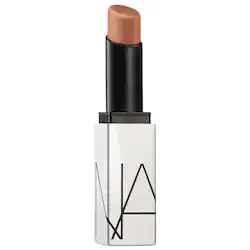
Works for
0 of 1 advertised claim delivered
MoisturizingC12-15 alkyl benzoate, Lauroyl lysine + 3 moreLimited evidence
“Impart a diffused, soft-focus effect due to their ability to absorb moisture. . Amino Acid Powder.”
Does not contain the most effective ingredients for moisturization. The emollients (c12-15 alkyl benzoate, olea europaea fruit oil) can help soften the upper layer of the skin. Keep in mind though that this product lacks humectants that attract water. You might want to use a separate product with ingredients like hyaluronic acid or glycerin in addition (use before this product for the best results).
Can it cause trouble?
Irritancy1 strong irritant: Ethyl vanillin — patch-test recommendedHigh risk
Comedogenic1 ingredient rated 2 or more on the 0–5 pore-clogging scale1 flagged
User reviews
Be the first — your take helps the next person decide.
Ingredients
Filter by role to see what each ingredient is doing.
Pentaerythrityl tetraisostearate~25–31%
- Irritation risk
- Medium
Used to create a thicker product consistency
More about Pentaerythrityl tetraisostearateC12-15 alkyl benzoate~5–6.1%
- Irritation risk
- Low
Enhances the product texture and makes it more spreadable. Helps reduce water loss from the outer layer of skin. Extands the shelf life by preventing bacteria growth
More about C12-15 alkyl benzoateOctyldodecanol~5.2–6.3%
- Irritation risk
- Low
An emollient that helps to soften the skin and create a pleasant product texture and stabilize the formulation
More about OctyldodecanolPolyethylene~4.3–5.2%
Mica~3–3.7%
- Irritation risk
- Low
Creates an illusion of smoother and more radiant skin tone. Adds shimmer to the skin by reflecting light
More about MicaSilica~2.3–2.8%
Lauroyl lysine~1.6–2%
- Irritation risk
- Low
Helps soften the upper layer of the skin and creates a nice product texture
More about Lauroyl lysineBambusa arundinacea stem powder~1.5–1.8%
- Irritation risk
- Medium
Abrasive ingredient used for physical exfoliation (scrubing)
More about Bambusa arundinacea stem powderTriacontanyl pvp~1.3–1.6%
- Irritation risk
- Low
Silica silylate~1–1.3%
Synthetic wax~0.7–1.05%
- Irritation risk
- Low
Used to stabilize product formulations and thicken product consistency
More about Synthetic waxHydrogenated olive oil~0.5–0.75%
- Irritation risk
- Low
Olea europaea fruit oil~0.5–0.75%
- Irritation risk
- Medium
An emollient that helps soften the skin but is not effective for restoring its barrier function. Might be helpful to calm down inflammation
More about Olea europaea fruit oilOlea europaea oil unsaponifiables~0.4–0.6%
- Irritation risk
- Low
Help soften the upper layer of the skin
More about Olea europaea oil unsaponifiablesTocopheryl acetate~0.35–0.65%
- Irritation risk
- Medium
A more stable but less bio-available form of vitamin E compared to Tocopherol. Might help moisturize and protect the skin from free radicals, but mostly used in low concentrations to stabilize other ingredients.
More about Tocopheryl acetateDisteardimonium hectorite~0.35–0.6%
- Irritation risk
- Low
A type of clay that is used to thicken the product consistency
More about Disteardimonium hectoritePentaerythrityl tetra-di-t-butyl hydroxyhydrocinnamate~0.35–0.6%
- Irritation risk
- Low
Used to increase stability of product formulations
More about Pentaerythrityl tetra-di-t-butyl hydroxyhydrocinnamateTalc~0.45–0.7%
Dicalcium phosphate~0.5–0.7%
- Irritation risk
- Low
Ethyl vanillin~0.2–0.4%
Iron oxides~0.25–0.5%
- Irritation risk
- Low
An umbrella term for the following three colorants: CI 77491, CI 77492, CI 77499. They might be able to offer some protection against visible light, but the degree of the protection is not clear
More about Iron oxidesCi 15850~0.2–0.4%
Pentaerythrityl tetraisostearate~0.3–0.55%
- Irritation risk
- Medium
Used to create a thicker product consistency
More about Pentaerythrityl tetraisostearateC12-15 alkyl benzoate~0.25–0.5%
- Irritation risk
- Low
Enhances the product texture and makes it more spreadable. Helps reduce water loss from the outer layer of skin. Extands the shelf life by preventing bacteria growth
More about C12-15 alkyl benzoateOctyldodecanol~0.25–0.45%
- Irritation risk
- Low
An emollient that helps to soften the skin and create a pleasant product texture and stabilize the formulation
More about OctyldodecanolPolyethylene~0.45–0.7%
Mica~0.25–0.5%
- Irritation risk
- Low
Creates an illusion of smoother and more radiant skin tone. Adds shimmer to the skin by reflecting light
More about MicaSilica~0.3–0.6%
Bambusa arundinacea stem powder~0.3–0.5%
- Irritation risk
- Medium
Abrasive ingredient used for physical exfoliation (scrubing)
More about Bambusa arundinacea stem powderLauroyl lysine~0.2–0.35%
- Irritation risk
- Low
Helps soften the upper layer of the skin and creates a nice product texture
More about Lauroyl lysineTriacontanyl pvp~0.3–0.6%
- Irritation risk
- Low
Dicalcium phosphate~0.4–0.6%
- Irritation risk
- Low
Silica silylate~0.3–0.55%
Synthetic wax~0.25–0.5%
- Irritation risk
- Low
Used to stabilize product formulations and thicken product consistency
More about Synthetic waxHydrogenated olive oil~0.2–0.35%
- Irritation risk
- Low
Olea europaea fruit oil~0.25–0.45%
- Irritation risk
- Medium
An emollient that helps soften the skin but is not effective for restoring its barrier function. Might be helpful to calm down inflammation
More about Olea europaea fruit oilOlea europaea oil unsaponifiables~0.2–0.35%
- Irritation risk
- Low
Help soften the upper layer of the skin
More about Olea europaea oil unsaponifiablesTocopheryl acetate~0.2–0.4%
- Irritation risk
- Medium
A more stable but less bio-available form of vitamin E compared to Tocopherol. Might help moisturize and protect the skin from free radicals, but mostly used in low concentrations to stabilize other ingredients.
More about Tocopheryl acetateDisteardimonium hectorite~0.2–0.4%
- Irritation risk
- Low
A type of clay that is used to thicken the product consistency
More about Disteardimonium hectoritePentaerythrityl tetra-di-t-butyl hydroxyhydrocinnamate~0.2–0.4%
- Irritation risk
- Low
Used to increase stability of product formulations
More about Pentaerythrityl tetra-di-t-butyl hydroxyhydrocinnamateTalc~0.3–0.6%
Ethyl vanillin~0.2–0.35%
Blue 1 lake~0.2–0.4%
Ci 42090~0.2–0.4%
Iron oxides~0.2–0.35%
- Irritation risk
- Low
An umbrella term for the following three colorants: CI 77491, CI 77492, CI 77499. They might be able to offer some protection against visible light, but the degree of the protection is not clear
More about Iron oxidesCi 45410~0.2–0.4%
Ci 15850~0.2–0.4%
Titanium dioxide~0.3–0.55%
- Irritation risk
- Low
Works as a UV filter when used in high concentrations. It is photostable and is effective mostly against the UVB light, with some protection in the UVA range. In small concentrations, used for its ability to improve the color of cosmetic products. Is usually well tolerated by the skin
More about Titanium dioxideCi 77891~0.2–0.35%
- Irritation risk
- Low
Ci 19140~0.2–0.4%
Pentaerythrityl tetraisostearate~0.3–0.55%
- Irritation risk
- Medium
Used to create a thicker product consistency
More about Pentaerythrityl tetraisostearateC12-15 alkyl benzoate~0.25–0.5%
- Irritation risk
- Low
Enhances the product texture and makes it more spreadable. Helps reduce water loss from the outer layer of skin. Extands the shelf life by preventing bacteria growth
More about C12-15 alkyl benzoateOctyldodecanol~0.25–0.45%
- Irritation risk
- Low
An emollient that helps to soften the skin and create a pleasant product texture and stabilize the formulation
More about OctyldodecanolPolyethylene~0.45–0.7%
Mica~0.25–0.5%
- Irritation risk
- Low
Creates an illusion of smoother and more radiant skin tone. Adds shimmer to the skin by reflecting light
More about MicaSilica~0.3–0.6%
Lauroyl lysine~0.2–0.35%
- Irritation risk
- Low
Helps soften the upper layer of the skin and creates a nice product texture
More about Lauroyl lysineBambusa arundinacea stem powder~0.3–0.5%
- Irritation risk
- Medium
Abrasive ingredient used for physical exfoliation (scrubing)
More about Bambusa arundinacea stem powderTriacontanyl pvp~0.3–0.6%
- Irritation risk
- Low
Dicalcium phosphate~0.4–0.6%
- Irritation risk
- Low
Silica silylate~0.3–0.55%
Synthetic wax~0.25–0.5%
- Irritation risk
- Low
Used to stabilize product formulations and thicken product consistency
More about Synthetic waxHydrogenated olive oil~0.2–0.35%
- Irritation risk
- Low
Olea europaea fruit oil~0.25–0.45%
- Irritation risk
- Medium
An emollient that helps soften the skin but is not effective for restoring its barrier function. Might be helpful to calm down inflammation
More about Olea europaea fruit oilOlea europaea oil unsaponifiables~0.2–0.35%
- Irritation risk
- Low
Help soften the upper layer of the skin
More about Olea europaea oil unsaponifiablesTocopheryl acetate~0.2–0.4%
- Irritation risk
- Medium
A more stable but less bio-available form of vitamin E compared to Tocopherol. Might help moisturize and protect the skin from free radicals, but mostly used in low concentrations to stabilize other ingredients.
More about Tocopheryl acetateDisteardimonium hectorite~0.2–0.4%
- Irritation risk
- Low
A type of clay that is used to thicken the product consistency
More about Disteardimonium hectoritePentaerythrityl tetra-di-t-butyl hydroxyhydrocinnamate~0.2–0.4%
- Irritation risk
- Low
Used to increase stability of product formulations
More about Pentaerythrityl tetra-di-t-butyl hydroxyhydrocinnamateEthyl vanillin~0.2–0.35%
Blue 1 lake~0.2–0.4%
Ci 42090~0.2–0.4%
Iron oxides~0.2–0.35%
- Irritation risk
- Low
An umbrella term for the following three colorants: CI 77491, CI 77492, CI 77499. They might be able to offer some protection against visible light, but the degree of the protection is not clear
More about Iron oxidesCi 77742~0.2–0.4%
Ci 15850~0.2–0.4%
Titanium dioxide~0.3–0.55%
- Irritation risk
- Low
Works as a UV filter when used in high concentrations. It is photostable and is effective mostly against the UVB light, with some protection in the UVA range. In small concentrations, used for its ability to improve the color of cosmetic products. Is usually well tolerated by the skin
More about Titanium dioxideCi 77891~0.2–0.35%
- Irritation risk
- Low
Ci 19140~0.2–0.4%
Pentaerythrityl tetraisostearate~0.3–0.55%
- Irritation risk
- Medium
Used to create a thicker product consistency
More about Pentaerythrityl tetraisostearateC12-15 alkyl benzoate~0.25–0.5%
- Irritation risk
- Low
Enhances the product texture and makes it more spreadable. Helps reduce water loss from the outer layer of skin. Extands the shelf life by preventing bacteria growth
More about C12-15 alkyl benzoateOctyldodecanol~0.25–0.45%
- Irritation risk
- Low
An emollient that helps to soften the skin and create a pleasant product texture and stabilize the formulation
More about OctyldodecanolPolyethylene~0.45–0.7%
Mica~0.25–0.5%
- Irritation risk
- Low
Creates an illusion of smoother and more radiant skin tone. Adds shimmer to the skin by reflecting light
More about MicaSilica~0.3–0.6%
Bambusa arundinacea stem powder~0.3–0.5%
- Irritation risk
- Medium
Abrasive ingredient used for physical exfoliation (scrubing)
More about Bambusa arundinacea stem powderLauroyl lysine~0.2–0.35%
- Irritation risk
- Low
Helps soften the upper layer of the skin and creates a nice product texture
More about Lauroyl lysineTriacontanyl pvp~0.3–0.6%
- Irritation risk
- Low
Silica silylate~0.3–0.55%
Synthetic wax~0.3–0.5%
- Irritation risk
- Low
Used to stabilize product formulations and thicken product consistency
More about Synthetic waxHydrogenated olive oil~0.2–0.4%
- Irritation risk
- Low
Olea europaea fruit oil~0.25–0.5%
- Irritation risk
- Medium
An emollient that helps soften the skin but is not effective for restoring its barrier function. Might be helpful to calm down inflammation
More about Olea europaea fruit oilOlea europaea oil unsaponifiables~0.2–0.4%
- Irritation risk
- Low
Help soften the upper layer of the skin
More about Olea europaea oil unsaponifiablesDicalcium phosphate~0.4–0.65%
- Irritation risk
- Low
Tocopheryl acetate~0.25–0.45%
- Irritation risk
- Medium
A more stable but less bio-available form of vitamin E compared to Tocopherol. Might help moisturize and protect the skin from free radicals, but mostly used in low concentrations to stabilize other ingredients.
More about Tocopheryl acetateDisteardimonium hectorite~0.2–0.4%
- Irritation risk
- Low
A type of clay that is used to thicken the product consistency
More about Disteardimonium hectoriteTalc~0.35–0.6%
Pentaerythrityl tetra-di-t-butyl hydroxyhydrocinnamate~0.25–0.45%
- Irritation risk
- Low
Used to increase stability of product formulations
More about Pentaerythrityl tetra-di-t-butyl hydroxyhydrocinnamateEthyl vanillin~0.2–0.35%
Blue 1 lake~0.2–0.4%
Ci 42090~0.2–0.4%
Iron oxides~0.2–0.35%
- Irritation risk
- Low
An umbrella term for the following three colorants: CI 77491, CI 77492, CI 77499. They might be able to offer some protection against visible light, but the degree of the protection is not clear
More about Iron oxidesCi 15850~0.2–0.4%
Titanium dioxide~0.3–0.55%
- Irritation risk
- Low
Works as a UV filter when used in high concentrations. It is photostable and is effective mostly against the UVB light, with some protection in the UVA range. In small concentrations, used for its ability to improve the color of cosmetic products. Is usually well tolerated by the skin
More about Titanium dioxideCi 77891~0.2–0.35%
- Irritation risk
- Low
Ci 19140~0.2–0.4%
Ci 15985~0.2–0.4%
Pentaerythrityl tetraisostearate~0.3–0.55%
- Irritation risk
- Medium
Used to create a thicker product consistency
More about Pentaerythrityl tetraisostearateC12-15 alkyl benzoate~0.3–0.5%
- Irritation risk
- Low
Enhances the product texture and makes it more spreadable. Helps reduce water loss from the outer layer of skin. Extands the shelf life by preventing bacteria growth
More about C12-15 alkyl benzoateOctyldodecanol~0.25–0.5%
- Irritation risk
- Low
An emollient that helps to soften the skin and create a pleasant product texture and stabilize the formulation
More about OctyldodecanolPolyethylene~0.5–0.7%
Mica~0.25–0.5%
- Irritation risk
- Low
Creates an illusion of smoother and more radiant skin tone. Adds shimmer to the skin by reflecting light
More about MicaSilica~0.3–0.6%
Dicalcium phosphate~0.4–0.6%
- Irritation risk
- Low
Lauroyl lysine~0.2–0.4%
- Irritation risk
- Low
Helps soften the upper layer of the skin and creates a nice product texture
More about Lauroyl lysineBambusa arundinacea stem powder~0.3–0.55%
- Irritation risk
- Medium
Abrasive ingredient used for physical exfoliation (scrubing)
More about Bambusa arundinacea stem powderTriacontanyl pvp~0.35–0.6%
- Irritation risk
- Low
Silica silylate~0.3–0.55%
Synthetic wax~0.3–0.5%
- Irritation risk
- Low
Used to stabilize product formulations and thicken product consistency
More about Synthetic waxHydrogenated olive oil~0.2–0.4%
- Irritation risk
- Low
Olea europaea fruit oil~0.25–0.45%
- Irritation risk
- Medium
An emollient that helps soften the skin but is not effective for restoring its barrier function. Might be helpful to calm down inflammation
More about Olea europaea fruit oilOlea europaea oil unsaponifiables~0.2–0.4%
- Irritation risk
- Low
Help soften the upper layer of the skin
More about Olea europaea oil unsaponifiablesTocopheryl acetate~0.25–0.45%
- Irritation risk
- Medium
A more stable but less bio-available form of vitamin E compared to Tocopherol. Might help moisturize and protect the skin from free radicals, but mostly used in low concentrations to stabilize other ingredients.
More about Tocopheryl acetateDisteardimonium hectorite~0.2–0.4%
- Irritation risk
- Low
A type of clay that is used to thicken the product consistency
More about Disteardimonium hectoritePentaerythrityl tetra-di-t-butyl hydroxyhydrocinnamate~0.25–0.4%
- Irritation risk
- Low
Used to increase stability of product formulations
More about Pentaerythrityl tetra-di-t-butyl hydroxyhydrocinnamateEthyl vanillin~0.15–0.3%
Blue 1 lake~0.2–0.35%
Ci 42090~0.15–0.3%
Iron oxides~0.15–0.25%
- Irritation risk
- Low
An umbrella term for the following three colorants: CI 77491, CI 77492, CI 77499. They might be able to offer some protection against visible light, but the degree of the protection is not clear
More about Iron oxidesCi 15850~0.15–0.3%
Titanium dioxide~0.2–0.35%
- Irritation risk
- Low
Works as a UV filter when used in high concentrations. It is photostable and is effective mostly against the UVB light, with some protection in the UVA range. In small concentrations, used for its ability to improve the color of cosmetic products. Is usually well tolerated by the skin
More about Titanium dioxideCi 77891~0.1–0.15%
- Irritation risk
- Low
Ci 19140~0.1–0.15%
Ingredient list view
Pentaerythrityl tetraisostearate, C12-15 alkyl benzoate, Octyldodecanol, Polyethylene, Mica, Silica, Lauroyl lysine, Bambusa arundinacea stem powder, Triacontanyl pvp, Silica silylate, Synthetic wax, Hydrogenated olive oil, Olea europaea fruit oil, Olea europaea oil unsaponifiables, Tocopheryl acetate, Disteardimonium hectorite, Pentaerythrityl tetra-di-t-butyl hydroxyhydrocinnamate, Talc, Dicalcium phosphate, Ethyl vanillin, Iron oxides, Ci 15850, Pentaerythrityl tetraisostearate, C12-15 alkyl benzoate, Octyldodecanol, Polyethylene, Mica, Silica, Bambusa arundinacea stem powder, Lauroyl lysine, Triacontanyl pvp, Dicalcium phosphate, Silica silylate, Synthetic wax, Hydrogenated olive oil, Olea europaea fruit oil, Olea europaea oil unsaponifiables, Tocopheryl acetate, Disteardimonium hectorite, Pentaerythrityl tetra-di-t-butyl hydroxyhydrocinnamate, Talc, Ethyl vanillin, Blue 1 lake, Ci 42090, Iron oxides, Ci 45410, Ci 15850, Titanium dioxide, Ci 77891, Ci 19140, Pentaerythrityl tetraisostearate, C12-15 alkyl benzoate, Octyldodecanol, Polyethylene, Mica, Silica, Lauroyl lysine, Bambusa arundinacea stem powder, Triacontanyl pvp, Dicalcium phosphate, Silica silylate, Synthetic wax, Hydrogenated olive oil, Olea europaea fruit oil, Olea europaea oil unsaponifiables, Tocopheryl acetate, Disteardimonium hectorite, Pentaerythrityl tetra-di-t-butyl hydroxyhydrocinnamate, Ethyl vanillin, Blue 1 lake, Ci 42090, Iron oxides, Ci 77742, Ci 15850, Titanium dioxide, Ci 77891, Ci 19140, Pentaerythrityl tetraisostearate, C12-15 alkyl benzoate, Octyldodecanol, Polyethylene, Mica, Silica, Bambusa arundinacea stem powder, Lauroyl lysine, Triacontanyl pvp, Silica silylate, Synthetic wax, Hydrogenated olive oil, Olea europaea fruit oil, Olea europaea oil unsaponifiables, Dicalcium phosphate, Tocopheryl acetate, Disteardimonium hectorite, Talc, Pentaerythrityl tetra-di-t-butyl hydroxyhydrocinnamate, Ethyl vanillin, Blue 1 lake, Ci 42090, Iron oxides, Ci 15850, Titanium dioxide, Ci 77891, Ci 19140, Ci 15985, Pentaerythrityl tetraisostearate, C12-15 alkyl benzoate, Octyldodecanol, Polyethylene, Mica, Silica, Dicalcium phosphate, Lauroyl lysine, Bambusa arundinacea stem powder, Triacontanyl pvp, Silica silylate, Synthetic wax, Hydrogenated olive oil, Olea europaea fruit oil, Olea europaea oil unsaponifiables, Tocopheryl acetate, Disteardimonium hectorite, Pentaerythrityl tetra-di-t-butyl hydroxyhydrocinnamate, Ethyl vanillin, Blue 1 lake, Ci 42090, Iron oxides, Ci 15850, Titanium dioxide, Ci 77891, Ci 19140
Compare prices
Retailers ranked by price — lowest first.

Sources cited in this review
Every concentration estimate and effectiveness label is anchored to one of these 5 studies and safety reviews.
- 1
- 2Use of “natural” oils for moisturization: Review of olive, coconut, and sunflower seed oilonlinelibrary.wiley.com
- 3
- 4
- 5

Affiliate links · As an Amazon Associate, WIMJ earns from qualifying purchases.