Works for
1 of 1 advertised claim delivered
Moisturizing18 ingredients credited for this claimStrong support
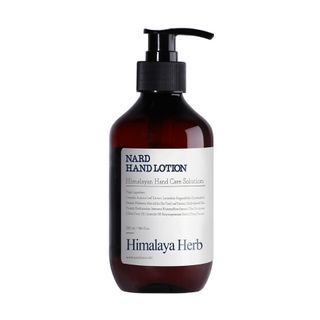
“A nourishing hand lotion formulated with Panthenol and Hyaloronic Acid that deliver intense moisture to the skin and keep the hands hydrated.”
This product can help improve hydration of the skin with the two types of ingredients.
The first type is called “humectants”:
these ingredients help attract water.
When humectants are on the surface of the skin, they “pull in” the moisture from the outside environment, or from
within deeper layers of the skin. The following ingredients in this product do the job:
glycerin, sodium hyaluronate.
This product also contains ingredients called “occlusives”. They help reduce the speed with which our skin loses moisture to the outside environment. These ingredients also help soften the upper layer of the skin, so it feels less tight and nicer to the touch. The following ingredients in this product do the job: dimethiconol, squalene.
The following ingredients in this product are especially good for supporting the skin barrier and helping with the hydration level: paraffinum liquidum
Anti-oxidationNot advertised by the brand · 5 ingredients credited for this claimModerate support
This product contains antioxidants (squalene) that might be able to help neutralize free radicals in skin to lessen the damage it gets from the UV light (sun). There is not enough evidence to confirm their effectiveness in skin though.
Anti-agingNot advertised by the brand · 3 ingredients credited for this claimModerate support
This product contains centella asiatica leaf extract. This ingredient might be able to help reduce and prevent fine lines and wrinkles, improve skin elasticity and firmness, but there is not enough evidence that it actually works.
Can it cause trouble?
Irritancy12 strong irritants: Sorbitan sesquioleate, Lavandula angustifolia extract + 10 more — patch-test recommendedHigh risk
Comedogenic4 ingredients rated 2 or more on the 0–5 pore-clogging scale4 flagged


User reviews
Be the first — your take helps the next person decide.
Ingredients
Filter by role to see what each ingredient is doing.
Water~45–55%
Dipropylene glycol~6.6–8%
- Irritation risk
- Low
Helps to dissolve other ingredients in a formulation. Slows down the rate of product drying
More about Dipropylene glycolGlycerin~4.2–5.2%
- Irritation risk
- Low
One of the best moisturizing ingredients. Naturally present in skin. It attracts water to the upper layer of the skin working as a humectant
More about GlycerinParaffinum liquidum~3.3–4%
- Irritation risk
- Low
Mineral oil. One of the most effective and well studied occlusive and emollient moisturizing ingredients. Helps reduce moisture loss in skin and repair skin barrier function
More about Paraffinum liquidumCyclopentasiloxane~2.4–3%
- Irritation risk
- Low
A silicone that helps improve the product texture and spreadability. Can absorb oil creating a short-term mattifying effect on the skin
More about CyclopentasiloxaneGlyceryl stearate se~2–2.4%
- Irritation risk
- Low
- Comedogenicity
- 2/5
Used to stabilize the product formulations and works as an emollient
More about Glyceryl stearate seCetearyl alcohol~1.7–2.1%
- Irritation risk
- Low
- Comedogenicity
- 2/5
A non-drying alcohol. Works as an emollient. Helps water and oil mix together and creates a nice product texture
More about Cetearyl alcoholPolysorbate 60~1.4–1.8%
Cyclohexasiloxane~1.2–1.5%
- Irritation risk
- Low
A silicone that serves as an emollient. Helps create a nice non-greasy feels
More about CyclohexasiloxanePeg-100 stearate~1–1.3%
- Irritation risk
- Low
Helps oil and water mix togehter and creates a nice product texture
More about Peg-100 stearatePhenoxyethanol~0.65–0.95%
- Irritation risk
- Low
A preservative. It helps prevent bacterial growth in cosmetic products
More about PhenoxyethanolPalmitic acid~0.6–0.95%
- Irritation risk
- Low
An emollient that is naturally present in skin and helps soften it
More about Palmitic acidStearic acid~0.65–0.95%
- Irritation risk
- Low
Helps oil and water mix together and works as an emollient
More about Stearic acidSorbitan sesquioleate~0.5–0.7%
- Irritation risk
- High
Used to help oil and water mix together. Can be irritating
More about Sorbitan sesquioleateCarbomer~0.45–0.65%
- Irritation risk
- Low
Helps create a thicker or gel-like product texture. It is not a surfactant but can be used in gentle cleansing formulations
More about CarbomerTriethanolamine~0.45–0.65%
- Irritation risk
- Medium
Used to adjust pH of the product and can help improve the product's smell
More about TriethanolamineOlea europaea fruit oil~0.45–0.65%
- Irritation risk
- Medium
An emollient that helps soften the skin but is not effective for restoring its barrier function. Might be helpful to calm down inflammation
More about Olea europaea fruit oilButyrospermum parkii butter~0.45–0.65%
- Irritation risk
- Low
- Comedogenicity
- 3/5
A great moisturising ingredient that softens the skin and reduces water loss from its upper layer. It also can be helpful in protecting skin from free radicals
More about Butyrospermum parkii butterSqualene~0.4–0.6%
- Irritation risk
- Low
- Comedogenicity
- 2/5
An oil that is naturally part of skin sebum that helps to soften its upper layer, reduce water loss and neutralize free radicals. It might be comedogenic. Avoid applying large concentrations (or pure oil) before sun exposure as oxidized squalene can clog pores and lead to skin irritation. Today squalene is mostly derived from vegetable oils or synthetized by yeast
More about SqualeneDimethiconol~0.35–0.6%
- Irritation risk
- Low
A silicone that makes products more spreadable and keeps skin smooth. Helps to add gloss to skin and may visually fill in fine lines/wrinkles for short time
More about DimethiconolButylene glycol~0.3–0.5%
- Irritation risk
- Low
Used to create a nice product texture and help delivery of other ingredients. Might be somewhat helpful in attracting water to the upper layer of the skin
More about Butylene glycolEthylhexylglycerin~0.25–0.5%
Panthenol~0.25–0.45%
- Irritation risk
- Low
Helps attract water to the upper layer of the skin and can help improve skin barrier function
More about PanthenolTocopheryl acetate~0.25–0.5%
- Irritation risk
- Medium
A more stable but less bio-available form of vitamin E compared to Tocopherol. Might help moisturize and protect the skin from free radicals, but mostly used in low concentrations to stabilize other ingredients.
More about Tocopheryl acetateXanthan gum~0.25–0.5%
- Irritation risk
- Low
Used to create a thicker product consistency
More about Xanthan gumDisodium edta~0.25–0.45%
Camellia sinensis leaf extract~0.25–0.5%
- Irritation risk
- Low
Can contain potent anti-oxidant compounds (abbreviated ECG, GCG, EGC, and EGCG) that might help protect the skin from free radicals. Can help calm down inflammation and has some anti-bacterial properties. Unfortunately, these antioxidants are unstable and lose their effectiveness very quickly in products. The concentration of the antioxidant compounds in the extract also tends to be low to be effective in topical formulation
More about Camellia sinensis leaf extractCentella asiatica leaf extract~0.25–0.45%
- Irritation risk
- Medium
A plant extract that has been shown to be able to reduce inflammation in skin, support restoration of skin barrier function, as well as support collagen production. It can be irritating to sensitive skin. Might be helpful in preventing stretch marks. It could, however, itself be irritating.
More about Centella asiatica leaf extract1,2-hexanediol~0.25–0.45%
Nymphaea alba flower extract~0.25–0.45%
- Irritation risk
- Low
Lavandula angustifolia extract~0.25–0.45%
- Irritation risk
- High
Used for fragrance and contains volatile compounds that can irritate the skin
More about Lavandula angustifolia extractMelaleuca alternifolia leaf extract~0.2–0.4%
- Irritation risk
- High
An essential oil that can be irritating. Has some anti-bacterial properties
More about Melaleuca alternifolia leaf extractPortulaca oleracea extract~0.25–0.45%
- Irritation risk
- Medium
A plant extract that has some anti-oxidant activity, but solid research is lacking. Can help attract water to the upper layer of the skin
More about Portulaca oleracea extractSodium hyaluronate~0.25–0.45%
- Irritation risk
- Low
One of the best moisturizing ingredients. Attracts water into the upper layer of the skin
More about Sodium hyaluronateHydrogenated lecithin~0.25–0.5%
- Irritation risk
- Low
Helps to retain moisture by creating a protective barrier on the skin. Rich in fatty acids. Improves product texture and helps with the penetration of other ingredients.
More about Hydrogenated lecithinCaprylyl glycol~0.25–0.5%
- Irritation risk
- Medium
Helps preserve products and creates a nice product texture
More about Caprylyl glycolNardostachys jatamansi rhizome/root extract~0.25–0.45%
- Irritation risk
- Low
Parfum~0.2–0.35%
- Irritation risk
- High
An aromatic blend of unspecified and possibly irritating ingredients
More about ParfumBenzyl salicylate~0.2–0.35%
Citronellol~0.15–0.3%
Limonene~0.15–0.3%
- Irritation risk
- High
A common frangrance that can easily irritate skin, especially if exposed to air, light or heat
More about LimoneneGeraniol~0.15–0.25%
Hexyl cinnamal~0.15–0.3%
Hydroxycitronellal~0.15–0.25%
- Irritation risk
- High
A fragrance. A likely allergen and can be irritating
More about HydroxycitronellalLinalool~0.1–0.15%
Butylphenyl methylpropional~0.1–0.15%
- Irritation risk
- High
A fragrance. Can trigger allergic reactions and be irritating
More about Butylphenyl methylpropionalIngredient list view
Water, Dipropylene glycol, Glycerin, Paraffinum liquidum, Cyclopentasiloxane, Glyceryl stearate se, Cetearyl alcohol, Polysorbate 60, Cyclohexasiloxane, Peg-100 stearate, Phenoxyethanol, Palmitic acid, Stearic acid, Sorbitan sesquioleate, Carbomer, Triethanolamine, Olea europaea fruit oil, Butyrospermum parkii butter, Squalene, Dimethiconol, Butylene glycol, Ethylhexylglycerin, Panthenol, Tocopheryl acetate, Xanthan gum, Disodium edta, Camellia sinensis leaf extract, Centella asiatica leaf extract, 1,2-hexanediol, Nymphaea alba flower extract, Lavandula angustifolia extract, Melaleuca alternifolia leaf extract, Portulaca oleracea extract, Sodium hyaluronate, Hydrogenated lecithin, Caprylyl glycol, Nardostachys jatamansi rhizome/root extract, Parfum, Benzyl salicylate, Citronellol, Limonene, Geraniol, Hexyl cinnamal, Hydroxycitronellal, Linalool, Butylphenyl methylpropional
Compare prices
Retailers ranked by price — lowest first.

Affiliate links · prices updated regularly
Worth comparing, line by line.
Match % combines shared ingredients, the first five ingredients, shared actives and hero ingredients, irritancy (lower counts in the alternative's favour), texture and body area. Only products in the same routine step are compared.
| NARDHand LotionYOUR PRODUCT | UNICATFortune Cat Hand Cream Vanilla | KoseX-Barrier Repair Hand Cream | NeutrogenaNorwegian Formula Hand and Nail Cream | |
|---|---|---|---|---|
| Match | — | 55% | 55% | 54% |
| Price | $31.50 | $8.40−$23.10 | $21.20−$10.30 | $3.08−$28.42 |
| Shared key ingredients | — | 5 of 10 | 3 of 10 | 3 of 10 |
| Key difference | — | Phytosphingosine | Dimethicone | Petrolatum |
| Irritancy | High | Medium | Low | Medium |
| Drying alcohol | — | — | — | — |
| View product | Shop | Shop | Shop |


Product summary
"NARD - Hand Lotion" has a good moisturizing formula. To work well, any moisturizer needs to include a combination of water-binding and emollient ingredients. NARD - Hand Lotion ticks this box. Glycerin, sodium hyaluronate, butylene glycol, caprylyl glycol and portulaca oleracea extract in this product (humectants) attract water molecules to the upper layer of the skin (the water comes from the outside air or from the deeper layers of the skin if the air is dry). Emollients in this formulation (paraffinum liquidum, dimethiconol, squalene, cetearyl alcohol and cyclopentasiloxane) help to reduce the moisture loss from the skin. They also soften the skin surface and relieve the feeling of dryness and tightness.
This product contains ingredients that could be beneficial, but their concentrations are too low in this formulation: butyrospermum parkii butter and stearic acidIrritation risk
This moisturizer contains a bunch of common irritants, including ingredients that do not provide any known benefit for the skin. It might not be the best choice if your skin is sensitive. We assess the overall irritancy of this moisturizer to be high. For a detailed overview of all potential irritants: click here
You can see the detailed formula review with the breakdown of all actives in the product and the full ingredient list with estimated concentrations in the tables below.
Price
The product retails for 31.50$ in the United States.
For a detailed price comparison: click here.
Sources cited in this review
Every concentration estimate and effectiveness label is anchored to one of these 16 studies and safety reviews.
- 1
- 2A review on the extensive skin benefits of mineral oilncbi.nlm.nih.gov
- 3
- 4Use of “natural” oils for moisturization: Review of olive, coconut, and sunflower seed oilonlinelibrary.wiley.com
- 5Squalene and its potential clinical useseuropepmc.org
- 6

Affiliate links · As an Amazon Associate, WIMJ earns from qualifying purchases.