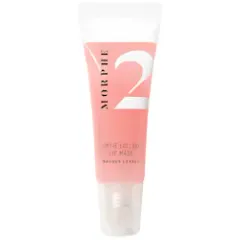
Works for:
based on ingredients and %- Moisturizing
Can it cause trouble?
- Irritation risk: high
- Comedogenic risk ingredients: 2
Key actives

Works for
Moisturizing
What does the product description say?
Watermelon and hibiscus extracts help to nourish.
Source: Ulta
This product can help soften the skin and reduce its moisture loss with emollients and occlusives: squalane, astrocaryum murumuru seed butter.
Keep in mind that this product does not contain effective ingredients to attract water to the upper layer of the skin. This is why an additional product with humectants like glycerin or hyaluronic acid can be helpful (apply it before this product for the best results).
An oil naturally present in skin. Works as an emollient to soften the skin and form a protective layer on its surface without a greasy feeling.
Helps soften the upper layer of the skin. Could be comedogenic due to the myrisic acid content
Helps to soften the upper layer of the skin
Used to improve the product consistency and soften the upper layer of the skin
Helps soften the upper layer of the skin and create a nice product consistency
Can have some moisturizing properties due to its sugar content
A great moisturising ingredient that softens the skin and reduces water loss from its upper layer. It also can be helpful in protecting skin from free radicals
Pure form of vitamin E. Can help moisturise and protect the skin from free radicals. Often used to help stabilise other ingredients or the formula itself
Used to add a nice rose smell to the product. Might help attract water to the upper layer of the skin and have some anti-oxidant effect. Can be irritating
Can contain potent anti-oxidant compounds (abbreviated ECG, GCG, EGC, and EGCG) that might help protect the skin from free radicals. Can help calm down inflammation and has some anti-bacterial properties. Unfortunately, these antioxidants are unstable and lose their effectiveness very quickly in products. The concentration of the antioxidant compounds in the extract also tends to be low to be effective in topical formulation
How honest is this product?
| Promise | Can it deliver? |
|---|---|
| Moisturizing |
Total Promises Fulfilled score: 75/100.
We receive a small commission for purchases made through these links at no cost for you. Thank you for your support! Learn more
Potential irritants
Comedogenic ingredients
User reviews (0)
Averages from community submissions.
No reviews yet for this product.
Be the first to share your experience!
Tried this product?
Help capture what the ingredient list can't—texture, finish, pilling, scent, and more. Answer what you can, skip the rest.
Takes ~30 seconds.
Reviews are shown in aggregate. No personal details.
Key Actives
Can contain potent anti-oxidant compounds (abbreviated ECG, GCG, EGC, and EGCG) that might help protect the skin from free radicals. Can help calm down inflammation and has some anti-bacterial properties. Unfortunately, these antioxidants are unstable and lose their effectiveness very quickly in products. The concentration of the antioxidant compounds in the extract also tends to be low to be effective in topical formulation
Pure form of vitamin E. Can help moisturise and protect the skin from free radicals. Often used to help stabilise other ingredients or the formula itself
A great moisturising ingredient that softens the skin and reduces water loss from its upper layer. It also can be helpful in protecting skin from free radicals
An oil naturally present in skin. Works as an emollient to soften the skin and form a protective layer on its surface without a greasy feeling.
Helps soften the upper layer of the skin. Could be comedogenic due to the myrisic acid content
Works as a UV filter when used in high concentrations. It is photostable and is effective mostly against the UVB light, with some protection in the UVA range. In small concentrations, used for its ability to improve the color of cosmetic products. Is usually well tolerated by the skin
Potential irritants
A plant extract that can be irritating. It might contain a compound anthocyanin that could be helpful in neutralizing free radicals
A fruit extact. Might have some anti-oxidant properties
A plant extract used as a fragrance. Can be irritating
Used to add a nice rose smell to the product. Might help attract water to the upper layer of the skin and have some anti-oxidant effect. Can be irritating
Helps soften the upper layer of the skin and create a nice product consistency
Helps to create a thicker product consistency
Helps soften the upper layer of the skin. Could be comedogenic due to the myrisic acid content
A plant extract that can contain an antioxidant compound
Can work as an exfoliant but is typically used to adjust the product pH
Can have some moisturizing properties due to its sugar content
Comedogenic ingredients
A great moisturising ingredient that softens the skin and reduces water loss from its upper layer. It also can be helpful in protecting skin from free radicals
All ingredients
Used to improve the product consistency and soften the upper layer of the skin
Helps soften the upper layer of the skin and create a nice product consistency
Used to create a thicker product consistency
Helps to create a thicker product consistency
Used to create a gel-like product texture
An oil naturally present in skin. Works as an emollient to soften the skin and form a protective layer on its surface without a greasy feeling.
A great moisturising ingredient that softens the skin and reduces water loss from its upper layer. It also can be helpful in protecting skin from free radicals
Helps soften the upper layer of the skin. Could be comedogenic due to the myrisic acid content
A plant extract that can contain an antioxidant compound
A plant extract that can be irritating. It might contain a compound anthocyanin that could be helpful in neutralizing free radicals
Pure form of vitamin E. Can help moisturise and protect the skin from free radicals. Often used to help stabilise other ingredients or the formula itself
Can work as an exfoliant but is typically used to adjust the product pH
Can have some moisturizing properties due to its sugar content
A fruit extact. Might have some anti-oxidant properties
A plant extract used as a fragrance. Can be irritating
Used to add a nice rose smell to the product. Might help attract water to the upper layer of the skin and have some anti-oxidant effect. Can be irritating
Can contain potent anti-oxidant compounds (abbreviated ECG, GCG, EGC, and EGCG) that might help protect the skin from free radicals. Can help calm down inflammation and has some anti-bacterial properties. Unfortunately, these antioxidants are unstable and lose their effectiveness very quickly in products. The concentration of the antioxidant compounds in the extract also tends to be low to be effective in topical formulation
Works as a UV filter when used in high concentrations. It is photostable and is effective mostly against the UVB light, with some protection in the UVA range. In small concentrations, used for its ability to improve the color of cosmetic products. Is usually well tolerated by the skin
Ingredient list view
Hydrogenated polyisobutene, Diisostearyl malate, Hexyl laurate, Dextrin palmitate, Ethylene/propylene/styrene copolymer, Hydrogenated styrene/isoprene copolymer, Sucrose tetrastearate triacetate, Butylene/ethylene/styrene copolymer, Water, Bht, Squalane, Butyrospermum parkii butter, Astrocaryum murumuru seed butter, Citrullus lanatus fruit extract, 1,2-hexanediol, Hibiscus sabdariffa flower extract, Tocopherol, Citric acid, Pyrus communis fruit extract, Prunus persica fruit extract, Vanilla planifolia fruit extract, Rosa damascena flower water, Hedera helix leaf/stem extract, Camellia sinensis leaf extract, Titanium dioxide, Ci 77891, Ci 19140, Ci 45410
- Final report of the cosmetic ingredient review expert panel on the safety assessment of Polyisobutene and Hydrogenated Polyisobutene as used in cosmetics
- Safety Assessment of Polysaccharide Gums as Used in Cosmetics
- Safety Assessment of Styrene and Vinyl-type Styrene Copolymers as Used in Cosmetics
- AMAZON RAINFOREST COSMETICS: CHEMICAL APPROACH FOR QUALITY CONTROL
- Analyzing Lycopene Content in Fruits
- The influence of alkane chain length on the skin irritation potential of 1,2-alkanediols
- Anthocyanin-rich extract from Hibiscus sabdariffa calyx counteracts UVC-caused impairments in rats
- Hibiscus sabdariffa L. – A phytochemical and pharmacological review
- Liposome-containing Hibiscus sabdariffa calyx extract formulations with increased antioxidant activity, improved dermal penetration and reduced dermal toxicity
- Vitamin E in dermatology
- Vitamin E and Skin Health
- Annex I: Clinical evidence regarding sensitisation to individual fragrance chemicals and to natural extracts
- Analysis of Dyes in Cosmetics: Challenges and Recent Developments
- Scientific Committee on Consumer Safety Opinion on Acid Red 92