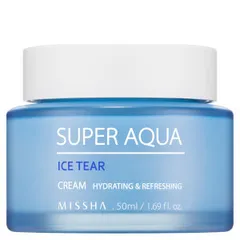
Works for:
based on ingredients and %- Moisturizing
- Exfoliation
Doesn't work for:
based on ingredients and %- Anti-aging
Can it cause trouble?
- Irritation risk: high
- Comedogenic risk ingredients: 3
Key actives

Exfoliation
This product can help exfoliate the skin. In other words, it helps break down the bonds between dead cells on the surface of the skin and speed up the skin turnover. Skin often appears softer and brighter after exfoliation, but overdoing it can result in disrupted skin barrier. The following ingredient is doing the exfoliating job in this product: hydroxyethyl urea.
A derivative of urea, a compound that is naturally present in skin. Attracts water to the upper layer of the skin. Can enhance penetration of other ingredients
An exfoliating and moisturizing alpha-hydroxy acid (AHA). Typically causes less irritation than other AHAs, for example, glycolic acid. At high concentrations (about 15%), lactic acid can help reduce lines and wrinkles. Recent studies show that lactic acid can support the "good" bacteria living on skin's surface (healthy skin microbiome)
Moisturizing
What does the product description say?
Skin is left soft, moist and rejuvenated.
Source: Lookfantastic US
This product can help improve hydration of the skin with the two types of ingredients.
The first type is called “humectants”:
these ingredients help attract water.
When humectants are on the surface of the skin, they “pull in” the moisture from the outside environment, or from
within deeper layers of the skin. The following ingredients in this product do the job:
glycerin, glyceryl acrylate/acrylic acid copolymer.
This product also contains ingredients called “occlusives”. They help reduce the speed with which our skin loses moisture to the outside environment. These ingredients also help soften the upper layer of the skin, so it feels less tight and nicer to the touch. The following ingredients in this product do the job: caprylic/capric triglyceride, dimethiconol.
A good mix of fatty acids that forms a protective layer on the skin. Improves the shelf life of products. Derived from coconut and glycerin
One of the best moisturizing ingredients. Naturally present in skin. It attracts water to the upper layer of the skin working as a humectant
Helps attract water to the upper layer of the skin and provide a longer-lasting hydration. Can create a thicker product consistency
A derivative of urea, a compound that is naturally present in skin. Attracts water to the upper layer of the skin. Can enhance penetration of other ingredients
A silicone that makes products more spreadable and keeps skin smooth. Helps to add gloss to skin and may visually fill in fine lines/wrinkles for short time
A silicone that helps improve the product texture and spreadability. Can absorb oil creating a short-term mattifying effect on the skin
Used to create a thicker product texture. Helps soften the upper layer of the skin and might be able to prevent moisture loss from its surface
An algae extract. Might help to attract water to the upper layer of the skin and have an anti-oxidant effect
Helps preserve products and creates a nice product texture
Used to preserve products, dissolve other ingredients and create a nice product texture
Used to create a nice product texture and help delivery of other ingredients. Might be somewhat helpful in attracting water to the upper layer of the skin
An exfoliating and moisturizing alpha-hydroxy acid (AHA). Typically causes less irritation than other AHAs, for example, glycolic acid. At high concentrations (about 15%), lactic acid can help reduce lines and wrinkles. Recent studies show that lactic acid can support the "good" bacteria living on skin's surface (healthy skin microbiome)
A seaweed extract that contains sugars and can be helpful in attracting water to the upper layers of the skin if used in high enough concentrations
Seaweed extract that helps the skin to attract water and make it more smooth for touch. Also shows promise of anti-aging properties, but good research is lacking at the moment
Anti-aging
What does the product description say?
Packed with calcium, magnesium and other minerals, the super-refreshing cream plumps the skin, softening the appearance of lines and wrinkles.
Source: Lookfantastic US
Effective ingredients missing or their concentration is too low.
An exfoliating and moisturizing alpha-hydroxy acid (AHA). Typically causes less irritation than other AHAs, for example, glycolic acid. At high concentrations (about 15%), lactic acid can help reduce lines and wrinkles. Recent studies show that lactic acid can support the "good" bacteria living on skin's surface (healthy skin microbiome)
A seaweed extract that contains sugars and can be helpful in attracting water to the upper layers of the skin if used in high enough concentrations
Seaweed extract that helps the skin to attract water and make it more smooth for touch. Also shows promise of anti-aging properties, but good research is lacking at the moment
How honest is this product?
| Promise | Can it deliver? |
|---|---|
| Moisturizing | |
| Anti-aging |
Total Promises Fulfilled score: 37/100.
We receive a small commission for purchases made through these links at no cost for you. Thank you for your support! Learn more
Potential irritants
Comedogenic ingredients
User reviews (0)
Averages from community submissions.
No reviews yet for this product.
Be the first to share your experience!
Tried this product?
Help capture what the ingredient list can't—texture, finish, pilling, scent, and more. Answer what you can, skip the rest.
Takes ~30 seconds.
Reviews are shown in aggregate. No personal details.
Key Actives
A silicone that helps improve the product texture and spreadability. Can absorb oil creating a short-term mattifying effect on the skin
A derivative of urea, a compound that is naturally present in skin. Attracts water to the upper layer of the skin. Can enhance penetration of other ingredients
One of the best moisturizing ingredients. Naturally present in skin. It attracts water to the upper layer of the skin working as a humectant
A good mix of fatty acids that forms a protective layer on the skin. Improves the shelf life of products. Derived from coconut and glycerin
A silicone that makes products more spreadable and keeps skin smooth. Helps to add gloss to skin and may visually fill in fine lines/wrinkles for short time
Helps attract water to the upper layer of the skin and provide a longer-lasting hydration. Can create a thicker product consistency
Potential irritants
Can be drying and contribute to skin irritation. Used in formulars to dissolve other ingredients, create a thinner product consistency or for its antibacterial properties
An aromatic blend of unspecified and possibly irritating ingredients
A good mix of fatty acids that forms a protective layer on the skin. Improves the shelf life of products. Derived from coconut and glycerin
Used to preserve products, dissolve other ingredients and create a nice product texture
A gelling agent that thickens the product consistency and leaves the skin with a velvety finish
Helps preserve products and creates a nice product texture
Helps attract water to the upper layer of the skin and provide a longer-lasting hydration. Can create a thicker product consistency
An exfoliating and moisturizing alpha-hydroxy acid (AHA). Typically causes less irritation than other AHAs, for example, glycolic acid. At high concentrations (about 15%), lactic acid can help reduce lines and wrinkles. Recent studies show that lactic acid can support the "good" bacteria living on skin's surface (healthy skin microbiome)
Can work as an exfoliant but is typically used to adjust the product pH
Comedogenic ingredients
Seaweed extract that helps the skin to attract water and make it more smooth for touch. Also shows promise of anti-aging properties, but good research is lacking at the moment
A seaweed extract that contains sugars and can be helpful in attracting water to the upper layers of the skin if used in high enough concentrations
An algae extract. Might help to attract water to the upper layer of the skin and have an anti-oxidant effect
All ingredients
One of the best moisturizing ingredients. Naturally present in skin. It attracts water to the upper layer of the skin working as a humectant
A silicone that helps improve the product texture and spreadability. Can absorb oil creating a short-term mattifying effect on the skin
Helps to dissolve other ingredients in a formulation. Slows down the rate of product drying
Can be drying and contribute to skin irritation. Used in formulars to dissolve other ingredients, create a thinner product consistency or for its antibacterial properties
Used to create a nice product texture and help delivery of other ingredients. Might be somewhat helpful in attracting water to the upper layer of the skin
A good mix of fatty acids that forms a protective layer on the skin. Improves the shelf life of products. Derived from coconut and glycerin
Used to preserve products, dissolve other ingredients and create a nice product texture
A non-drying alcohol that helps stabilize product formulations
A gelling agent that thickens the product consistency and leaves the skin with a velvety finish
A derivative of urea, a compound that is naturally present in skin. Attracts water to the upper layer of the skin. Can enhance penetration of other ingredients
Helps create a thicker or gel-like product texture. It is not a surfactant but can be used in gentle cleansing formulations
A preservative. It helps prevent bacterial growth in cosmetic products
Helps preserve products and creates a nice product texture
A silicone that makes products more spreadable and keeps skin smooth. Helps to add gloss to skin and may visually fill in fine lines/wrinkles for short time
An aromatic blend of unspecified and possibly irritating ingredients
Helps attract water to the upper layer of the skin and provide a longer-lasting hydration. Can create a thicker product consistency
Used to create a thicker product texture. Helps soften the upper layer of the skin and might be able to prevent moisture loss from its surface
Dissolves other ingredients. It does not have additional skin benefits compared to plain water
Seaweed extract that helps the skin to attract water and make it more smooth for touch. Also shows promise of anti-aging properties, but good research is lacking at the moment
A seaweed extract that contains sugars and can be helpful in attracting water to the upper layers of the skin if used in high enough concentrations
An algae extract. Might help to attract water to the upper layer of the skin and have an anti-oxidant effect
A plant extract that might have an anti-oxidant effect and help even out skin tone, but solid evidence of effectiveness is lacking
An exfoliating and moisturizing alpha-hydroxy acid (AHA). Typically causes less irritation than other AHAs, for example, glycolic acid. At high concentrations (about 15%), lactic acid can help reduce lines and wrinkles. Recent studies show that lactic acid can support the "good" bacteria living on skin's surface (healthy skin microbiome)
Can work as an exfoliant but is typically used to adjust the product pH
Ingredient list view
Water, Glycerin, Cyclopentasiloxane, Dipropylene glycol, Alcohol, Butylene glycol, Decyl cocoate, Caprylic/capric triglyceride, Pentylene glycol, C14-22 alcohols, Silica, Hydroxyethyl acrylate/sodium acryloyldimethyl taurate copolymer, Hydroxyethyl urea, Carbomer, Polysorbate 60, Tromethamine, Phenoxyethanol, Raffinose, Caprylyl glycol, C12-20 alkyl glucoside, Dimethiconol, Parfum, Glyceryl acrylate/acrylic acid copolymer, Dimethicone crosspolymer, 1,2-hexanediol, Disodium edta, Ethylhexylglycerin, Sea water, Mesembryanthemum crystallinum extract, Laminaria digitata extract, Laminaria saccharina extract, Spirulina platensis extract, Nelumbo nucifera flower extract, Prunus mume fruit extract, Lactic acid, Citric acid
- Glycerol and the skin: holistic approach to its origin and functions
- Safety Assessment of Hydroxyethyl Urea As Used in Cosmetics
- Safety Assessment of Tromethamine as Used in Cosmetics
- Contact dermatitis caused by alkyl glucosides in the modern cosmetic industry and contact dermatitis in the Canadian aircraft industry
- Safety Assessment of Decyl Glucoside and Other Alkyl Glucosides as Used in Cosmetics
- The influence of alkane chain length on the skin irritation potential of 1,2-alkanediols
- Safety Assessment of Brown Algae-Derived Ingredients as Used in Cosmetics
- The effect of laminaria saccharina extract on suppressing pigmentation in in-vitro system
- Spirulina for Skin Care: A Bright Blue Future
- Fermented Maesil (Prunus mume) with probiotics inhibits development of atopic dermatitis‐like skin lesions in NC/Nga mice
- Epidermal and dermal effects of topical lactic acid
- Dual Effects of Alpha-Hydroxy Acids on the Skin