Works for:
based on ingredients and %- Cleansing
Can it cause trouble?
- Irritation risk: medium
- Comedogenic risk ingredients: 2
Key actives

Works for
Cleansing
What does the product description say?
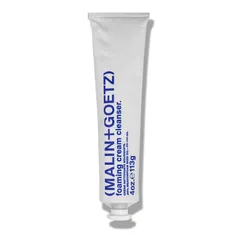
Foaming Cream Cleanser
Source: From product name
This product works by removing dirt and oil from the surface of the skin. It uses a combination of mild cleansing agents (glyceryl caprylate, glyceryl undecylenate, glycol distearate, lauric acid, myristic acid, polyglyceryl-3 methylglucose distearate, sodium methyl cocoyl taurate, stearic acid, sucrose cocoate, xanthan gum) and should be able to cleanse the skin gently. Still keep in mind that any cleansing can disrupt the skin barrier, and most people do not need to cleanse their skin more than once per day.
Even though this formulation is mild, the following cleansing agents could trigger an irritation or allergy for some people: sodium methyl cocoyl taurate
An emollient that can also help water and oil mix together, as well as prevent bacteria growth in products
Helps oil and water mix together and helps preserve the product formulation
Helps water and oil mix together
Helps water and oil mix together. Has anti-bacterial properties that might be helpful in preventing blemishes
Helps oil and water mix together. Could be comedogenic
Helps water and oil mix together
Helps oil and water mix together. Can be used as cleansing agent
Helps oil and water mix together and works as an emollient
Used to create a thicker product consistency
How honest is this product?
| Promise | Can it deliver? |
|---|---|
| Cleansing |
Total Promises Fulfilled score: 100/100.
We receive a small commission for purchases made through these links at no cost for you. Thank you for your support! Learn more
Potential irritants
Comedogenic ingredients
User reviews (0)
Averages from community submissions.
No reviews yet for this product.
Be the first to share your experience!
Tried this product?
Help capture what the ingredient list can't—texture, finish, pilling, scent, and more. Answer what you can, skip the rest.
Takes ~30 seconds.
Reviews are shown in aggregate. No personal details.
Key Actives
This oil's cmposition is closest to rapeseed oil. It is a very stable oil and serves as an emoillient
Helps water and oil mix together. Has anti-bacterial properties that might be helpful in preventing blemishes
Helps oil and water mix together and works as an emollient
Helps attract water to the upper layer of the skin. Is claimed to support the growth of "good" bacteria in skin (as a "prebiotic"), but the research is lacking
An emollient that helps soften the skin
An emollient that can also help water and oil mix together, as well as prevent bacteria growth in products
Helps oil and water mix together and helps preserve the product formulation
Helps oil and water mix together. Can be used as cleansing agent
Helps water and oil mix together
One of the best moisturizing ingredients. Naturally present in skin. It attracts water to the upper layer of the skin working as a humectant
Softens the upper layer of skin and helps restore the healthy skin barrier. Has shown to help calm down inflammation in skin. It is a stable oil, meaning that it retains its properties even when exposed to air.
Naturally present in skin and helps to attract water to its upper layer
Helps oil and water mix together. Could be comedogenic
Helps attract water to the upper layer of the skin
One of the best moisturizing ingredients. Attracts water into the upper layer of the skin
Used to create a thicker product consistency
Potential irritants
Helps oil and water mix together. Can be used as cleansing agent
Used to stabilize product formulation, help create an even product layer over skin (for example, in sunscreen) and create a thicker product consistency
Softens the upper layer of skin and helps restore the healthy skin barrier. Has shown to help calm down inflammation in skin. It is a stable oil, meaning that it retains its properties even when exposed to air.
Helps water and oil mix together. Has anti-bacterial properties that might be helpful in preventing blemishes
Helps oil and water mix together. Could be comedogenic
A more stable but less bio-available form of vitamin E compared to Tocopherol. Might help moisturize and protect the skin from free radicals, but mostly used in low concentrations to stabilize other ingredients.
Used to improve stability of the formulation
A preservative that comes from radishes fermented by a bacteria. New research suggests that the preservation properties in the ingredient come from an ammonium salt that is not present naturally in radish root but used in its cultivation. Is problematic because the exact amount of the preservative agents is difficult to determine
Helps oil and water mix together and helps preserve the product formulation
Comedogenic ingredients
Helps water and oil mix together. Has anti-bacterial properties that might be helpful in preventing blemishes
Helps oil and water mix together. Could be comedogenic
All ingredients
Helps oil and water mix together. Can be used as cleansing agent
One of the best moisturizing ingredients. Naturally present in skin. It attracts water to the upper layer of the skin working as a humectant
Used to stabilize product formulation, help create an even product layer over skin (for example, in sunscreen) and create a thicker product consistency
Helps attract water to the upper layer of the skin. Is claimed to support the growth of "good" bacteria in skin (as a "prebiotic"), but the research is lacking
Softens the upper layer of skin and helps restore the healthy skin barrier. Has shown to help calm down inflammation in skin. It is a stable oil, meaning that it retains its properties even when exposed to air.
Naturally present in skin and helps to attract water to its upper layer
A "broth" with parts of dead cells of lactobacteria. Might be helpful supporting diverse microbiome in skin, but evidence is lacking
This oil's cmposition is closest to rapeseed oil. It is a very stable oil and serves as an emoillient
An emollient that can also help water and oil mix together, as well as prevent bacteria growth in products
Helps water and oil mix together. Has anti-bacterial properties that might be helpful in preventing blemishes
Helps oil and water mix together. Could be comedogenic
Helps attract water to the upper layer of the skin
Helps soften the upper layer of the skin and create a nice product finish
A more stable but less bio-available form of vitamin E compared to Tocopherol. Might help moisturize and protect the skin from free radicals, but mostly used in low concentrations to stabilize other ingredients.
Used to improve stability of the formulation
Acts as a solvent for other ingredients. Speeds up the absorption of other ingredients into the skin
A preservative that comes from radishes fermented by a bacteria. New research suggests that the preservation properties in the ingredient come from an ammonium salt that is not present naturally in radish root but used in its cultivation. Is problematic because the exact amount of the preservative agents is difficult to determine
Helps oil and water mix together and helps preserve the product formulation
One of the best moisturizing ingredients. Attracts water into the upper layer of the skin
Ingredient list view
Water, Sodium methyl cocoyl taurate, Polyglyceryl-3 methylglucose distearate, Glycerin, Acrylates copolymer, Glycol distearate, Sodium hydroxypropyl starch phosphate, Stearic acid, Sucrose cocoate, Inulin, Glycolipids, Simmondsia chinensis seed oil, Sodium pca, Lactobacillus ferment lysate, Limnanthes alba seed oil, Prunus armeniaca kernel oil, Glyceryl caprylate, 1,2-hexanediol, Ethylhexylglycerin, Lauric acid, Myristic acid, Sodium hydroxide, Alpha-glucan oligosaccharide, Polyquaternium-39, Caprylhydroxamic acid, Tocopheryl acetate, Trisodium ethylenediamine disuccinate, Propanediol, Leuconostoc/radish root ferment filtrate, Sodium benzoate, Glyceryl undecylenate, Sodium hyaluronate, Xanthan gum
- Safety Assessment of Alkyl Taurate Amides and Taurate Salts as Used in Cosmetics
- Glycerol and the skin: holistic approach to its origin and functions
- Final Report on the Safety Assessment of Acrylates Copolymer and 33 Related Cosmetic Ingredients
- Amended Safety Assessment of Acrylates Copolymers as Used in Cosmetics
- Probiotics and prebiotics potential for the care of skin, female urogenital tract, and respiratory tract