Works for:
based on ingredients and %- Cleansing
Can it cause trouble?
- Irritation risk: high
- Comedogenic risk ingredients: 1
Key actives

Works for
Cleansing
What does the product description say?
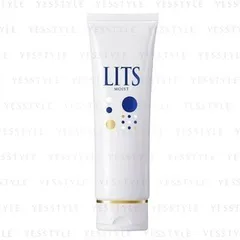
A cleansing face wash that does not require double cleansing, with a refreshing scent and smooth gel that feels good on the skin.
Source: Yesstyle
This product works by removing dirt and oil from the surface of the skin.
Keep in mind that cleansing can disrupt the skin barrier, and most people do not need to cleanse their skin more than once per day.
Helps create a thicker or gel-like product texture. It is not a surfactant but can be used in gentle cleansing formulations
Helps to retain moisture by creating a protective barrier on the skin. Rich in fatty acids. Improves product texture and helps with the penetration of other ingredients.
Helps oil and water mix together
Used to create a thicker product consistency
Used mostly for creating emulsions - helping oil and water mix together. Helps soften the upper layer of the skin
How honest is this product?
| Promise | Can it deliver? |
|---|---|
| Cleansing |
Total Promises Fulfilled score: 75/100.
We receive a small commission for purchases made through these links at no cost for you. Thank you for your support! Learn more
Potential irritants
Comedogenic ingredients
User reviews (0)
Averages from community submissions.
No reviews yet for this product.
Be the first to share your experience!
Tried this product?
Help capture what the ingredient list can't—texture, finish, pilling, scent, and more. Answer what you can, skip the rest.
Takes ~30 seconds.
Reviews are shown in aggregate. No personal details.
Key Actives
Used mostly for creating emulsions - helping oil and water mix together. Helps soften the upper layer of the skin
A typically plant-derived compound that is supposed mimic human collagen. Cannot penetrate the skin barrier so is not particularly useful in skincare products beyond attracting water to the upper layer of the skin
A good emollient that helps soften the skin and helps repair its barrier function. It can clog pores if used in high concentrations.
A typically plant-derived compound that is supposed mimic human collagen. Cannot penetrate the skin barrier so is not particularly useful in skincare products beyond attracting water to the upper layer of the skin
Helps to retain moisture by creating a protective barrier on the skin. Rich in fatty acids. Improves product texture and helps with the penetration of other ingredients.
Used to create a thicker product consistency
Helps create a thicker or gel-like product texture. It is not a surfactant but can be used in gentle cleansing formulations
One of the best moisturizing ingredients. Naturally present in skin. It attracts water to the upper layer of the skin working as a humectant
Potential irritants
A plant extract that can contain an irritating essential oil. Might have some anti-oxidant effect, but evidence is lacking
An enzyme extracted from papaya fruit. Can have an exfoliating effect on the skin. Can be irritating
A fruit extract that is used to add a fragrance to the product. It might have some antioxidant properties
A plant extract that has some anti-oxidant and anti-bacterial properties. Can be irritating
A plant extract that can be irritating. It can have some anti-bacterial properties, but there are no evidence of a beneficial effect for skin
Plant extract that can help neutralize free radicals in skin. Can be used as a fragrance. Can be irritating
A plant extract that might have antibacterial effect and help neutralize free radicals
A plant extract that might have anti-oxidant properties. Can be irritating
An essentil oil from orange peel. Potential allergen and can be irritating
A plant oil with a high content of volatile compounds that can irritate the skin and lead to allergic reactions. Can lead to photosensitivity
A good emollient that helps soften the skin and helps repair its barrier function. It can clog pores if used in high concentrations.
A gelling agent that thickens the product consistency and leaves the skin with a velvety finish
Maintains the texture of skincare products. Allows the product to spread evenly. Helps oil and water mix together
Used to stabilize product formulations and help soften the upper layer of the skin
Comedogenic ingredients
A good emollient that helps soften the skin and helps repair its barrier function. It can clog pores if used in high concentrations.
All ingredients
Used to create a nice product texture and help delivery of other ingredients. Might be somewhat helpful in attracting water to the upper layer of the skin
Helps to dissolve other ingredients in a formulation. Slows down the rate of product drying
Helps attract water to the upper layer of the skin and improves the product texture
A typically plant-derived compound that is supposed mimic human collagen. Cannot penetrate the skin barrier so is not particularly useful in skincare products beyond attracting water to the upper layer of the skin
A plant extract that can contain an irritating essential oil. Might have some anti-oxidant effect, but evidence is lacking
A good emollient that helps soften the skin and helps repair its barrier function. It can clog pores if used in high concentrations.
A typically plant-derived compound that is supposed mimic human collagen. Cannot penetrate the skin barrier so is not particularly useful in skincare products beyond attracting water to the upper layer of the skin
Helps to retain moisture by creating a protective barrier on the skin. Rich in fatty acids. Improves product texture and helps with the penetration of other ingredients.
An enzyme extracted from papaya fruit. Can have an exfoliating effect on the skin. Can be irritating
A fruit extract that is used to add a fragrance to the product. It might have some antioxidant properties
A plant extract that has some anti-oxidant and anti-bacterial properties. Can be irritating
A plant extract that can be irritating. It can have some anti-bacterial properties, but there are no evidence of a beneficial effect for skin
Plant extract that can help neutralize free radicals in skin. Can be used as a fragrance. Can be irritating
A plant extract that might have antibacterial effect and help neutralize free radicals
A plant extract that might have anti-oxidant properties. Can be irritating
Used mostly for creating emulsions - helping oil and water mix together. Helps soften the upper layer of the skin
An essentil oil from orange peel. Potential allergen and can be irritating
A plant oil with a high content of volatile compounds that can irritate the skin and lead to allergic reactions. Can lead to photosensitivity
A gelling agent that thickens the product consistency and leaves the skin with a velvety finish
Helps create a thicker or gel-like product texture. It is not a surfactant but can be used in gentle cleansing formulations
Maintains the texture of skincare products. Allows the product to spread evenly. Helps oil and water mix together
Used to stabilize product formulations and help soften the upper layer of the skin
One of the best moisturizing ingredients. Naturally present in skin. It attracts water to the upper layer of the skin working as a humectant
Used to create thicker product consistency and stabilize emulsions
A preservative. It helps prevent bacterial growth in cosmetic products
Ingredient list view
Water, Unknown, Butylene glycol, Dipropylene glycol, Polysorbate 60, Sorbitol, Malus domestica fruit cell culture extract, Hydrolyzed collagen, Zingiber officinale root extract, Glycine soja oil, Unknown, Unknown, Soluble collagen, Hydrogenated lecithin, Sericin, Papain, Passiflora alata fruit extract, Punica granatum fruit extract, Calendula officinalis flower extract, Arnica montana flower extract, Achillea millefolium extract, Hypericum perforatum extract, Unknown, Malva sylvestris flower extract, Centaurea cyanus flower extract, Salvia officinalis leaf extract, Equisetum arvense extract, Lecithin, Xanthan gum, Gold, Citrus aurantium dulcis peel oil, Citrus aurantium bergamia fruit oil, Citrus paradisi peel oil, Sorbeth-4 tetraoleate, Hydroxyethyl acrylate/sodium acryloyldimethyl taurate copolymer, Carbomer, Potassium hydroxide, Acrylates/c10-30 alkyl acrylate crosspolymer, Hydroxypropyl cyclodextrin, Unknown, Glycerin, Cellulose gum, Sodium bicarbonate, Phenoxyethanol
- Some phytochemical, pharmacological and toxicological properties of ginger (Zingiber officinale Roscoe): A review of recent research
- Topical application of Calendula officinalis (L.): Formulation and evaluation of hydrophilic cream with antioxidant activity
- The seamy side of natural medicines: contact sensitization to arnica (Arnica montana L.) and marigold (Calendula officinalis L.)
- Final report on the safety assessment of Calendula officinalis extract and Calendula officinalis
- Contact dermatitis as an adverse reaction to some topically used European herbal medicinal products – part 1: Achillea millefolium–Curcuma longa
- Effects of Topical Arnica Gel on Post-Laser Treatment Bruises
- Effects of microcurrent application alone or in combination with topical Hypericum perforatum L. and Arnica montana L. on surgically induced wound healing in Wistar rats
- The seamy side of natural medicines: contact sensitization to arnica (Arnica montana L.) and marigold (Calendula officinalis L.)
- Accelerated resolution of laser‐induced bruising with topical 20% arnica: a rater‐blinded randomized controlled trial
- Allergic contact dermatitis caused by Salvia officinalis extract
- Safety Assessment of Citrus-Derived Peel Oils as Used in Cosmetics
- Oxidized citrus oil (R-limonene): A frequent skin sensitizer in Europe
- Air oxidation increases skin irritation from fragrance terpenes
- Glycerol and the skin: holistic approach to its origin and functions