Works for
1 of 3 advertised claims delivered
Moisturizing10 ingredients credited for this claimStrong support
“Skin Care Concerns Home Skin Ceuticals Medical Skincare Dermatologist approved Teen & Pre-Teen Acne & Blemishes Fine Lines & Wrinkles Visible Pores Dark Circles & Puffiness Dull Skin Dry Skin Oily Skin Combination Skin Redness Pigmentation Dehydrated Skin Sensitive Skin”
This product can help improve hydration of the skin with the two types of ingredients.
The first type is called “humectants”:
these ingredients help attract water.
When humectants are on the surface of the skin, they “pull in” the moisture from the outside environment, or from
within deeper layers of the skin. The following ingredients in this product do the job:
glycerin, saccharide isomerate.
This product also contains ingredients called “occlusives”. They help reduce the speed with which our skin loses moisture to the outside environment. These ingredients also help soften the upper layer of the skin, so it feels less tight and nicer to the touch. The following ingredients in this product do the job: carthamus tinctorius seed oil, ribes nigrum seed oil.
The following ingredients in this product are especially good for supporting the skin barrier and helping with the hydration level: panthenol
Anti-aging2 ingredients credited for this claimLimited support
“Skin Care Concerns Home Skin Ceuticals Medical Skincare Dermatologist approved Teen & Pre-Teen Acne & Blemishes Fine Lines & Wrinkles Visible Pores Dark Circles & Puffiness Dull Skin Dry Skin Oily Skin Combination Skin Redness Pigmentation Dehydrated Skin Sensitive Skin”
This product does not contain ingredients that are able to reduce fine lines and wrinkles or help with skin elasticity, but it can improve the look of the skin temporarily through moisturization. Well-moisturized skin might also be able to repair the sun damage better.
Evens skin tone1 ingredient credited for this claimWeak support
“Skin Care Concerns Home Skin Ceuticals Medical Skincare Dermatologist approved Teen & Pre-Teen Acne & Blemishes Fine Lines & Wrinkles Visible Pores Dark Circles & Puffiness Dull Skin Dry Skin Oily Skin Combination Skin Redness Pigmentation Dehydrated Skin Sensitive Skin”
Effective ingredients missing or their concentration is too low
Can it cause trouble?
Irritancy10 strong irritants: Ocimum basilicum extract, Parfum + 8 more — patch-test recommendedHigh risk
ComedogenicClean of flagged comedogenic ingredientsNone flagged
User reviews
Be the first — your take helps the next person decide.
Ingredients
Filter by role to see what each ingredient is doing.
Ocimum basilicum extract~25–30%
- Irritation risk
- High
A plant extract mostly used as a fragrance. Can be irritating
More about Ocimum basilicum extractWater~13–16%
Carthamus tinctorius seed oil~6–7.3%
- Irritation risk
- Low
An emollient that helps soften the skin and might help calm down inflammation
More about Carthamus tinctorius seed oilGlycerin~3.8–4.7%
- Irritation risk
- Low
One of the best moisturizing ingredients. Naturally present in skin. It attracts water to the upper layer of the skin working as a humectant
More about GlycerinIsoamyl laurate~3.1–3.8%
- Irritation risk
- Medium
Helps stabilize emulsions and create a nice product texture
More about Isoamyl laurateParfum~2–2.5%
- Irritation risk
- High
An aromatic blend of unspecified and possibly irritating ingredients
More about ParfumMethyl methacrylate crosspolymer~2–2.4%
- Irritation risk
- Low
Helps thicken the product consistency
More about Methyl methacrylate crosspolymerSorbitan olivate~1.5–1.9%
Cetearyl olivate~1.4–1.7%
Prunus amygdalus dulcis seed~1.1–1.4%
- Irritation risk
- Low
Helps soften the upper layer of the skin
More about Prunus amygdalus dulcis seedCetyl palmitate~1–1.2%
- Irritation risk
- Low
An emollient that helps soften the skin and is used to improve product texture and stability
More about Cetyl palmitatePaeonia suffruticosa root extract~0.7–1.05%
Saccharide isomerate~0.65–1%
- Irritation risk
- Low
Helps attract water to the upper layer of the skin
More about Saccharide isomerateRosmarinus officinalis leaf extract~0.6–0.9%
- Irritation risk
- High
Can be helpful in reducing inflammation in skin, including inflamed acne. It can be irritating
More about Rosmarinus officinalis leaf extractSorbitan palmitate~0.6–0.9%
- Irritation risk
- Medium
Helps water and oil mix together and stabilize the product formulation
More about Sorbitan palmitateRibes nigrum seed oil~0.65–0.95%
- Irritation risk
- Medium
An emollient. Can be helpful for restoring skin barrier function.
More about Ribes nigrum seed oilPanthenol~0.55–0.85%
- Irritation risk
- Low
Helps attract water to the upper layer of the skin and can help improve skin barrier function
More about PanthenolSolidago virgaurea extract~0.55–0.8%
- Irritation risk
- Low
Octyldodecyl oleate~0.55–0.85%
- Irritation risk
- Low
Caffeine~0.5–0.75%
- Irritation risk
- Medium
Might be helpful in neutralizing free radicals. Can have a dehydration effect that might somewhat decrease the look of puffy eyes
More about CaffeineAcrylates/c10-30 alkyl acrylate crosspolymer~0.6–0.9%
- Irritation risk
- Medium
Maintains the texture of skincare products. Allows the product to spread evenly. Helps oil and water mix together
More about Acrylates/c10-30 alkyl acrylate crosspolymerOctyldodecanol~0.45–0.7%
- Irritation risk
- Low
An emollient that helps to soften the skin and create a pleasant product texture and stabilize the formulation
More about OctyldodecanolOctyldodecyl stearoyl stearate~0.5–0.75%
- Irritation risk
- Low
Allantoin~0.4–0.6%
- Irritation risk
- Low
Helps calm down inflammation in skin and can help reduce itching. Helps to repair the skin barrier and keep skin hydrated
More about AllantoinCalendula officinalis flower oil~0.4–0.6%
- Irritation risk
- High
A plant oil that might have an antibacterial and some antioxidant effect. Is a common allergen and irritant
More about Calendula officinalis flower oilAminomethyl propanol~0.45–0.65%
Ethylhexylglycerin~0.45–0.65%
Alcohol~0.45–0.65%
- Irritation risk
- High
Can be drying and contribute to skin irritation. Used in formulars to dissolve other ingredients, create a thinner product consistency or for its antibacterial properties
More about AlcoholCitric acid~0.45–0.65%
- Irritation risk
- Medium
Can work as an exfoliant but is typically used to adjust the product pH
More about Citric acidLimonene~0.4–0.6%
- Irritation risk
- High
A common frangrance that can easily irritate skin, especially if exposed to air, light or heat
More about LimoneneLinalool~0.4–0.6%
Geraniol~0.45–0.7%
Citronellol~0.45–0.7%
Citral~0.45–0.7%
Sodium phytate~0.5–0.7%
Sodium citrate~0.45–0.7%
- Irritation risk
- Medium
Helps to control the skin's pH level. Maintains the skin's natural film of amino-lactic acids and oils. Helps to preserve products
More about Sodium citrateTocopheryl acetate~0.5–0.75%
- Irritation risk
- Medium
A more stable but less bio-available form of vitamin E compared to Tocopherol. Might help moisturize and protect the skin from free radicals, but mostly used in low concentrations to stabilize other ingredients.
More about Tocopheryl acetateTetrahexyldecyl ascorbate~0.5–0.75%
- Irritation risk
- Medium
Being a lipid soluble form of vitamin C, it is more stable than ascorbic acid, but still degrades quickly and needs to be stabilized in a formulation with another ingredient. It is claimed to penetrate skin better than pure vitamin C and have the the similar benefits, but solid studies of its effectiveness are lacking. Is likely to require a higher concentration in a product than pure vitamin C to be effective. It might be able to help reduce pore clogging.
More about Tetrahexyldecyl ascorbateTocopherol~0.5–0.75%
- Irritation risk
- Low
Pure form of vitamin E. Can help moisturise and protect the skin from free radicals. Often used to help stabilise other ingredients or the formula itself
More about TocopherolPhenoxyethanol~0.5–0.75%
- Irritation risk
- Low
A preservative. It helps prevent bacterial growth in cosmetic products
More about PhenoxyethanolSorbic acid~0.3–0.6%
Water~0.5–0.7%
Carthamus tinctorius seed oil~0.55–0.8%
- Irritation risk
- Low
An emollient that helps soften the skin and might help calm down inflammation
More about Carthamus tinctorius seed oilGlycerin~0.5–0.8%
- Irritation risk
- Low
One of the best moisturizing ingredients. Naturally present in skin. It attracts water to the upper layer of the skin working as a humectant
More about GlycerinIsoamyl laurate~0.5–0.75%
- Irritation risk
- Medium
Helps stabilize emulsions and create a nice product texture
More about Isoamyl laurateParfum~0.45–0.7%
- Irritation risk
- High
An aromatic blend of unspecified and possibly irritating ingredients
More about ParfumMethyl methacrylate crosspolymer~0.6–0.9%
- Irritation risk
- Low
Helps thicken the product consistency
More about Methyl methacrylate crosspolymerSorbitan olivate~0.5–0.75%
Cetearyl olivate~0.5–0.75%
Prunus amygdalus dulcis seed~0.45–0.7%
- Irritation risk
- Low
Helps soften the upper layer of the skin
More about Prunus amygdalus dulcis seedCetyl palmitate~0.55–0.8%
- Irritation risk
- Low
An emollient that helps soften the skin and is used to improve product texture and stability
More about Cetyl palmitatePaeonia suffruticosa root extract~0.5–0.75%
Saccharide isomerate~0.45–0.7%
- Irritation risk
- Low
Helps attract water to the upper layer of the skin
More about Saccharide isomerateRosmarinus officinalis leaf extract~0.45–0.65%
- Irritation risk
- High
Can be helpful in reducing inflammation in skin, including inflamed acne. It can be irritating
More about Rosmarinus officinalis leaf extractSorbitan palmitate~0.5–0.75%
- Irritation risk
- Medium
Helps water and oil mix together and stabilize the product formulation
More about Sorbitan palmitateRibes nigrum seed oil~0.5–0.8%
- Irritation risk
- Medium
An emollient. Can be helpful for restoring skin barrier function.
More about Ribes nigrum seed oilPanthenol~0.45–0.7%
- Irritation risk
- Low
Helps attract water to the upper layer of the skin and can help improve skin barrier function
More about PanthenolSolidago virgaurea extract~0.45–0.7%
- Irritation risk
- Low
Octyldodecyl oleate~0.55–0.8%
- Irritation risk
- Low
Caffeine~0.5–0.75%
- Irritation risk
- Medium
Might be helpful in neutralizing free radicals. Can have a dehydration effect that might somewhat decrease the look of puffy eyes
More about CaffeineAcrylates/c10-30 alkyl acrylate crosspolymer~0.6–0.9%
- Irritation risk
- Medium
Maintains the texture of skincare products. Allows the product to spread evenly. Helps oil and water mix together
More about Acrylates/c10-30 alkyl acrylate crosspolymerOctyldodecanol~0.5–0.75%
- Irritation risk
- Low
An emollient that helps to soften the skin and create a pleasant product texture and stabilize the formulation
More about OctyldodecanolOctyldodecyl stearoyl stearate~0.5–0.75%
- Irritation risk
- Low
Allantoin~0.4–0.6%
- Irritation risk
- Low
Helps calm down inflammation in skin and can help reduce itching. Helps to repair the skin barrier and keep skin hydrated
More about AllantoinCalendula officinalis flower oil~0.35–0.65%
- Irritation risk
- High
A plant oil that might have an antibacterial and some antioxidant effect. Is a common allergen and irritant
More about Calendula officinalis flower oilAminomethyl propanol~0.4–0.6%
Ethylhexylglycerin~0.4–0.6%
Alcohol~0.4–0.6%
- Irritation risk
- High
Can be drying and contribute to skin irritation. Used in formulars to dissolve other ingredients, create a thinner product consistency or for its antibacterial properties
More about AlcoholCitric acid~0.35–0.65%
- Irritation risk
- Medium
Can work as an exfoliant but is typically used to adjust the product pH
More about Citric acidLimonene~0.3–0.6%
- Irritation risk
- High
A common frangrance that can easily irritate skin, especially if exposed to air, light or heat
More about LimoneneLinalool~0.3–0.55%
Geraniol~0.3–0.55%
Citronellol~0.25–0.5%
Citral~0.25–0.45%
Sodium phytate~0.25–0.5%
Sodium citrate~0.2–0.4%
- Irritation risk
- Medium
Helps to control the skin's pH level. Maintains the skin's natural film of amino-lactic acids and oils. Helps to preserve products
More about Sodium citrateTocopheryl acetate~0.2–0.4%
- Irritation risk
- Medium
A more stable but less bio-available form of vitamin E compared to Tocopherol. Might help moisturize and protect the skin from free radicals, but mostly used in low concentrations to stabilize other ingredients.
More about Tocopheryl acetateTetrahexyldecyl ascorbate~0.2–0.35%
- Irritation risk
- Medium
Being a lipid soluble form of vitamin C, it is more stable than ascorbic acid, but still degrades quickly and needs to be stabilized in a formulation with another ingredient. It is claimed to penetrate skin better than pure vitamin C and have the the similar benefits, but solid studies of its effectiveness are lacking. Is likely to require a higher concentration in a product than pure vitamin C to be effective. It might be able to help reduce pore clogging.
More about Tetrahexyldecyl ascorbateTocopherol~0.2–0.35%
- Irritation risk
- Low
Pure form of vitamin E. Can help moisturise and protect the skin from free radicals. Often used to help stabilise other ingredients or the formula itself
More about TocopherolPhenoxyethanol~0.15–0.3%
- Irritation risk
- Low
A preservative. It helps prevent bacterial growth in cosmetic products
More about PhenoxyethanolSorbic acid~0.15–0.3%
Ingredient list view
Ocimum basilicum extract, Water, Carthamus tinctorius seed oil, Glycerin, Isoamyl laurate, Parfum, Methyl methacrylate crosspolymer, Sorbitan olivate, Cetearyl olivate, Prunus amygdalus dulcis seed, Cetyl palmitate, Paeonia suffruticosa root extract, Saccharide isomerate, Rosmarinus officinalis leaf extract, Sorbitan palmitate, Ribes nigrum seed oil, Panthenol, Solidago virgaurea extract, Octyldodecyl oleate, Caffeine, Acrylates/c10-30 alkyl acrylate crosspolymer, Octyldodecanol, Octyldodecyl stearoyl stearate, Allantoin, Calendula officinalis flower oil, Aminomethyl propanol, Ethylhexylglycerin, Alcohol, Citric acid, Limonene, Linalool, Geraniol, Citronellol, Citral, Sodium phytate, Sodium citrate, Tocopheryl acetate, Tetrahexyldecyl ascorbate, Tocopherol, Phenoxyethanol, Sorbic acid, Water, Carthamus tinctorius seed oil, Glycerin, Isoamyl laurate, Parfum, Methyl methacrylate crosspolymer, Sorbitan olivate, Cetearyl olivate, Prunus amygdalus dulcis seed, Cetyl palmitate, Paeonia suffruticosa root extract, Saccharide isomerate, Rosmarinus officinalis leaf extract, Sorbitan palmitate, Ribes nigrum seed oil, Panthenol, Solidago virgaurea extract, Octyldodecyl oleate, Caffeine, Acrylates/c10-30 alkyl acrylate crosspolymer, Octyldodecanol, Octyldodecyl stearoyl stearate, Allantoin, Calendula officinalis flower oil, Aminomethyl propanol, Ethylhexylglycerin, Alcohol, Citric acid, Limonene, Linalool, Geraniol, Citronellol, Citral, Sodium phytate, Sodium citrate, Tocopheryl acetate, Tetrahexyldecyl ascorbate, Tocopherol, Phenoxyethanol, Sorbic acid
Compare prices
Retailers ranked by price — lowest first.
Affiliate links · prices updated regularly · As an Amazon Associate, WIMJ earns from qualifying purchases.
Product summary
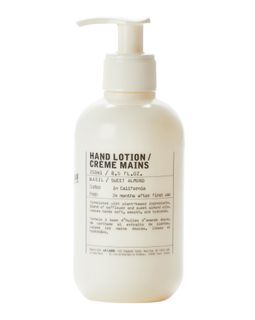
Judging from the ingredient list, "Le Labo - Hand Lotion Hinoki" works well for improving skin hydration As we expect from a proper moisturizer, the formula includes a combo of effective humectants and emollients. These are the two different types of ingredients that are essential for improving the skin hydration and supporting a healthy skin barrier. Panthenol, glycerin and saccharide isomerate in this product (humectants) attract water molecules to the upper layer of the skin (the water comes from the outside air or from the deeper layers of the skin if the air is dry). Carthamus tinctorius seed oil, ribes nigrum seed oil, cetyl palmitate and octyldodecanol in this product help decrease the water evoporation from the skin, so that it stays hydrated for longer. These ingredients also soften the skin and take away the feeling of tightness and dryness.
Ingredient callouts
- Panthenol (pro-vitamin B5) at about 0.55% - 0.85% concentration. In this concentration, Panthenol works effectively to improve the skin barrier and reduce inflammation.
Irritation risk
This moisturizer contains a bunch of common irritants, including ingredients that do not provide any known benefit for the skin. It might not be the best choice if your skin is sensitive. We assess the overall irritancy of this moisturizer to be high. For a detailed overview of all potential irritants: click here
You can see the detailed formula review with the breakdown of all actives in the product and the full ingredient list with estimated concentrations in the tables below.
Price
The product retails for 26.00£ in the United Kingdom.
For a detailed price comparison: click here.
Sources cited in this review
Every concentration estimate and effectiveness label is anchored to one of these 12 studies and safety reviews.
- 1
- 2Allergic contact dermatitis induced by rosemary leaf extract in a cleansing gelpubmed.ncbi.nlm.nih.gov
- 3
- 4
- 5Skin moisturizing effects of panthenol-based formulationspdfs.semanticscholar.org
- 6

Affiliate links · As an Amazon Associate, WIMJ earns from qualifying purchases.