Works for:
based on ingredients and %- Moisturizing
- Anti-oxidation
Doesn't work for:
based on ingredients and %- Evens skin tone
Can it cause trouble?
- Irritation risk: high
- Comedogenic risk ingredients: 24
Key actives

Anti-oxidation
This product contains antioxidants (rubus idaeus seed oil) that might be able to help neutralize free radicals in skin to lessen the damage it gets from the UV light (sun). There is not enough evidence to confirm their effectiveness in skin though.
A plant oil that might be able to help neutralize free radicals in skin
A plant extract that might have some anti-oxidant effect helping neutralize free radicals in skin
Red algae extract that helps attract water to the upper layer of the skin and might contain antioxidants
A plant extract that might help neutralize free radicals in skin. It can be irritating
A plant extract that might be helpful to neutralize free radicals in skin
A plant extract that is rich in a fragrance compound eugenol that is a frequent allergen and can be irritating. It might also contain anti-oxidants to help neutralize free radicals
Eggplant fruit extract. Might have some anti-oxidant effect
A plant extract that might have some anti-oxidant effect
Being a lipid soluble form of vitamin C, it is more stable than ascorbic acid, but still degrades quickly and needs to be stabilized in a formulation with another ingredient. It is claimed to penetrate skin better than pure vitamin C and have the the similar benefits, but solid studies of its effectiveness are lacking. Is likely to require a higher concentration in a product than pure vitamin C to be effective. It might be able to help reduce pore clogging.
Pure form of vitamin E. Can help moisturise and protect the skin from free radicals. Often used to help stabilise other ingredients or the formula itself
Moisturizing
What does the product description say?
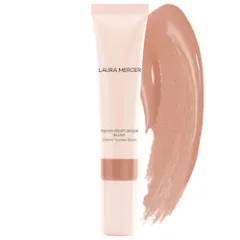
Tinted Moisturizer Blush
Source: From product name
This product can help improve hydration of the skin with the two types of ingredients.
The first type is called “humectants”:
these ingredients help attract water.
When humectants are on the surface of the skin, they “pull in” the moisture from the outside environment, or from
within deeper layers of the skin. The following ingredients in this product do the job:
glycerin, butylene glycol.
This product also contains ingredients called “occlusives”. They help reduce the speed with which our skin loses moisture to the outside environment. These ingredients also help soften the upper layer of the skin, so it feels less tight and nicer to the touch. The following ingredients in this product do the job: squalane, cetearyl alcohol.
An oil naturally present in skin. Works as an emollient to soften the skin and form a protective layer on its surface without a greasy feeling.
Red algae extract that helps attract water to the upper layer of the skin and might contain antioxidants
Helps soften the upper layer of the skin
One of the best moisturizing ingredients. Naturally present in skin. It attracts water to the upper layer of the skin working as a humectant
A non-drying alcohol. Works as an emollient. Helps water and oil mix together and creates a nice product texture
A plant oil that helps soften the upper layer of the skin. Is unlikely to be helpful in restoring skin barrier function due to the low content of linoleic acid
Used to create a nice product texture and help delivery of other ingredients. Might be somewhat helpful in attracting water to the upper layer of the skin
An emollient that softens the skin and forms a protective layer on its surface. Helps water and oil mix together
Pure form of vitamin E. Can help moisturise and protect the skin from free radicals. Often used to help stabilise other ingredients or the formula itself
Evens skin tone
What does the product description say?
10 adaptable shades give every skin tone a barely flushed, just-pinched glow.
Source: Sephora Hong Kong
Effective ingredients missing or their concentration is too low
Being a lipid soluble form of vitamin C, it is more stable than ascorbic acid, but still degrades quickly and needs to be stabilized in a formulation with another ingredient. It is claimed to penetrate skin better than pure vitamin C and have the the similar benefits, but solid studies of its effectiveness are lacking. Is likely to require a higher concentration in a product than pure vitamin C to be effective. It might be able to help reduce pore clogging.
How honest is this product?
| Promise | Can it deliver? |
|---|---|
| Moisturizing | |
| Evens skin tone |
Total Promises Fulfilled score: 37/100.
We receive a small commission for purchases made through these links at no cost for you. Thank you for your support! Learn more
Potential irritants
Comedogenic ingredients
User reviews (0)
Averages from community submissions.
No reviews yet for this product.
Be the first to share your experience!
Tried this product?
Help capture what the ingredient list can't—texture, finish, pilling, scent, and more. Answer what you can, skip the rest.
Takes ~30 seconds.
Reviews are shown in aggregate. No personal details.
Key Actives
Pure form of vitamin E. Can help moisturise and protect the skin from free radicals. Often used to help stabilise other ingredients or the formula itself
Pure form of vitamin E. Can help moisturise and protect the skin from free radicals. Often used to help stabilise other ingredients or the formula itself
Pure form of vitamin E. Can help moisturise and protect the skin from free radicals. Often used to help stabilise other ingredients or the formula itself
Pure form of vitamin E. Can help moisturise and protect the skin from free radicals. Often used to help stabilise other ingredients or the formula itself
Pure form of vitamin E. Can help moisturise and protect the skin from free radicals. Often used to help stabilise other ingredients or the formula itself
Pure form of vitamin E. Can help moisturise and protect the skin from free radicals. Often used to help stabilise other ingredients or the formula itself
Pure form of vitamin E. Can help moisturise and protect the skin from free radicals. Often used to help stabilise other ingredients or the formula itself
Pure form of vitamin E. Can help moisturise and protect the skin from free radicals. Often used to help stabilise other ingredients or the formula itself
Pure form of vitamin E. Can help moisturise and protect the skin from free radicals. Often used to help stabilise other ingredients or the formula itself
Pure form of vitamin E. Can help moisturise and protect the skin from free radicals. Often used to help stabilise other ingredients or the formula itself
Pure form of vitamin E. Can help moisturise and protect the skin from free radicals. Often used to help stabilise other ingredients or the formula itself
Pure form of vitamin E. Can help moisturise and protect the skin from free radicals. Often used to help stabilise other ingredients or the formula itself
Red algae extract that helps attract water to the upper layer of the skin and might contain antioxidants
A plant extract that has anti-bacterial properties. Can be used to preserve the product. Can be irritating
Red algae extract that helps attract water to the upper layer of the skin and might contain antioxidants
A plant extract that has anti-bacterial properties. Can be used to preserve the product. Can be irritating
Red algae extract that helps attract water to the upper layer of the skin and might contain antioxidants
A plant extract that has anti-bacterial properties. Can be used to preserve the product. Can be irritating
Red algae extract that helps attract water to the upper layer of the skin and might contain antioxidants
A plant extract that has anti-bacterial properties. Can be used to preserve the product. Can be irritating
Red algae extract that helps attract water to the upper layer of the skin and might contain antioxidants
A plant extract that has anti-bacterial properties. Can be used to preserve the product. Can be irritating
Red algae extract that helps attract water to the upper layer of the skin and might contain antioxidants
A plant extract that has anti-bacterial properties. Can be used to preserve the product. Can be irritating
Red algae extract that helps attract water to the upper layer of the skin and might contain antioxidants
A plant extract that has anti-bacterial properties. Can be used to preserve the product. Can be irritating
Red algae extract that helps attract water to the upper layer of the skin and might contain antioxidants
A plant extract that has anti-bacterial properties. Can be used to preserve the product. Can be irritating
Red algae extract that helps attract water to the upper layer of the skin and might contain antioxidants
A plant extract that has anti-bacterial properties. Can be used to preserve the product. Can be irritating
Red algae extract that helps attract water to the upper layer of the skin and might contain antioxidants
A plant extract that has anti-bacterial properties. Can be used to preserve the product. Can be irritating
Red algae extract that helps attract water to the upper layer of the skin and might contain antioxidants
A plant extract that has anti-bacterial properties. Can be used to preserve the product. Can be irritating
Red algae extract that helps attract water to the upper layer of the skin and might contain antioxidants
A plant extract that has anti-bacterial properties. Can be used to preserve the product. Can be irritating
Helps soften the upper layer of the skin
One of the best moisturizing ingredients. Naturally present in skin. It attracts water to the upper layer of the skin working as a humectant
A plant oil that might be able to help neutralize free radicals in skin
An oil naturally present in skin. Works as an emollient to soften the skin and form a protective layer on its surface without a greasy feeling.
Works as a UV filter when used in high concentrations. It is photostable and is effective mostly against the UVB light, with some protection in the UVA range. In small concentrations, used for its ability to improve the color of cosmetic products. Is usually well tolerated by the skin
Helps soften the upper layer of the skin
One of the best moisturizing ingredients. Naturally present in skin. It attracts water to the upper layer of the skin working as a humectant
A plant oil that might be able to help neutralize free radicals in skin
An oil naturally present in skin. Works as an emollient to soften the skin and form a protective layer on its surface without a greasy feeling.
Works as a UV filter when used in high concentrations. It is photostable and is effective mostly against the UVB light, with some protection in the UVA range. In small concentrations, used for its ability to improve the color of cosmetic products. Is usually well tolerated by the skin
Helps soften the upper layer of the skin
One of the best moisturizing ingredients. Naturally present in skin. It attracts water to the upper layer of the skin working as a humectant
A plant oil that might be able to help neutralize free radicals in skin
An oil naturally present in skin. Works as an emollient to soften the skin and form a protective layer on its surface without a greasy feeling.
Works as a UV filter when used in high concentrations. It is photostable and is effective mostly against the UVB light, with some protection in the UVA range. In small concentrations, used for its ability to improve the color of cosmetic products. Is usually well tolerated by the skin
Helps soften the upper layer of the skin
One of the best moisturizing ingredients. Naturally present in skin. It attracts water to the upper layer of the skin working as a humectant
A plant oil that might be able to help neutralize free radicals in skin
An oil naturally present in skin. Works as an emollient to soften the skin and form a protective layer on its surface without a greasy feeling.
Works as a UV filter when used in high concentrations. It is photostable and is effective mostly against the UVB light, with some protection in the UVA range. In small concentrations, used for its ability to improve the color of cosmetic products. Is usually well tolerated by the skin
Helps soften the upper layer of the skin
One of the best moisturizing ingredients. Naturally present in skin. It attracts water to the upper layer of the skin working as a humectant
A plant oil that might be able to help neutralize free radicals in skin
An oil naturally present in skin. Works as an emollient to soften the skin and form a protective layer on its surface without a greasy feeling.
Works as a UV filter when used in high concentrations. It is photostable and is effective mostly against the UVB light, with some protection in the UVA range. In small concentrations, used for its ability to improve the color of cosmetic products. Is usually well tolerated by the skin
Helps soften the upper layer of the skin
One of the best moisturizing ingredients. Naturally present in skin. It attracts water to the upper layer of the skin working as a humectant
A plant oil that might be able to help neutralize free radicals in skin
An oil naturally present in skin. Works as an emollient to soften the skin and form a protective layer on its surface without a greasy feeling.
Works as a UV filter when used in high concentrations. It is photostable and is effective mostly against the UVB light, with some protection in the UVA range. In small concentrations, used for its ability to improve the color of cosmetic products. Is usually well tolerated by the skin
Helps soften the upper layer of the skin
One of the best moisturizing ingredients. Naturally present in skin. It attracts water to the upper layer of the skin working as a humectant
A plant oil that might be able to help neutralize free radicals in skin
An oil naturally present in skin. Works as an emollient to soften the skin and form a protective layer on its surface without a greasy feeling.
Works as a UV filter when used in high concentrations. It is photostable and is effective mostly against the UVB light, with some protection in the UVA range. In small concentrations, used for its ability to improve the color of cosmetic products. Is usually well tolerated by the skin
Helps soften the upper layer of the skin
One of the best moisturizing ingredients. Naturally present in skin. It attracts water to the upper layer of the skin working as a humectant
A plant oil that might be able to help neutralize free radicals in skin
An oil naturally present in skin. Works as an emollient to soften the skin and form a protective layer on its surface without a greasy feeling.
Works as a UV filter when used in high concentrations. It is photostable and is effective mostly against the UVB light, with some protection in the UVA range. In small concentrations, used for its ability to improve the color of cosmetic products. Is usually well tolerated by the skin
Helps soften the upper layer of the skin
One of the best moisturizing ingredients. Naturally present in skin. It attracts water to the upper layer of the skin working as a humectant
A plant oil that might be able to help neutralize free radicals in skin
An oil naturally present in skin. Works as an emollient to soften the skin and form a protective layer on its surface without a greasy feeling.
Works as a UV filter when used in high concentrations. It is photostable and is effective mostly against the UVB light, with some protection in the UVA range. In small concentrations, used for its ability to improve the color of cosmetic products. Is usually well tolerated by the skin
Helps soften the upper layer of the skin
One of the best moisturizing ingredients. Naturally present in skin. It attracts water to the upper layer of the skin working as a humectant
A plant oil that might be able to help neutralize free radicals in skin
An oil naturally present in skin. Works as an emollient to soften the skin and form a protective layer on its surface without a greasy feeling.
Works as a UV filter when used in high concentrations. It is photostable and is effective mostly against the UVB light, with some protection in the UVA range. In small concentrations, used for its ability to improve the color of cosmetic products. Is usually well tolerated by the skin
Helps soften the upper layer of the skin
One of the best moisturizing ingredients. Naturally present in skin. It attracts water to the upper layer of the skin working as a humectant
A plant oil that might be able to help neutralize free radicals in skin
An oil naturally present in skin. Works as an emollient to soften the skin and form a protective layer on its surface without a greasy feeling.
Works as a UV filter when used in high concentrations. It is photostable and is effective mostly against the UVB light, with some protection in the UVA range. In small concentrations, used for its ability to improve the color of cosmetic products. Is usually well tolerated by the skin
Helps soften the upper layer of the skin
One of the best moisturizing ingredients. Naturally present in skin. It attracts water to the upper layer of the skin working as a humectant
A plant oil that might be able to help neutralize free radicals in skin
An oil naturally present in skin. Works as an emollient to soften the skin and form a protective layer on its surface without a greasy feeling.
Works as a UV filter when used in high concentrations. It is photostable and is effective mostly against the UVB light, with some protection in the UVA range. In small concentrations, used for its ability to improve the color of cosmetic products. Is usually well tolerated by the skin
Potential irritants
A plant extract that might have some anti-oxidant effect
A plant extract that can contain an active compound curcumin, that may have some anti-inflammatory properties when applied to the skin, but solid research is lacking and the typical concentration used in skincare products is too low. Can be an irritant
A plant extract that has anti-bacterial properties. Can be used to preserve the product. Can be irritating
A plant extract that is rich in a fragrance compound eugenol that is a frequent allergen and can be irritating. It might also contain anti-oxidants to help neutralize free radicals
Used as a fragrance. Canbe irritating
A plant extract that might help neutralize free radicals in skin. It can be irritating
Used as a cleansing agent (surfactant) in cleansers. Helps water and oil mix together in lotions. Can be irritating
A plant oil that might be able to help neutralize free radicals in skin
A plant extract that might have some anti-oxidant effect helping neutralize free radicals in skin
A plant extract that might be helpful to neutralize free radicals in skin
Eggplant fruit extract. Might have some anti-oxidant effect
A plant oil that helps soften the upper layer of the skin. Is unlikely to be helpful in restoring skin barrier function due to the low content of linoleic acid
Maintains the texture of skincare products. Allows the product to spread evenly. Helps oil and water mix together
Being a lipid soluble form of vitamin C, it is more stable than ascorbic acid, but still degrades quickly and needs to be stabilized in a formulation with another ingredient. It is claimed to penetrate skin better than pure vitamin C and have the the similar benefits, but solid studies of its effectiveness are lacking. Is likely to require a higher concentration in a product than pure vitamin C to be effective. It might be able to help reduce pore clogging.
Comedogenic ingredients
Red algae extract that helps attract water to the upper layer of the skin and might contain antioxidants
A non-drying alcohol. Works as an emollient. Helps water and oil mix together and creates a nice product texture
Red algae extract that helps attract water to the upper layer of the skin and might contain antioxidants
A non-drying alcohol. Works as an emollient. Helps water and oil mix together and creates a nice product texture
Red algae extract that helps attract water to the upper layer of the skin and might contain antioxidants
A non-drying alcohol. Works as an emollient. Helps water and oil mix together and creates a nice product texture
Red algae extract that helps attract water to the upper layer of the skin and might contain antioxidants
A non-drying alcohol. Works as an emollient. Helps water and oil mix together and creates a nice product texture
Red algae extract that helps attract water to the upper layer of the skin and might contain antioxidants
A non-drying alcohol. Works as an emollient. Helps water and oil mix together and creates a nice product texture
Red algae extract that helps attract water to the upper layer of the skin and might contain antioxidants
A non-drying alcohol. Works as an emollient. Helps water and oil mix together and creates a nice product texture
Red algae extract that helps attract water to the upper layer of the skin and might contain antioxidants
A non-drying alcohol. Works as an emollient. Helps water and oil mix together and creates a nice product texture
Red algae extract that helps attract water to the upper layer of the skin and might contain antioxidants
A non-drying alcohol. Works as an emollient. Helps water and oil mix together and creates a nice product texture
Red algae extract that helps attract water to the upper layer of the skin and might contain antioxidants
A non-drying alcohol. Works as an emollient. Helps water and oil mix together and creates a nice product texture
Red algae extract that helps attract water to the upper layer of the skin and might contain antioxidants
A non-drying alcohol. Works as an emollient. Helps water and oil mix together and creates a nice product texture
Red algae extract that helps attract water to the upper layer of the skin and might contain antioxidants
A non-drying alcohol. Works as an emollient. Helps water and oil mix together and creates a nice product texture
Red algae extract that helps attract water to the upper layer of the skin and might contain antioxidants
A non-drying alcohol. Works as an emollient. Helps water and oil mix together and creates a nice product texture
All ingredients
Used to create a nice product texture and help delivery of other ingredients. Might be somewhat helpful in attracting water to the upper layer of the skin
One of the best moisturizing ingredients. Naturally present in skin. It attracts water to the upper layer of the skin working as a humectant
A plant oil that might be able to help neutralize free radicals in skin
An emollient that softens the skin and forms a protective layer on its surface. Helps water and oil mix together
Helps oil and water mix togehter and creates a nice product texture
An oil naturally present in skin. Works as an emollient to soften the skin and form a protective layer on its surface without a greasy feeling.
Pure form of vitamin E. Can help moisturise and protect the skin from free radicals. Often used to help stabilise other ingredients or the formula itself
A plant extract that might have some anti-oxidant effect
A plant extract that might have some anti-oxidant effect helping neutralize free radicals in skin
Red algae extract that helps attract water to the upper layer of the skin and might contain antioxidants
A plant extract that can contain an active compound curcumin, that may have some anti-inflammatory properties when applied to the skin, but solid research is lacking and the typical concentration used in skincare products is too low. Can be an irritant
A plant extract that has anti-bacterial properties. Can be used to preserve the product. Can be irritating
A plant extract that might be helpful to neutralize free radicals in skin
A plant extract that is rich in a fragrance compound eugenol that is a frequent allergen and can be irritating. It might also contain anti-oxidants to help neutralize free radicals
Used as a fragrance. Canbe irritating
Eggplant fruit extract. Might have some anti-oxidant effect
A plant extract that might help neutralize free radicals in skin. It can be irritating
A plant oil that helps soften the upper layer of the skin. Is unlikely to be helpful in restoring skin barrier function due to the low content of linoleic acid
A colorant that can add a pearl-like appearance to the formulation
A non-drying alcohol. Works as an emollient. Helps water and oil mix together and creates a nice product texture
Used as a cleansing agent (surfactant) in cleansers. Helps water and oil mix together in lotions. Can be irritating
Maintains the texture of skincare products. Allows the product to spread evenly. Helps oil and water mix together
Helps adjust the product pH and stabilize the formulation
Being a lipid soluble form of vitamin C, it is more stable than ascorbic acid, but still degrades quickly and needs to be stabilized in a formulation with another ingredient. It is claimed to penetrate skin better than pure vitamin C and have the the similar benefits, but solid studies of its effectiveness are lacking. Is likely to require a higher concentration in a product than pure vitamin C to be effective. It might be able to help reduce pore clogging.
The same compound that is used safely in dental implants and bone cements. In cosmetics, it is used to improve the consistency of products
A mineral that is used as an optical filter (makes the skin looks nicer through light reflection) and to improve the texture of cosmetic products
A preservative. It helps prevent bacterial growth in cosmetic products
An umbrella term for the following three colorants: CI 77491, CI 77492, CI 77499. They might be able to offer some protection against visible light, but the degree of the protection is not clear
Creates an illusion of smoother and more radiant skin tone. Adds shimmer to the skin by reflecting light
Works as a UV filter when used in high concentrations. It is photostable and is effective mostly against the UVB light, with some protection in the UVA range. In small concentrations, used for its ability to improve the color of cosmetic products. Is usually well tolerated by the skin
Used to create a nice product texture and help delivery of other ingredients. Might be somewhat helpful in attracting water to the upper layer of the skin
One of the best moisturizing ingredients. Naturally present in skin. It attracts water to the upper layer of the skin working as a humectant
A mineral that is used as an optical filter (makes the skin looks nicer through light reflection) and to improve the texture of cosmetic products
A plant oil that might be able to help neutralize free radicals in skin
An emollient that softens the skin and forms a protective layer on its surface. Helps water and oil mix together
Helps oil and water mix togehter and creates a nice product texture
An oil naturally present in skin. Works as an emollient to soften the skin and form a protective layer on its surface without a greasy feeling.
Pure form of vitamin E. Can help moisturise and protect the skin from free radicals. Often used to help stabilise other ingredients or the formula itself
Being a lipid soluble form of vitamin C, it is more stable than ascorbic acid, but still degrades quickly and needs to be stabilized in a formulation with another ingredient. It is claimed to penetrate skin better than pure vitamin C and have the the similar benefits, but solid studies of its effectiveness are lacking. Is likely to require a higher concentration in a product than pure vitamin C to be effective. It might be able to help reduce pore clogging.
A plant extract that might have some anti-oxidant effect
A plant extract that might have some anti-oxidant effect helping neutralize free radicals in skin
Red algae extract that helps attract water to the upper layer of the skin and might contain antioxidants
A plant extract that can contain an active compound curcumin, that may have some anti-inflammatory properties when applied to the skin, but solid research is lacking and the typical concentration used in skincare products is too low. Can be an irritant
A plant extract that has anti-bacterial properties. Can be used to preserve the product. Can be irritating
A plant extract that might be helpful to neutralize free radicals in skin
A plant extract that is rich in a fragrance compound eugenol that is a frequent allergen and can be irritating. It might also contain anti-oxidants to help neutralize free radicals
Used as a fragrance. Canbe irritating
Eggplant fruit extract. Might have some anti-oxidant effect
A plant extract that might help neutralize free radicals in skin. It can be irritating
A plant oil that helps soften the upper layer of the skin. Is unlikely to be helpful in restoring skin barrier function due to the low content of linoleic acid
A colorant that can add a pearl-like appearance to the formulation
A non-drying alcohol. Works as an emollient. Helps water and oil mix together and creates a nice product texture
Used as a cleansing agent (surfactant) in cleansers. Helps water and oil mix together in lotions. Can be irritating
Maintains the texture of skincare products. Allows the product to spread evenly. Helps oil and water mix together
Helps adjust the product pH and stabilize the formulation
The same compound that is used safely in dental implants and bone cements. In cosmetics, it is used to improve the consistency of products
A preservative. It helps prevent bacterial growth in cosmetic products
An umbrella term for the following three colorants: CI 77491, CI 77492, CI 77499. They might be able to offer some protection against visible light, but the degree of the protection is not clear
Creates an illusion of smoother and more radiant skin tone. Adds shimmer to the skin by reflecting light
Works as a UV filter when used in high concentrations. It is photostable and is effective mostly against the UVB light, with some protection in the UVA range. In small concentrations, used for its ability to improve the color of cosmetic products. Is usually well tolerated by the skin
Used to create a nice product texture and help delivery of other ingredients. Might be somewhat helpful in attracting water to the upper layer of the skin
One of the best moisturizing ingredients. Naturally present in skin. It attracts water to the upper layer of the skin working as a humectant
A mineral that is used as an optical filter (makes the skin looks nicer through light reflection) and to improve the texture of cosmetic products
A plant oil that might be able to help neutralize free radicals in skin
An emollient that softens the skin and forms a protective layer on its surface. Helps water and oil mix together
Helps oil and water mix togehter and creates a nice product texture
An oil naturally present in skin. Works as an emollient to soften the skin and form a protective layer on its surface without a greasy feeling.
Pure form of vitamin E. Can help moisturise and protect the skin from free radicals. Often used to help stabilise other ingredients or the formula itself
Being a lipid soluble form of vitamin C, it is more stable than ascorbic acid, but still degrades quickly and needs to be stabilized in a formulation with another ingredient. It is claimed to penetrate skin better than pure vitamin C and have the the similar benefits, but solid studies of its effectiveness are lacking. Is likely to require a higher concentration in a product than pure vitamin C to be effective. It might be able to help reduce pore clogging.
A plant extract that might have some anti-oxidant effect
A plant extract that might have some anti-oxidant effect helping neutralize free radicals in skin
Red algae extract that helps attract water to the upper layer of the skin and might contain antioxidants
A plant extract that can contain an active compound curcumin, that may have some anti-inflammatory properties when applied to the skin, but solid research is lacking and the typical concentration used in skincare products is too low. Can be an irritant
A plant extract that has anti-bacterial properties. Can be used to preserve the product. Can be irritating
A plant extract that might be helpful to neutralize free radicals in skin
A plant extract that is rich in a fragrance compound eugenol that is a frequent allergen and can be irritating. It might also contain anti-oxidants to help neutralize free radicals
Used as a fragrance. Canbe irritating
Eggplant fruit extract. Might have some anti-oxidant effect
A plant extract that might help neutralize free radicals in skin. It can be irritating
A plant oil that helps soften the upper layer of the skin. Is unlikely to be helpful in restoring skin barrier function due to the low content of linoleic acid
A non-drying alcohol. Works as an emollient. Helps water and oil mix together and creates a nice product texture
Used as a cleansing agent (surfactant) in cleansers. Helps water and oil mix together in lotions. Can be irritating
Maintains the texture of skincare products. Allows the product to spread evenly. Helps oil and water mix together
Helps adjust the product pH and stabilize the formulation
A colorant that can add a pearl-like appearance to the formulation
The same compound that is used safely in dental implants and bone cements. In cosmetics, it is used to improve the consistency of products
A preservative. It helps prevent bacterial growth in cosmetic products
An umbrella term for the following three colorants: CI 77491, CI 77492, CI 77499. They might be able to offer some protection against visible light, but the degree of the protection is not clear
Creates an illusion of smoother and more radiant skin tone. Adds shimmer to the skin by reflecting light
Works as a UV filter when used in high concentrations. It is photostable and is effective mostly against the UVB light, with some protection in the UVA range. In small concentrations, used for its ability to improve the color of cosmetic products. Is usually well tolerated by the skin
Used to create a nice product texture and help delivery of other ingredients. Might be somewhat helpful in attracting water to the upper layer of the skin
One of the best moisturizing ingredients. Naturally present in skin. It attracts water to the upper layer of the skin working as a humectant
A plant oil that might be able to help neutralize free radicals in skin
An emollient that softens the skin and forms a protective layer on its surface. Helps water and oil mix together
Helps oil and water mix togehter and creates a nice product texture
A mineral that is used as an optical filter (makes the skin looks nicer through light reflection) and to improve the texture of cosmetic products
An oil naturally present in skin. Works as an emollient to soften the skin and form a protective layer on its surface without a greasy feeling.
Pure form of vitamin E. Can help moisturise and protect the skin from free radicals. Often used to help stabilise other ingredients or the formula itself
Being a lipid soluble form of vitamin C, it is more stable than ascorbic acid, but still degrades quickly and needs to be stabilized in a formulation with another ingredient. It is claimed to penetrate skin better than pure vitamin C and have the the similar benefits, but solid studies of its effectiveness are lacking. Is likely to require a higher concentration in a product than pure vitamin C to be effective. It might be able to help reduce pore clogging.
A plant extract that might have some anti-oxidant effect
A plant extract that might have some anti-oxidant effect helping neutralize free radicals in skin
Red algae extract that helps attract water to the upper layer of the skin and might contain antioxidants
A plant extract that can contain an active compound curcumin, that may have some anti-inflammatory properties when applied to the skin, but solid research is lacking and the typical concentration used in skincare products is too low. Can be an irritant
A plant extract that has anti-bacterial properties. Can be used to preserve the product. Can be irritating
A plant extract that might be helpful to neutralize free radicals in skin
A plant extract that is rich in a fragrance compound eugenol that is a frequent allergen and can be irritating. It might also contain anti-oxidants to help neutralize free radicals
Used as a fragrance. Canbe irritating
Eggplant fruit extract. Might have some anti-oxidant effect
A plant extract that might help neutralize free radicals in skin. It can be irritating
A plant oil that helps soften the upper layer of the skin. Is unlikely to be helpful in restoring skin barrier function due to the low content of linoleic acid
A non-drying alcohol. Works as an emollient. Helps water and oil mix together and creates a nice product texture
Used as a cleansing agent (surfactant) in cleansers. Helps water and oil mix together in lotions. Can be irritating
Maintains the texture of skincare products. Allows the product to spread evenly. Helps oil and water mix together
A colorant that can add a pearl-like appearance to the formulation
Helps adjust the product pH and stabilize the formulation
The same compound that is used safely in dental implants and bone cements. In cosmetics, it is used to improve the consistency of products
A preservative. It helps prevent bacterial growth in cosmetic products
An umbrella term for the following three colorants: CI 77491, CI 77492, CI 77499. They might be able to offer some protection against visible light, but the degree of the protection is not clear
Creates an illusion of smoother and more radiant skin tone. Adds shimmer to the skin by reflecting light
Works as a UV filter when used in high concentrations. It is photostable and is effective mostly against the UVB light, with some protection in the UVA range. In small concentrations, used for its ability to improve the color of cosmetic products. Is usually well tolerated by the skin
Used to create a nice product texture and help delivery of other ingredients. Might be somewhat helpful in attracting water to the upper layer of the skin
One of the best moisturizing ingredients. Naturally present in skin. It attracts water to the upper layer of the skin working as a humectant
A plant oil that might be able to help neutralize free radicals in skin
An emollient that softens the skin and forms a protective layer on its surface. Helps water and oil mix together
Helps oil and water mix togehter and creates a nice product texture
An oil naturally present in skin. Works as an emollient to soften the skin and form a protective layer on its surface without a greasy feeling.
Pure form of vitamin E. Can help moisturise and protect the skin from free radicals. Often used to help stabilise other ingredients or the formula itself
Being a lipid soluble form of vitamin C, it is more stable than ascorbic acid, but still degrades quickly and needs to be stabilized in a formulation with another ingredient. It is claimed to penetrate skin better than pure vitamin C and have the the similar benefits, but solid studies of its effectiveness are lacking. Is likely to require a higher concentration in a product than pure vitamin C to be effective. It might be able to help reduce pore clogging.
A plant extract that might have some anti-oxidant effect
A plant extract that might have some anti-oxidant effect helping neutralize free radicals in skin
Red algae extract that helps attract water to the upper layer of the skin and might contain antioxidants
A plant extract that can contain an active compound curcumin, that may have some anti-inflammatory properties when applied to the skin, but solid research is lacking and the typical concentration used in skincare products is too low. Can be an irritant
A plant extract that has anti-bacterial properties. Can be used to preserve the product. Can be irritating
A plant extract that might be helpful to neutralize free radicals in skin
A plant extract that is rich in a fragrance compound eugenol that is a frequent allergen and can be irritating. It might also contain anti-oxidants to help neutralize free radicals
Used as a fragrance. Canbe irritating
Eggplant fruit extract. Might have some anti-oxidant effect
A plant extract that might help neutralize free radicals in skin. It can be irritating
A plant oil that helps soften the upper layer of the skin. Is unlikely to be helpful in restoring skin barrier function due to the low content of linoleic acid
A colorant that can add a pearl-like appearance to the formulation
A non-drying alcohol. Works as an emollient. Helps water and oil mix together and creates a nice product texture
Used as a cleansing agent (surfactant) in cleansers. Helps water and oil mix together in lotions. Can be irritating
Maintains the texture of skincare products. Allows the product to spread evenly. Helps oil and water mix together
Helps adjust the product pH and stabilize the formulation
The same compound that is used safely in dental implants and bone cements. In cosmetics, it is used to improve the consistency of products
A mineral that is used as an optical filter (makes the skin looks nicer through light reflection) and to improve the texture of cosmetic products
A preservative. It helps prevent bacterial growth in cosmetic products
An umbrella term for the following three colorants: CI 77491, CI 77492, CI 77499. They might be able to offer some protection against visible light, but the degree of the protection is not clear
Creates an illusion of smoother and more radiant skin tone. Adds shimmer to the skin by reflecting light
Works as a UV filter when used in high concentrations. It is photostable and is effective mostly against the UVB light, with some protection in the UVA range. In small concentrations, used for its ability to improve the color of cosmetic products. Is usually well tolerated by the skin
Used to create a nice product texture and help delivery of other ingredients. Might be somewhat helpful in attracting water to the upper layer of the skin
One of the best moisturizing ingredients. Naturally present in skin. It attracts water to the upper layer of the skin working as a humectant
A plant oil that might be able to help neutralize free radicals in skin
An emollient that softens the skin and forms a protective layer on its surface. Helps water and oil mix together
Helps oil and water mix togehter and creates a nice product texture
An oil naturally present in skin. Works as an emollient to soften the skin and form a protective layer on its surface without a greasy feeling.
Pure form of vitamin E. Can help moisturise and protect the skin from free radicals. Often used to help stabilise other ingredients or the formula itself
A plant extract that might have some anti-oxidant effect
A plant extract that might have some anti-oxidant effect helping neutralize free radicals in skin
Red algae extract that helps attract water to the upper layer of the skin and might contain antioxidants
A plant extract that can contain an active compound curcumin, that may have some anti-inflammatory properties when applied to the skin, but solid research is lacking and the typical concentration used in skincare products is too low. Can be an irritant
A plant extract that has anti-bacterial properties. Can be used to preserve the product. Can be irritating
A plant extract that might be helpful to neutralize free radicals in skin
A plant extract that is rich in a fragrance compound eugenol that is a frequent allergen and can be irritating. It might also contain anti-oxidants to help neutralize free radicals
Used as a fragrance. Canbe irritating
Eggplant fruit extract. Might have some anti-oxidant effect
A plant extract that might help neutralize free radicals in skin. It can be irritating
A plant oil that helps soften the upper layer of the skin. Is unlikely to be helpful in restoring skin barrier function due to the low content of linoleic acid
A colorant that can add a pearl-like appearance to the formulation
A non-drying alcohol. Works as an emollient. Helps water and oil mix together and creates a nice product texture
Used as a cleansing agent (surfactant) in cleansers. Helps water and oil mix together in lotions. Can be irritating
Maintains the texture of skincare products. Allows the product to spread evenly. Helps oil and water mix together
Helps adjust the product pH and stabilize the formulation
Being a lipid soluble form of vitamin C, it is more stable than ascorbic acid, but still degrades quickly and needs to be stabilized in a formulation with another ingredient. It is claimed to penetrate skin better than pure vitamin C and have the the similar benefits, but solid studies of its effectiveness are lacking. Is likely to require a higher concentration in a product than pure vitamin C to be effective. It might be able to help reduce pore clogging.
The same compound that is used safely in dental implants and bone cements. In cosmetics, it is used to improve the consistency of products
A mineral that is used as an optical filter (makes the skin looks nicer through light reflection) and to improve the texture of cosmetic products
A preservative. It helps prevent bacterial growth in cosmetic products
An umbrella term for the following three colorants: CI 77491, CI 77492, CI 77499. They might be able to offer some protection against visible light, but the degree of the protection is not clear
Creates an illusion of smoother and more radiant skin tone. Adds shimmer to the skin by reflecting light
Works as a UV filter when used in high concentrations. It is photostable and is effective mostly against the UVB light, with some protection in the UVA range. In small concentrations, used for its ability to improve the color of cosmetic products. Is usually well tolerated by the skin
Used to create a nice product texture and help delivery of other ingredients. Might be somewhat helpful in attracting water to the upper layer of the skin
One of the best moisturizing ingredients. Naturally present in skin. It attracts water to the upper layer of the skin working as a humectant
A plant oil that might be able to help neutralize free radicals in skin
An emollient that softens the skin and forms a protective layer on its surface. Helps water and oil mix together
Helps oil and water mix togehter and creates a nice product texture
An oil naturally present in skin. Works as an emollient to soften the skin and form a protective layer on its surface without a greasy feeling.
Pure form of vitamin E. Can help moisturise and protect the skin from free radicals. Often used to help stabilise other ingredients or the formula itself
A plant extract that might have some anti-oxidant effect
A plant extract that might have some anti-oxidant effect helping neutralize free radicals in skin
Red algae extract that helps attract water to the upper layer of the skin and might contain antioxidants
A plant extract that can contain an active compound curcumin, that may have some anti-inflammatory properties when applied to the skin, but solid research is lacking and the typical concentration used in skincare products is too low. Can be an irritant
A plant extract that has anti-bacterial properties. Can be used to preserve the product. Can be irritating
A plant extract that might be helpful to neutralize free radicals in skin
A plant extract that is rich in a fragrance compound eugenol that is a frequent allergen and can be irritating. It might also contain anti-oxidants to help neutralize free radicals
Used as a fragrance. Canbe irritating
Eggplant fruit extract. Might have some anti-oxidant effect
A plant extract that might help neutralize free radicals in skin. It can be irritating
A plant oil that helps soften the upper layer of the skin. Is unlikely to be helpful in restoring skin barrier function due to the low content of linoleic acid
A colorant that can add a pearl-like appearance to the formulation
A non-drying alcohol. Works as an emollient. Helps water and oil mix together and creates a nice product texture
Used as a cleansing agent (surfactant) in cleansers. Helps water and oil mix together in lotions. Can be irritating
Maintains the texture of skincare products. Allows the product to spread evenly. Helps oil and water mix together
Helps adjust the product pH and stabilize the formulation
Being a lipid soluble form of vitamin C, it is more stable than ascorbic acid, but still degrades quickly and needs to be stabilized in a formulation with another ingredient. It is claimed to penetrate skin better than pure vitamin C and have the the similar benefits, but solid studies of its effectiveness are lacking. Is likely to require a higher concentration in a product than pure vitamin C to be effective. It might be able to help reduce pore clogging.
The same compound that is used safely in dental implants and bone cements. In cosmetics, it is used to improve the consistency of products
A mineral that is used as an optical filter (makes the skin looks nicer through light reflection) and to improve the texture of cosmetic products
A preservative. It helps prevent bacterial growth in cosmetic products
An umbrella term for the following three colorants: CI 77491, CI 77492, CI 77499. They might be able to offer some protection against visible light, but the degree of the protection is not clear
Creates an illusion of smoother and more radiant skin tone. Adds shimmer to the skin by reflecting light
Works as a UV filter when used in high concentrations. It is photostable and is effective mostly against the UVB light, with some protection in the UVA range. In small concentrations, used for its ability to improve the color of cosmetic products. Is usually well tolerated by the skin
Used to create a nice product texture and help delivery of other ingredients. Might be somewhat helpful in attracting water to the upper layer of the skin
One of the best moisturizing ingredients. Naturally present in skin. It attracts water to the upper layer of the skin working as a humectant
A plant oil that might be able to help neutralize free radicals in skin
A mineral that is used as an optical filter (makes the skin looks nicer through light reflection) and to improve the texture of cosmetic products
An emollient that softens the skin and forms a protective layer on its surface. Helps water and oil mix together
Helps oil and water mix togehter and creates a nice product texture
An oil naturally present in skin. Works as an emollient to soften the skin and form a protective layer on its surface without a greasy feeling.
Pure form of vitamin E. Can help moisturise and protect the skin from free radicals. Often used to help stabilise other ingredients or the formula itself
Being a lipid soluble form of vitamin C, it is more stable than ascorbic acid, but still degrades quickly and needs to be stabilized in a formulation with another ingredient. It is claimed to penetrate skin better than pure vitamin C and have the the similar benefits, but solid studies of its effectiveness are lacking. Is likely to require a higher concentration in a product than pure vitamin C to be effective. It might be able to help reduce pore clogging.
A plant extract that might have some anti-oxidant effect
A plant extract that might have some anti-oxidant effect helping neutralize free radicals in skin
Red algae extract that helps attract water to the upper layer of the skin and might contain antioxidants
A plant extract that can contain an active compound curcumin, that may have some anti-inflammatory properties when applied to the skin, but solid research is lacking and the typical concentration used in skincare products is too low. Can be an irritant
A plant extract that has anti-bacterial properties. Can be used to preserve the product. Can be irritating
A plant extract that might be helpful to neutralize free radicals in skin
A plant extract that is rich in a fragrance compound eugenol that is a frequent allergen and can be irritating. It might also contain anti-oxidants to help neutralize free radicals
Used as a fragrance. Canbe irritating
Eggplant fruit extract. Might have some anti-oxidant effect
A plant extract that might help neutralize free radicals in skin. It can be irritating
A plant oil that helps soften the upper layer of the skin. Is unlikely to be helpful in restoring skin barrier function due to the low content of linoleic acid
A non-drying alcohol. Works as an emollient. Helps water and oil mix together and creates a nice product texture
Used as a cleansing agent (surfactant) in cleansers. Helps water and oil mix together in lotions. Can be irritating
Maintains the texture of skincare products. Allows the product to spread evenly. Helps oil and water mix together
A colorant that can add a pearl-like appearance to the formulation
Helps adjust the product pH and stabilize the formulation
The same compound that is used safely in dental implants and bone cements. In cosmetics, it is used to improve the consistency of products
A preservative. It helps prevent bacterial growth in cosmetic products
An umbrella term for the following three colorants: CI 77491, CI 77492, CI 77499. They might be able to offer some protection against visible light, but the degree of the protection is not clear
Creates an illusion of smoother and more radiant skin tone. Adds shimmer to the skin by reflecting light
Works as a UV filter when used in high concentrations. It is photostable and is effective mostly against the UVB light, with some protection in the UVA range. In small concentrations, used for its ability to improve the color of cosmetic products. Is usually well tolerated by the skin
Used to create a nice product texture and help delivery of other ingredients. Might be somewhat helpful in attracting water to the upper layer of the skin
One of the best moisturizing ingredients. Naturally present in skin. It attracts water to the upper layer of the skin working as a humectant
A plant oil that might be able to help neutralize free radicals in skin
An emollient that softens the skin and forms a protective layer on its surface. Helps water and oil mix together
Helps oil and water mix togehter and creates a nice product texture
An oil naturally present in skin. Works as an emollient to soften the skin and form a protective layer on its surface without a greasy feeling.
Pure form of vitamin E. Can help moisturise and protect the skin from free radicals. Often used to help stabilise other ingredients or the formula itself
Being a lipid soluble form of vitamin C, it is more stable than ascorbic acid, but still degrades quickly and needs to be stabilized in a formulation with another ingredient. It is claimed to penetrate skin better than pure vitamin C and have the the similar benefits, but solid studies of its effectiveness are lacking. Is likely to require a higher concentration in a product than pure vitamin C to be effective. It might be able to help reduce pore clogging.
A plant extract that might have some anti-oxidant effect
A plant extract that might have some anti-oxidant effect helping neutralize free radicals in skin
Red algae extract that helps attract water to the upper layer of the skin and might contain antioxidants
A plant extract that can contain an active compound curcumin, that may have some anti-inflammatory properties when applied to the skin, but solid research is lacking and the typical concentration used in skincare products is too low. Can be an irritant
A plant extract that has anti-bacterial properties. Can be used to preserve the product. Can be irritating
A plant extract that might be helpful to neutralize free radicals in skin
A plant extract that is rich in a fragrance compound eugenol that is a frequent allergen and can be irritating. It might also contain anti-oxidants to help neutralize free radicals
Used as a fragrance. Canbe irritating
Eggplant fruit extract. Might have some anti-oxidant effect
A plant extract that might help neutralize free radicals in skin. It can be irritating
A plant oil that helps soften the upper layer of the skin. Is unlikely to be helpful in restoring skin barrier function due to the low content of linoleic acid
A colorant that can add a pearl-like appearance to the formulation
A non-drying alcohol. Works as an emollient. Helps water and oil mix together and creates a nice product texture
Used as a cleansing agent (surfactant) in cleansers. Helps water and oil mix together in lotions. Can be irritating
Maintains the texture of skincare products. Allows the product to spread evenly. Helps oil and water mix together
Helps adjust the product pH and stabilize the formulation
The same compound that is used safely in dental implants and bone cements. In cosmetics, it is used to improve the consistency of products
A mineral that is used as an optical filter (makes the skin looks nicer through light reflection) and to improve the texture of cosmetic products
A preservative. It helps prevent bacterial growth in cosmetic products
An umbrella term for the following three colorants: CI 77491, CI 77492, CI 77499. They might be able to offer some protection against visible light, but the degree of the protection is not clear
Creates an illusion of smoother and more radiant skin tone. Adds shimmer to the skin by reflecting light
Works as a UV filter when used in high concentrations. It is photostable and is effective mostly against the UVB light, with some protection in the UVA range. In small concentrations, used for its ability to improve the color of cosmetic products. Is usually well tolerated by the skin
Used to create a nice product texture and help delivery of other ingredients. Might be somewhat helpful in attracting water to the upper layer of the skin
One of the best moisturizing ingredients. Naturally present in skin. It attracts water to the upper layer of the skin working as a humectant
A plant oil that might be able to help neutralize free radicals in skin
A mineral that is used as an optical filter (makes the skin looks nicer through light reflection) and to improve the texture of cosmetic products
An emollient that softens the skin and forms a protective layer on its surface. Helps water and oil mix together
Helps oil and water mix togehter and creates a nice product texture
An oil naturally present in skin. Works as an emollient to soften the skin and form a protective layer on its surface without a greasy feeling.
Pure form of vitamin E. Can help moisturise and protect the skin from free radicals. Often used to help stabilise other ingredients or the formula itself
Being a lipid soluble form of vitamin C, it is more stable than ascorbic acid, but still degrades quickly and needs to be stabilized in a formulation with another ingredient. It is claimed to penetrate skin better than pure vitamin C and have the the similar benefits, but solid studies of its effectiveness are lacking. Is likely to require a higher concentration in a product than pure vitamin C to be effective. It might be able to help reduce pore clogging.
A plant extract that might have some anti-oxidant effect
A plant extract that might have some anti-oxidant effect helping neutralize free radicals in skin
Red algae extract that helps attract water to the upper layer of the skin and might contain antioxidants
A plant extract that can contain an active compound curcumin, that may have some anti-inflammatory properties when applied to the skin, but solid research is lacking and the typical concentration used in skincare products is too low. Can be an irritant
A plant extract that has anti-bacterial properties. Can be used to preserve the product. Can be irritating
A plant extract that might be helpful to neutralize free radicals in skin
A plant extract that is rich in a fragrance compound eugenol that is a frequent allergen and can be irritating. It might also contain anti-oxidants to help neutralize free radicals
Used as a fragrance. Canbe irritating
Eggplant fruit extract. Might have some anti-oxidant effect
A plant extract that might help neutralize free radicals in skin. It can be irritating
A plant oil that helps soften the upper layer of the skin. Is unlikely to be helpful in restoring skin barrier function due to the low content of linoleic acid
A colorant that can add a pearl-like appearance to the formulation
A non-drying alcohol. Works as an emollient. Helps water and oil mix together and creates a nice product texture
Used as a cleansing agent (surfactant) in cleansers. Helps water and oil mix together in lotions. Can be irritating
Maintains the texture of skincare products. Allows the product to spread evenly. Helps oil and water mix together
Helps adjust the product pH and stabilize the formulation
The same compound that is used safely in dental implants and bone cements. In cosmetics, it is used to improve the consistency of products
A preservative. It helps prevent bacterial growth in cosmetic products
An umbrella term for the following three colorants: CI 77491, CI 77492, CI 77499. They might be able to offer some protection against visible light, but the degree of the protection is not clear
Creates an illusion of smoother and more radiant skin tone. Adds shimmer to the skin by reflecting light
Works as a UV filter when used in high concentrations. It is photostable and is effective mostly against the UVB light, with some protection in the UVA range. In small concentrations, used for its ability to improve the color of cosmetic products. Is usually well tolerated by the skin
Used to create a nice product texture and help delivery of other ingredients. Might be somewhat helpful in attracting water to the upper layer of the skin
One of the best moisturizing ingredients. Naturally present in skin. It attracts water to the upper layer of the skin working as a humectant
A plant oil that might be able to help neutralize free radicals in skin
An emollient that softens the skin and forms a protective layer on its surface. Helps water and oil mix together
Helps oil and water mix togehter and creates a nice product texture
An oil naturally present in skin. Works as an emollient to soften the skin and form a protective layer on its surface without a greasy feeling.
Pure form of vitamin E. Can help moisturise and protect the skin from free radicals. Often used to help stabilise other ingredients or the formula itself
Being a lipid soluble form of vitamin C, it is more stable than ascorbic acid, but still degrades quickly and needs to be stabilized in a formulation with another ingredient. It is claimed to penetrate skin better than pure vitamin C and have the the similar benefits, but solid studies of its effectiveness are lacking. Is likely to require a higher concentration in a product than pure vitamin C to be effective. It might be able to help reduce pore clogging.
A plant extract that might have some anti-oxidant effect
A plant extract that might have some anti-oxidant effect helping neutralize free radicals in skin
Red algae extract that helps attract water to the upper layer of the skin and might contain antioxidants
A plant extract that can contain an active compound curcumin, that may have some anti-inflammatory properties when applied to the skin, but solid research is lacking and the typical concentration used in skincare products is too low. Can be an irritant
A plant extract that has anti-bacterial properties. Can be used to preserve the product. Can be irritating
A plant extract that might be helpful to neutralize free radicals in skin
A plant extract that is rich in a fragrance compound eugenol that is a frequent allergen and can be irritating. It might also contain anti-oxidants to help neutralize free radicals
Used as a fragrance. Canbe irritating
Eggplant fruit extract. Might have some anti-oxidant effect
A plant extract that might help neutralize free radicals in skin. It can be irritating
A plant oil that helps soften the upper layer of the skin. Is unlikely to be helpful in restoring skin barrier function due to the low content of linoleic acid
A colorant that can add a pearl-like appearance to the formulation
A non-drying alcohol. Works as an emollient. Helps water and oil mix together and creates a nice product texture
Used as a cleansing agent (surfactant) in cleansers. Helps water and oil mix together in lotions. Can be irritating
Maintains the texture of skincare products. Allows the product to spread evenly. Helps oil and water mix together
Helps adjust the product pH and stabilize the formulation
The same compound that is used safely in dental implants and bone cements. In cosmetics, it is used to improve the consistency of products
A mineral that is used as an optical filter (makes the skin looks nicer through light reflection) and to improve the texture of cosmetic products
A preservative. It helps prevent bacterial growth in cosmetic products
An umbrella term for the following three colorants: CI 77491, CI 77492, CI 77499. They might be able to offer some protection against visible light, but the degree of the protection is not clear
Creates an illusion of smoother and more radiant skin tone. Adds shimmer to the skin by reflecting light
Works as a UV filter when used in high concentrations. It is photostable and is effective mostly against the UVB light, with some protection in the UVA range. In small concentrations, used for its ability to improve the color of cosmetic products. Is usually well tolerated by the skin
Used to create a nice product texture and help delivery of other ingredients. Might be somewhat helpful in attracting water to the upper layer of the skin
One of the best moisturizing ingredients. Naturally present in skin. It attracts water to the upper layer of the skin working as a humectant
A plant oil that might be able to help neutralize free radicals in skin
An emollient that softens the skin and forms a protective layer on its surface. Helps water and oil mix together
Helps oil and water mix togehter and creates a nice product texture
An oil naturally present in skin. Works as an emollient to soften the skin and form a protective layer on its surface without a greasy feeling.
Pure form of vitamin E. Can help moisturise and protect the skin from free radicals. Often used to help stabilise other ingredients or the formula itself
Being a lipid soluble form of vitamin C, it is more stable than ascorbic acid, but still degrades quickly and needs to be stabilized in a formulation with another ingredient. It is claimed to penetrate skin better than pure vitamin C and have the the similar benefits, but solid studies of its effectiveness are lacking. Is likely to require a higher concentration in a product than pure vitamin C to be effective. It might be able to help reduce pore clogging.
A plant extract that might have some anti-oxidant effect
A plant extract that might have some anti-oxidant effect helping neutralize free radicals in skin
Red algae extract that helps attract water to the upper layer of the skin and might contain antioxidants
A plant extract that can contain an active compound curcumin, that may have some anti-inflammatory properties when applied to the skin, but solid research is lacking and the typical concentration used in skincare products is too low. Can be an irritant
A plant extract that has anti-bacterial properties. Can be used to preserve the product. Can be irritating
A plant extract that might be helpful to neutralize free radicals in skin
A plant extract that is rich in a fragrance compound eugenol that is a frequent allergen and can be irritating. It might also contain anti-oxidants to help neutralize free radicals
Used as a fragrance. Canbe irritating
Eggplant fruit extract. Might have some anti-oxidant effect
A plant extract that might help neutralize free radicals in skin. It can be irritating
A plant oil that helps soften the upper layer of the skin. Is unlikely to be helpful in restoring skin barrier function due to the low content of linoleic acid
A colorant that can add a pearl-like appearance to the formulation
A non-drying alcohol. Works as an emollient. Helps water and oil mix together and creates a nice product texture
Used as a cleansing agent (surfactant) in cleansers. Helps water and oil mix together in lotions. Can be irritating
Maintains the texture of skincare products. Allows the product to spread evenly. Helps oil and water mix together
Helps adjust the product pH and stabilize the formulation
The same compound that is used safely in dental implants and bone cements. In cosmetics, it is used to improve the consistency of products
A mineral that is used as an optical filter (makes the skin looks nicer through light reflection) and to improve the texture of cosmetic products
A preservative. It helps prevent bacterial growth in cosmetic products
An umbrella term for the following three colorants: CI 77491, CI 77492, CI 77499. They might be able to offer some protection against visible light, but the degree of the protection is not clear
Creates an illusion of smoother and more radiant skin tone. Adds shimmer to the skin by reflecting light
Works as a UV filter when used in high concentrations. It is photostable and is effective mostly against the UVB light, with some protection in the UVA range. In small concentrations, used for its ability to improve the color of cosmetic products. Is usually well tolerated by the skin
Ingredient list view
Water, Ethylhexyl olivate, Butylene glycol, Glycerin, Rubus idaeus seed oil, Silica, Glyceryl stearate, Peg-100 stearate, Squalane, Tocopherol, Opuntia ficus-indica stem extract, Aloe barbadensis flower extract, Coccinia indica fruit extract, Corallina officinalis extract, Curcuma longa root extract, Melia azadirachta leaf extract, Melia azadirachta flower extract, Ocimum sanctum leaf extract, Ocimum basilicum flower/leaf extract, Solanum melongena fruit extract, Eclipta prostrata extract, Moringa oleifera seed oil, Tin oxide, Cetearyl alcohol, Coco-glucoside, Polysorbate 60, Acrylates/c10-30 alkyl acrylate crosspolymer, Disodium phosphate, Disodium edta, Potassium hydroxide, Tetrahexyldecyl ascorbate, Xanthan gum, Alumina, Synthetic fluorphlogopite, Ethylhexylglycerin, Phenoxyethanol, Ci 77163, Ci 75470, Iron oxides, Mica, Titanium dioxide, Ci 77891, Water, Ethylhexyl olivate, Butylene glycol, Glycerin, Synthetic fluorphlogopite, Rubus idaeus seed oil, Silica, Glyceryl stearate, Peg-100 stearate, Squalane, Tocopherol, Opuntia ficus-indica stem extract, Tetrahexyldecyl ascorbate, Aloe barbadensis flower extract, Coccinia indica fruit extract, Corallina officinalis extract, Curcuma longa root extract, Melia azadirachta leaf extract, Melia azadirachta flower extract, Ocimum sanctum leaf extract, Ocimum basilicum flower/leaf extract, Solanum melongena fruit extract, Eclipta prostrata extract, Moringa oleifera seed oil, Tin oxide, Cetearyl alcohol, Coco-glucoside, Polysorbate 60, Acrylates/c10-30 alkyl acrylate crosspolymer, Disodium phosphate, Disodium edta, Potassium hydroxide, Xanthan gum, Alumina, Ethylhexylglycerin, Phenoxyethanol, Ci 77163, Ci 75470, Iron oxides, Mica, Titanium dioxide, Ci 77891, Water, Ethylhexyl olivate, Butylene glycol, Glycerin, Synthetic fluorphlogopite, Rubus idaeus seed oil, Glyceryl stearate, Peg-100 stearate, Squalane, Tocopherol, Opuntia ficus-indica stem extract, Tetrahexyldecyl ascorbate, Aloe barbadensis flower extract, Coccinia indica fruit extract, Corallina officinalis extract, Curcuma longa root extract, Melia azadirachta leaf extract, Melia azadirachta flower extract, Ocimum sanctum leaf extract, Ocimum basilicum flower/leaf extract, Solanum melongena fruit extract, Eclipta prostrata extract, Moringa oleifera seed oil, Silica, Cetearyl alcohol, Coco-glucoside, Polysorbate 60, Acrylates/c10-30 alkyl acrylate crosspolymer, Disodium phosphate, Disodium edta, Potassium hydroxide, Xanthan gum, Tin oxide, Alumina, Ethylhexylglycerin, Phenoxyethanol, Ci 77163, Ci 75470, Iron oxides, Mica, Titanium dioxide, Ci 77891, Water, Ethylhexyl olivate, Butylene glycol, Glycerin, Silica, Rubus idaeus seed oil, Glyceryl stearate, Peg-100 stearate, Synthetic fluorphlogopite, Squalane, Tocopherol, Opuntia ficus-indica stem extract, Tetrahexyldecyl ascorbate, Aloe barbadensis flower extract, Coccinia indica fruit extract, Corallina officinalis extract, Curcuma longa root extract, Melia azadirachta leaf extract, Melia azadirachta flower extract, Ocimum sanctum leaf extract, Ocimum basilicum flower/leaf extract, Solanum melongena fruit extract, Eclipta prostrata extract, Moringa oleifera seed oil, Cetearyl alcohol, Coco-glucoside, Polysorbate 60, Acrylates/c10-30 alkyl acrylate crosspolymer, Tin oxide, Disodium phosphate, Disodium edta, Potassium hydroxide, Xanthan gum, Alumina, Ethylhexylglycerin, Phenoxyethanol, Ci 77163, Ci 75470, Iron oxides, Mica, Titanium dioxide, Ci 77891, Water, Ethylhexyl olivate, Butylene glycol, Glycerin, Rubus idaeus seed oil, Glyceryl stearate, Peg-100 stearate, Squalane, Tocopherol, Opuntia ficus-indica stem extract, Tetrahexyldecyl ascorbate, Aloe barbadensis flower extract, Coccinia indica fruit extract, Corallina officinalis extract, Curcuma longa root extract, Melia azadirachta leaf extract, Melia azadirachta flower extract, Ocimum sanctum leaf extract, Ocimum basilicum flower/leaf extract, Solanum melongena fruit extract, Eclipta prostrata extract, Moringa oleifera seed oil, Tin oxide, Cetearyl alcohol, Coco-glucoside, Polysorbate 60, Acrylates/c10-30 alkyl acrylate crosspolymer, Disodium phosphate, Disodium edta, Silica, Potassium hydroxide, Xanthan gum, Alumina, Synthetic fluorphlogopite, Ethylhexylglycerin, Phenoxyethanol, Ci 77163, Ci 75470, Iron oxides, Mica, Titanium dioxide, Ci 77891, Water, Ethylhexyl olivate, Butylene glycol, Glycerin, Rubus idaeus seed oil, Silica, Glyceryl stearate, Peg-100 stearate, Squalane, Tocopherol, Opuntia ficus-indica stem extract, Aloe barbadensis flower extract, Coccinia indica fruit extract, Corallina officinalis extract, Curcuma longa root extract, Melia azadirachta leaf extract, Melia azadirachta flower extract, Ocimum sanctum leaf extract, Ocimum basilicum flower/leaf extract, Solanum melongena fruit extract, Eclipta prostrata extract, Moringa oleifera seed oil, Tin oxide, Cetearyl alcohol, Coco-glucoside, Polysorbate 60, Acrylates/c10-30 alkyl acrylate crosspolymer, Disodium phosphate, Disodium edta, Potassium hydroxide, Tetrahexyldecyl ascorbate, Xanthan gum, Alumina, Synthetic fluorphlogopite, Ethylhexylglycerin, Phenoxyethanol, Ci 77163, Ci 75470, Iron oxides, Mica, Titanium dioxide, Ci 77891, Water, Ethylhexyl olivate, Butylene glycol, Glycerin, Rubus idaeus seed oil, Silica, Glyceryl stearate, Peg-100 stearate, Squalane, Tocopherol, Opuntia ficus-indica stem extract, Aloe barbadensis flower extract, Coccinia indica fruit extract, Corallina officinalis extract, Curcuma longa root extract, Melia azadirachta leaf extract, Melia azadirachta flower extract, Ocimum sanctum leaf extract, Ocimum basilicum flower/leaf extract, Solanum melongena fruit extract, Eclipta prostrata extract, Moringa oleifera seed oil, Tin oxide, Cetearyl alcohol, Coco-glucoside, Polysorbate 60, Acrylates/c10-30 alkyl acrylate crosspolymer, Disodium phosphate, Disodium edta, Potassium hydroxide, Tetrahexyldecyl ascorbate, Xanthan gum, Alumina, Synthetic fluorphlogopite, Ethylhexylglycerin, Phenoxyethanol, Ci 77163, Ci 75470, Iron oxides, Mica, Titanium dioxide, Ci 77891, Water, Ethylhexyl olivate, Butylene glycol, Glycerin, Silica, Rubus idaeus seed oil, Synthetic fluorphlogopite, Glyceryl stearate, Peg-100 stearate, Squalane, Tocopherol, Opuntia ficus-indica stem extract, Tetrahexyldecyl ascorbate, Aloe barbadensis flower extract, Coccinia indica fruit extract, Corallina officinalis extract, Curcuma longa root extract, Melia azadirachta leaf extract, Melia azadirachta flower extract, Ocimum sanctum leaf extract, Ocimum basilicum flower/leaf extract, Solanum melongena fruit extract, Eclipta prostrata extract, Moringa oleifera seed oil, Cetearyl alcohol, Coco-glucoside, Polysorbate 60, Acrylates/c10-30 alkyl acrylate crosspolymer, Tin oxide, Disodium phosphate, Disodium edta, Potassium hydroxide, Xanthan gum, Alumina, Ethylhexylglycerin, Phenoxyethanol, Ci 77163, Ci 75470, Iron oxides, Mica, Titanium dioxide, Ci 77891, Water, Ethylhexyl olivate, Butylene glycol, Glycerin, Rubus idaeus seed oil, Glyceryl stearate, Peg-100 stearate, Squalane, Tocopherol, Opuntia ficus-indica stem extract, Tetrahexyldecyl ascorbate, Aloe barbadensis flower extract, Coccinia indica fruit extract, Corallina officinalis extract, Curcuma longa root extract, Melia azadirachta leaf extract, Melia azadirachta flower extract, Ocimum sanctum leaf extract, Ocimum basilicum flower/leaf extract, Solanum melongena fruit extract, Eclipta prostrata extract, Moringa oleifera seed oil, Tin oxide, Cetearyl alcohol, Coco-glucoside, Polysorbate 60, Acrylates/c10-30 alkyl acrylate crosspolymer, Disodium phosphate, Disodium edta, Silica, Potassium hydroxide, Xanthan gum, Alumina, Synthetic fluorphlogopite, Ethylhexylglycerin, Phenoxyethanol, Ci 77163, Ci 75470, Iron oxides, Mica, Titanium dioxide, Ci 77891, Water, Ethylhexyl olivate, Butylene glycol, Glycerin, Rubus idaeus seed oil, Synthetic fluorphlogopite, Silica, Glyceryl stearate, Peg-100 stearate, Squalane, Tocopherol, Opuntia ficus-indica stem extract, Tetrahexyldecyl ascorbate, Aloe barbadensis flower extract, Coccinia indica fruit extract, Corallina officinalis extract, Curcuma longa root extract, Melia azadirachta leaf extract, Melia azadirachta flower extract, Ocimum sanctum leaf extract, Ocimum basilicum flower/leaf extract, Solanum melongena fruit extract, Eclipta prostrata extract, Moringa oleifera seed oil, Tin oxide, Cetearyl alcohol, Coco-glucoside, Polysorbate 60, Acrylates/c10-30 alkyl acrylate crosspolymer, Disodium phosphate, Disodium edta, Potassium hydroxide, Xanthan gum, Alumina, Ethylhexylglycerin, Phenoxyethanol, Ci 77163, Ci 75470, Iron oxides, Mica, Titanium dioxide, Ci 77891, Unknown, Water, Ethylhexyl olivate, Butylene glycol, Glycerin, Rubus idaeus seed oil, Glyceryl stearate, Peg-100 stearate, Squalane, Tocopherol, Opuntia ficus-indica stem extract, Tetrahexyldecyl ascorbate, Aloe barbadensis flower extract, Coccinia indica fruit extract, Corallina officinalis extract, Curcuma longa root extract, Melia azadirachta leaf extract, Melia azadirachta flower extract, Ocimum sanctum leaf extract, Ocimum basilicum flower/leaf extract, Solanum melongena fruit extract, Eclipta prostrata extract, Moringa oleifera seed oil, Tin oxide, Cetearyl alcohol, Coco-glucoside, Polysorbate 60, Acrylates/c10-30 alkyl acrylate crosspolymer, Disodium phosphate, Disodium edta, Silica, Potassium hydroxide, Xanthan gum, Alumina, Synthetic fluorphlogopite, Ethylhexylglycerin, Phenoxyethanol, Ci 77163, Ci 75470, Iron oxides, Mica, Titanium dioxide, Ci 77891, Unknown, Water, Ethylhexyl olivate, Butylene glycol, Glycerin, Rubus idaeus seed oil, Glyceryl stearate, Peg-100 stearate, Squalane, Tocopherol, Opuntia ficus-indica stem extract, Tetrahexyldecyl ascorbate, Aloe barbadensis flower extract, Coccinia indica fruit extract, Corallina officinalis extract, Curcuma longa root extract, Melia azadirachta leaf extract, Melia azadirachta flower extract, Ocimum sanctum leaf extract, Ocimum basilicum flower/leaf extract, Solanum melongena fruit extract, Eclipta prostrata extract, Moringa oleifera seed oil, Tin oxide, Cetearyl alcohol, Coco-glucoside, Polysorbate 60, Acrylates/c10-30 alkyl acrylate crosspolymer, Disodium phosphate, Disodium edta, Silica, Potassium hydroxide, Xanthan gum, Alumina, Synthetic fluorphlogopite, Ethylhexylglycerin, Phenoxyethanol, Ci 77163, Ci 75470, Iron oxides, Mica, Titanium dioxide, Ci 77891
- Glycerol and the skin: holistic approach to its origin and functions
- Vitamin E in dermatology
- Vitamin E and Skin Health
- Vaughn, A. R., Branum, A., & Sivamani, R. K. (2016). Effects of Turmeric (Curcuma longa) on Skin Health: A Systematic Review of the Clinical Evidence. Phytotherapy Research, 30(8), 1243–1264. doi:10.1002/ptr.5640
- Melia azedarach
- Preliminary and Pharmacological Profile of Melia azedarach L.: An Overview
- In Vitro antioxidative and anti-inflammatory activities of the ethanol extract of eggplant (Solanum melongena) stalks in macrophage RAW 264.7 cells
- Potent Antioxidative and UVB Protective Effect of Water Extract of Eclipta prostrata L.
- Moringa oleifera seed oil: Composition, nutritional aspects and health attributes
- Moringa oleifera Seeds and Oil: Characteristics and Uses for Human Health
- Safety Assessment of Tin(IV) Oxide as Used in Cosmetics
- In Vitro Assessment of Skin Irritation Potential of Surfactant-based Formulations by Using a 3-D Skin Reconstructed Tissue Model and Cytokine Response
- Allergen of the Year—Alkyl Glucoside
- Double-blind, half-face study comparing topical vitamin C and vehicle for rejuvenation of photodamage
- Application of tetra-isopalmitoyl ascorbic acid in cosmetic formulations: Stability studies and in vivo efficacy
- Safety Assessment of Alumina and Aluminum Hydroxide as Used in Cosmetics