Works for
1 of 1 advertised claim delivered
Moisturizing15 ingredients credited for this claimGood support
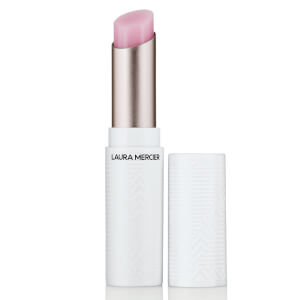
“Hydrating Lip Balm”
This product can help improve hydration of the skin with the two types of ingredients.
The first type is called “humectants”:
these ingredients help attract water.
When humectants are on the surface of the skin, they “pull in” the moisture from the outside environment, or from
within deeper layers of the skin. The following ingredients in this product do the job:
glycerin, butylene glycol.
This product also contains ingredients called “occlusives”. They help reduce the speed with which our skin loses moisture to the outside environment. These ingredients also help soften the upper layer of the skin, so it feels less tight and nicer to the touch. The following ingredients in this product do the job: caprylic/capric triglyceride, cera microcristallina.
Can it cause trouble?
Irritancy2 strong irritants: Rosa gallica flower extract, Rosa damascena flower oilMedium risk
Comedogenic1 ingredient rated 2 or more on the 0–5 pore-clogging scale1 flagged
User reviews
Be the first — your take helps the next person decide.
Ingredients
Filter by role to see what each ingredient is doing.
Hydrogenated polyisobutene~22–33%
- Irritation risk
- Low
Used to improve the product consistency and soften the upper layer of the skin
More about Hydrogenated polyisobuteneSqualane~5.8–8.6%
- Irritation risk
- Low
An oil naturally present in skin. Works as an emollient to soften the skin and form a protective layer on its surface without a greasy feeling.
More about SqualaneDiphenylsiloxy phenyl trimethicone~5.1–7.7%
- Irritation risk
- Low
Help improve the product's texture
More about Diphenylsiloxy phenyl trimethiconeTrimethyl pentaphenyl trisiloxane~4–6%
- Irritation risk
- Low
Phytosteryl/octyldodecyl lauroyl glutamate~3.1–4.6%
- Irritation risk
- Low
A mix of amino acids and plant-based lipids. Helps to soften the upper layer of the skin and reduce water loss over time
More about Phytosteryl/octyldodecyl lauroyl glutamateMacadamia ternifolia seed oil~2.4–3.5%
- Irritation risk
- Medium
Plant oil from nuts that helps soften the upper layer of the skin. Contains a high concentration of oleic acid that can weaken skin's barrier function and increase water-loss while enhancing penetration of other ingredients
More about Macadamia ternifolia seed oilPolyethylene~2.1–3.1%
Jojoba esters~1.5–2.3%
- Irritation risk
- Medium
An emollient made of jojoba oil. Helps soften the skin and support its barrier function
More about Jojoba estersCaprylic/capric triglyceride~1.4–2.1%
- Irritation risk
- Medium
A good mix of fatty acids that forms a protective layer on the skin. Improves the shelf life of products. Derived from coconut and glycerin
More about Caprylic/capric triglycerideMethyl methacrylate crosspolymer~1.2–1.8%
- Irritation risk
- Low
Helps thicken the product consistency
More about Methyl methacrylate crosspolymerMicrocrystalline wax~0.9–1.4%
Cera microcristallina~0.9–1.4%
- Irritation risk
- Low
Helps to soften the upper layer of the skin, reduce water loss from its surface and create a thicker product consistency
More about Cera microcristallinaWater~0.55–1.25%
Glycerin~0.55–1.25%
- Irritation risk
- Low
One of the best moisturizing ingredients. Naturally present in skin. It attracts water to the upper layer of the skin working as a humectant
More about GlycerinPolyglyceryl-2 diisostearate~0.5–1.15%
Butylene glycol~0.45–1.1%
- Irritation risk
- Low
Used to create a nice product texture and help delivery of other ingredients. Might be somewhat helpful in attracting water to the upper layer of the skin
More about Butylene glycolLithospermum erythrorhizon root extract~0.45–1.05%
- Irritation risk
- High
A plant extract that might help neutralize free radicals in skin. Can be used for its fragrance
More about Lithospermum erythrorhizon root extractRosa gallica flower extract~0.45–1.05%
- Irritation risk
- High
Prunus domestica seed oil~0.4–0.95%
- Irritation risk
- Medium
Helps soften the upper layer of the skin
More about Prunus domestica seed oilBorago officinalis seed oil~0.45–1.05%
- Irritation risk
- Low
A plant oil that is effective in reducing irritation in skin, restore the barrier function and support its hydration
More about Borago officinalis seed oilPorphyridium cruentum extract~0.4–0.95%
- Irritation risk
- Low
- Comedogenicity
- 3/5
A red algae extract. Can help attract water to the upper layer of the skin and might have an antioxidant effect
More about Porphyridium cruentum extractRosa damascena flower oil~0.4–0.9%
- Irritation risk
- High
Used as a fragrance. Can be irritating
More about Rosa damascena flower oilSea water~0.4–1%
- Irritation risk
- Low
Dissolves other ingredients. It does not have additional skin benefits compared to plain water
More about Sea waterMaris aqua~0.4–0.95%
Sea water~0.4–0.95%
- Irritation risk
- Low
Dissolves other ingredients. It does not have additional skin benefits compared to plain water
More about Sea waterTetrahexyldecyl ascorbate~0.4–0.95%
- Irritation risk
- Medium
Being a lipid soluble form of vitamin C, it is more stable than ascorbic acid, but still degrades quickly and needs to be stabilized in a formulation with another ingredient. It is claimed to penetrate skin better than pure vitamin C and have the the similar benefits, but solid studies of its effectiveness are lacking. Is likely to require a higher concentration in a product than pure vitamin C to be effective. It might be able to help reduce pore clogging.
More about Tetrahexyldecyl ascorbateTocopheryl acetate~0.4–0.9%
- Irritation risk
- Medium
A more stable but less bio-available form of vitamin E compared to Tocopherol. Might help moisturize and protect the skin from free radicals, but mostly used in low concentrations to stabilize other ingredients.
More about Tocopheryl acetateTocopherol~0.35–0.85%
- Irritation risk
- Low
Pure form of vitamin E. Can help moisturise and protect the skin from free radicals. Often used to help stabilise other ingredients or the formula itself
More about TocopherolSilica dimethyl silylate~0.35–0.75%
Propanediol~0.15–0.65%
- Irritation risk
- Low
Acts as a solvent for other ingredients. Speeds up the absorption of other ingredients into the skin
More about PropanediolBht~0.15–0.55%
Phenoxyethanol~0.05–0.3%
- Irritation risk
- Low
A preservative. It helps prevent bacterial growth in cosmetic products
More about PhenoxyethanolPotassium sorbate~0.05–0.25%
Sorbic acid~0.05–0.2%
Ingredient list view
Hydrogenated polyisobutene, Squalane, Diphenylsiloxy phenyl trimethicone, Trimethyl pentaphenyl trisiloxane, Phytosteryl/octyldodecyl lauroyl glutamate, Macadamia ternifolia seed oil, Polyethylene, Jojoba esters, Caprylic/capric triglyceride, Methyl methacrylate crosspolymer, Microcrystalline wax, Cera microcristallina, Unknown, Water, Glycerin, Polyglyceryl-2 diisostearate, Butylene glycol, Lithospermum erythrorhizon root extract, Rosa gallica flower extract, Prunus domestica seed oil, Borago officinalis seed oil, Porphyridium cruentum extract, Rosa damascena flower oil, Sea water, Maris aqua, Sea water, Tetrahexyldecyl ascorbate, Tocopheryl acetate, Tocopherol, Silica dimethyl silylate, Propanediol, Bht, Phenoxyethanol, Potassium sorbate, Sorbic acid
Compare prices
Retailers ranked by price — lowest first.

Sources cited in this review
Every concentration estimate and effectiveness label is anchored to one of these 10 studies and safety reviews.
- 1
- 2
- 3
- 4
- 5
- 6

Affiliate links · As an Amazon Associate, WIMJ earns from qualifying purchases.