Works for:
based on ingredients and %- Cleansing
- Exfoliation
- Anti-blemish
Can it cause trouble?
- Irritation risk: high
- Comedogenic risk ingredients: 3
Key actives


Works for
Anti-blemish
What does the product description say?
Salicylic acid aids in dissolving impurities for an even complexion.
Source: Ulta
This product can help reduce breakouts and clogged pores because it contains the following ingredient: salicylic acid. This ingredient is used for treating acne and can have a noticeable effect.
Used for skin exfoliation. It has an anti-inflammatory and anti-bacterial effect, helps to unclog pores, prevent blemishes and speed up healing of the existing ones. Sometimes referred to as a BHA (beta-hydroxy acid)
Helps water and oil mix together. Has anti-bacterial properties that might be helpful in preventing blemishes
Cleansing
What does the product description say?
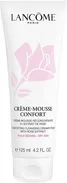
Crème Mousse Confort Creamy Foaming Cleanser
Source: Ulta
This product works by removing dirt and oil from the surface of the skin. It uses a combination of mild cleansing agents (glycol stearate, lauric acid, myristic acid, palmitic acid, sodium cocoyl glycinate, stearic acid) and should be able to cleanse the skin gently. Still keep in mind that any cleansing can disrupt the skin barrier, and most people do not need to cleanse their skin more than once per day.
Helps oil and water mix together
Helps water and oil mix together. Has anti-bacterial properties that might be helpful in preventing blemishes
Helps oil and water mix together. Could be comedogenic
An emollient that is naturally present in skin and helps soften it
Helps oil and water mix together
Helps oil and water mix together and works as an emollient
Exfoliation
This product can help exfoliate the skin. In other words, it helps break down the bonds between dead cells on the surface of the skin and speed up the skin turnover. Skin often appears softer and brighter after exfoliation, but overdoing it can result in disrupted skin barrier. The following ingredient is doing the exfoliating job in this product: salicylic acid.
Used for skin exfoliation. It has an anti-inflammatory and anti-bacterial effect, helps to unclog pores, prevent blemishes and speed up healing of the existing ones. Sometimes referred to as a BHA (beta-hydroxy acid)
How honest is this product?
| Promise | Can it deliver? |
|---|---|
| Cleansing |
Total Promises Fulfilled score: 100/100.
We receive a small commission for purchases made through these links at no cost for you. Thank you for your support! Learn more
Potential irritants
Comedogenic ingredients
User reviews (0)
Averages from community submissions.
No reviews yet for this product.
Be the first to share your experience!
Tried this product?
Help capture what the ingredient list can't—texture, finish, pilling, scent, and more. Answer what you can, skip the rest.
Takes ~30 seconds.
Reviews are shown in aggregate. No personal details.
| Product | Similarity | Price | Irritancy |
|---|---|---|---|
 Lancôme Crème Mousse Confort Creamy Foaming Cleanser | Current | ≈ $30.84 | |
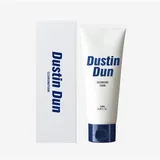 siero Dustin Dun Cleansing Foam | 91% | $38.73 | |
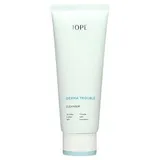 IOPE Derma Trouble Cleanser | 85% | $20.20 | |
 RiRe All Kill Acne Cleanser | 82% | $33.20 | |
 Oh K! SOS Oil Balancing Mousse Cleanser | 82% | ≈ $15.92 | |
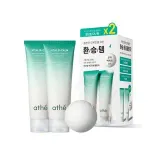 athe Vital B-Calm Panthenol pH Balanced Foam Cleanser | 82% | $20.80 |
Key Actives
Used for skin exfoliation. It has an anti-inflammatory and anti-bacterial effect, helps to unclog pores, prevent blemishes and speed up healing of the existing ones. Sometimes referred to as a BHA (beta-hydroxy acid)
Pure form of vitamin E. Can help moisturise and protect the skin from free radicals. Often used to help stabilise other ingredients or the formula itself
Helps water and oil mix together. Has anti-bacterial properties that might be helpful in preventing blemishes
A great moisturising ingredient that softens the skin and reduces water loss from its upper layer. It also can be helpful in protecting skin from free radicals
An emollient that is naturally present in skin and helps soften it
Helps oil and water mix together and works as an emollient
A great emollient. Contains vitamin E (tocopherol) which may give it some anti-oxidant properties. Can contain volatile compounds and can be irritating
One of the best moisturizing ingredients. Naturally present in skin. It attracts water to the upper layer of the skin working as a humectant
Helps oil and water mix together
Helps oil and water mix together. Could be comedogenic
Potential irritants
An aromatic blend of unspecified and possibly irritating ingredients
Used for skin exfoliation. It has an anti-inflammatory and anti-bacterial effect, helps to unclog pores, prevent blemishes and speed up healing of the existing ones. Sometimes referred to as a BHA (beta-hydroxy acid)
Helps preserve products. Can mask unpleasant smell. Could be irritating
Helps oil and water mix together and can enhance the penetration of other ingredients into the skin. It can be irritating
A fragrance. Potential allergen and can be irritating
Helps oil and water mix together. Could be comedogenic
Helps water and oil mix together. Has anti-bacterial properties that might be helpful in preventing blemishes
A great emollient. Contains vitamin E (tocopherol) which may give it some anti-oxidant properties. Can contain volatile compounds and can be irritating
Comedogenic ingredients
Helps oil and water mix together. Could be comedogenic
Helps water and oil mix together. Has anti-bacterial properties that might be helpful in preventing blemishes
A great moisturising ingredient that softens the skin and reduces water loss from its upper layer. It also can be helpful in protecting skin from free radicals
All ingredients
One of the best moisturizing ingredients. Naturally present in skin. It attracts water to the upper layer of the skin working as a humectant
Helps oil and water mix together. Could be comedogenic
A clay mineral. Can absorb oil from the surface of the skin
Used to create a nice product texture and help delivery of other ingredients. Might be somewhat helpful in attracting water to the upper layer of the skin
An emollient that is naturally present in skin and helps soften it
Helps water and oil mix together. Has anti-bacterial properties that might be helpful in preventing blemishes
An aromatic blend of unspecified and possibly irritating ingredients
A great moisturising ingredient that softens the skin and reduces water loss from its upper layer. It also can be helpful in protecting skin from free radicals
A preservative. It helps prevent bacterial growth in cosmetic products
Used for skin exfoliation. It has an anti-inflammatory and anti-bacterial effect, helps to unclog pores, prevent blemishes and speed up healing of the existing ones. Sometimes referred to as a BHA (beta-hydroxy acid)
Helps preserve products. Can mask unpleasant smell. Could be irritating
A great emollient. Contains vitamin E (tocopherol) which may give it some anti-oxidant properties. Can contain volatile compounds and can be irritating
Pure form of vitamin E. Can help moisturise and protect the skin from free radicals. Often used to help stabilise other ingredients or the formula itself
Helps oil and water mix together and can enhance the penetration of other ingredients into the skin. It can be irritating
A fragrance. Potential allergen and can be irritating
Ingredient list view
Water, Glycerin, Sodium cocoyl glycinate, Myristic acid, Montmorillonite, Butylene glycol, Palmitic acid, Glycol stearate, Lauric acid, Stearic acid, Ci 77891, Potassium hydroxide, Parfum, Butyrospermum parkii butter, Phenoxyethanol, Sodium hydroxide, Sodium hexametaphosphate, Butylparaben, Salicylic acid, Tetrasodium edta, Propylparaben, P-anisic acid, O-cymen-5-ol, Rosa canina fruit oil, Hexyl cinnamal, Tocopherol, Propylene glycol, Alpha-isomethyl ionone, Geraniol, Farnesol, Rosa gallica flower extract, Ci 17200, Nelumbo nucifera flower extract, Ci 14700
- Glycerol and the skin: holistic approach to its origin and functions
- The fatty acid profile of the skin surface lipid layer in papulopustular rosacea
- Salicylic acid as a peeling agent: a comprehensive review
- Beta Hydroxy Acids
- A review of toxicity from topical salicylic acid preparations
- Glycolic Acid Peels Versus Salicylic–Mandelic Acid Peels in Active Acne Vulgaris and Post‐Acne Scarring and Hyperpigmentation: A Comparative Study
- Sodium anisate
- Final Report on the Safety Assessment of Sodium p-Chloro-m-Cresol, p-Chloro-m-Cresol, Chlorothymol, Mixed Cresols, m-Cresol, o-Cresol, p-Cresol, Isopropyl Cresols, Thymol, o-Cymen-5-ol, and Carvacrol
- Allergic contact dermatitis caused by isopropyl methylphenol, a new hapten
- Vitamin E in dermatology
- Vitamin E and Skin Health
- Surfactants and experimental irritant contact dermatitis
- Propylene Glycol
- Skin-sensitizing and irritant properties of propylene glycol
- Annex I: Clinical evidence regarding sensitisation to individual fragrance chemicals and to natural extracts