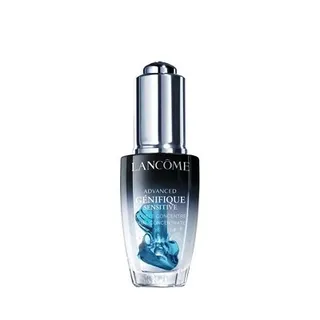
Lancôme Advanced Gnifique Sensitive Serum

Lancôme Advanced Gnifique Sensitive Serum

Efficacy66/100IrritancyMedium

Works for

Anti-aging
Ferulic acid, Adenosine + 3 more
Works well
What the product description says
“Seasonal changes, environmental aggressions, and the stress of modern life can make skin react with feelings of tightness and discomfort, and lead to premature signs of skin aging.”
Source: Feelunique

This product can help reduce and prevent fine lines and wrinkles, improve skin elasticity and firmness because it contains adenosine.

These ingredients in the product can also be helpful, even though there is less evidence for their effectiveness: ferulic acid, madecassoside.

Keep in mind that it typically takes at least 6 weeks to notice any results because the changes that are needed to improve fine lines and elasticity happen in the deeper layers of the skin. No topical anti-aging product can “erase” wrinkles or fully reverse signs of aging.

Ferulic acidKey activeEffect: MediumA potent anti-oxidant that has been shown to be effective in neutralizing free radicals in skin. There seem to have a synergetic effect of ferulic acid, vitamin E and C, meaning that when the ingredients are used together, they enhance each other's ability protect the skin against free radicals. Ferulic acid also helps to stabilize other ingredients - including vitamins C and E. It can help to even out the skin tone. Ferulic acid is approved for use as a sunscreen ingredient in Japan in concentrations up to 10%~3.6–4.4%
AdenosineKey activeEffect: HighMight help improve cell turnover and reduce inflammation in skin. One study shows that the ingredients might be able to help reduce dynamic wrinkles (for example, in the corners of the eyes or on the forehead)~0.55–0.85%
MadecassosideKey activeEffect: MediumAn antioxidant that is typically derived from plant Centella Asiatica. It can help neutralize free radicals in skin and support skin barrier function. It could, however, itself be irritating. It is often unstable in formulations~0.55–0.85%
TocopherolEffect: LowPure form of vitamin E. Can help moisturise and protect the skin from free radicals. Often used to help stabilise other ingredients or the formula itself~0.6–0.9%
Lactic acidUnder-dosedAn exfoliating and moisturizing alpha-hydroxy acid (AHA). Typically causes less irritation than other AHAs, for example, glycolic acid. At high concentrations (about 15%), lactic acid can help reduce lines and wrinkles. Recent studies show that lactic acid can support the "good" bacteria living on skin's surface (healthy skin microbiome)~0.65–1%
Moisturizing
Madecassoside, Isopropyl lauroyl sarcosinate + 18 more
Works well
What the product description says
“and probiotic derived extracts combined with freshly sealed ferulic acid, vitamin E and hyaluronic acid.”
Source: Feelunique

This product can help improve hydration of the skin with the two types of ingredients.

The first type is called “humectants”:
these ingredients help attract water. When humectants are on the surface of the skin, they “pull in” the moisture from the outside environment, or from within deeper layers of the skin. The following ingredients in this product do the job: arginine, betaine.

This product also contains ingredients called “occlusives”. They help reduce the speed with which our skin loses moisture to the outside environment. These ingredients also help soften the upper layer of the skin, so it feels less tight and nicer to the touch. The following ingredients in this product do the job: arginine, isopropyl lauroyl sarcosinate.

The following ingredients in this product are especially good for supporting the skin barrier and helping with the hydration level: madecassoside

MadecassosideHeroEffect: HighAn antioxidant that is typically derived from plant Centella Asiatica. It can help neutralize free radicals in skin and support skin barrier function. It could, however, itself be irritating. It is often unstable in formulations~0.55–0.85%
Isopropyl lauroyl sarcosinateKey active· EmollientEffect: MediumHelps soften the upper layer of the skin and create a nice product consistency~2.8–3.5%
GlycerinKey active· HumectantEffect: HighOne of the best moisturizing ingredients. Naturally present in skin. It attracts water to the upper layer of the skin working as a humectant~0.95–1.15%
BetaineKey active· HumectantEffect: HighHelps attract water to the upper layer of the skin and improves the product texture~0.75–1.1%
Lactobacillus fermentKey active· HumectantEffect: HighA fermentation product created by bacteria Lactobacillus. The fermented product has anti-bacterial properties and might be helpful in calming down inflammation, but studies are lacking. Helps attract water to the upper layer of the skin. Can be used as a preservative~0.7–1.05%
LactobacillusKey activeEffect: HighA non-living ingredient made by fermentation with the bacteria Lactobacillus. It can help attract water to the upper layer of the skin and might help reduce inflammation~0.65–0.95%
Sodium hyaluronateKey active· HumectantEffect: HighOne of the best moisturizing ingredients. Attracts water into the upper layer of the skin~0.55–0.85%
ArginineKey active· Humectant, OcclusiveEffect: HighAn amino acid that is naturally present in skin and helps keep it hydrated. When used together with AHAs, it can reduce their irritating effect on the skin~0.55–0.8%
Faex extractKey activeEffect: HighYeast extract. Helps attract water to the upper layer of the skin~0.55–0.85%
Hydrolyzed wheat proteinKey active· HumectantEffect: MediumCan help attract water to the upper layer of the skin. Avoid if sensitive to gluten~0.55–0.85%
AdenosineKey activeEffect: MediumMight help improve cell turnover and reduce inflammation in skin. One study shows that the ingredients might be able to help reduce dynamic wrinkles (for example, in the corners of the eyes or on the forehead)~0.55–0.85%
Alpha-glucan oligosaccharideKey activeEffect: HighHelps attract water to the upper layer of the skin~0.45–0.7%
GlycineKey active· HumectantEffect: HighHelps to attract water to the upper layer of the skin and can help restore the skin barrier function~0.25–0.45%
TocopherolEffect: LowPure form of vitamin E. Can help moisturise and protect the skin from free radicals. Often used to help stabilise other ingredients or the formula itself~0.6–0.9%
Pentylene glycol· EmollientEffect: LowUsed to preserve products, dissolve other ingredients and create a nice product texture~0.5–0.75%
Polymnia sonchifolia root juiceEffect: LowA plant extract that helps attract water to the upper layer of the skin and might have some anti-oxidant properties~0.45–0.7%
Caprylyl glycol· Humectant, EmollientEffect: LowHelps preserve products and creates a nice product texture~0.4–0.65%
Bifida ferment lysateUnder-dosedConsists of remains of dead yeast bacteria cells. Helps to hydrate the skin and reduce irritation. Might has some anti-oxidant effect~0.95–1.15%
Lactic acidUnder-dosedAn exfoliating and moisturizing alpha-hydroxy acid (AHA). Typically causes less irritation than other AHAs, for example, glycolic acid. At high concentrations (about 15%), lactic acid can help reduce lines and wrinkles. Recent studies show that lactic acid can support the "good" bacteria living on skin's surface (healthy skin microbiome)~0.65–1%
Yeast extractUnder-dosedHelps attract water to the upper layer of the skin and might have some anti-oxidant and skin lightening properties. It can help calm down inflammation in skin~0.55–0.85%
Anti-blemish
No ingredient credited for this claim
Not delivered
What the product description says
“Push and twist the black cap clockwise to release the blue concentrate into the base concentrate.”
Source: Feelunique

Effective ingredients missing or their concentration is too low.

Anti-oxidation
Side benefit · Ferulic acid, Tocopherol + 7 more
Works well

This product contains antioxidants (ferulic acid, madecassoside, tocopherol) that can help neutralize free radicals in skin. By doing so, they can lessen the damage the skin gets from the UV light (sun).

Ferulic acidKey activeEffect: HighA potent anti-oxidant that has been shown to be effective in neutralizing free radicals in skin. There seem to have a synergetic effect of ferulic acid, vitamin E and C, meaning that when the ingredients are used together, they enhance each other's ability protect the skin against free radicals. Ferulic acid also helps to stabilize other ingredients - including vitamins C and E. It can help to even out the skin tone. Ferulic acid is approved for use as a sunscreen ingredient in Japan in concentrations up to 10%~3.6–4.4%
TocopherolKey activeEffect: HighPure form of vitamin E. Can help moisturise and protect the skin from free radicals. Often used to help stabilise other ingredients or the formula itself~0.6–0.9%
MadecassosideKey activeEffect: HighAn antioxidant that is typically derived from plant Centella Asiatica. It can help neutralize free radicals in skin and support skin barrier function. It could, however, itself be irritating. It is often unstable in formulations~0.55–0.85%
Centaurea cyanus flower waterEffect: LowCornflower water. Might have an anti-oxidant effect and can help reduce inflammation in skin. However, it can be irritating on its own~1.5–1.9%
Lactobacillus fermentEffect: LowA fermentation product created by bacteria Lactobacillus. The fermented product has anti-bacterial properties and might be helpful in calming down inflammation, but studies are lacking. Helps attract water to the upper layer of the skin. Can be used as a preservative~0.7–1.05%
AdenosineEffect: LowMight help improve cell turnover and reduce inflammation in skin. One study shows that the ingredients might be able to help reduce dynamic wrinkles (for example, in the corners of the eyes or on the forehead)~0.55–0.85%
CaffeineEffect: LowMight be helpful in neutralizing free radicals. Can have a dehydration effect that might somewhat decrease the look of puffy eyes~0.55–0.8%
Bifida ferment lysateUnder-dosedConsists of remains of dead yeast bacteria cells. Helps to hydrate the skin and reduce irritation. Might has some anti-oxidant effect~0.95–1.15%
Yeast extractUnder-dosedHelps attract water to the upper layer of the skin and might have some anti-oxidant and skin lightening properties. It can help calm down inflammation in skin~0.55–0.85%
Evens skin tone
Side benefit · Ferulic acid, Madecassoside + 3 more
May help

The following ingredient (ingredients) in this product might be helpful, but there is no evidence to confirm that it actually works: ferulic acid, madecassoside.

Ferulic acidKey activeEffect: MediumA potent anti-oxidant that has been shown to be effective in neutralizing free radicals in skin. There seem to have a synergetic effect of ferulic acid, vitamin E and C, meaning that when the ingredients are used together, they enhance each other's ability protect the skin against free radicals. Ferulic acid also helps to stabilize other ingredients - including vitamins C and E. It can help to even out the skin tone. Ferulic acid is approved for use as a sunscreen ingredient in Japan in concentrations up to 10%~3.6–4.4%
MadecassosideEffect: LowAn antioxidant that is typically derived from plant Centella Asiatica. It can help neutralize free radicals in skin and support skin barrier function. It could, however, itself be irritating. It is often unstable in formulations~0.55–0.85%
Bifida ferment lysateEffect: Low, below effective doseConsists of remains of dead yeast bacteria cells. Helps to hydrate the skin and reduce irritation. Might has some anti-oxidant effect~0.95–1.15%
Yeast extractEffect: Low, below effective doseHelps attract water to the upper layer of the skin and might have some anti-oxidant and skin lightening properties. It can help calm down inflammation in skin~0.55–0.85%
Lactic acidUnder-dosedAn exfoliating and moisturizing alpha-hydroxy acid (AHA). Typically causes less irritation than other AHAs, for example, glycolic acid. At high concentrations (about 15%), lactic acid can help reduce lines and wrinkles. Recent studies show that lactic acid can support the "good" bacteria living on skin's surface (healthy skin microbiome)~0.65–1%

Can it cause trouble?

Irritancy
1 strong irritant: Parfum
Medium risk
We flagged 18 ingredients with irritancy potential. Severity depends on your sensitivity threshold; the table lists the worst offenders first.
IngredientFunctionIrritationEst. amount
Coco-betaineHelps oil and water mix together and works as a cleansing agent. Can be allergenicHigh~2.3–2.8%est.
Centaurea cyanus flower waterCornflower water. Might have an anti-oxidant effect and can help reduce inflammation in skin. However, it can be irritating on its ownHigh~1.5–1.9%est.
Polymnia sonchifolia root juiceA plant extract that helps attract water to the upper layer of the skin and might have some anti-oxidant propertiesHigh~0.45–0.7%est.
ParfumAn aromatic blend of unspecified and possibly irritating ingredientsHigh~0.15–0.3%est.
Ci 42090A colorant (dye)Medium~25–31%est.
Isopropyl lauroyl sarcosinateHelps soften the upper layer of the skin and create a nice product consistencyMedium~2.8–3.5%est.
Citric acidCan work as an exfoliant but is typically used to adjust the product pHMedium~1.1–1.3%est.
Lactic acidAn exfoliating and moisturizing alpha-hydroxy acid (AHA). Typically causes less irritation than other AHAs, for example, glycolic acid. At high concentrations (about 15%), lactic acid can help reduce lines and wrinkles. Recent studies show that lactic acid can support the "good" bacteria living on skin's surface (healthy skin microbiome)Medium~0.65–1%est.
Sodium citrateHelps to control the skin's pH level. Maintains the skin's natural film of amino-lactic acids and oils. Helps to preserve productsMedium~0.6–0.9%est.
MadecassosideAn antioxidant that is typically derived from plant Centella Asiatica. It can help neutralize free radicals in skin and support skin barrier function. It could, however, itself be irritating. It is often unstable in formulationsMedium~0.55–0.85%est.
Hydrolyzed wheat proteinCan help attract water to the upper layer of the skin. Avoid if sensitive to glutenMedium~0.55–0.85%est.
Sodium dehydroacetateA preservativeMedium~0.3–0.6%est.
CaffeineMight be helpful in neutralizing free radicals. Can have a dehydration effect that might somewhat decrease the look of puffy eyesMedium~0.55–0.8%est.
Trisodium ethylenediamine disuccinateUsed to improve stability of the formulationMedium~0.5–0.75%est.
ChlorphenesinA preservativeMedium~0.16–0.32%est.
Pentylene glycolUsed to preserve products, dissolve other ingredients and create a nice product textureMedium~0.5–0.75%est.
Caprylyl glycolHelps preserve products and creates a nice product textureMedium~0.4–0.65%est.
Potassium sorbateA preservativeMedium~0.2–0.4%est.
Comedogenic
Clean of flagged comedogenic ingredients
None flagged
Did this help you decide?

User reviews

Would you recommend?
No community reviews yet.

Be the first — your take helps the next person decide.

Ingredients

Filter by role to see what each ingredient is doing.

Ci 42090~25–31%
Irritant · medium
Irritation risk
Medium

A colorant (dye)

More about Ci 42090
Dipropylene glycol~5.5–6.8%
Formula
Irritation risk
Low

Helps to dissolve other ingredients in a formulation. Slows down the rate of product drying

More about Dipropylene glycol
Tocopherol~4.8–5.9%
Key active
Irritation risk
Low
Works for
Anti-oxidationMoisturizingAnti-inflammatoryAnti-aging

Pure form of vitamin E. Can help moisturise and protect the skin from free radicals. Often used to help stabilise other ingredients or the formula itself

More about Tocopherol
Ferulic acid~3.6–4.4%
Key active
Irritation risk
Low
Works for
Anti-oxidationEvens skin toneAnti-inflammatoryAnti-aging

A potent anti-oxidant that has been shown to be effective in neutralizing free radicals in skin. There seem to have a synergetic effect of ferulic acid, vitamin E and C, meaning that when the ingredients are used together, they enhance each other's ability protect the skin against free radicals. Ferulic acid also helps to stabilize other ingredients - including vitamins C and E. It can help to even out the skin tone. Ferulic acid is approved for use as a sunscreen ingredient in Japan in concentrations up to 10%

More about Ferulic acid
Isopropyl lauroyl sarcosinate~2.8–3.5%
Key activeIrritant · medium
Irritation risk
Medium
Works for
Moisturizing

Helps soften the upper layer of the skin and create a nice product consistency

More about Isopropyl lauroyl sarcosinate
Ci 60730~2.1–2.5%
Formula
Irritation risk
Low
More about Ci 60730
Ext. violet 2
Not recognized
Coco-betaine~2.3–2.8%
Irritant · high
Irritation risk
High
Works for
Cleansing

Helps oil and water mix together and works as a cleansing agent. Can be allergenic

More about Coco-betaine
Arginine~1.7–2.1%
Key active
Irritation risk
Low
Works for
Moisturizing

An amino acid that is naturally present in skin and helps keep it hydrated. When used together with AHAs, it can reduce their irritating effect on the skin

More about Arginine
Centaurea cyanus flower water~1.5–1.9%
Irritant · high
Irritation risk
High
Works for
Anti-oxidationAnti-inflammatory

Cornflower water. Might have an anti-oxidant effect and can help reduce inflammation in skin. However, it can be irritating on its own

More about Centaurea cyanus flower water
Propanediol~1.3–1.6%
Formula
Irritation risk
Low

Acts as a solvent for other ingredients. Speeds up the absorption of other ingredients into the skin

More about Propanediol
Citric acid~1.1–1.3%
Irritant · medium
Irritation risk
Medium

Can work as an exfoliant but is typically used to adjust the product pH

More about Citric acid
Water~1–1.2%
Formula
Irritation risk
Low

Plain old water

More about Water
Bifida ferment lysate~0.95–1.15%
Under-dosed
Irritation risk
Low
Works for
MoisturizingAnti-oxidationEvens skin tone

Consists of remains of dead yeast bacteria cells. Helps to hydrate the skin and reduce irritation. Might has some anti-oxidant effect

More about Bifida ferment lysate
Glycerin~0.95–1.15%
Key active
Irritation risk
Low
Works for
Moisturizing

One of the best moisturizing ingredients. Naturally present in skin. It attracts water to the upper layer of the skin working as a humectant

More about Glycerin
Propanediol~0.8–1.15%
Formula
Irritation risk
Low

Acts as a solvent for other ingredients. Speeds up the absorption of other ingredients into the skin

More about Propanediol
Betaine~0.75–1.1%
Key active
Irritation risk
Low
Works for
Moisturizing

Helps attract water to the upper layer of the skin and improves the product texture

More about Betaine
Lactobacillus ferment~0.7–1.05%
Key active
Irritation risk
Low
Works for
MoisturizingAnti-inflammatoryAnti-oxidationReduces irritation

A fermentation product created by bacteria Lactobacillus. The fermented product has anti-bacterial properties and might be helpful in calming down inflammation, but studies are lacking. Helps attract water to the upper layer of the skin. Can be used as a preservative

More about Lactobacillus ferment
Lactic acid~0.65–1%
Under-dosedIrritant · medium
Irritation risk
Medium
Works for
Evens skin toneMoisturizingExfoliationAnti-aging

An exfoliating and moisturizing alpha-hydroxy acid (AHA). Typically causes less irritation than other AHAs, for example, glycolic acid. At high concentrations (about 15%), lactic acid can help reduce lines and wrinkles. Recent studies show that lactic acid can support the "good" bacteria living on skin's surface (healthy skin microbiome)

More about Lactic acid
Lactobacillus~0.65–0.95%
Key active
Irritation risk
Low
Works for
Moisturizing

A non-living ingredient made by fermentation with the bacteria Lactobacillus. It can help attract water to the upper layer of the skin and might help reduce inflammation

More about Lactobacillus
Tocopherol~0.6–0.9%
Key active
Irritation risk
Low
Works for
Anti-oxidationAnti-agingAnti-inflammatoryMoisturizing

Pure form of vitamin E. Can help moisturise and protect the skin from free radicals. Often used to help stabilise other ingredients or the formula itself

More about Tocopherol
Sodium citrate~0.6–0.9%
Irritant · medium
Irritation risk
Medium

Helps to control the skin's pH level. Maintains the skin's natural film of amino-lactic acids and oils. Helps to preserve products

More about Sodium citrate
Sodium hyaluronate~0.55–0.85%
Key active
Irritation risk
Low
Works for
Moisturizing

One of the best moisturizing ingredients. Attracts water into the upper layer of the skin

More about Sodium hyaluronate
Madecassoside~0.55–0.85%
Hero · MoisturizingIrritant · medium
Irritation risk
Medium
Works for
Anti-oxidationMoisturizingAnti-agingEvens skin tone

An antioxidant that is typically derived from plant Centella Asiatica. It can help neutralize free radicals in skin and support skin barrier function. It could, however, itself be irritating. It is often unstable in formulations

More about Madecassoside
Sodium benzoate~0.25–0.5%
Formula
Irritation risk
Low

A preservative

More about Sodium benzoate
Hydrolyzed wheat protein~0.55–0.85%
Key activeIrritant · medium
Irritation risk
Medium
Works for
Moisturizing

Can help attract water to the upper layer of the skin. Avoid if sensitive to gluten

More about Hydrolyzed wheat protein
Sodium dehydroacetate~0.3–0.6%
Irritant · medium
Irritation risk
Medium

A preservative

More about Sodium dehydroacetate
Sodium succinate~0.55–0.85%
Formula
Faex extract~0.55–0.85%
Key active
Irritation risk
Low
Works for
Moisturizing

Yeast extract. Helps attract water to the upper layer of the skin

More about Faex extract
Yeast extract~0.55–0.85%
Under-dosed
Irritation risk
Low
Works for
MoisturizingAnti-inflammatoryAnti-oxidationReduces irritationEvens skin tone

Helps attract water to the upper layer of the skin and might have some anti-oxidant and skin lightening properties. It can help calm down inflammation in skin

More about Yeast extract
Adenosine~0.55–0.85%
Key active
Irritation risk
Low
Works for
Anti-agingMoisturizingAnti-oxidation

Might help improve cell turnover and reduce inflammation in skin. One study shows that the ingredients might be able to help reduce dynamic wrinkles (for example, in the corners of the eyes or on the forehead)

More about Adenosine
Acetic acid~0.55–0.85%
Formula
Irritation risk
Low
More about Acetic acid
Phenoxyethanol~0.55–0.85%
Formula
Irritation risk
Low

A preservative. It helps prevent bacterial growth in cosmetic products

More about Phenoxyethanol
Caffeine~0.55–0.8%
Irritant · medium
Irritation risk
Medium
Works for
De-puffingAnti-oxidation

Might be helpful in neutralizing free radicals. Can have a dehydration effect that might somewhat decrease the look of puffy eyes

More about Caffeine
Ppg-6-decyltetradeceth-30~0.6–0.9%
Formula
Irritation risk
Low
Works for
Cleansing
More about Ppg-6-decyltetradeceth-30
Arginine~0.55–0.8%
Key active
Irritation risk
Low
Works for
Moisturizing

An amino acid that is naturally present in skin and helps keep it hydrated. When used together with AHAs, it can reduce their irritating effect on the skin

More about Arginine
Trisodium ethylenediamine disuccinate~0.5–0.75%
Irritant · medium
Irritation risk
Medium

Used to improve stability of the formulation

More about Trisodium ethylenediamine disuccinate
Chlorphenesin~0.16–0.32%
Irritant · medium
Irritation risk
Medium

A preservative

More about Chlorphenesin
Polymnia sonchifolia root juice~0.45–0.7%
Irritant · high
Irritation risk
High
Works for
Moisturizing

A plant extract that helps attract water to the upper layer of the skin and might have some anti-oxidant properties

More about Polymnia sonchifolia root juice
Maltodextrin~0.5–0.8%
Formula
Irritation risk
Low
Works for
Mattifying

Used to stabilize the product formulation and can help absorb oil

More about Maltodextrin
Ammonium polyacryloyldimethyl taurate~0.45–0.65%
Formula
Irritation risk
Low

Used to create a thicker product consistency

More about Ammonium polyacryloyldimethyl taurate
Mannose~0.4–0.65%
Formula
Irritation risk
Low
More about Mannose
Xanthan gum~0.4–0.65%
Formula
Irritation risk
Low
Works for
Cleansing

Used to create a thicker product consistency

More about Xanthan gum
Pentylene glycol~0.5–0.75%
Irritant · medium
Irritation risk
Medium
Works for
Moisturizing

Used to preserve products, dissolve other ingredients and create a nice product texture

More about Pentylene glycol
Leontopodium alpinum flower/leaf extract~0.35–0.6%
Formula
Alpha-glucan oligosaccharide~0.45–0.7%
Key active
Irritation risk
Low
Works for
Moisturizing

Helps attract water to the upper layer of the skin

More about Alpha-glucan oligosaccharide
Caprylyl glycol~0.4–0.65%
Irritant · medium
Irritation risk
Medium
Works for
Moisturizing

Helps preserve products and creates a nice product texture

More about Caprylyl glycol
Citric acid~0.25–0.45%
Irritant · medium
Irritation risk
Medium

Can work as an exfoliant but is typically used to adjust the product pH

More about Citric acid
Potassium sorbate~0.2–0.4%
Irritant · medium
Irritation risk
Medium

A preservative

More about Potassium sorbate
Methionine~0.25–0.5%
Formula
Irritation risk
Low
More about Methionine
Glycine~0.25–0.45%
Key active
Irritation risk
Low
Works for
Moisturizing

Helps to attract water to the upper layer of the skin and can help restore the skin barrier function

More about Glycine
Parfum~0.15–0.3%
Irritant · high
Irritation risk
High

An aromatic blend of unspecified and possibly irritating ingredients

More about Parfum
(f.i.l. b246993/1)
Not recognized
Ingredient list view

Ci 42090, Dipropylene glycol, Tocopherol, Ferulic acid, Isopropyl lauroyl sarcosinate, Ci 60730, Unknown, Coco-betaine, Arginine, Centaurea cyanus flower water, Propanediol, Citric acid, Water, Bifida ferment lysate, Glycerin, Propanediol, Betaine, Lactobacillus ferment, Lactic acid, Lactobacillus, Tocopherol, Sodium citrate, Sodium hyaluronate, Madecassoside, Sodium benzoate, Hydrolyzed wheat protein, Sodium dehydroacetate, Sodium succinate, Faex extract, Yeast extract, Adenosine, Acetic acid, Phenoxyethanol, Caffeine, Ppg-6-decyltetradeceth-30, Arginine, Trisodium ethylenediamine disuccinate, Chlorphenesin, Polymnia sonchifolia root juice, Maltodextrin, Ammonium polyacryloyldimethyl taurate, Mannose, Xanthan gum, Pentylene glycol, Leontopodium alpinum flower/leaf extract, Alpha-glucan oligosaccharide, Caprylyl glycol, Citric acid, Potassium sorbate, Methionine, Glycine, Parfum, Unknown

Compare prices

Retailers ranked by price — lowest first.

No pricing data available yet for this product.

Worth comparing, line by line.

Match % combines shared ingredients, the first five ingredients, shared actives and hero ingredients, irritancy (lower counts in the alternative's favour), texture and body area. Only products in the same routine step are compared.

Side-by-side comparison of this product against its closest alternatives
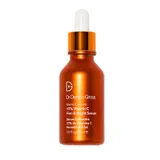
LancômeAdvanced Gnifique Sensitive SerumYOUR PRODUCTDr Dennis GrossVITAMIN C AND LACTIC 15% FIRM AND BRIGHT SERUMVT CosmeticsVT Collagen Reedle Shot 100BANOBAGIMilk Thistle Repair Serum
Match—44%43%42%
Price—$82.48$10.13$18.36
Shared key ingredients—6 of 175 of 174 of 17
Key difference—Vitamin CNiacinamideCopper Tripeptide-1
Irritancy Medium Low Low Low
Drying alcohol————
View product Shop Shop Shop

More alternatives: Sollalla Ultimate Hydrate Hyaluronic SerumMuldream Trouble Clear AHA PHA Ampoule

Cheaper alternatives? Browse formulas in the same category.
We compare ingredient profiles across our catalog — pick the closest match for your budget.
Open dupe finder

Sources cited in this review

Every concentration estimate and effectiveness label is anchored to one of these 30 studies and safety reviews.

  1. 1
    Vitamin E in dermatologyncbi.nlm.nih.gov
  2. 2
    Vitamin E and Skin Healthlpi.oregonstate.edu
  3. 3
  4. 4
  5. 5
  6. 6
Lancôme Advanced Gnifique Sensitive Serum
LancômeAdvanced Gnifique Sensitive Serum

Affiliate links · As an Amazon Associate, WIMJ earns from qualifying purchases.

As an Amazon Associate, WIMJ earns from qualifying purchases.