
Works for:
based on ingredients and %- Anti-aging
- Moisturizing
- Anti-oxidation
Can it cause trouble?
- Irritation risk: high
- Comedogenic risk ingredients: 0
Key actives


Works for
Anti-aging
What does the product description say?
An anti-aging serum infused with millions of Perpetual Rose Molecular Fractions
Source: Sephora CA
This product can help reduce and prevent fine lines and wrinkles, improve skin elasticity and firmness because it contains adenosine.
Keep in mind that it typically takes at least 6 weeks to notice any results because the changes that are needed to improve fine lines and elasticity happen in the deeper layers of the skin. No topical anti-aging product can “erase” wrinkles or fully reverse signs of aging.
Might help improve cell turnover and reduce inflammation in skin. One study shows that the ingredients might be able to help reduce dynamic wrinkles (for example, in the corners of the eyes or on the forehead)
An exfoliating and moisturizing alpha-hydroxy acid (AHA). Typically causes less irritation than other AHAs, for example, glycolic acid. At high concentrations (about 15%), lactic acid can help reduce lines and wrinkles. Recent studies show that lactic acid can support the "good" bacteria living on skin's surface (healthy skin microbiome)
Pure form of vitamin E. Can help moisturise and protect the skin from free radicals. Often used to help stabilise other ingredients or the formula itself
Anti-oxidation
This product contains antioxidants (bifida ferment lysate) that might be able to help neutralize free radicals in skin to lessen the damage it gets from the UV light (sun). There is not enough evidence to confirm their effectiveness in skin though.
Consists of remains of dead yeast bacteria cells. Helps to hydrate the skin and reduce irritation. Might has some anti-oxidant effect
Might help improve cell turnover and reduce inflammation in skin. One study shows that the ingredients might be able to help reduce dynamic wrinkles (for example, in the corners of the eyes or on the forehead)
Pure form of vitamin E. Can help moisturise and protect the skin from free radicals. Often used to help stabilise other ingredients or the formula itself
Moisturizing
What does the product description say?
13% increase in plumpness
Source: Sephora CA
This product contains good ingredients to attract water to the upper layer of the skin. These ingredients are called "humectants": glycerin, sodium hyaluronate.
When humectants are on the surface of the skin, they “pull in” the moisture from the outside environment, or from within deeper layers of the skin. If the air is dry, humectants can speed up the moisture loss from the skin. This is why it is a good idea to use another product on top of this one to help "seal in" the moisture (look for ingredients like dimethicone, squalane, oils and butters).
One of the best moisturizing ingredients. Naturally present in skin. It attracts water to the upper layer of the skin working as a humectant
A sugar-derived compound that helps to attract water to the upper layer of the skin and might be able to stimulate synthesis of skin's own moisturizing factors, but solid research is lacking. It could be irritating
One of the best moisturizing ingredients. Attracts water into the upper layer of the skin
Consists of remains of dead yeast bacteria cells. Helps to hydrate the skin and reduce irritation. Might has some anti-oxidant effect
Helps create a nice product texture and attract water to the upper layer of the skin
Might help improve cell turnover and reduce inflammation in skin. One study shows that the ingredients might be able to help reduce dynamic wrinkles (for example, in the corners of the eyes or on the forehead)
Helps oil and water mix together and can enhance the penetration of other ingredients into the skin. It can be irritating
Used to create a nice product texture and help delivery of other ingredients. Might be somewhat helpful in attracting water to the upper layer of the skin
Helps preserve products and creates a nice product texture
An emollient that softens the skin and forms a protective layer on its surface. Helps water and oil mix together
A type of silicone that helps soften the upper layer of the skin and create a nice product texture
Used as a fragrance. Can be irritating
An exfoliating and moisturizing alpha-hydroxy acid (AHA). Typically causes less irritation than other AHAs, for example, glycolic acid. At high concentrations (about 15%), lactic acid can help reduce lines and wrinkles. Recent studies show that lactic acid can support the "good" bacteria living on skin's surface (healthy skin microbiome)
Pure form of vitamin E. Can help moisturise and protect the skin from free radicals. Often used to help stabilise other ingredients or the formula itself
How honest is this product?
| Promise | Can it deliver? |
|---|---|
| Anti-aging | |
| Moisturizing |
Total Promises Fulfilled score: 87/100.
We receive a small commission for purchases made through these links at no cost for you. Thank you for your support! Learn more
Potential irritants
Comedogenic ingredients
No comedogenic ingredients detected
User reviews (0)
Averages from community submissions.
No reviews yet for this product.
Be the first to share your experience!
Tried this product?
Help capture what the ingredient list can't—texture, finish, pilling, scent, and more. Answer what you can, skip the rest.
Takes ~30 seconds.
Reviews are shown in aggregate. No personal details.
| Product | Similarity | Price | Irritancy |
|---|---|---|---|
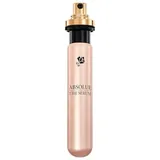 Lancôme Absolue Serum | Current | $175.00 | |
Dr Dennis Gross Advanced Retinol + Ferulic Texture Renewal Serum Packette | 58% | $67.15 | |
Uriage Age Protect Multi-Action Intensive Serum | 57% | ≈ $43.42 | |
 BIOTHERM LIFE PLANKTON™ SERUM REGENERATING ELIXIR | 51% | ≈ $85.40 | |
 Vichy Idéalia Radiance Serum | 51% | - | |
 TOSOWOONG Squalane Ampoule | 50% | $17.60 |
Key Actives
Pure form of vitamin E. Can help moisturise and protect the skin from free radicals. Often used to help stabilise other ingredients or the formula itself
An exfoliating and moisturizing alpha-hydroxy acid (AHA). Typically causes less irritation than other AHAs, for example, glycolic acid. At high concentrations (about 15%), lactic acid can help reduce lines and wrinkles. Recent studies show that lactic acid can support the "good" bacteria living on skin's surface (healthy skin microbiome)
Consists of remains of dead yeast bacteria cells. Helps to hydrate the skin and reduce irritation. Might has some anti-oxidant effect
Might help improve cell turnover and reduce inflammation in skin. One study shows that the ingredients might be able to help reduce dynamic wrinkles (for example, in the corners of the eyes or on the forehead)
One of the best moisturizing ingredients. Naturally present in skin. It attracts water to the upper layer of the skin working as a humectant
Used to regulate product's pH, but can be also used as an exfoliator when included in higher concentrations. There is a controversy about whether it can generate free radicals and induce skin cell damage when used in topical products
Works as a UV filter when used in high concentrations. It is photostable and is effective mostly against the UVB light, with some protection in the UVA range. In small concentrations, used for its ability to improve the color of cosmetic products. Is usually well tolerated by the skin
A sugar-derived compound that helps to attract water to the upper layer of the skin and might be able to stimulate synthesis of skin's own moisturizing factors, but solid research is lacking. It could be irritating
One of the best moisturizing ingredients. Attracts water into the upper layer of the skin
Potential irritants
Produces temporary toning effect. Can help dissolve other ingredients or preserve products
Used as a cleansing agent (surfactant) in cleansers. Helps water and oil mix together in lotions. Can be irritating
A sugar-derived compound that helps to attract water to the upper layer of the skin and might be able to stimulate synthesis of skin's own moisturizing factors, but solid research is lacking. It could be irritating
A common frangrance that can easily irritate skin, especially if exposed to air, light or heat
Helps oil and water mix together and can enhance the penetration of other ingredients into the skin. It can be irritating
An aromatic blend of unspecified and possibly irritating ingredients
Used to regulate product's pH, but can be also used as an exfoliator when included in higher concentrations. There is a controversy about whether it can generate free radicals and induce skin cell damage when used in topical products
An exfoliating and moisturizing alpha-hydroxy acid (AHA). Typically causes less irritation than other AHAs, for example, glycolic acid. At high concentrations (about 15%), lactic acid can help reduce lines and wrinkles. Recent studies show that lactic acid can support the "good" bacteria living on skin's surface (healthy skin microbiome)
Helps preserve products and creates a nice product texture
Can work as an exfoliant but is typically used to adjust the product pH
Comedogenic ingredients
We couldn't find any comedogenic ingredients in this product
All ingredients
One of the best moisturizing ingredients. Naturally present in skin. It attracts water to the upper layer of the skin working as a humectant
Used to create a nice product texture and help delivery of other ingredients. Might be somewhat helpful in attracting water to the upper layer of the skin
Consists of remains of dead yeast bacteria cells. Helps to hydrate the skin and reduce irritation. Might has some anti-oxidant effect
A type of silicone that helps soften the upper layer of the skin and create a nice product texture
Produces temporary toning effect. Can help dissolve other ingredients or preserve products
Helps create a nice product texture and attract water to the upper layer of the skin
Used to regulate product's pH, but can be also used as an exfoliator when included in higher concentrations. There is a controversy about whether it can generate free radicals and induce skin cell damage when used in topical products
Works as a UV filter when used in high concentrations. It is photostable and is effective mostly against the UVB light, with some protection in the UVA range. In small concentrations, used for its ability to improve the color of cosmetic products. Is usually well tolerated by the skin
Pure form of vitamin E. Can help moisturise and protect the skin from free radicals. Often used to help stabilise other ingredients or the formula itself
Creates an illusion of smoother and more radiant skin tone. Adds shimmer to the skin by reflecting light
Used as a cleansing agent (surfactant) in cleansers. Helps water and oil mix together in lotions. Can be irritating
An exfoliating and moisturizing alpha-hydroxy acid (AHA). Typically causes less irritation than other AHAs, for example, glycolic acid. At high concentrations (about 15%), lactic acid can help reduce lines and wrinkles. Recent studies show that lactic acid can support the "good" bacteria living on skin's surface (healthy skin microbiome)
A sugar-derived compound that helps to attract water to the upper layer of the skin and might be able to stimulate synthesis of skin's own moisturizing factors, but solid research is lacking. It could be irritating
One of the best moisturizing ingredients. Attracts water into the upper layer of the skin
Might help improve cell turnover and reduce inflammation in skin. One study shows that the ingredients might be able to help reduce dynamic wrinkles (for example, in the corners of the eyes or on the forehead)
Used to create a thicker product consistency
A common frangrance that can easily irritate skin, especially if exposed to air, light or heat
A colorant that can add a pearl-like appearance to the formulation
Helps oil and water mix together and can enhance the penetration of other ingredients into the skin. It can be irritating
Helps preserve products and creates a nice product texture
Helps create a thicker or gel-like product texture. It is not a surfactant but can be used in gentle cleansing formulations
A type of volcanic glass. Absorbs moisture and can temporarily mattify the skin
Can work as an exfoliant but is typically used to adjust the product pH
An emollient that softens the skin and forms a protective layer on its surface. Helps water and oil mix together
An aromatic blend of unspecified and possibly irritating ingredients
Ingredient list view
Water, Glycerin, Butylene glycol, Bifida ferment lysate, Bis-peg-18 methyl ether dimethyl silane, Alcohol denat., Peg/ppg/polybutylene glycol-8/5/3 glycerin, Hydroxyethylpiperazine ethane sulfonic acid, Titanium dioxide, Tocopherol, Mica, Coco-glucoside, Lactic acid, Hydroxypropyl tetrahydropyrantriol, Sodium hyaluronate, Sodium hydroxide, Sodium benzoate, Adenosine, Acetic acid, Chlorphenesin, Ammonium polyacryloyldimethyl taurate, Limonene, Tin oxide, Linalool, Benzoic acid, Propylene glycol, Caprylyl glycol, Carbomer, Perlite, Geraniol, Rosa centifolia stem extract, Rosa damascena flower oil, Rosa centifolia flower extract, Rosa hybrid flower extract, Citric acid, Citronellol, Coumarin, Glycol distearate, Glyceryl oleate, Glyceryl stearate, Parfum
- Glycerol and the skin: holistic approach to its origin and functions
- Bifidobacterium longumlysate, a new ingredient forreactive skin
- Use of Probiotics for Dermal Applications
- Oxidative DNA damage induced by HEPES (2-[4-(2-hydroxyethyl)-1-piperazinyl]ethanesulfonic acid) buffer in the presence of Au(III)
- Vitamin E in dermatology
- Vitamin E and Skin Health
- In Vitro Assessment of Skin Irritation Potential of Surfactant-based Formulations by Using a 3-D Skin Reconstructed Tissue Model and Cytokine Response
- Allergen of the Year—Alkyl Glucoside
- Epidermal and dermal effects of topical lactic acid
- Dual Effects of Alpha-Hydroxy Acids on the Skin
- A Compensating Skin Care Complex Containing Pro-xylane in Menopausal Women: Results from a Multicentre, Evaluator-blinded, Randomized Study
- Synthesis of Pro-XylaneTM: A new biologically active C-glycoside in aqueous media
- First case of contact dermatitis caused by hydroxypropyl tetrahydropyrantriol used in an anti-ageing cream
- Hyaluronic acid: A key molecule in skin aging
- Hyaluronan (Hyaluronic Acid): a natural moisturizer for skin care
- Evaluation of anti-wrinkle efficacy of adenosine-containing products using the FOITS technique
- Safety Assessment of Acryloyldimethyltaurate Polymers as Used in Cosmetics
- Safety Assessment of Tin(IV) Oxide as Used in Cosmetics
- Surfactants and experimental irritant contact dermatitis
- Propylene Glycol
- Skin-sensitizing and irritant properties of propylene glycol
- Annex I: Clinical evidence regarding sensitisation to individual fragrance chemicals and to natural extracts
- Contact Sensitization to Emulsifying Agents: An Underrated Issue?